Workforce Planning in Logistics
This article explores the concept, importance, and methodologies of workforce planning in logistics, offering insights for professionals in supply chain management.
Updated
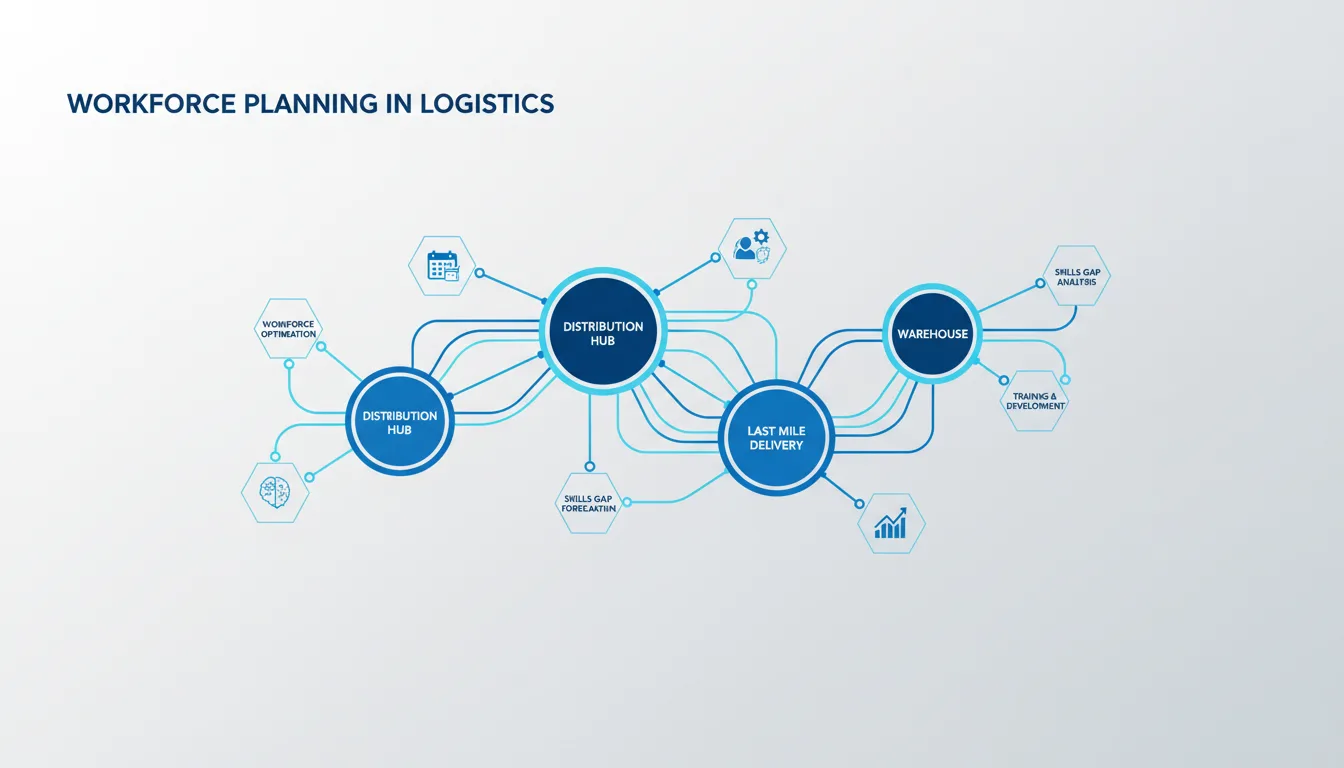
Workforce Planning in Logistics
Overview
Workforce planning refers to the process of ensuring that an organization has the right number of people, with the right skills, in the right places, at the right times. In logistics, this involves optimally managing human resources to meet operational needs and improve efficiency. Effective workforce planning is crucial for maintaining productivity, minimizing costs, and adapting to changes in demand and supply chain dynamics.
Etymology and Origins
The term "workforce planning" emerged in the 1990s, reflecting a shift towards more strategic human resource management practices. Its linguistic roots can be traced back to the combination of "workforce," denoting a collective group of employees, and "planning," which implies the act of strategizing for future requirements. Originally, workforce planning was primarily concerned with basic staffing levels but gradually evolved to include more complex methodologies such as workforce analytics and alignment with business strategies. This integration became particularly relevant in logistics as the need for optimized inventory management and fulfillment efficiencies arose in a rapidly changing global market. Notably, the term's documented usage can be found in various human resource management literature of the early 1990s.
Historical Development
Workforce planning in logistics began to take shape in the late 20th century alongside advancements in technology and globalization. Key milestones include:
- 1980s: The rise of automated systems in warehousing led to new labor requirements and planning techniques. The implementation of technologies such as barcoding and early computing systems marked the inception of modern workforce management approaches.
- 1990s: The introduction of Enterprise Resource Planning (ERP) systems allowed organizations to integrate workforce management with logistical operations. Influential works such as The New Workforce Planning by D. Creelman were published.
- 2000s: The focus shifted towards data-driven decision-making, utilizing workforce analytics to optimize staffing and operations. Pioneering companies began adopting predictive analytics tools, leading to enhanced efficiency.
- Present: Today, workforce planning incorporates various technologies including AI and machine learning, enhancing predictive capabilities in personnel management. For instance, businesses leverage Mobile Warehouse Management Systems to conduct real-time workforce adjustments.
Core Concepts
The core of workforce planning involves several key activities:
- Demand Forecasting: Predicting workforce needs based on historical data, market trends, and seasonal fluctuations, ensuring that logistics operations align with customer expectations.
- Skill Gap Analysis: Evaluating existing employee skills and identifying shortages that may hinder operations.
- Recruitment and Training: Developing plans to hire and train staff to fill identified gaps effectively while ensuring alignment with logistical goals. Continuous professional development programs are critical here.
- Flexibility and Adjustment: Adjusting workforce levels in real-time, particularly in response to changing market conditions, ensuring responsiveness and agility within the logistics framework. Implementing flexible scheduling systems allows for a more adaptive workforce.
Industry Applications
Workforce planning is applied across various sectors within logistics, including:
- Warehousing: Efficiently scheduling labor for picking, packing, and shipping operations. By integrating a Mobile Warehouse Management System, organizations can optimize workflows and improve staff productivity. A practical example is Amazon, which uses sophisticated workforce algorithms to ensure optimal labor costs during peak seasons.
- Transportation: Planning drivers’ schedules according to shipment demands helps mitigate costs and enhance delivery performance. Many companies leverage route optimization tools to make adjustments based on real-time traffic data.
- Retail Fulfillment: Particularly in e-commerce, workforce planning aids in managing peak seasons, ensuring adequate staffing for high demand periods.
Benefits and Advantages
Effective workforce planning leads to multiple advantages, including:
- Increased Efficiency: Streamlining workforce allocation can significantly boost operational productivity, similar to advancements seen with Toyota's Just-In-Time (JIT) manufacturing approach.
- Cost Savings: Reducing overstaffing and optimizing costs associated with training and recruitment.
- Improved Employee Satisfaction: Better planning results in balanced workloads, enhancing morale and retention rates, which are critical factors as organizations navigate labor market challenges.
Challenges and Limitations
Despite its benefits, workforce planning in logistics faces challenges such as:
- Data Reliability: Inaccurate data can lead to poor staffing decisions. Ensuring high-quality data is fundamental for effective planning, necessitating periodic validation of data sources.
- Market Volatility: Unforeseen changes in supply and demand can disrupt workforce effectiveness, which requires adaptive planning strategies.
- Skill Shortages: Difficulty in finding candidates with the necessary skills can hinder operational capabilities, emphasizing the importance of workforce development initiatives.
Best Practices
To optimize workforce planning, logistics companies can adopt several best practices:
- Utilize workforce analytics tools to gather data and identify staffing needs effectively, facilitating a more accurate forecasting process.
- Train existing employees for versatility to cover multiple roles, enhancing adaptability in operations, which can lead to reduced hiring costs.
- Regularly review and update workforce plans to align with market changes and emerging technologies, ensuring that the organization stays competitive and responsive.
Technology and Tools
With the emergence of technologies, tools such as Order Management Systems and Inventory Management Systems have greatly enhanced workforce planning capabilities by providing real-time insights and automating scheduling processes. Additionally, integration with platforms like Shopify allows for greater visibility in workforce requirements linked to sales data, further enabling proactive planning. Companies like UPS have successfully employed technology to enhance workforce management, allowing them to effectively allocate resources based on demand forecasts.
Future Trends
Looking towards the future, workforce planning in logistics will likely evolve with:
- Increased Automation: Advanced robotics and AI are set to play a substantial role in reducing the workforce burden while increasing efficiency.
- Enhanced Analytics: Predictive analytics will allow for proactive staffing adjustments in real-time, as seen in dynamic pricing models in retail.
- Emphasis on Employee Well-Being: Organizations will increasingly focus on wellness programs as part of workforce planning to boost productivity and retention, recognizing the interconnectedness of employee health and operational success.