Workflow Optimization in Logistics
Workflow optimization enhances efficiency in logistics by streamlining processes across operations, technology, and workforce management.
Updated
Overview
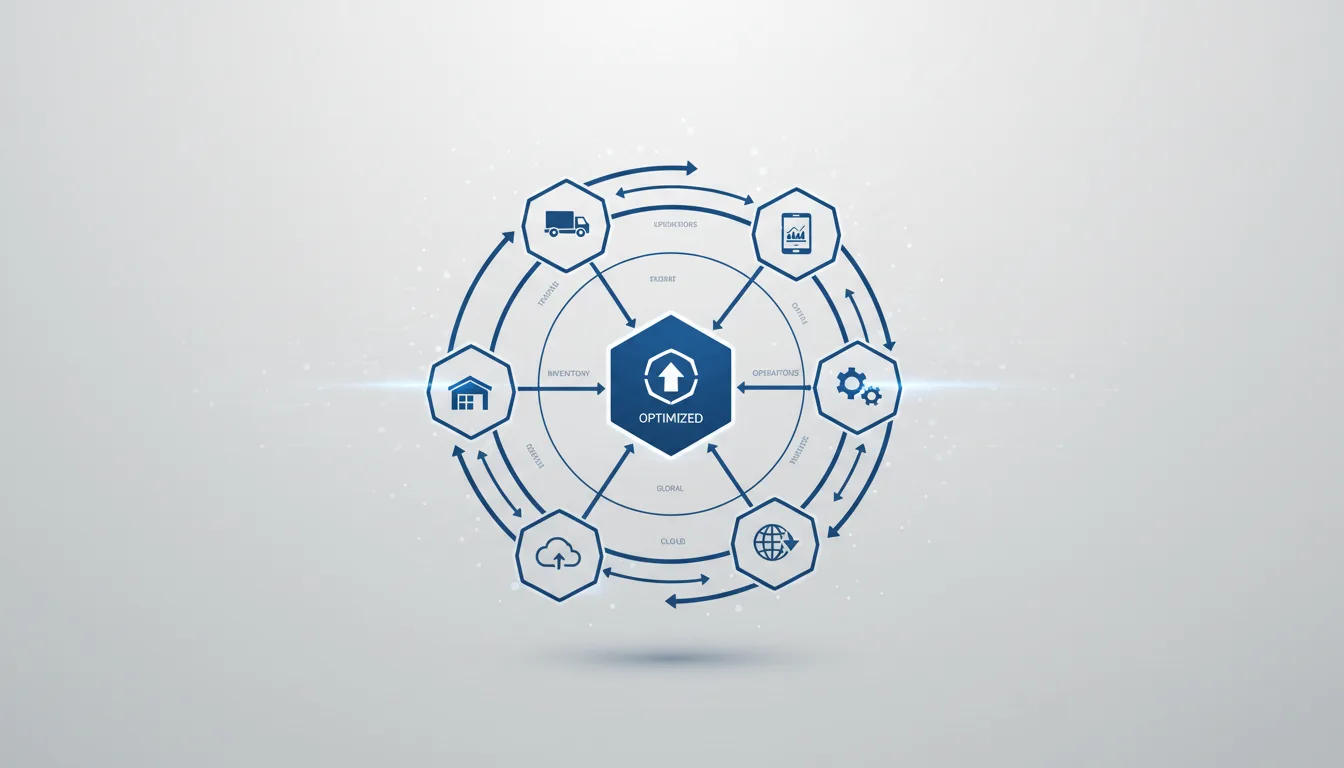
Workflow optimization refers to the practice of enhancing processes within an organization to improve efficiency, productivity, and effectiveness. In logistics, this involves analyzing and redesigning workflows to reduce bottlenecks, streamline operations, and enhance overall supply chain performance. The significance of workflow optimization lies in its ability to maximize resource utilization while minimizing costs, which is essential in today's competitive and ever-evolving global market. By systematically identifying and eliminating waste, it enables businesses to achieve faster order fulfillment, reduced lead times, and improved customer satisfaction.
Etymology and Origins
The term "workflow" has a more recent formalization than the underlying concepts it describes. While the idea of a sequence of tasks has existed for centuries, the modern usage of "workflow" as a distinct concept, particularly in an organizational or business context, began to emerge in the late 1970s and early 1980s with the advent of information technology and the increasing focus on business process automation. Its linguistic roots combine "work" (from Old English weorc referring to effort, activity) and "flow" (from Old English flowan, denoting movement or continuous progression). The term gained significant traction with the development of workflow management systems in the 1990s, aiming to automate and manage business processes digitally.
The concept of optimization, on the other hand, emerged more formally from mathematical programming in the 20th century, with significant contributions from researchers like George Dantzig in linear programming, which provided the quantitative tools that would later be applied to modern workflow optimization strategies.
Historical Development
Early Foundations (19th Century - Mid-20th Century)
The roots of workflow optimization can be traced back to the burgeoning factory systems of the 19th century. Early pioneers focused on the division of labor and hierarchical structures. However, it was Frederick Winslow Taylor, with his publication of The Principles of Scientific Management in 1911, who formalized the approach to improving worker productivity through meticulous task analysis and standardization. This era laid the groundwork for industrial engineering and the scientific study of work processes.
The Age of Measurement and Operations Research (1920s-1950s)
The 1920s and 1930s saw the advent of time and motion studies by experts like Frank and Lillian Gilbreth. Their techniques provided systematic methods for analyzing and improving the efficiency of manual tasks and physical workflows, crucial in manufacturing and early logistics operations. During World War II, the field of Operations Research emerged, using mathematical and analytical methods to optimize complex military logistics, which later transitioned into civilian applications and supply chain planning.
Computerization and Systems Thinking (1960s-1980s)
The 1960s and 1970s marked a significant shift with the introduction of computer technology. Early mainframe computers enabled the development of sophisticated inventory control models and the first generations of Material Requirements Planning (MRP) systems. These systems allowed for better planning and management of materials, components, and products, fundamentally optimizing production and supply chain workflows. Inventory management systems began to provide more granular control and visibility, moving beyond manual ledger entries. The 1980s witnessed the widespread adoption of manufacturing philosophies like Just-in-Time (JIT) inventory (pioneered by Toyota) and Total Quality Management (TQM). JIT, in particular, revolutionized workflow optimization by emphasizing waste reduction, continuous flow, and ensuring materials arrived precisely when required, minimizing warehousing costs and lead times. This was often supported by early forms of Warehouse Management Systems (WMS) that facilitated real-time inventory tracking.
Digital Transformation and Automation (1990s-Present)
The 1990s brought the rise of Enterprise Resource Planning (ERP) systems, integrating various business functions, including logistics, into a single platform. This allowed for unprecedented data visibility and process standardization across departments. Dedicated Warehouse Management Systems (WMS) and Transportation Management Systems (TMS) became more sophisticated, offering real-time control over warehouse and fleet operations. The 2000s saw the proliferation of e-commerce, driving demand for even faster and more flexible logistics workflows. The rise of cloud computing and Software-as-a-Service (SaaS) models made advanced logistics software more accessible to a broader range of businesses. From the 2010s to the present, the integration of advanced technologies like Robotic Process Automation (RPA), Artificial Intelligence (AI), Machine Learning (ML), and the Internet of Things (IoT) has enabled increasingly sophisticated workflow optimization. These technologies allow for predictive analytics, dynamic routing, autonomous mobile robots (AMRs) in warehouses, and real-time monitoring and adaptive adjustments, moving beyond mere automation to intelligent process orchestration.
Core Concepts
Workflow optimization is built upon several core principles and methodologies:
- Process Mapping and Visualization: This involves creating visual representations of workflows, such as flowcharts or Value Stream Maps (VSM), to identify every step, decision point, and handoff. Tools like SkuSavvy's Visual Warehouse Layout assist in visualizing physical processes and material flow, making it easier to pinpoint bottlenecks, redundancies, and non-value-added activities.
- Automation: Employing technology to execute repetitive, rule-based tasks with minimal human intervention. This ranges from basic data entry automation to sophisticated robotic systems for picking, packing, and sorting. Modern solutions like Warehouse Management Systems (WMS) are central to automating tasks such as inventory updates, order allocation, and shipping label generation, significantly reducing manual effort and human error. Practical examples include the use of automated guided vehicles (AGVs) or robotic arms for item retrieval within a warehouse.
- Data Analysis and Performance Metrics: Utilizing key performance indicators (KPIs) and analytical tools to measure, monitor, and evaluate workflow performance. This includes metrics like order cycle time, pick accuracy, inventory turnover, and labor utilization. Advanced analytics, including predictive and prescriptive models, enable informed decision-making and proactive problem-solving, moving beyond reactive adjustments to forecast future needs and optimize resources.
- Continuous Improvement: Embracing a philosophy of ongoing, incremental enhancements, often through methodologies like Lean manufacturing, Six Sigma, and Kaizen. This fosters a culture where all employees are encouraged to identify inefficiencies and contribute to process refinements. Regular performance audits are crucial for sustained optimization efforts.
- Standardization: Establishing uniform procedures and protocols for repeatable tasks to ensure consistency, reduce variability, and simplify training. This is particularly important for processes such as bin put-away criteria, batch picking strategies, or unit of measure conversions, where consistent execution directly impacts efficiency and error reduction.
Industry Applications
Workflow optimization is a universal need across diverse logistics sectors, each with unique operational demands:
- E-Commerce Fulfillment: Optimization focuses intensely on speed, accuracy, and customer satisfaction. This involves streamlining order processing workflows through mobile order fulfillment software that guides pickers, implementing efficient batch picking or pick-to-tote strategies, and automating packing and shipping label generation using pick, pack, ship software. The goal is to minimize order turnaround time and facilitate rapid last-mile delivery.
- Manufacturing Logistics: Focus is on lean practices to enhance throughput and reduce waste within the production environment. This includes optimizing the flow of raw materials, work-in-progress, and finished goods within a factory and between production stages. Techniques like cross-docking can significantly reduce storage time for incoming goods, while kitting streamlines assembly lines by preparing sets of components in advance, reducing picking time.
- Transportation Logistics: Optimization aims to improve delivery efficiency, reduce fuel costs, and enhance fleet utilization. This involves using real-time data analytics for dynamic route optimization, automated dispatching, and load consolidation. Automated rate selection systems can identify the most cost-effective shipping carriers based on various parameters, while multi-box shipping ensures optimal packaging configurations for irregular items, minimizing shipping volume and cost.
- Warehouse Operations: Beyond general WMS implementation, specific workflows like stock replenishment and cycle counting are meticulously optimized. This ensures inventory accuracy, minimizes stockouts, and maximizes storage space utilization, often guided by visual aids like bin packing visualizers to optimize storage density.
Benefits and Advantages
Workflow optimization provides numerous advantages that contribute significantly to a company's bottom line and competitive standing:
- Increased Efficiency and Productivity: Streamlined processes reduce time and resource wastage, enabling faster order fulfillment, higher throughput, and more work accomplished with the same or fewer resources. This translates directly to improved operational performance and faster time-to-market.
- Significant Cost Savings: By optimizing workflows, companies can significantly lower operational costs associated with labor (reduced overtime, fewer staff needed for the same volume), materials (less waste, optimized inventory levels), transportation (efficient routing, fuel savings), and warehousing (better space utilization, reduced holding costs).
- Improved Accuracy and Quality: Enhanced data tracking, automation, and standardization reduce human errors in order processing, inventory management, picking, and shipping. This leads to fewer mis-shipments, reduced returns, and higher product quality, ultimately improving brand reputation.
- Better Employee Satisfaction and Engagement: Efficient and well-defined workflows reduce employee frustration, minimize redundant tasks, and provide clearer responsibilities. This can lead to improved productivity and higher job satisfaction, as employees can focus on more value-added activities and problem-solving.
- Enhanced Agility and Adaptability: Optimized workflows are inherently more flexible and easier to adjust to changing market conditions, customer demands, or supply chain disruptions. This agility is crucial for navigating today's volatile business environment and maintaining continuity.
- Competitive Advantage: Companies with highly optimized logistics workflows can offer faster delivery, lower prices, and more reliable service, differentiating themselves in the marketplace and driving customer loyalty and market share.
Challenges and Limitations
Despite its transformative benefits, implementing workflow optimization is not without its hurdles:
- Resistance to Change: Employees and management may resist new systems and processes due to fear of the unknown, job displacement concerns, or simply discomfort with abandoning established routines. Effective change management strategies are crucial to overcome this.
- High Initial Costs: Implementing new technologies, especially advanced WMS, TMS, or automation hardware, can require significant upfront investment in software licenses, hardware, integration, and training. Justifying the Return on Investment (ROI) is vital for gaining stakeholder approval.
- Data Quality and Integration Issues: The effectiveness of optimization hinges on accurate and timely data. Poor data quality, fragmented legacy systems, and challenges in integrating disparate software platforms can severely undermine optimization efforts, leading to faulty insights and decisions.
- Scalability Concerns: What works for a small operation may not scale efficiently for a growing business. Solutions must be designed with future growth in mind, or they can quickly become bottlenecks themselves, hindering expansion.
- Cybersecurity Risks: Increased reliance on connected systems, cloud platforms, and extensive data analysis raises concerns over data security and privacy. Protecting sensitive business and customer information becomes paramount.
- Skill Gap: Implementing and managing advanced optimization tools often requires specialized skills in data analytics, IT, and process engineering, which may be scarce within an organization. Investment in training or hiring new talent is often necessary.
Best Practices
To effectively implement and sustain workflow optimization, companies can follow these best practices:
- Define Clear Objectives: Before beginning any optimization initiative, clearly articulate what success looks like. Is it reducing shipping costs by 10%, improving pick accuracy to 99.5%, or cutting order cycle time by 24 hours? Measurable goals provide direction and allow for impact assessment.
- Conduct Thorough Process Audits and Mapping: Regularly assess existing workflows to identify pain points, bottlenecks, and areas for improvement. Utilize tools like Value Stream Mapping to visualize the entire process from end-to-end, identifying value-added and non-value-added steps.
- Engage Employees at All Levels: Involve frontline workers, supervisors, and management in the optimization process. Their insights are invaluable for identifying practical challenges and fostering buy-in, which mitigates resistance to change. Regular feedback loops are essential for continuous improvement.
- Leverage Technology Strategically: Utilize modern tools and systems such as advanced Warehouse Management Systems (WMS), Order Management Systems (OMS), and Transportation Management Systems (TMS) to automate and optimize workflows. Explore specific functionalities like automated purchase quantity for procurement or productivity tracking for labor management.
- Prioritize Incremental Improvements (Kaizen): Instead of attempting a massive, disruptive overhaul, focus on small, continuous improvements. This approach is less disruptive, allows for quick wins that build confidence, and builds momentum for larger changes over time.
- Establish and Monitor KPIs: Implement a robust system for tracking key performance indicators relevant to each workflow. Regularly review these metrics to assess the impact of changes, identify new areas for optimization, and ensure sustained performance gains.
- Provide Adequate Training: Ensure all employees are thoroughly trained on new processes, technologies, and methodologies. Ongoing training, support, and documentation are critical for successful adoption and long-term adherence to optimized workflows.
Future Trends
Future developments in workflow optimization are likely to be influenced by several transformative technologies and evolving business priorities:
- Artificial Intelligence (AI) and Machine Learning (ML): More advanced AI systems will move beyond predictive analytics to prescriptive recommendations, dynamically optimizing routes, predicting equipment failures for maintenance, and even automating complex decision-making processes in real-time. For example, AI can optimize automated purchase quantity based on highly accurate demand forecasting.
- Enhanced Automation and Robotics: Increased utilization of robotics and automation, including Autonomous Mobile Robots (AMRs), drones for inventory checks, and robotic process automation (RPA) for administrative tasks, will streamline logistics workflows even further, reducing manual labor, increasing throughput, and improving safety in warehouses and distribution centers.
- Internet of Things (IoT) Integration: Widespread adoption of IoT sensors will provide unprecedented real-time data on asset location, environmental conditions (temperature, humidity), and equipment status. This data will feed into AI-powered optimization algorithms for proactive maintenance, dynamic routing, and improved cold chain logistics, enhancing visibility across the entire supply chain.
- Blockchain Technology: While still nascent in widespread logistics applications, blockchain offers the potential to create transparent, immutable records of transactions and shipments. This can enhance trust, reduce paperwork, and optimize verification workflows across complex, multi-party supply chains, particularly for compliance and provenance.
- Sustainability Practices: Organizations will increasingly integrate environmentally sustainable practices into optimized workflows. This includes optimizing routes to reduce fuel consumption, minimizing packaging waste through efficient bin packing visualizers, and supporting reverse logistics for recycling and returns, driven by regulatory standards and growing consumer demand for eco-friendly operations.
- Hyperautomation: This trend combines multiple advanced technologies (AI, ML, RPA, low-code platforms) to automate as many business processes as possible, creating a more interconnected and intelligently orchestrated set of workflows across the entire organization, leading to truly digital and autonomous operations.
Related Concepts
- Lean Management: A philosophy focused on reducing waste (Muda) and enhancing processes through continuous improvement, emphasizing value for the customer and efficient flow.
- Six Sigma: A methodology that uses statistical methods to improve business processes and eliminate defects in workflows, aiming for near-perfect quality and process consistency.
- Business Process Reengineering (BPR): A radical redesign of core business processes to achieve dramatic improvements in critical measures of performance such as cost, quality, service, and speed. While distinct from continuous improvement, BPR can be a starting point for significant workflow optimization.
- Supply Chain Management (SCM): The overarching management of the flow of goods and services, encompassing all processes from raw materials to final consumer, where workflow optimization plays a critical role in each stage to ensure efficiency and responsiveness.
In conclusion, workflow optimization is not merely a tactical adjustment but a strategic imperative for effective logistics management. It fosters improved efficiency, significant cost savings, enhanced accuracy, and better employee satisfaction, setting organizations apart in a competitive and rapidly evolving marketplace. The continuous pursuit of optimized workflows, supported by advanced technology and a culture of improvement, is key to achieving sustainable operational excellence.
Sources
- Kitting Guide
- Visual Inventory Management System
- Mobile WMS Overview
- Workflows Overview
- Order Management System
- The Future of Supply Chains
- The Critical Role of Logistics in Customer Satisfaction
- Workflow Definition & Meaning
- Workflow Management System - Wikipedia
- Time and motion study - Wikipedia
- Operations Research - Wikipedia
- MRP, MRP II, and ERP: History and Evolution
- What is Just-In-Time (JIT) Inventory?
- ERP (enterprise resource planning) - TechTarget
- Gartner Peer Insights - Transportation Management Systems
- What Is SaaS? Software As A Service Explained
- What is Robotic Process Automation (RPA)?
- Visual Warehouse Layout
- What is Value Stream Mapping?
- What is Lean?
- Performance Audit: A Guide for Boards and Management
- Bin Put-Away Criteria
- Batch Picking Guide
- UOM Conversion Workflow
- Mobile Order Fulfillment
- Pick-to-Tote Guide
- Pick, Pack, Ship Software
- Last-Mile Delivery Definition - MHI
- Cross-Docking Guide
- Dynamic Routing: Optimize Your Fleet with the Best Routes
- Automated Rate Selection
- Multi-Box Shipping
- Stock Replenishment Guide
- Cycle Counting Guide
- Bin Packing Visualizer
- Why Continuous Process Improvement Is Critical for Supply Chain Success
- Productivity Tracking
- The eight essentials of innovation
- WMS ROI Calculator
- Automated Purchase Quantity
- Autonomous Mobile Robots (AMRs)
- What is Sustainable Logistics? - Unsustainable.com