The Vital Role in Logistics Management
Exploring the vital role logistics plays in supply chain management, highlighting its significance, core concepts, applications, and best practices.
Updated
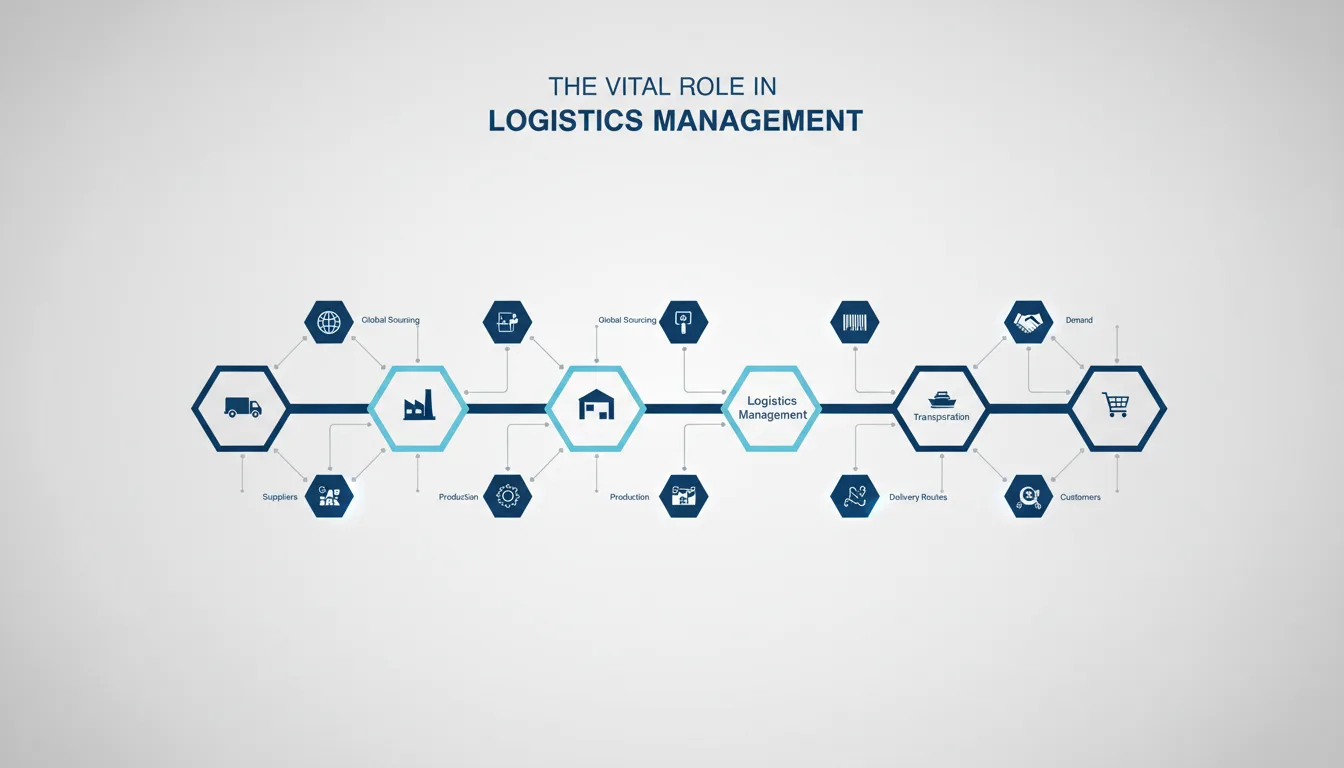
Overview
Logistics plays a vital role in the global supply chain, encompassing the planning, implementation, and control of the efficient, effective forward and reverse flow and storage of goods, services, and related information from point of origin to point of consumption. Its primary purpose is to enhance customer satisfaction and operational efficiency while minimizing costs and maximizing value delivery.
Etymology and Origins
The term "logistics" has a rich history, stemming from the ancient Greek word "logistiki" (λογιστική), meaning the art of reckoning or calculation. This root highlights the mathematical and planning aspects inherent in managing resources and movements. Its earliest practical application is widely recognized in military contexts, dating back to ancient civilizations. For instance, the Byzantine Empire featured officials known as "Logistikos" responsible for military supply, distribution, and treasury, while the Roman Empire's military operations relied heavily on intricate logistical networks for moving legions and provisions across vast territories.
Over centuries, the concept remained primarily within military strategy, concerned with quartering, provisioning, and movement of troops. The French term "logistique" re-emerged in the 19th century through the writings of Antoine-Henri Jomini, a Swiss military theorist, who defined it as "the practical art of moving armies." It wasn't until the 20th century that the term began its significant evolution to encompass broader activities in commerce and industry, driven by the complexities of modern production and distribution systems.
Historical Development
Logistics has undergone a profound transformation, evolving from rudimentary military provisioning to a sophisticated, technology-driven discipline integral to global commerce.
- Ancient Times: Early forms of logistics facilitated trade along routes like the Silk Road and the development of early canal systems and merchant fleets. Empires relied on efficient supply lines to sustain their armies and populations.
- Industrial Revolution (18th-19th Century): The advent of railroads, steamships, and mass production spurred the need for more organized distribution. Factory systems, epitomized by Henry Ford's assembly line, demanded precise coordination of raw materials and finished goods, laying groundwork for industrial logistics.
- 1940s (Post-World War II): The vast logistical apparatus developed during WWII for moving troops, equipment, and supplies globally provided a blueprint for peacetime industrial application. As economies shifted, companies recognized the importance of efficient distribution. This era saw the rise of Physical Distribution Management, focusing on transportation, warehousing, inventory, and order processing as integrated functions, rather than disparate activities. The rise of logistics as a formal field began to gain recognition [5].
- 1960s: The introduction of computerized inventory management systems marked a significant leap. Early Material Requirements Planning (MRP) systems, often pioneered by companies like IBM, revolutionized production planning by managing raw material acquisition based on production schedules. The containerization revolution also began, standardizing shipping and dramatically reducing handling costs and transit times for global trade. Visual inventory management systems built upon these foundations, offering intuitive control.
- 1980s: The concept of just-in-time (JIT) manufacturing gained prominence, famously pioneered by Toyota. JIT emphasized waste reduction, minimal inventory holding, and efficient practices, profoundly influencing inventory and supply chain philosophy. This decade also saw the emergence of the broader concept of Supply Chain Management (SCM), advocated by academic and industry leaders like Professor Michael Porter, integrating logistics functions across multiple firms [6].
- 1990s: Globalization accelerated, driven by improved communication technologies and trade agreements. The internet's rise and the widespread adoption of Enterprise Resource Planning (ERP) systems further integrated logistics with other business functions, enabling greater visibility and coordination across dispersed operations.
- 2000s: The explosion of e-commerce transformed logistics, necessitating innovative solutions such as enhanced order fulfillment strategies, sophisticated warehouse management (e.g., mobile warehouse management systems), and complex last-mile delivery networks. This era also saw the growth of Third-Party Logistics (3PL) providers, allowing companies to outsource complex logistical functions.
- 2010s and beyond: Technologies like Radio-Frequency Identification (RFID), the Internet of Things (IoT), and Artificial Intelligence (AI) began transforming logistics processes. These advancements enabled predictive analytics, real-time tracking, advanced automation, and optimized route planning, leading to more resilient and responsive supply chains. Blockchain technology also emerged as a tool for enhancing transparency and security.
Core Concepts
The effective functioning of logistics is underpinned by several core concepts, each critical for operational excellence:
- Supply Chain Integration: This involves ensuring that all components of a supply chain—from raw material suppliers to manufacturers, distributors, and ultimately the end customer—work together seamlessly. True integration extends beyond mere information sharing to synchronized planning and execution, often facilitated by advanced software integrations.
- Optimization: This is the continuous process of achieving the most cost-effective and efficient results across all logistics functions. Examples include route optimization, warehouse slotting for faster picking, bin put-away criteria for efficient storage, and inventory optimization models to balance stock levels with demand.
- Quality Control: Ensuring that goods meet specified standards throughout their journey, from receiving to storage and delivery. This includes inspection processes, proper handling, temperature control for sensitive goods (e.g., cold chain logistics in healthcare), and adherence to product specifications. Effective quality control minimizes damage, returns, and customer dissatisfaction.
- Customer Relationship Management (CRM): In logistics, CRM involves understanding and meeting customer service requirements, delivery expectations, and communication preferences. Building strong relationships with both suppliers and customers ensures smoother operations, better forecasting, and higher satisfaction.
- Reverse Logistics: This specialized area deals with the return of products from the customer to the manufacturer or retailer. Efficient reverse logistics processes are crucial for managing returns, recycling, repairs, and product disposal, impacting sustainability and customer loyalty.
- Risk Management: Identifying, assessing, and mitigating potential disruptions within the supply chain. This includes planning for natural disasters, geopolitical instability, cyber threats, and transport interruptions to ensure continuity of operations and minimize financial impact.
Industry Applications
Logistics is a universal function, critical across a diverse range of industries:
- Retail: In retail, efficient shipping and fulfillment software processes are paramount to ensure that customers receive products in a timely manner, whether through e-commerce, in-store pickup, or direct-to-consumer models. Last-mile delivery presents a unique challenge, often being the most expensive and time-consuming part of the journey.
- Manufacturing: Logistics coordinates the seamless flow of raw materials, components, and finished goods, often utilizing purchase order management and vendor portals to manage inbound supply. Principles like Just-in-Time (JIT) and Lean Manufacturing rely heavily on precise logistical timing to reduce inventory and optimize production lines.
- Healthcare: Timely and secure delivery of medical supplies, pharmaceuticals, and equipment is critical, often involving strict regulatory compliance and specialized cold chain requirements. Logistics in healthcare is literally a matter of life and death, demanding precision and reliability.
- E-commerce: This sector thrives on advanced logistics, requiring rapid order processing, efficient warehouse operations (e.g., batch picking, pick-to-tote), and robust returns management. The rise of Shopify WMS solutions demonstrates the specialized needs of online retailers.
Benefits and Advantages
Effective logistics management leads to numerous strategic benefits, directly impacting a company's bottom line and market position:
- Cost Reduction: Streamlined processes in transportation, warehousing, and inventory management significantly reduce operational costs, labor expenses, and waste. Optimized inventory levels minimize carrying costs.
- Improved Customer Satisfaction: Timely, accurate, and damage-free deliveries, coupled with efficient returns, enhance customer loyalty and retention. Meeting and exceeding delivery expectations builds a strong brand reputation.
- Competitive Advantage: Companies with robust and agile logistics systems gain a significant edge over competitors. The ability to offer faster delivery, wider product availability, or more competitive pricing through logistical efficiencies differentiates market leaders.
- Enhanced Visibility and Control: Modern logistics systems provide real-time tracking and data analytics, offering unprecedented visibility into the flow of goods. This enables better decision-making, proactive problem-solving, and tighter control over the entire supply chain.
- Increased Efficiency and Productivity: Optimized workflows, automated processes, and strategic network design lead to higher throughput, reduced manual effort, and improved overall productivity within warehouse and transport operations.
Challenges and Limitations
Despite its advancements, logistics faces an array of persistent and emerging challenges:
- Rising Transportation Costs: Fluctuating fuel prices, increasing labor costs (especially for drivers and warehouse personnel), and evolving environmental regulations significantly impact shipping and freight expenses. Global events and trade tariffs can also disrupt shipping economics.
- Supply Chain Disruptions: Events such as natural disasters (e.g., pandemics, extreme weather), geopolitical conflicts, cyberattacks, and labor shortages can drastically affect logistics operations, leading to delays, shortages, and increased costs. Building supply chain resilience is a critical imperative.
- Technology Integration and Adoption: The continuous need to adopt and integrate new technologies (e.g., IoT, AI, blockchain) can be a daunting task for many organizations due to high upfront costs, complexity, and the need for specialized skills. Ensuring interoperability between disparate systems (e.g., WMS, TMS, ERP) is a common hurdle.
- Labor Shortages: A persistent shortage of skilled labor, including truck drivers, warehouse workers, and logistics managers, poses a significant challenge, impacting operational capacity and driving up labor costs.
- Sustainability Pressures: Growing consumer and regulatory demand for eco-friendly logistics practices pushes companies to invest in green logistics initiatives, which can involve significant changes to infrastructure and processes.
- Last-Mile Delivery Complexity: The final leg of delivery, particularly in urban areas, is notoriously inefficient and expensive due to traffic congestion, parking restrictions, and customer delivery expectations (e.g., same-day, scheduled windows).
Best Practices
To optimize logistics and navigate its complexities, organizations should embrace a suite of best practices:
- Implement Advanced Technology: Leverage sophisticated systems like mobile warehouse management systems (WMS) for real-time inventory tracking, visual warehouse layouts for optimized space utilization, and pick, pack, ship software for efficient order fulfillment. Integrate these with Transportation Management Systems (TMS) and Order Management Systems (OMS) for end-to-end visibility. SkuSavvy offers a robust integrations hub for seamless data flow.
- Regular Training and Upskilling: Invest continuously in employee training to ensure staff are knowledgeable about the latest logistics technologies, lean methodologies (e.g., cycle counting procedures, kitting efficiency), and customer service best practices. A well-trained workforce is crucial for adopting new systems and improving operational efficiency.
- Data Analytics and Predictive Intelligence: Utilize logistics data for better decision-making, predictive forecasting (demand, lead times), and proactive problem-solving. Implement Key Performance Indicators (KPIs) to monitor performance across all logistics functions and identify areas for continuous improvement.
- Strategic Partnerships and Collaboration: Forge strong relationships with trusted Third-Party Logistics (3PL) providers, carriers, and suppliers. Collaborative efforts can lead to shared resources, optimized routes, and enhanced supply chain resilience.
- Focus on Sustainability: Integrate eco-friendly logistics practices, such as route optimization to reduce fuel consumption, investing in electric vehicle fleets, optimizing packaging to minimize waste, and implementing reverse logistics for recycling and reuse. This not only benefits the environment but can also lead to cost savings and improved brand image.
- Supply Chain Resilience Planning: Develop robust contingency plans for potential disruptions. This includes diversifying suppliers, strategically positioning inventory, and building flexible transportation networks to mitigate risks and ensure business continuity.
Future Trends
Looking ahead, logistics will continue to be shaped by technological innovation and evolving market demands:
- Advanced Automation and Robotics: Robotics (e.g., Automated Guided Vehicles (AGVs), Autonomous Mobile Robots (AMRs)), automated storage and retrieval systems (AS/RS), and robotic process automation (RPA) will become even more prevalent in warehouses and distribution centers, enhancing speed, accuracy, and reducing labor dependency.
- Sustainability and Green Logistics: The industry will intensify its focus on eco-friendly practices, including the widespread adoption of electric and autonomous vehicles, sustainable packaging, circular economy principles, and carbon footprint reduction initiatives. Supply chains will increasingly be designed for minimal environmental impact.
- Blockchain Technology for Transparency: Decentralized ledger technologies will enhance transparency, traceability, and security across the supply chain, facilitating immutable records of transactions, movements, and product authenticity, particularly for high-value or sensitive goods.
- Artificial Intelligence and Machine Learning: AI will drive predictive analytics for demand forecasting, dynamic route optimization, proactive maintenance of logistics assets, and intelligent inventory management (e.g., automated purchase quantity recommendations), moving towards self-optimizing supply chains.
- Digital Twins and Simulation: Creating virtual replicas (digital twins) of physical supply chain networks will allow companies to simulate scenarios, test changes, and optimize operations in a risk-free environment before implementation, leading to more resilient and efficient systems.
- Hyper-personalization and On-Demand Delivery: Customer expectations for faster, more flexible, and personalized delivery options will drive innovations in last-mile solutions, including drone delivery, crowd-sourced delivery models, and micro-fulfillment centers.
Conclusion
Logistics is an indispensable cornerstone of successful supply chain management, playing a vital role in seamlessly connecting suppliers, manufacturers, and consumers across the globe. Its evolution from military origins to a complex commercial discipline underscores its adaptability and strategic importance. As technology continues to advance and global markets become more interconnected, the strategies and practices that define logistics will further innovate, making it essential for professionals and businesses to stay informed and agile in this dynamic and critical field.
Sources
- Order Fulfillment Guide
- Visual Inventory Management System
- Shipping & Fulfillment Software
- Mobile Warehouse Management System Overview
- Physical Distribution Management: A Historical Review of the Field and a Framework for the Future
- Strategy and the Internet
- Integrations Hub
- Bin Put-Away Criteria Guide
- Warehouse Layout Preview
- Pick, Pack, Ship Software
- Purchase Order Management
- Vendor Portal
- Shopify WMS
- Batch Picking Guide
- Pick-to-Tote Guide
- Cycle Counting Guide
- Kitting Guide
- Automated Purchase Quantity
- The Great Unpacker: How Malcolm McLean Revolutionized Shipping
- Logistics | Britannica
- Roman Army Logistics: Supply Chain Management in Ancient Rome
- Ford Assembly Line Begins
- Three Ways Blockchain Is Transforming Logistics and Supply Chain Management
- Route Optimization Solutions
- The Importance of Inventory Optimization in Supply Chain Management
- Cold Chain for Vaccines
- Reverse Logistics Is No Longer a Backward Process
- Last-Mile Delivery: Why the Final Leg of the Supply Chain Journey Is the Most Important
- Gartner: Supply Chain Resilience
- Green Logistics and Transportation | EPA
- Circular Economy Introduction | Ellen MacArthur Foundation