Visual Management in Logistics
An overview of visual management techniques in logistics, exploring its importance, history, core concepts, and industry applications.
Updated
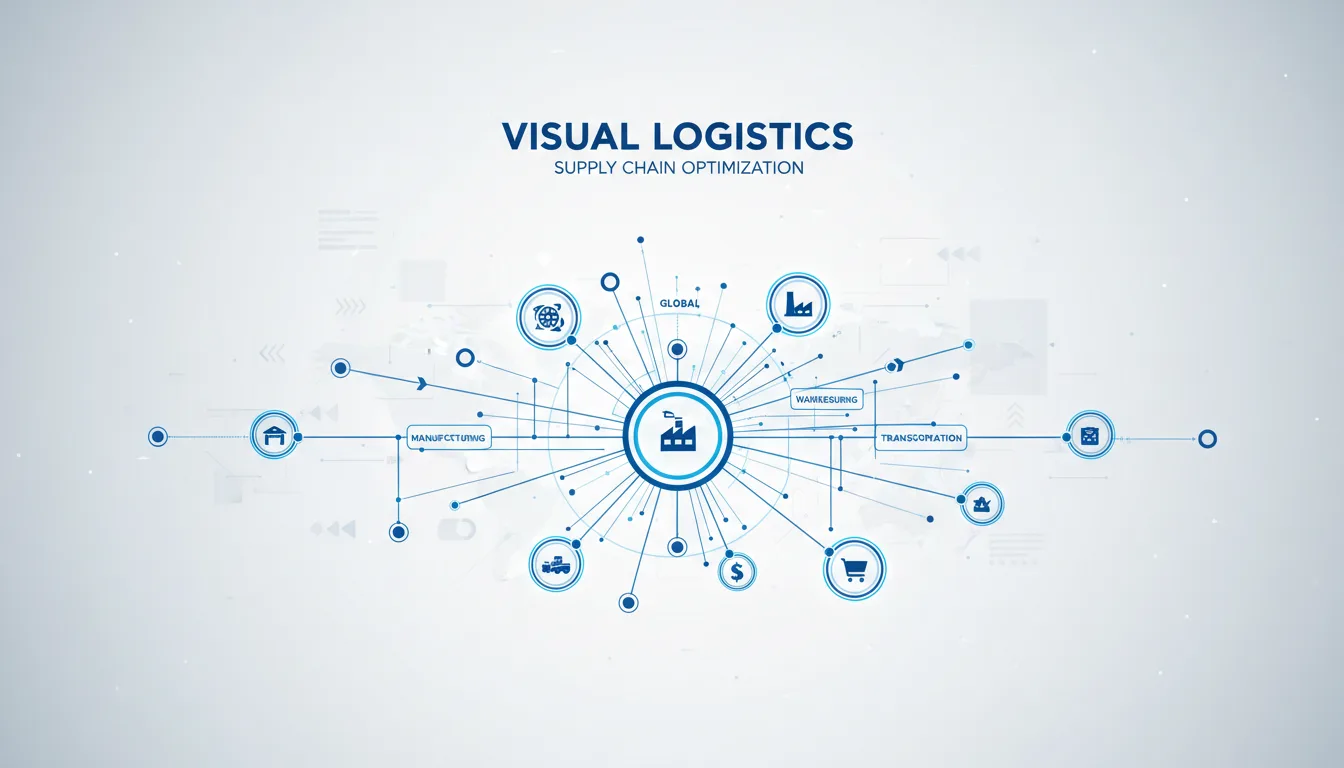
Visual Management in Logistics
Overview
Visual management refers to the integration of visual elements in the workplace to enhance communication, efficiency, and productivity. In logistics, this approach is critical for streamlining operations, facilitating quick decision-making, and providing clear status updates regarding inventory and supply chain activities. Using visuals such as charts, graphs, and signage, organizations can convey information rapidly and vividly, making it easier for team members to grasp essential data and respond appropriately. Studies show that visual management techniques can lead to significant productivity improvements, as they simplify complex information and foster a culture of transparency.
Etymology and Origins
The term "visual management" has its roots in Lean Manufacturing principles, which originated in the Toyota Production System (TPS) during the mid-20th century. The phrase implies a management approach where visual aids are employed to highlight important information and facilitate better workflow control. Originally, visual management was primarily focused on manufacturing processes; however, its terminology has evolved over time, gaining traction in sectors beyond manufacturing, particularly in warehousing and supply chain logistics. The first documented usage in an academic context appeared in the late 1980s in discussions surrounding Lean methodologies (Womack & Jones, 1996).
Historical Development
Visual management began to gain prominence in the logistics sector during the 1980s, influenced significantly by Lean methodologies. The following timeline outlines the evolution of visual management:
- 1980s: Adoption of Lean principles from the TPS into Western industries, particularly in the context of Just-In-Time (JIT) inventory management.
- 1990s: The introduction of Total Quality Management (TQM) emphasized accountability through visual measurement tools. This period also saw seminal works, such as those by Deming on quality control.
- 2000s: The development of more sophisticated software and tools, including the implementation of visual inventory management systems, which leveraged technology to enhance visibility in logistics operations.
- 2010s to Present: Visual management has expanded the use of digital dashboards and mobile applications to enhance real-time visibility in logistics, emphasizing data-driven decision-making. The rise of Industry 4.0 brought further integration of IoT and data analytics into visual management practices.
Key figures in the spread of these practices include Taiichi Ohno, who is often heralded as the father of the Toyota Production System, and John Dewey, who influenced educational approaches to visual learning that can be applied in manufacturing settings.
Core Concepts
Visual management operates on several foundational concepts:
- Visibility: Important metrics and KPIs are displayed prominently to ensure everyone is aligned on performance goals, which can be facilitated through tools such as visual dashboards.
- Clarification: By using color codes, charts, and other visual cues, team members can quickly understand complex information, leading to better decision-making.
- Standardization: Creating standardized methods and visuals helps maintain consistency across operations. For example, using visual aids for stock replenishment in a warehouse enhances accuracy in restocking, thereby minimizing errors.
Industry Applications
Visual management is utilized across various sectors within logistics:
- Warehousing: Signage and floor markings guide inventory handling and optimize workflows, such as the use of cross-docking techniques to minimize storage time.
- Transportation: Visual dashboards track shipment statuses, improving customer communication. Tools like these help visualize logistics flows, ensuring transparency and reliability.
- Manufacturing: Production lines utilize visual workflow tools to manage the assembly process efficiently. These tools often integrate seamlessly with ERP systems, streamlining operations and enhancing productivity.
Benefits and Advantages
The advantages of implementing visual management in logistics include:
- Improved employee engagement and understanding of processes due to enhanced communication.
- Decreased lead times and increased efficiency by visualizing workflow stages, as demonstrated in several case studies (Nightingale & Nield, 2017) on supply chain optimization.
- Enhanced safety standards, as workers can quickly identify hazards through visual cues, which decrease workplace accidents and increase compliance with safety regulations.
Challenges and Limitations
While beneficial, organizations may face challenges when implementing visual management, including:
- Resistance to change from employees accustomed to traditional management styles, which can hinder adoption.
- The need for continuous updates to visual tools to reflect changes in operations or routines effectively—an ongoing process that requires commitment.
To overcome these barriers, it is essential to involve employees in the development and adjustment of visual management strategies, ensuring buy-in from all stakeholders. Continuous training and feedback loops can facilitate smoother transitions.
Best Practices
Some best practices for effective visual management include:
- Regularly reviewing and updating visual tools to maintain relevance and appeal—ensuring that visualizations evolve with changing operational needs.
- Training employees on the significance of visuals in their daily activities, highlighting how they can use these tools to improve their own performance.
- Ensuring that visuals are strategically placed for maximum visibility and accessibility, thereby reinforcing their importance in daily operations.
Future Trends
As technology evolves, the integration of advanced tools like augmented reality (AR) within visual management systems is expected to grow. Such innovations will likely lead to more interactive and informative visual interfaces, enabling logistics workers to engage with and manipulate data in real time, thus shaping the future of logistics operations.
Related Concepts
Visual management is closely tied to various logistics methodologies, including Lean manufacturing and Just-in-Time. These concepts prioritize waste reduction and efficiency, aligning closely with the core principles of visual management.
Sources
- Visual Inventory Management System
- Stock Replenishment Guide
- Workflows Overview
- Mobile Warehouse Management System
- Just-in-Time Manufacturing History
- Impact of visual management on productivity
- Lean Thinking: Banish Waste and Create Wealth in Your Corporation
- Total Quality Management: A Practical Approach to Success
- Enhancing the Lean Supply Chain