Very Narrow Aisle (VNA) Warehousing
Very Narrow Aisle (VNA) warehousing optimizes space utilization and improves operational efficiency through specialized equipment, suitable for logistics operations.
Updated
Very Narrow Aisle (VNA) Warehousing
Overview
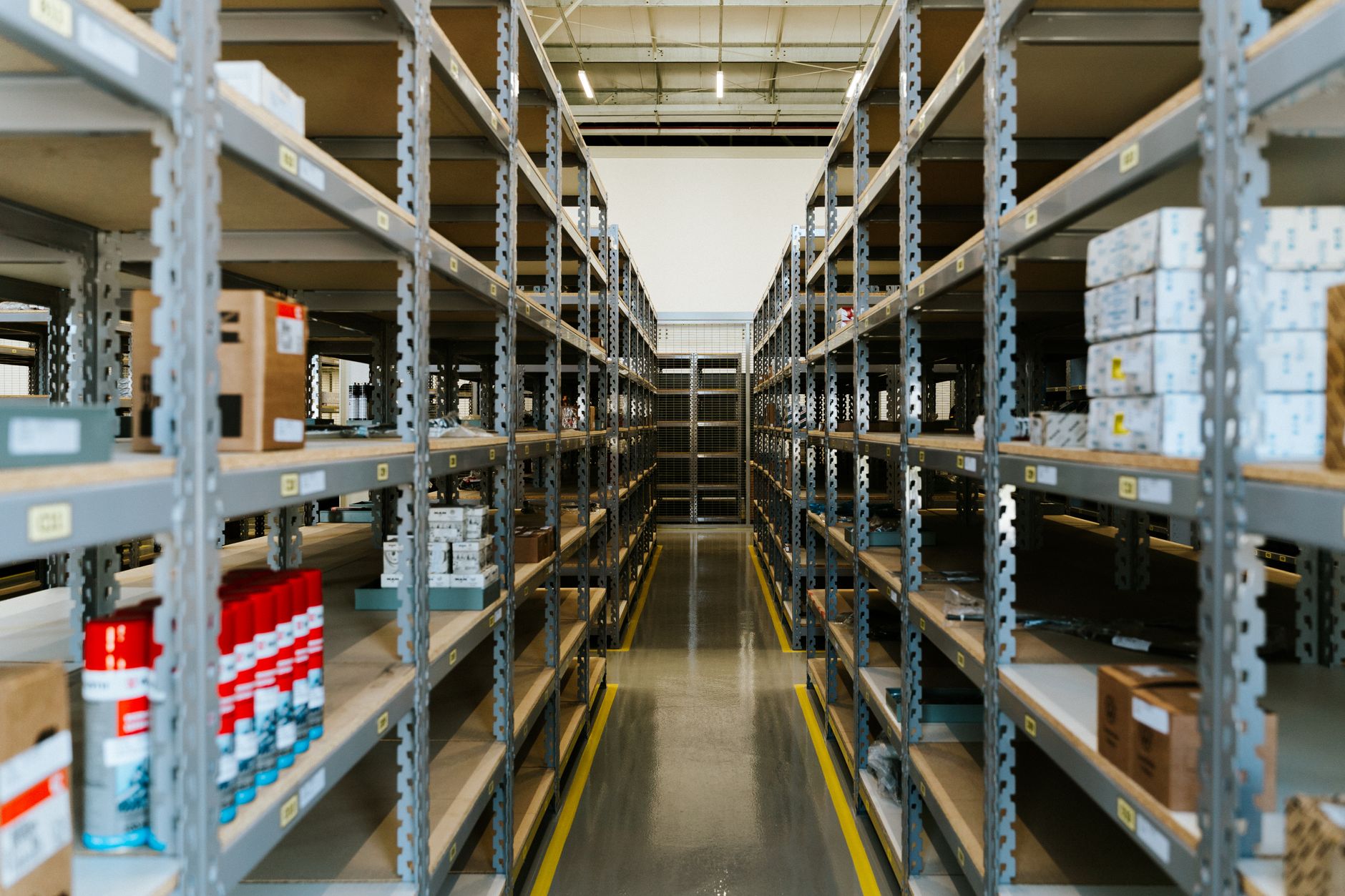
Very Narrow Aisle (VNA) warehousing refers to a high-density storage system designed to significantly maximize warehouse space by employing aisles typically between 1.6 to 2.5 meters (approximately 5.2 to 8.2 feet) wide. This approach allows for a much greater number of storage locations within a given facility footprint, making it particularly beneficial for operations with high-density inventory, such as retail distribution centers, e-commerce fulfillment centers, and manufacturing facilities requiring efficient storage of raw materials or finished goods. VNA systems inherently reduce the horizontal travel distance for material handling equipment, thereby increasing storage capacity by up to 50% compared to conventional wide-aisle configurations.
Central to VNA operations are specialized material handling equipment, primarily narrow aisle forklifts, often referred to as turret trucks or swing-reach trucks. These vehicles are designed to operate within the tight confines of VNA aisles, facilitating efficient putaway and retrieval operations. The integration of advanced warehouse management systems (WMS) is crucial for optimizing slotting, guiding operators, and managing inventory flow within VNA environments, further improving efficiency and reducing operational costs. Modern VNA setups often feature wire guidance or rail guidance systems to ensure precise equipment movement, minimizing damage and enhancing safety.
Etymology and Origins
The term "Very Narrow Aisle" (VNA) emerged descriptively as warehousing operations sought to maximize storage density in the mid-to-late 20th century. While there isn't a single documented origin for the exact phrase, its widespread use coincided with the development of specialized material handling equipment capable of operating in significantly narrower passageways than traditional forklifts. The concept itself is rooted in the continuous drive for efficient space utilization, particularly as land costs increased and the volume of goods requiring storage grew post-World War II. The term's linguistic roots are straightforward, directly describing the defining characteristic of these warehouse layouts. The first documented usage can be traced to the 1960s when the need for efficient storage solutions rose with burgeoning consumer demand. This evolution reflects ongoing advancements in logistics and warehousing practices, emphasizing the balance between operational efficiency and spatial optimization.
Historical Development
The evolution of VNA warehousing is closely tied to advancements in material handling technology and changing economic pressures on logistics.
Early Palletization and Wide Aisles (1940s-1950s)
Following World War II, the widespread adoption of palletization and standard forklifts revolutionized warehousing, enabling vertical storage. However, early warehouse designs typically featured wide aisles (often 10-12 feet or 3-3.6 meters) to accommodate these conventional counterbalanced trucks, leading to significant space dedicated to aisles rather than storage.
Rise of High-Density Storage (1960s-1970s)
As industrial land became more expensive and inventory volumes soared, the need for higher storage density intensified. This period saw the introduction of early narrow-aisle equipment, such as reach trucks and stand-up counterbalanced trucks, which could operate in aisles as narrow as 8-9 feet (2.4-2.7 meters). Companies like The Raymond Corporation and Crown Equipment played pioneering roles in developing these more compact lift trucks, allowing warehouses to maximize their storage potential while maintaining operational efficiency.
The VNA Revolution (1980s-1990s)
The true "Very Narrow Aisle" concept took shape with the introduction of specialized turret trucks (also known as swing-reach or side-loader trucks) and man-up order pickers. These machines, capable of handling pallets from either side without turning, reduced aisle widths to 5-8 feet (1.5-2.4 meters). This era also saw the development of guidance systems, including wire guidance and rail guidance, to ensure precise and safe operation within these extremely tight aisles. The integration of rudimentary warehouse management systems (WMS) began during this time, helping manage inventory locations and direct equipment movements more efficiently.
Automation and Optimization (2000s-Present)
Modern VNA systems have benefited immensely from technological advancements. The 21st century brought enhanced WMS capabilities, offering sophisticated slotting, task interleaving, and real-time inventory visibility. The application of visual warehouse layout tools and visual inventory management systems has further streamlined VNA design and operation, allowing for better efficiency in spaces constrained by land costs and consumer demand. Furthermore, the integration of automation, such as Automated Guided Vehicles (AGVs) and some Automated Storage and Retrieval Systems (AS/RS) that utilize VNA principles, represents the cutting edge in warehouse technology. These systems are often managed by advanced software that can optimize everything from bin putaway criteria to complex picking routes, pushing VNA efficiency to new heights for facilities handling diverse SKUs and high throughput.
Key Components of a VNA System
A VNA warehousing system is a highly integrated solution comprising several critical elements:
- VNA Racking: Typically high-bay, selective pallet racking designed to maximize vertical storage. The narrow aisles necessitate specific rack designs to accommodate the specialized handling equipment.
- Specialized Material Handling Equipment: The cornerstone of VNA. This includes:
- Turret Trucks (Swing-Reach Trucks): Often 'man-up' or 'man-down,' these trucks can rotate their forks 180 degrees, allowing access to both sides of an aisle without turning the entire truck. They are ideal for full-pallet storage and retrieval.
- Order Pickers: Man-up trucks designed specifically for piece or case picking at various heights within the VNA, enhancing order fulfillment efficiency.
- Guidance Systems: Essential for safe and efficient operation within narrow aisles.
- Wire Guidance: An electronic wire embedded in the floor guides the truck automatically, allowing operators to focus on picking or putaway tasks.
- Rail Guidance: Mechanical rails installed along the base of the racking guide the truck, preventing contact with the racking.
- High-Tolerance Flooring: VNA systems require extremely flat and level floors to ensure stability and precise operation of high-reach equipment, preventing sway and ensuring safety. Floor flatness is measured by specific industry standards (e.g., F-numbers in the US, DIN 15185 in Europe).
- Warehouse Management System (WMS): A sophisticated WMS is indispensable. It manages inventory locations, directs putaway and retrieval tasks, optimizes pick paths, and often interfaces directly with the guidance systems and equipment, enabling efficient batch picking and cycle counting processes.
Advantages of VNA Warehousing
VNA systems offer significant benefits, making them a preferred choice for many operations:
- Maximum Space Utilization: The primary advantage is the dramatic increase in storage capacity, often 25-50% more than wide-aisle layouts, by reducing non-storage aisle space. This can be crucial in areas with high land costs or where facility expansion is not feasible.
- High Storage Density: Allows for greater inventory volumes within the existing footprint, improving building utilization and reducing real estate costs.
- Improved Throughput: Specialized equipment and optimized WMS integration can lead to faster putaway and retrieval times per item, particularly for high-volume SKUs.
- Reduced Operational Costs (per unit stored): While initial investment is higher, the ability to store more goods per square foot can lower the overall cost of storage per unit over the long term.
- Enhanced Inventory Accuracy: The controlled environment and WMS-driven movements often lead to better inventory tracking and accuracy, which can be further improved with robust visual inventory management systems.
Disadvantages and Considerations
Despite their benefits, VNA systems come with specific challenges:
- High Initial Capital Investment: The specialized equipment, high-tolerance flooring, and advanced WMS represent a significant upfront cost compared to conventional setups.
- Less Operational Flexibility: Dedicated VNA equipment cannot typically be used in other areas of the warehouse (e.g., loading docks) due to their specialized design and guidance systems. This requires a separate fleet of general-purpose forklifts for other tasks.
- Specialized Training and Safety: Operators require extensive training for VNA equipment due to the precise movements and heights involved. Safety protocols are stringent due to the confined spaces.
- Floor Requirements: The absolute necessity for extremely flat and level floors can add considerable cost to construction or renovation projects. Poor floor conditions can lead to equipment damage, instability, and safety hazards.
- Limited Maneuverability: Equipment is often restricted to forward/backward movement within aisles, relying on turns only at aisle ends, which can impact workflow if not properly managed by the WMS.
- Maintenance: Specialized equipment often requires specific maintenance expertise and parts, which can be more costly and less readily available than for standard forklifts.
Best Practices for VNA Implementation
Implementing a VNA system requires meticulous planning and adherence to best practices:
- Detailed Feasibility Study: Analyze current and future storage needs, SKU velocity, order profiles, and desired throughput. Determine if the space savings justify the investment.
- Professional Floor Specification: Engage expert consultants for floor design and installation to meet stringent flatness and levelness standards. Regular floor maintenance is also critical.
- Integrated WMS Selection: Choose a robust WMS that can handle the complexities of VNA operations, including dynamic slotting, task interleaving, zone picking, and integration with guidance systems. SkuSavvy's mobile warehouse management system can offer features for optimized bin putaway and efficient pick path generation.
- Equipment Selection and Fleet Sizing: Carefully select the right type and number of VNA trucks based on height, weight capacity, and operational requirements. Consider 'man-up' vs. 'man-down' options based on picking tasks.
- Operator Training and Certification: Implement comprehensive training programs for operators covering equipment operation, safety protocols, and emergency procedures.
- Safety Protocols: Establish clear safety rules, including designated pedestrian zones, speed limits, and regular equipment inspections. Guidance systems are paramount for safety.
- Maintenance Schedule: Implement a rigorous preventative maintenance program for VNA equipment and guidance systems to ensure reliability and longevity.
- Layout Optimization with Tools: Utilize tools like SkuSavvy's warehouse layout preview to model and optimize the VNA configuration, ensuring efficient flow and maximum capacity before physical implementation.
Case Study: E-commerce Distribution Center
A large e-commerce retailer faced increasing pressure to fulfill a rapidly growing volume of diverse SKUs. Their existing wide-aisle warehouse was nearing capacity, and expanding their physical footprint was not an option due to high urban real estate costs. They opted to convert a significant portion of their facility to a VNA system. By narrowing aisles from 10 feet to 6 feet and increasing rack height, they achieved a 35% increase in storage capacity without expanding their building.
They invested in wire-guided man-up turret trucks and integrated these with an advanced warehouse management system (WMS). The WMS dynamically assigned putaway and picking tasks, optimized travel paths, and facilitated accurate cycle counting. While the initial investment was substantial, the increased storage density and improved picker productivity led to a return on investment within three years, significantly enhancing their ability to meet growing customer demands and reducing their overall cost per order processed.
Conclusion
Very Narrow Aisle warehousing represents a sophisticated solution for maximizing storage density and operational efficiency in high-volume logistics environments. While requiring significant upfront investment and careful planning, the long-term benefits in space utilization, throughput, and inventory control can provide a substantial competitive advantage. As supply chains become more complex and real estate costs continue to climb, VNA systems, especially when integrated with powerful visual inventory management systems and advanced automation, will remain a critical strategy for modern warehousing. Implementing SkuSavvy's visual inventory management system alongside a well-designed VNA setup can help businesses achieve optimal storage, retrieval, and overall operational excellence.