Vendor Strategy in Logistics
An in-depth exploration of vendor strategy, focusing on its importance, historical context, core concepts, and best practices in logistics.
Updated
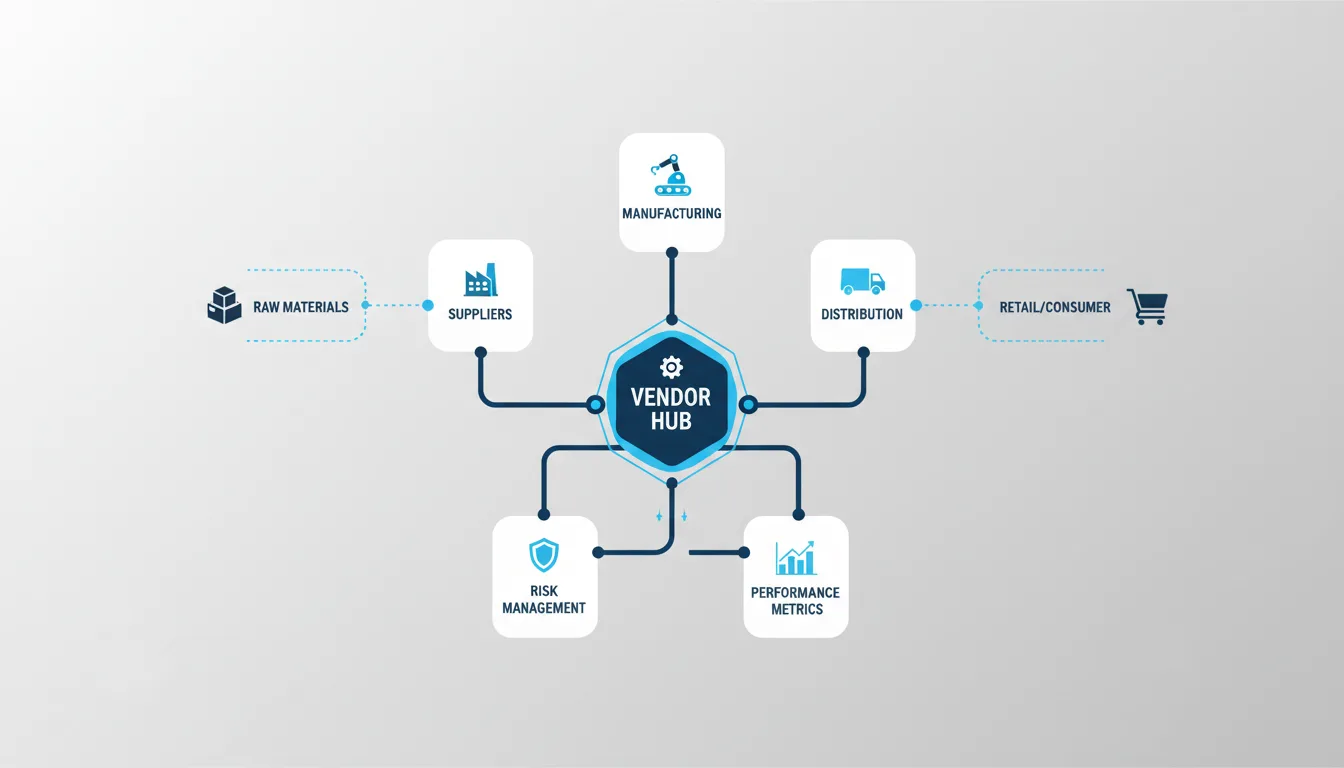
Vendor Strategy in Logistics
Overview
Vendor strategy in logistics refers to the systematic approach that businesses implement to manage relationships with suppliers effectively. This strategy encompasses selecting, engaging, and evaluating vendors to optimize cost efficiency, quality assurance, and timely delivery. The importance of having a sound vendor strategy lies in its impact on operational efficiency, product quality, and ultimately, customer satisfaction in the supply chain.
Etymology and Origins
The term "vendor" originates from the Latin word "vendere," meaning "to sell." The first documented usage of the term can be traced back to the 15th century when it began to represent individuals or businesses that sell goods or services. As supply chains became more complex through the ages, particularly during the Industrial Revolution (late 18th to early 19th century), the concept of vendor management evolved. By the mid-20th century, businesses started recognizing the strategic importance of vendor relationships in their operations, especially in light of globalization and increased competition.
Historical Development
The concept of vendor management began gaining traction post-World War II as global trade expanded. Key milestones in its evolution include:
- 1950s: Toyota's introduction of lean manufacturing principles emphasized efficient vendor collaboration to reduce waste and fuel efficiency.
- 1960s: The development of Just-In-Time (JIT) inventory systems, which required close relationships with reliable vendors.
- 1990s: The emergence of ERP (Enterprise Resource Planning) systems revolutionized vendor management by integrating vendor information and procurement processes.
- 2000s: The adoption of technologies like RFID improved vendor tracking and inventory management, leading to more streamlined operations.
- 2010s onward: The rise of artificial intelligence (AI) and advanced analytics brought forth predictive vendor performance metrics, enhancing decision-making.
Key pioneers in the field of vendor management include companies like IBM, which developed Materials Requirements Planning (MRP) systems, and Toyota, known for its lean methodology and focus on supplier relationships. Literature such as "The Toyota Way" by Jeffrey Liker helped solidify these concepts in the industry.
Key Figures and Milestones
- 1950: Toyota's introduction of lean manufacturing principles that emphasized efficient vendor collaboration.
- 1960-70s: The rise of JIT systems that dramatically altered vendor relationships and inventory strategies in manufacturing.
- 1990s: Emergence of ERP systems that revolutionized how vendors were tracked and managed through automation and integration.
- 2000s: The incorporation of advanced technologies like RFID for improved vendor tracking and inventory management.
Core Concepts
Vendor strategy is anchored in principles such as supplier selection, procurement strategies, negotiation techniques, and performance evaluation. Establishing a robust vendor selection process is crucial, often involving criteria like price, quality, reliability, and capacity to fulfill orders. According to Harvard Business Review, companies that prioritize strategic vendor relationships are better positioned in competitive markets.
Key Elements of Vendor Management
- Supplier Relationship Management: Building long-term relationships to ensure smooth operations and mutual benefit.
- Performance Measurement: Utilizing KPIs such as delivery times and defect rates for evaluation and accountability.
- Negotiation Skills: Crucial for securing favorable terms and sustaining partnerships, leveraging data-driven insights from analytics.
Benefits and Advantages
Implementing an effective vendor strategy yields several benefits:
- Cost Reduction: Efficient vendor management can lower procurement costs significantly through optimized negotiations and supplier selection.
- Quality Improvement: Access to high-quality materials and services enhances overall product quality, leading to improved customer satisfaction.
- Risk Mitigation: Diversifying the vendor base reduces dependency on single suppliers, minimizing risks in case of disruptions and logistical challenges.
Challenges and Limitations
Despite its advantages, vendor strategy comes with challenges, including:
- Vendor Reliability: Unreliable vendors can lead to operational disruptions and increased costs.
- Complex Negotiations: Negotiating terms can require significant time and expertise, especially in volatile markets.
- Market Volatility: Fluctuations in supply and demand can complicate vendor relationships and complicate long-term planning.
Best Practices
- Regular Review and Assessment: Continuously evaluate vendor performance through metrics and audits to ensure alignment with business objectives.
- Communication: Foster transparent communication channels to discuss expectations and concerns, thereby strengthening partnerships.
- Invest in Technology: Utilize systems like Purchase Order Management for better tracking and operational efficiency, ensuring timely communication and order accuracy.
Technology and Tools
Modern vendor strategies leverage technology for efficiency and accuracy. Tools such as supplier portals streamline interactions, while software solutions provide analytics for decision-making. A well-implemented Order Management System can assist in managing vendor orders effectively and improving operational performance. According to a report by Gartner, utilizing technology in vendor management leads to a 30% increase in speed and responsiveness.
Future Trends
As the logistics landscape evolves, so will vendor strategies. Key trends include:
- Increased Automation: Automation tools will simplify vendor communications and procurement processes, enhancing efficiency.
- Data Analytics: The growing use of analytics for assessing supplier performance and risk assessment is becoming standard in strategic decision-making.
- Sustainability Focus: More companies are expected to prioritize working with sustainable vendors in their strategies.
Conclusion
An effective vendor strategy is critical for successful logistics and supply chain management. By fostering strong relationships with suppliers, businesses can enhance their operational efficiency, reduce risks, and ensure that high-quality products reach customers timely. As the industry continues to evolve, embracing strategic vendor management practices will be vital to staying competitive and responsive to market demands.