Utilizing Compliance Software in Logistics
Explore the essential role of compliance software in logistics, its benefits, historical development, and best practices for utilization.
Updated
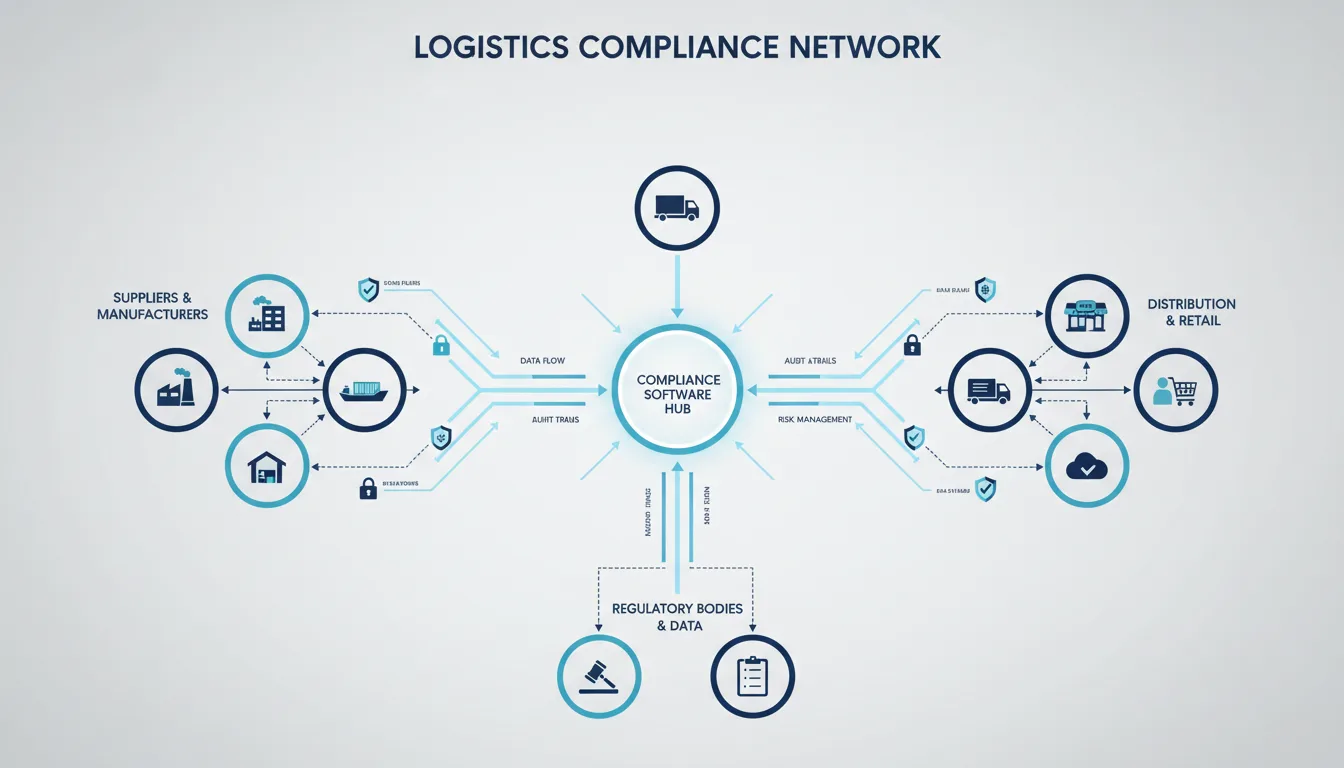
Utilizing Compliance Software in Logistics
Overview
Compliance software refers to tools that ensure logistics operations adhere to regulatory and legal standards. In the logistics industry, such software is crucial for maintaining adherence to rules related to transportation, safety, and environmental impact, thereby mitigating risks and enhancing operational efficiency. The importance of compliance software is underscored by the increasing regulatory landscape and the potential penalties for non-compliance, which can significantly impact business operations and reputation.
Etymology and Origins
The term "compliance" derives from the Latin compliantem, which means "to fulfill a desired action" or "to follow." The rise of software tools specifically targeted towards compliance in logistics can be traced back to the late 20th century, when globalization and increasing complexity in supply chains necessitated a structured approach to meeting regulatory demands. The first documented usage of compliance software in logistics contexts began to appear in the early 2000s as businesses faced stricter rules, particularly concerning transportation safety and labor laws. As globalization progressed, companies began to realize the need for dedicated tools that could help them keep track of varied regulations across different jurisdictions, thus leading to the evolution of specialized compliance software for logistics operations. 1
Historical Development
The evolution of compliance software in logistics has been marked by several key milestones:
- 2000s: As supply chains became more global, companies like FedEx and UPS started integrating compliance checks into their logistics management systems to address international regulations regarding customs and trade.
- 2005: The introduction of the International Maritime Organization's (IMO) regulations required shipping companies to adopt compliance measures for environmental safety, leading to the development of specialized compliance software packages. Key software solutions began to include elements specifically designed for regulatory adherence, often functioning alongside existing warehouse management systems (WMS).
- 2010s: The advent of cloud computing facilitated the emergence of versatile compliance software, enabling real-time updates and access to regulations across various jurisdictions. Solutions such as the Mobile Warehouse Management System began integrating compliance features to ensure that on-the-go logistics operations adhered to necessary regulations.
- 2020: The COVID-19 pandemic heightened the need for compliance regarding health safety, leading to innovations in compliance tracking software that addressed new safety protocols. The increase in remote work prompted additional compliance tools that could manage a distributed workforce efficiently.
Core Concepts
Compliance software in logistics typically includes features for regulatory tracking, documentation management, and incident reporting. Key functions may encompass:
- Automated Reporting: Automating the generation of compliance reports based on real-time data from logistics activities. This can significantly reduce administrative burdens and improve accuracy in compliance documentation.
- Regulatory Alerts: Systems that alert businesses to changes in legislation that could impact their operations, ensuring they remain compliant with the latest requirements. These alerts play a pivotal role in timely adaptations to evolving laws.
- Documentation Management: Tools for streamlining the management of necessary compliance documents, such as licenses and certifications, and ensuring they are updated. This aspect was particularly important during the pandemic when frequently changing regulations demanded quick adaptation.
Industry Applications
Compliance software is employed across various sectors within logistics, including:
- Transportation: Ensures adherence to transportation regulations and safety protocols. For example, tracking hours of service compliance for truck drivers.
- Customs Compliance: Assists companies in navigating complex customs regulations affecting international shipments. Systems can automatically verify that necessary tariffs and duties are accounted for, minimizing the risk of delays.
- Health and Safety Compliance: Manages requirements related to workforce safety and health regulations that emerged significantly during the pandemic, such as social distancing protocols and PPE requirements.
Benefits and Advantages
Utilizing compliance software provides several advantages:
- Risk Mitigation: By ensuring all operations adhere to regulations, businesses can avoid legal penalties and financial losses associated with non-compliance. Research shows that companies using compliance software can reduce their risk of non-compliance costs by up to 30% 2.
- Enhanced Transparency: Compliance tracking enhances the visibility of logistics operations, reducing the potential for errors. A transparent system allows all stakeholders to share compliance status easily.
- Cost Savings: By streamlining compliance processes, companies can reduce the costs associated with manual compliance checks and reporting, translating into significant operational efficiencies.
Challenges and Limitations
Despite its benefits, compliance software also faces challenges:
- Adoption Resistance: Employees may resist transitioning to new systems, particularly if they are accustomed to legacy processes. Implementing change management strategies can ease this transition.
- Integration Complexities: Ensuring seamless integration of compliance software with existing logistics management systems can be technically challenging.
- Evolving Regulations: Keeping compliance software updated in line with rapidly evolving regulations can be resource-intensive, requiring ongoing investment in technology and training.
Best Practices
To effectively utilize compliance software, companies should consider:
- Regular Training: Conducting training sessions to familiarize staff with compliance software and its functionalities ensures proper utilization. Industry leaders recommend making training continuous rather than one-off events to keep staff updated.
- Routine Audits: Regularly auditing compliance processes and the software itself can help identify areas for improvement. Automating audit procedures can streamline this practice.
- Selecting Scalable Solutions: Choosing compliance software that can grow with the business helps in adapting to future regulatory changes. Companies should assess their current and future needs before investment.
Technology and Tools
Modern compliance software incorporates advanced technology including:
- Artificial Intelligence (AI): AI algorithms that analyze vast amounts of regulatory data to predict compliance risks. This predictive capability allows organizations to be proactive rather than reactive.
- Blockchain: Leveraging blockchain technology to improve transparency in supply chain operations and enhance traceability of compliance documentation. Blockchain provides a tamper-proof record of compliance activities.
- Mobile Solutions: Tools like the Mobile Warehouse Management System provide on-the-go access to compliance data for logistics managers, facilitating real-time decision-making.
Future Trends
The logistics sector must be prepared for continued evolution in compliance software, including the integration of:
- Real-time Data Analytics: Enhanced analytics capabilities that provide proactive insights into compliance risks. Future systems will increasingly use data visualization to aid in compliance tracking.
- User-Friendly Interfaces: Future applications are likely to focus on usability to facilitate easier adoption among users. Emphasis on intuitive design can help drive adoption.
- Increased Automation: Continued shifts towards automated processes in compliance verification will become increasingly prevalent as businesses strive for efficiency.
Conclusion
As regulatory pressures increase and logistics operations become more complex, the importance of compliance software in logistics cannot be overstated. Adoption of advanced compliance solutions can provide significant advantages for organizations, helping them navigate the multifaceted regulatory landscape effectively.
All Sources (3 total): [1] Understanding Compliance Software - https://www.accenture.com/us-en/insights/consulting/understanding-compliance-software [2] The Impact of Compliance Management on Risk Management - https://www.researchgate.net/publication/344720778_The_impact_of_compliance_management_on_risk_management