Transportation Optimization
An in-depth exploration on transportation optimization, its practices, benefits, challenges, and the role of technology in logistics.
Updated
Transportation Optimization
Overview
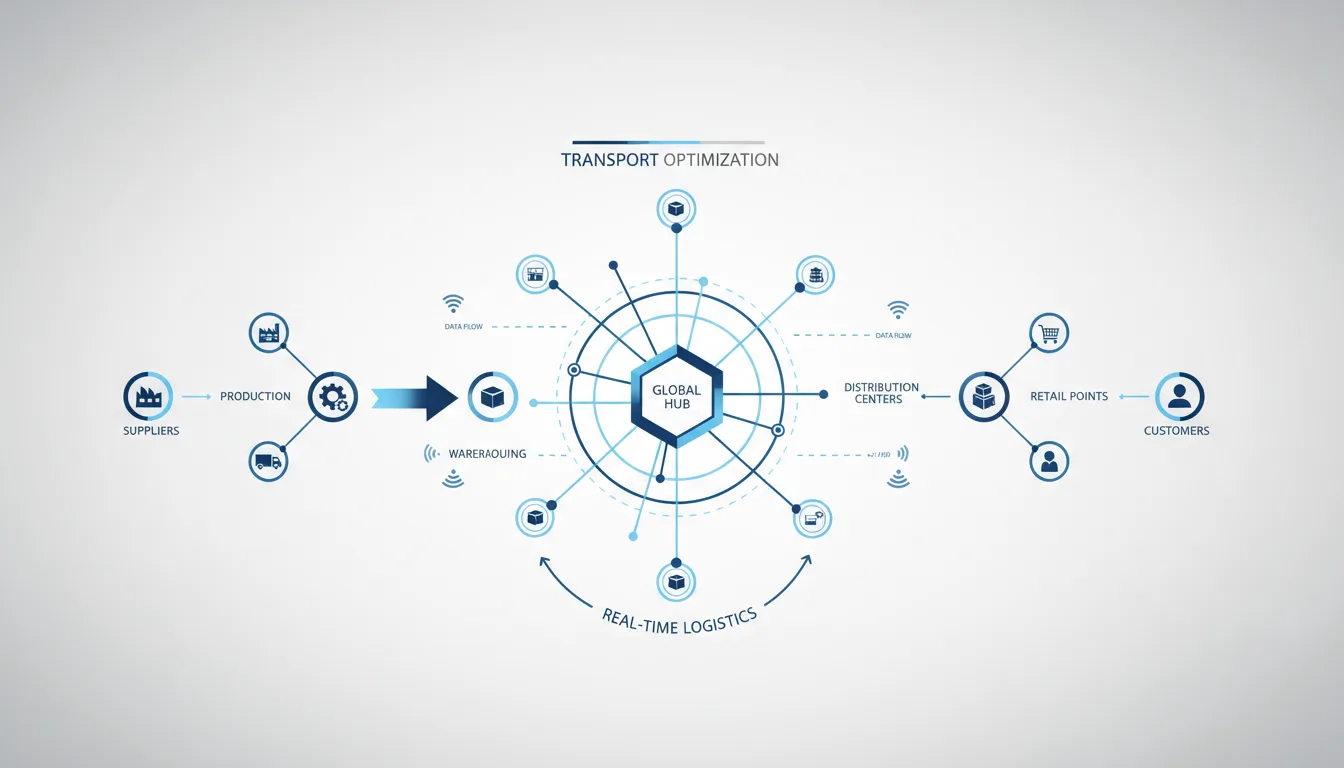
Transportation optimization is the systematic approach to improving the efficiency and effectiveness of freight movement across a supply chain. With a focus on reducing costs, enhancing service quality, and minimizing environmental impact, organizations aim to streamline various logistical operations. This practice plays a crucial role in overall supply chain management, often leading to improved operational efficiencies and customer satisfaction.
Etymology and Origins
The term "transportation optimization" has its roots in transportation logistics and supply chain management. The first documented usage of optimization in logistics can be traced back to the early 20th century when operations research began to evolve as a discipline in addressing logistical challenges. The linguistic roots of "optimization" stem from the Latin word "optimus," meaning best, which reflects the goal of achieving the most efficient transport solutions possible. The evolution of the term can be seen as a response to the growing complexity of transportation networks, particularly following the industrial revolution, which necessitated more sophisticated methods for logistics management (Wikipedia on Operations Research).
Historical Development
Early Developments
Transportation optimization began to take shape in the 1960s, driven by the growth of computer technology and operations research. Key figures such as George Dantzig, who developed the simplex algorithm in 1947, were instrumental in laying the groundwork for optimization methods. The publication of "Linear Programming and Extensions" in 1958 further established the foundational concepts of logistics optimization that would dominate the field.
Key Milestones
- 1960s: Emergence of linear programming and its applications in optimizing transport networks, widely adopted in the U.S. military logistics.
- 1970s: Development of simulation models that allowed for assessing transportation scenarios, which significantly improved decision-making tools for logistics management.
- 1980s: Introduction of geographic information systems (GIS), which transformed route planning and logistics management through better spatial analysis.
- 1990s: The advent of advanced planning systems (APS), integrating enterprise resource planning (ERP) with logistics, exemplified by companies like SAP.
- 2000s and Beyond: Rapid advancements in technology, including the widespread use of artificial intelligence and machine learning algorithms, greatly enhance optimization capabilities, allowing for real-time data processing and analysis.
Core Concepts
Transportation optimization involves several key components:
- Route Optimization: Selecting the most efficient routes to reduce travel time and fuel consumption.
- Load Optimization: Ensuring maximum load capacity utilization to decrease shipping costs per unit (WMS Overview).
- Mode Optimization: Choosing the most appropriate transportation modes (e.g., truck, rail, air) based on cost, speed, and service requirements.
- Demand Forecasting: Utilizing predictive analytics to anticipate fluctuations in demand and adapt logistical strategies accordingly.
Types and Classifications
Transportation optimization can be classified into various types:
- Static Optimization: Involves predefined parameters such as distance, capacity, and time without considering real-time data.
- Dynamic Optimization: Uses real-time data to adapt routes and loads based on current conditions, enhancing flexibility and response to changing demands.
- Multi-Objective Optimization: Balances several factors such as cost, service level, and environmental impact simultaneously.
Industry Applications
Transportation optimization is applied across multiple industries:
- Retail: Companies optimize their distribution networks to ensure timely deliveries, often using shipping and fulfillment software to manage logistics efficiently. For example, Amazon employs sophisticated algorithms to minimize shipping times while managing costs effectively (Amazon Logistics).
- Manufacturing: Manufacturers optimize inbound logistics for raw material transport to cut costs and improve production schedules, as seen in the automotive industry where just-in-time (JIT) practices are prevalent.
- Healthcare: Medical supply chains utilize optimization to ensure critical supplies arrive at hospitals when needed, especially highlighted during the COVID-19 pandemic, where logistics played a vital role in supply management (CDC Logistics during COVID-19).
Benefits and Advantages
The advantages of transportation optimization include:
- Cost Reduction: By minimizing fuel consumption and maximizing load efficiency, organizations can significantly reduce transportation costs. A study by the Council of Supply Chain Management Professionals highlighted potential savings of 15% to 25%.
- Enhanced Service Levels: Improved accuracy in delivery timings helps in better customer satisfaction and loyalty. For instance, retailers adopting advanced forecasting have reported improvements in on-time delivery metrics.
- Environmental Impact: Less fuel usage translates to lower emissions, aligning with sustainability goals.
Challenges and Limitations
Despite its advantages, transportation optimization faces several challenges:
- Data Quality: Accurate optimization relies heavily on high-quality data, which can be difficult to obtain and maintain. A report by the Institute for Supply Management emphasizes the importance of data integrity in achieving successful logistics outcomes.
- Technology Integration: Implementing advanced optimization technologies requires organizational buy-in and a skilled workforce, as evidenced by numerous case studies showing resistance among staff to adopt new systems.
- Cost of Implementation: Initial setup costs for sophisticated optimization tools can be significant, acting as a barrier for smaller companies.
Best Practices
Organizations looking to implement transportation optimization should consider the following best practices:
- Invest in Technology: Leverage Mobility Warehouse Management Systems and data analytics tools to monitor and adjust logistical operations in real time.
- Continuous Improvement: Regularly evaluate transportation strategies and adapt them to changing market demands, utilizing insights from freight audits and performance metrics.
- Collaboration: Foster collaboration between stakeholders in the supply chain to enhance data sharing and resource utilization, illustrated by successful partnerships between suppliers and retailers, such as Unilever and Walmart.
Future Trends
The future of transportation optimization will likely focus on:
- Artificial Intelligence: Continued integration of AI for predictive analytics and real-time decision-making, as seen with companies like Uber Freight revolutionizing load matching.
- Sustainability Solutions: Increasing emphasis on reducing carbon footprints in transportation logistics, with firms adopting electric vehicles and alternative energy sources.
- Blockchain Technology: The role of blockchain in improving transparency and trust in supply chain operations is gaining traction, potentially revolutionizing contract execution and audits.
Related Concepts
Transportation optimization is closely related to various logistics concepts, including supply chain management, inventory management, and order fulfillment. The integration of these areas leads to a highly efficient logistics network that responds quickly to market demands.
Conclusion
Transportation optimization is a vital component of modern logistics management. By understanding its principles, historical developments, and applications, organizations can enhance operational efficiency, reduce costs, and improve service levels in an increasingly competitive marketplace.