Transportation Management
An in-depth exploration of transportation management, including its history, core concepts, benefits, and modern technologies in logistics.
Updated
Overview
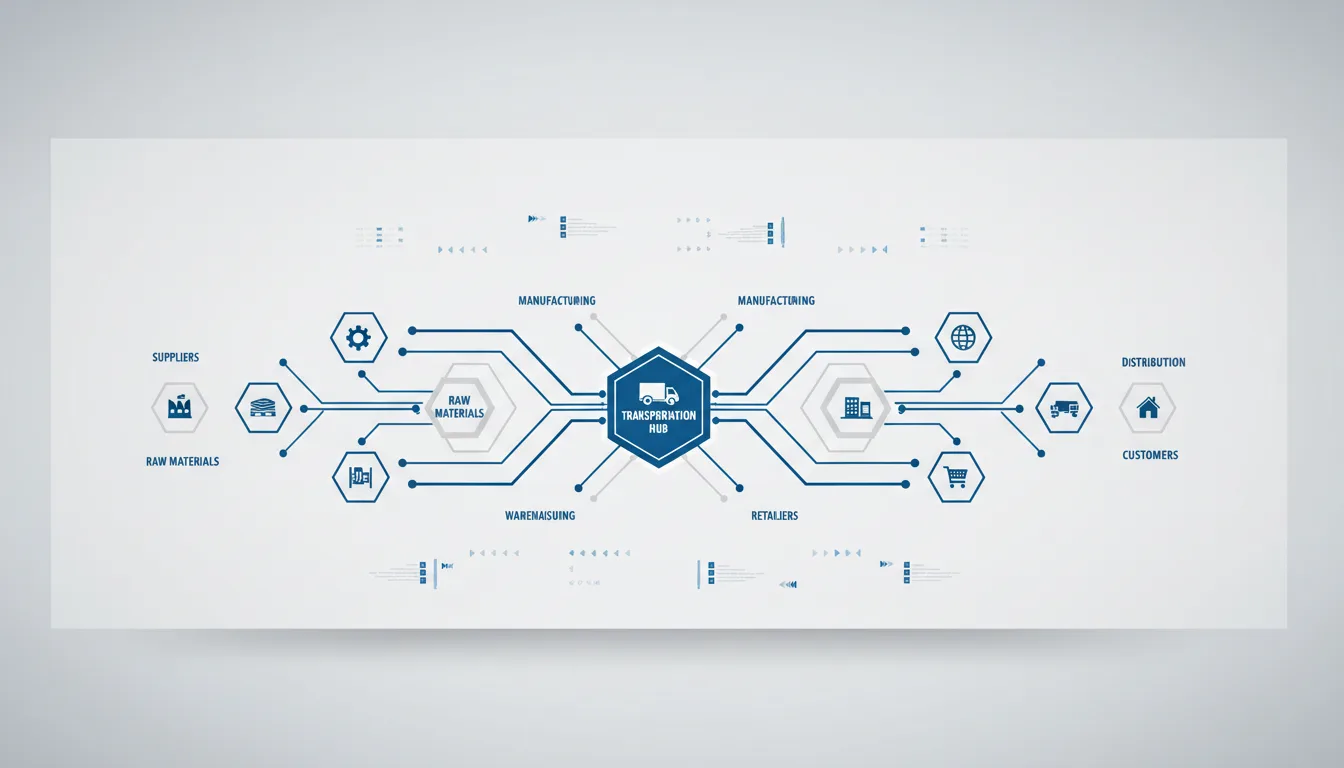
Transportation Management refers to the strategic process of planning, executing, and optimizing the efficient and effective movement of goods, materials, and information from their point of origin to their point of consumption. It encompasses a wide array of activities including the selection of transportation modes, route planning, carrier management, freight cost negotiation, fleet management, and ensuring strict compliance with domestic and international regulations. The critical role of effective transportation management in modern logistics cannot be overstated, as it directly impacts supply chain resilience, delivery speed, customer satisfaction, and overall operational efficiency and profitability.
Etymology and Origins
The term "transportation management" is a compound phrase, rooted in ancient linguistic origins and evolving through modern industrial practice. "Transportation" derives from the Latin verb transportare, meaning "to carry across" or "to convey." "Management" traces its roots to the Latin manu agere, signifying "to lead by hand" or "to handle." While the act of managing transportation has existed since ancient trade routes, the formal concept and systematic discipline of "transportation management" as a distinct field within business and logistics began to solidify during the late 19th and early 20th centuries. This period saw the rise of complex industrial operations, vast railway networks, and eventually, the motor car, which necessitated more sophisticated coordination than ever before [5]. Early discussions around optimizing freight movement and supply chain coordination, particularly in response to the growing scale of national and international commerce, laid the groundwork for the modern discipline.
Historical Development
The evolution of transportation management mirrors the advancements in industrialization, technology, and global trade:
- Pre-19th Century: Transportation primarily relied on rudimentary methods such as pack animals, waterways (rivers, canals), and early sailing vessels. Logistics were localized and often decentralized, with limited management complexity [6].
- 19th Century - Age of Railroads: The advent and expansion of railroads revolutionized freight movement, enabling faster and higher-volume transport over land. This period saw the emergence of rudimentary scheduling and network planning, as companies began to manage goods across vast distances more systematically.
- Early 20th Century - Motor Vehicles and Mass Production: The widespread adoption of motor trucks after World War I, combined with mass production techniques pioneered by figures like Henry Ford, dramatically increased flexibility and speed in local and regional distribution [7]. This era also saw the beginning of standardized freight classifications and tariffs.
- Mid-20th Century - Containerization and Globalization (1950s-1970s): A pivotal innovation was the introduction of intermodal shipping containers by Malcolm McLean in the mid-1950s. This standardized unit load concept significantly reduced cargo handling time, minimized damage, and facilitated seamless transfers between ships, trains, and trucks, directly contributing to the globalization of supply chains [8]. Around the same time, the Just-in-Time (JIT) manufacturing philosophy, championed by Toyota, began to emphasize efficient, synchronized material flow, further highlighting the importance of precise transportation scheduling and management.
- Late 20th Century - Computerization and TMS (1980s-1990s): The rise of personal computers and enterprise software led to the development of Material Requirements Planning (MRP) and later Enterprise Resource Planning (ERP) systems. Within this context, dedicated Transportation Management Systems (TMS) emerged, automating processes like load tendering, routing, and freight payment. This era marked a shift from manual, paper-based operations to more efficient, computerized management of shipping processes [9].
- 21st Century - Digitalization, AI, and Sustainability (2000s-Present): Technological advancements have accelerated, integrating Artificial Intelligence (AI) and Machine Learning (ML) for predictive analytics, dynamic pricing, and real-time route optimization. The Internet of Things (IoT) enables granular visibility into shipments. Blockchain technology is explored for enhanced supply chain transparency and security. There's also a growing emphasis on sustainability in transportation, driving demand for greener logistics solutions and optimized resource utilization [10].
Key companies such as FedEx and UPS played significant roles in shaping modern parcel and express transportation practices, investing heavily in hub-and-spoke networks and advanced tracking technologies. Numerous publications, including The Handbook of Logistics and Distribution Management by Alan Rushton, Phil Croucher, and Peter Baker, have also contributed foundational knowledge to the field [5].
Core Concepts
The core of effective transportation management involves several technical and strategic elements:
- Route Optimization: Utilizing algorithms and real-time data to select the most efficient routes that minimize transit times, fuel consumption, and operational costs while considering traffic, weather, and delivery windows. This can lead to improved warehouse efficiency by coordinating inbound and outbound flows.
- Mode and Carrier Selection: Evaluating and choosing the most appropriate transportation mode (e.g., road, rail, air, sea, pipeline) and specific carriers based on factors like cost, transit time, reliability, capacity, service quality, and the specific characteristics of the goods being shipped. This often involves leveraging automated rate selection within TMS.
- Freight Management: Encompassing activities like freight auditing, payment, claims management, and load consolidation to balance cost efficiency with service quality. This also includes negotiating contracts and managing relationships with a portfolio of carriers.
- Regulatory Compliance: Ensuring all transportation practices comply with a complex web of local, national, and international regulations. This includes safety standards (e.g., DOT, OSHA), environmental regulations, customs procedures, and adherence to trade terms like Incoterms for international shipments [11].
- Fleet Management: For companies operating their own vehicles, this involves managing vehicle acquisition, maintenance, fuel efficiency, driver scheduling, and ensuring fleet readiness.
- Network Design: Strategically planning the location of distribution centers, cross-docks, and transportation hubs to optimize the flow of goods across the entire supply chain.
Large organizations typically utilize transportation management systems (TMS) to automate these processes, streamlining workflows, enhancing visibility, and providing data-driven decision support.
Industry Applications
Transportation management is an indispensable function across virtually all industries:
- Retail: Essential for ensuring timely replenishment of store shelves and rapid fulfillment of e-commerce orders. Advanced shipping algorithms are crucial for managing peak seasons and last-mile delivery challenges.
- E-commerce: Direct-to-consumer businesses rely heavily on sophisticated TMS to manage diverse shipping options, track packages in real-time, and meet demanding customer delivery expectations. Solutions like SkuSavvy's Shopify WMS assist with optimized fulfillment.
- Manufacturing: Coordinating the just-in-time delivery of raw materials to production lines and the efficient distribution of finished goods to customers or distribution centers, optimizing production schedules and reducing inventory holding costs.
- Automotive: Managing complex global supply chains for parts and components, often requiring highly synchronized deliveries to assembly plants, sometimes across multiple continents.
- Pharmaceutical & Healthcare: Ensuring the secure and temperature-controlled transport of sensitive medicines and medical devices, often requiring specialized cold chain logistics and strict regulatory adherence.
- Humanitarian Logistics: Crucial for the rapid deployment of aid and supplies to disaster-stricken areas, where efficiency, speed, and adaptability are paramount despite challenging conditions.
For instance, Amazon utilizes a highly sophisticated and vertically integrated TMS technology combined with a vast logistics network to manage billions of shipments annually, ensuring customers receive their orders swiftly and efficiently.
Benefits and Advantages
Effective transportation management delivers significant competitive advantages:
- Cost Savings: By optimizing routes, consolidating loads, negotiating favorable carrier rates, and reducing fuel consumption, businesses can achieve substantial reductions in their overall transportation expenditures, often by 10-20% or more.
- Improved Customer Satisfaction: Timely, accurate, and reliable deliveries enhance the overall customer experience, building loyalty and positive brand perception. Real-time tracking and transparent communication are key components.
- Increased Supply Chain Visibility: Modern TMS and related technologies provide end-to-end visibility into shipment status, inventory in transit, and potential disruptions. This allows for proactive problem-solving and better decision-making [12].
- Enhanced Operational Efficiency: Automating routine tasks, streamlining communication with carriers, and optimizing resource allocation reduces manual effort and increases productivity across the logistics function.
- Risk Mitigation: Better planning and real-time monitoring help mitigate risks associated with delays, damages, theft, and non-compliance, contributing to a more resilient supply chain.
- Sustainability Improvements: Route optimization, consolidation, and modal shifts can reduce carbon emissions and environmental impact, aligning with corporate social responsibility goals.
Companies that invest in advanced logistics software often report improved operational efficiencies, lower overhead costs, and increased customer retention.
Challenges and Limitations
While integral, transportation management faces persistent and evolving challenges:
- Rising and Volatile Fuel Costs: Fluctuating oil prices directly impact transportation budgets and profitability, requiring dynamic fuel surcharge management and route planning.
- Regulatory Complexity and Changes: Keeping up with a constantly evolving landscape of domestic and international regulations (e.g., Hours of Service, customs duties, environmental standards) can be burdensome and introduce compliance risks.
- Driver Shortages: A persistent global shortage of qualified truck drivers strains capacity, drives up labor costs, and can lead to delivery delays [13].
- Infrastructure Limitations: Congested roads, outdated port facilities, and inadequate intermodal connections can impede efficient movement and increase transit times.
- Technology Integration: Merging new TMS, IoT devices, and other advanced software with existing legacy systems can be complex, time-consuming, and resource-intensive, requiring careful planning and change management.
- Data Security and Cybersecurity: As transportation systems become more digitized and interconnected, they become vulnerable to cyber threats, necessitating robust security protocols.
- Sustainability Pressures: Growing stakeholder demand for greener logistics requires investments in electric vehicles, alternative fuels, and carbon footprint reduction strategies.
By employing comprehensive training, leveraging robust order management systems, and investing in integrated technologies, companies can effectively address these challenges.
Technology and Tools
Modern transportation management is heavily reliant on advanced technology:
- Transportation Management Systems (TMS): The core software suite that automates and optimizes the planning, execution, and tracking of freight movement. Features include load planning, freight tendering, rate shopping, visibility, and freight payment. For seamless warehouse operations, integration with a mobile warehouse management system is crucial.
- Fleet Management Software: Monitors vehicle locations, performance, maintenance schedules, and driver behavior to ensure efficient operations, compliance, and safety for proprietary fleets.
- Data Analytics and Business Intelligence Tools: Utilize big data to analyze historical shipment patterns, forecast demand, identify inefficiencies, and optimize logistics networks and pricing strategies.
- Internet of Things (IoT): Sensors and tracking devices on vehicles, containers, and even individual pallets provide real-time data on location, temperature, humidity, and other critical parameters, enhancing visibility and security.
- Artificial Intelligence (AI) & Machine Learning (ML): Used for predictive maintenance, dynamic routing, demand forecasting, automated decision-making in carrier selection, and anomaly detection.
- Robotics and Automation: While primarily in warehouses, automation (e.g., autonomous forklifts, AGVs) at loading docks can impact the speed and efficiency of goods handover to transportation.
- Blockchain Technology: Explored for creating immutable, transparent records of transactions and movements across the supply chain, enhancing trust and traceability.
These technologies not only streamline transportation processes but also enable data-driven decisions that significantly improve efficiency, reduce costs, and enhance service levels.
Related Concepts
Transportation management is inextricably linked with several key concepts in broader logistics and supply chain management:
- Supply Chain Management (SCM): Transportation is a crucial component of SCM, overseeing the physical flow of goods across the entire value chain from suppliers to final customers. An optimized transportation strategy is fundamental to an efficient supply chain.
- Warehouse Management (WMS): Effective transportation relies on efficient warehouse operations for timely loading and unloading. Concepts like cross-docking directly bridge warehouse and transportation efficiency by minimizing storage time.
- Order Fulfillment: Transportation is the final critical stage of order fulfillment, ensuring that products stored and picked (pick-pack-ship software) are delivered accurately and on time to the customer.
- Last-Mile Delivery: A specialized and often most expensive segment of transportation, focusing on the movement of goods from a distribution hub to the final delivery destination, especially critical in e-commerce.
- Customs Brokerage: For international shipments, customs brokers manage the complex process of clearing goods through customs, ensuring compliance with trade regulations and duties.
- Reverse Logistics: The process of managing the return of goods from customers to manufacturers or retailers, which also requires efficient transportation planning.
A seamless interplay between transportation management and these elements ensures an optimized and responsive supply chain.
Conclusion
Transportation management is a vital, dynamic, and strategic aspect of logistics, directly influencing operational efficiency, cost-effectiveness, and ultimate customer satisfaction. As global supply chains grow in complexity and customer expectations for speed and transparency increase, organizations must continue to adopt innovative tools and practices. By embracing advanced technologies like AI, IoT, and comprehensive TMS, businesses can navigate challenges, unlock significant efficiencies, and maintain a competitive edge in the ever-evolving landscape of modern logistics.
Sources
- Transportation Management System Overview
- Shipping & Fulfillment Software
- Automated Rate Selection
- Order Management System Overview
- The Handbook of Logistics and Distribution Management
- Global Logistics and Supply Chain Management
- History of Trucking: From Wagons to Self-Driving Trucks
- Malcolm McLean: The Father of Containerization and Intermodal Shipping
- Evolution of ERP: From MRP to the Future of Business Software
- Sustainable Logistics: An Overview
- Incoterms® 2020: Understanding the 11 Rules
- Why Supply Chain Visibility is Critical to Your Business
- Truck Driver Shortage: Analysis and Solutions