Transport Logistics
Overview of transport logistics, covering definition, history, core concepts, applications, and best practices.
Updated
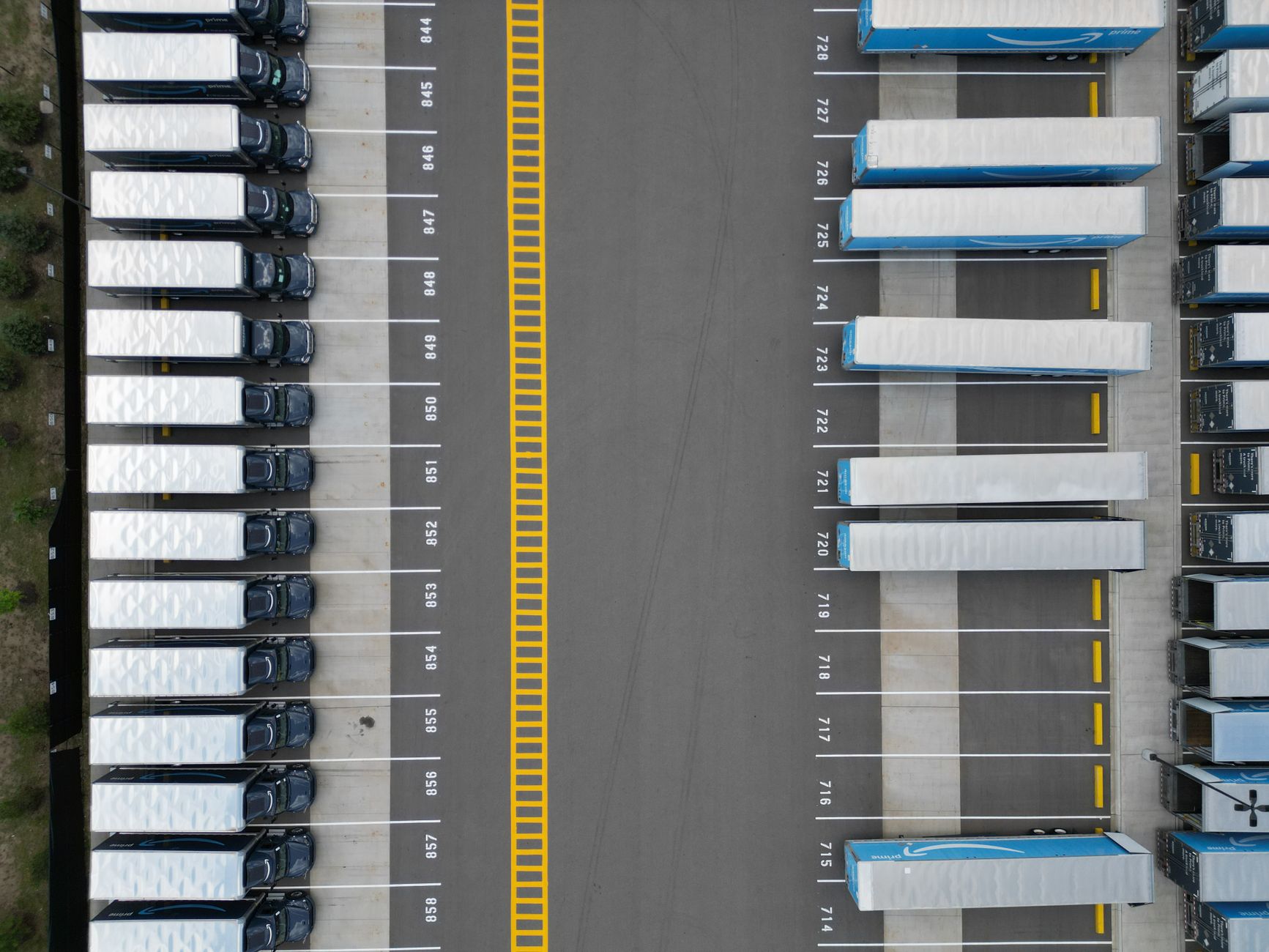
Overview
Transport logistics is the critical component of supply chain management that orchestrates the efficient and effective movement of goods through various transportation modes—road, rail, air, and sea. It encompasses the detailed planning, precise execution, and ongoing control of product flow, from origin to consumption, ensuring timely and cost-effective delivery. This field is paramount to modern global commerce, directly impacting customer satisfaction, operational efficiency, and a company's competitive advantage across virtually all industries [1].
Etymology and Origins
The term "logistics" has a rich history, tracing its origins back to ancient civilizations. Its linguistic roots are found in the Greek word "logistikē" (λογιστική), meaning the art of calculating or computation, and the Roman term "logista," referring to an administrator or officer responsible for military supplies and finance.
The concept of organized movement and supply, the precursor to modern transport logistics, was first extensively documented in military contexts. Military strategists throughout history, such as Alexander the Great and the Roman legions, mastered the art of supplying their armies across vast distances [2]. The term "logistique" gained prominence in the 17th-century French military, referring to the art of quartering troops. However, it was Antoine-Henri Jomini, a Swiss military theorist serving in Napoleon's army, who, in his 1838 Précis de l'Art de la Guerre, formally defined logistics as "the practical art of moving armies."
The application of logistics principles began to transition from military to commercial contexts after World War II, when the complex challenges of wartime supply chains provided a blueprint for industrial efficiency. By the 1950s and 1960s, business thinkers began to apply these organized principles to civilian supply chains, laying the groundwork for the modern field of transport logistics [3].
Historical Development
The evolution of transport logistics is a testament to humanity's continuous quest for efficient trade and movement. Its roots are deeply embedded in ancient military operations and trade routes, but it significantly transformed with technological advancements and evolving economic structures.
- Ancient Times: Early forms of transport logistics facilitated trade along routes like the Silk Road, enabling the movement of goods across continents. The extensive network of Roman roads and maritime trade routes showcased advanced planning for military and commercial supply [4].
- Industrial Revolution (18th-19th Centuries): This era saw the emergence of canals, steamships, and railways, dramatically increasing the speed and capacity of goods movement. These innovations were crucial for distributing raw materials to factories and finished products to markets, fostering mass production and consumption.
- Early 20th Century: The rise of large-scale manufacturing, epitomized by Henry Ford's assembly lines, necessitated more structured and efficient inbound and outbound logistics. The development of the trucking industry provided greater flexibility for last-mile delivery.
- 1940s - Post-World War II: World War II highlighted the critical importance of logistics on a global scale. Military operations, such as the Allied invasion of Normandy and the Red Ball Express in Europe, demonstrated sophisticated planning for personnel and material movement. After the war, these military logistics principles were adapted for commercial use, leading to the academic study of "physical distribution" [3].
- 1950s-1960s: The concept of "physical distribution management" began to formalize. A pivotal innovation was containerization, pioneered by Malcom McLean in 1956. This standardized shipping method drastically reduced handling costs, minimized damage, and facilitated intermodal transport, revolutionizing global trade and setting the stage for modern supply chains [5]. Early computer applications also began to be explored for inventory control.
- 1970s: The first Materials Requirements Planning (MRP) systems, largely developed by IBM, began to help manufacturers manage complex production schedules and raw material procurement. The energy crises of the decade also emphasized the need for fuel efficiency and optimized transport routes.
- 1980s: The Just-in-Time (JIT) inventory systems, perfected by companies like Toyota with its Toyota Production System, emphasized precise synchronization between production and transport logistics to minimize waste and inventory holding costs. Deregulation of the trucking and airline industries in the United States fostered increased competition and innovation in transportation services. The development of Electronic Data Interchange (EDI) also began to streamline communication between trading partners.
- 1990s: The term "Supply Chain Management" was coined, broadening the scope beyond internal logistics to integrate all processes from raw material sourcing to customer delivery. The rise of Enterprise Resource Planning (ERP) systems provided integrated platforms for managing logistics, production, and finance. Globalization further amplified the need for robust international transport logistics capabilities.
- 2000s: The internet boom and the rapid expansion of e-commerce fueled demand for faster, more reliable delivery services, accelerating the adoption of advanced Warehouse Management Systems (WMS) and Transportation Management Systems (TMS). Technologies like Radio-Frequency Identification (RFID) gained traction for enhanced visibility.
- 2010s-Present: This era has seen an explosion of advanced technologies, including artificial intelligence (AI), Internet of Things (IoT), big data analytics, and blockchain. These technologies are being leveraged for predictive analytics, real-time tracking, autonomous vehicles, and improved supply chain transparency and resilience.
Major publications such as the Supply Chain Management Review and Journal of Business Logistics highlighted these advancements, contributing significantly to the field's academic and practical foundation.
Core Concepts
Effective transport logistics relies on a mastery of several interconnected core concepts, vital for optimizing operations and meeting customer demands:
- Mode Selection: This involves strategically choosing the most suitable transportation method (road, rail, air, sea, pipeline, or multimodal combinations) based on critical factors such as cost-effectiveness, required speed, cargo type (e.g., hazardous, perishable), volume, weight, and geographical reach. For instance, air freight offers speed for high-value or time-sensitive goods but at a higher cost, while ocean freight is economical for bulk goods with longer transit times.
- Routing and Scheduling: This crucial element focuses on optimizing the pathways and timing for transportation vehicles. It addresses complex challenges like the Vehicle Routing Problem (VRP) to minimize distance, fuel consumption, delivery times, and labor costs, while adhering to delivery windows and regulatory restrictions. Advanced algorithms and real-time traffic data are increasingly used for dynamic routing.
- Freight Management: This encompasses the comprehensive management of shipping activities, including negotiating freight rates, preparing documentation, handling customs clearances for international shipments, and ensuring compliance with national and international transport regulations. It often involves using tools like shipping and fulfillment software to automate carrier selection, label generation, and tracking [3]. Understanding Incoterms (International Commercial Terms) is also critical for defining responsibilities between buyers and sellers in global trade.
- Inventory Management: Transport logistics is inextricably linked with inventory management. Effective coordination ensures that goods are transported to warehouses or distribution centers at optimal times to maintain desired stock levels, preventing both stockouts and overstocking. This requires close integration with warehouse management systems (WMS) to manage receiving, putaway, storage, and picking processes efficiently [1]. Real-time inventory visibility, often enabled by tools like SkuSavvy's visual inventory management system, is key to making informed transport decisions.
- Real-Time Tracking and Visibility: Leveraging technology such as GPS, telematics, RFID, and IoT devices, transport logistics provides end-to-end visibility of shipments. This allows businesses to monitor goods in transit, anticipate delays, communicate proactively with customers, and improve overall supply chain reliability and transparency. This real-time data is crucial for risk management and adaptive planning.
Industry Applications
Transport logistics is a foundational pillar across a diverse range of industries, each with unique requirements and challenges:
- E-Commerce: This sector relies heavily on sophisticated transport logistics to fulfill the promise of fast and often free delivery. This involves efficient last-mile delivery, complex parcel networks, and often managing reverse logistics for returns. Advanced order management systems are vital for processing high volumes of orders, orchestrating picking, packing, and dispatch, and integrating with multiple carriers [2].
- Manufacturing: For manufacturers, transport logistics is critical for both inbound and outbound operations. Inbound logistics ensures timely delivery of raw materials and components to production lines (e.g., Just-in-Time deliveries), while outbound logistics focuses on distributing finished goods to warehouses, distributors, or directly to customers. This requires precise scheduling and often involves specialized freight for bulky or hazardous materials.
- Pharmaceuticals and Healthcare: This sector demands extremely stringent transport logistics, particularly for temperature-sensitive goods (cold chain logistics) and highly regulated substances. Compliance with Good Distribution Practices (GDP) and strict adherence to specific temperature ranges and security protocols are paramount to maintaining product integrity and patient safety.
- Retail: Beyond e-commerce, traditional retail logistics involves moving goods from manufacturers to distribution centers, and then to individual stores. With the rise of omnichannel retail, transport logistics must support various fulfillment options, such as buy online, pick up in-store (BOPIS) and ship-from-store models.
- Automotive: The automotive industry relies on highly complex global supply chains, often employing lean logistics principles. Transport logistics manages the movement of thousands of components from suppliers worldwide to assembly plants, and then finished vehicles to dealerships and customers.
For example, the use of automated systems in order management helps streamline the fulfillment process in retail logistics by ensuring orders are accurately picked and dispatched from the optimal location [2].
Benefits and Advantages
Optimizing transport logistics offers profound benefits that extend beyond mere cost savings, contributing significantly to a company's overall success and market standing:
- Cost Reduction: By optimizing routes, consolidating shipments, selecting the most economical modes, and reducing transit times, businesses can significantly lower fuel costs, labor expenses, maintenance, and reduce costly expedited shipping fees. Efficient logistics also minimizes inventory holding costs by ensuring timely deliveries and reducing the need for excessive safety stock.
- Increased Customer Satisfaction: Timely, accurate, and transparent deliveries are crucial for customer loyalty in today's demanding market. Effective transport logistics ensures products arrive when and where expected, improving the overall customer experience and brand reputation. Real-time tracking and proactive communication about shipment status further enhance satisfaction.
- Operational Efficiency and Productivity: Streamlined logistics processes reduce delays, minimize errors, and optimize resource utilization (vehicles, drivers, warehouse space). This leads to higher productivity, fewer returns due to shipping errors, and a more agile supply chain capable of responding quickly to market changes. For instance, an automated rate selection system can instantly choose the best carrier and service, boosting efficiency significantly [5].
- Competitive Advantage: Companies with superior transport logistics can offer faster delivery times, lower shipping costs, and greater reliability than competitors, differentiating themselves in crowded marketplaces. This strategic capability can attract and retain customers, leading to market share growth.
- Reduced Environmental Impact: Optimized routes, consolidated loads, and the selection of more sustainable transport modes (e.g., rail instead of long-haul trucking) can lead to lower carbon emissions and fuel consumption, aligning with corporate sustainability goals.
Adopting a comprehensive shipping and fulfillment strategy that aligns with business goals can provide substantial strategic advantages in competitive marketplaces by directly influencing these benefits [5].
Challenges and Limitations
Despite its vital role, transport logistics faces a myriad of challenges that can disrupt operations and impact profitability:
- Supply Chain Disruptions: Geopolitical events (e.g., trade wars, regional conflicts), natural disasters (e.g., hurricanes, floods), pandemics (e.g., COVID-19), and even localized events like port congestion or labor strikes can severely disrupt transportation networks, causing delays, capacity shortages, and inflated costs [6].
- Increasing Regulations and Compliance: The logistics sector is subject to a complex and ever-evolving web of regulations, including environmental standards (e.g., emissions limits, waste disposal), safety protocols for hazardous materials, driver hours-of-service rules, and international trade tariffs and customs requirements. Adhering to these regulations adds complexity and cost.
- Cost Volatility: Fluctuating fuel prices, rising labor costs (especially for skilled drivers and warehouse personnel), increasing equipment maintenance expenses, and the impact of tariffs and duties can significantly affect shipping costs and profit margins. Inflationary pressures across the economy exacerbate this challenge.
- Infrastructure Limitations: In many regions, aging infrastructure (roads, bridges, ports, rail networks) can lead to bottlenecks, delays, and increased wear and tear on vehicles, hindering efficient goods movement.
- Labor Shortages: A persistent shortage of qualified truck drivers, warehouse workers, and other logistics professionals poses a significant challenge, driving up labor costs and impacting service reliability.
- Technological Adoption and Integration: While technology offers immense opportunities, integrating disparate legacy systems, overcoming data silos, and investing in new technologies (like AI, IoT, blockchain) can be complex, costly, and require specialized expertise.
- Security Risks: Theft, piracy, and cargo tampering remain significant concerns, requiring robust security measures and increased insurance costs.
Best Practices
To navigate the complexities and overcome the challenges in transport logistics, businesses should adopt a proactive and strategic approach:
- Invest in Advanced Technology: Implement modern logistics management systems such as Transportation Management Systems (TMS), advanced Warehouse Management Systems (WMS) (e.g., mobile WMS), and pick, pack, ship software. These systems provide better visibility, automate processes, optimize routes, manage freight, and offer data analytics for informed decision-making [1, 3]. Integrating these systems helps create a cohesive operational environment.
- Foster Collaborative Partnerships: Build strong, transparent relationships with a diverse network of reliable carriers, freight forwarders, 3PLs (Third-Party Logistics Providers), and suppliers. These partnerships can provide access to specialized expertise, greater capacity, better rates, and improved service levels. Collaborative planning and information sharing are key.
- Implement Continuous Improvement Methodologies: Regularly assess and refine logistics strategies using methodologies like Lean Logistics or Six Sigma. This involves analyzing key performance indicators (KPIs), identifying bottlenecks, implementing process improvements, and leveraging feedback loops to adapt to market changes and optimize efficiency continually.
- Prioritize Risk Management and Resilience: Develop robust contingency plans for potential disruptions, such as diversifying carrier bases, maintaining strategic inventory buffers, and implementing supply chain visibility tools to detect and respond to issues rapidly. Building a resilient supply chain means being able to withstand and recover from unforeseen events.
- Embrace Sustainability: Integrate green logistics practices by optimizing routes to reduce fuel consumption, investing in electric or alternative-fuel vehicles, promoting multimodal transport, and using recyclable packaging. This not only reduces environmental impact but can also lead to cost savings and improved brand image.
Future Trends
Transport logistics is a dynamic field constantly evolving, driven by technological innovation, environmental concerns, and shifting consumer expectations. Several key trends are shaping its future:
- Sustainability and Green Logistics: The increasing global focus on climate change is driving a push for greener logistics. This includes the adoption of electric and autonomous vehicles, optimizing routes to reduce mileage, utilizing more fuel-efficient modes (e.g., rail, short-sea shipping), and exploring alternative fuels and sustainable packaging [7]. Companies are increasingly reporting on their logistics carbon footprint.
- Automation and Artificial Intelligence (AI): AI and machine learning are revolutionizing route optimization, demand forecasting, predictive maintenance for fleets, and robotic process automation (RPA) in logistics operations. Autonomous trucks, drones for last-mile delivery, and automated guided vehicles (AGVs) in warehouses are becoming more prevalent, promising increased efficiency, reduced labor costs, and enhanced safety.
- Blockchain Technology: Blockchain offers the potential to create secure, transparent, and immutable records of transactions and movements across the supply chain. This can significantly enhance traceability, reduce fraud, streamline customs processes, and improve trust among supply chain partners.
- Hyper-personalization and Last-Mile Innovation: Consumer demand for faster, more flexible, and personalized delivery options (e.g., same-day, scheduled delivery windows) is driving innovation in last-mile logistics. This includes the proliferation of micro-fulfillment centers, crowdsourced delivery models, and advanced route optimization for urban environments.
- Increased Visibility and Digital Twins: The integration of IoT sensors, advanced telematics, and real-time data analytics is creating unprecedented visibility across the entire supply chain. The development of "digital twins"—virtual replicas of physical logistics systems—allows for simulation, optimization, and predictive analysis to improve decision-making and operational efficiency.
- Resilience-as-a-Service: Following recent global disruptions, there's a growing emphasis on building resilient supply chains. This trend involves leveraging advanced analytics, scenario planning, and collaborative networks to anticipate and mitigate risks, ensuring continuity of operations even in adverse conditions.
In conclusion, transport logistics remains a dynamic and indispensable field essential to global commerce and supply chain management. As technology continues to evolve and global challenges persist, staying informed, adapting practices, and embracing innovation will be critical for logistics professionals and businesses to thrive in an increasingly complex and competitive landscape.
All Sources (13 total):
[1] Mobile Warehouse Management System - https://www.skusavvy.com/mobile-warehouse-management-system
[2] History of Logistics: From Ancient Empires to Modern Supply Chains - https://www.inboundlogistics.com/articles/history-of-logistics-from-ancient-empires-to-modern-supply-chains/
[3] The History of Logistics – A Journey Through Time - https://www.schenker.com/global/logistics/history-of-logistics
[4] Logistics in the Roman Army: Key Aspects - https://www.cambridge.org/core/books/abs/logistics-and-the-roman-army/logistics-in-the-roman-army-key-aspects/D345ECB34D145C8690D11E0288E23795
[5] The Box That Changed the World: How Containerization Transformed Global Trade - https://www.economist.com/finance-and-economics/2013/05/29/the-box-that-changed-the-world
[6] Global Supply Chain Disruption & Impact - https://www.mckinsey.com/capabilities/operations/our-insights/global-supply-chain-disruption-and-impact
[7] Sustainable Logistics: Trends and Best Practices - https://www.forbes.com/sites/forbesbusinesscouncil/2023/07/25/sustainable-logistics-trends-and-best-practices/?sh=12c6a0b94326
Sources
- Mobile Warehouse Management System
- Order Management System
- Shipping & Fulfillment Software
- Pick, Pack, Ship Software
- Automated Rate Selection
- What is Logistics? Definition & Types
- History of Logistics: From Ancient Empires to Modern Supply Chains
- The History of Logistics – A Journey Through Time
- Logistics in the Roman Army: Key Aspects
- The Box That Changed the World: How Containerization Transformed Global Trade
- Global Supply Chain Disruption & Impact
- Sustainable Logistics: Trends and Best Practices
- Visual Inventory Management System