Tracking Page in Logistics and Supply Chain Management
A detailed exploration of tracking pages in logistics, their significance, functions, and the technologies that support effective tracking.
Updated
Tracking Page in Logistics and Supply Chain Management
Overview
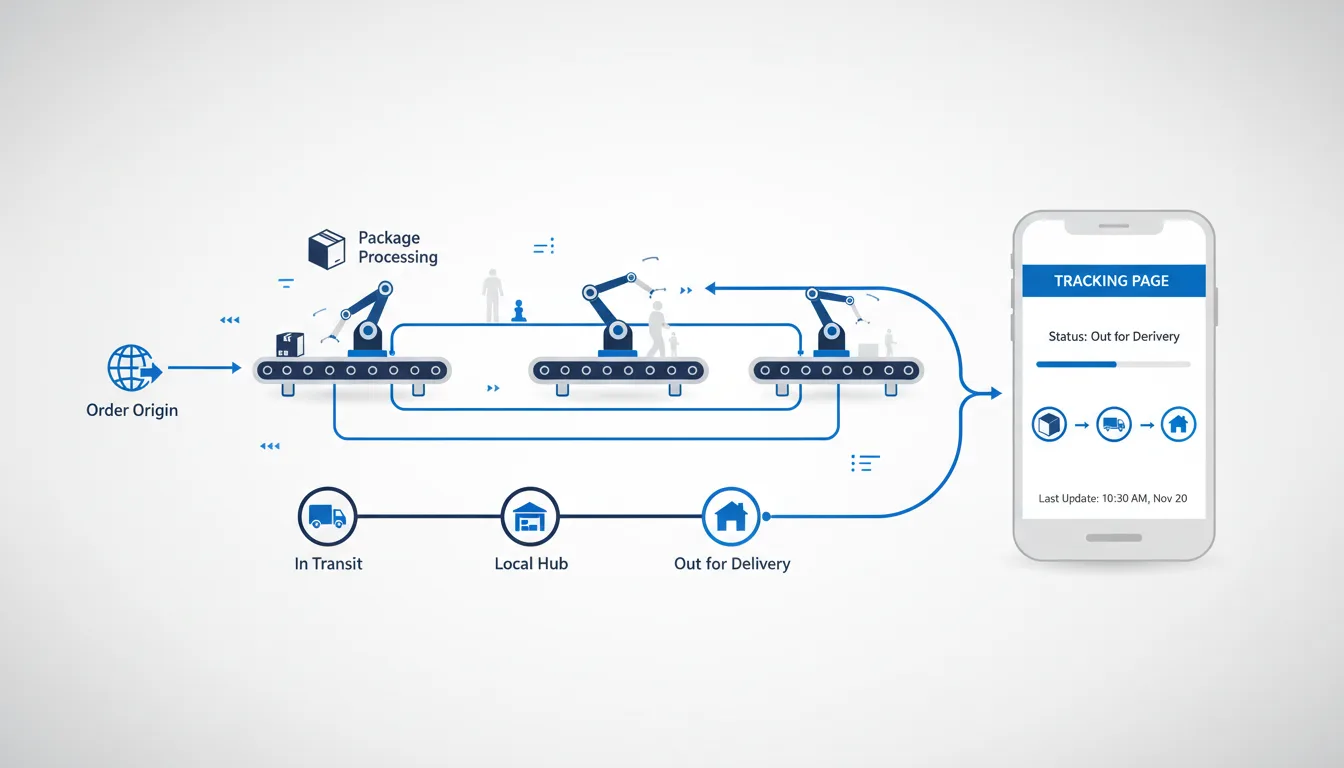
A tracking page is a crucial component of logistics and supply chain management, providing real-time visibility into the status of shipments, deliveries, and inventory. It serves as a dashboard where customers and logistics managers can monitor the movement of goods through various stages of the supply chain. The importance of tracking pages lies in enhancing customer satisfaction, improving operational efficiencies, and enabling proactive decision-making.
Etymology and Origins
The term "tracking" originates from the Middle English word "tracken," which means to trace or follow. The first documented usage of the term in logistics can be traced back to the 1950s when businesses began to appreciate the importance of following the flow of goods in the supply chain. Over time, the concept has evolved significantly with advancements in technology. Initially, tracking involved manual record-keeping and visual inspections, which later transitioned to automated systems, as businesses began to understand the value of real-time data in improving supply chain operations. The term has adapted alongside technological advancements, embracing developments from basic paper trails to sophisticated digital tracking systems.
Historical Development
Emergence of Tracking Systems
The practice of tracking shipments can be traced back to the early 20th century, with the introduction of rudimentary logging mechanisms. However, significant advancements began in the 1970s with the arrival of barcode technology, which allowed for more accurate inventory and shipment tracking.
- 1970s: The adoption of barcode technology enabled the automated tracking of products throughout the supply chain, allowing for faster and more reliable data capture. This breakthrough marked a significant shift towards efficiency in logistics management.
- 1980s: The incorporation of Electronic Data Interchange (EDI) started facilitating seamless communication between businesses, enhancing tracking capabilities by allowing for standardized electronic records.
- 1990s-2000s: The introduction of Global Positioning System (GPS) technology revolutionized tracking, allowing for real-time positioning of shipments. The broad commercial application of GPS in the late 1990s facilitated not just tracking but also routing and scheduling efficiencies in logistics.
- 2000s-2010s: The growth of the internet and subsequent advancements in cloud computing paved the way for more integrated and robust tracking pages that centralized data from various sources.
- 2010s-Present: The advent of cloud-based logistics software and advanced analytics tools has transformed tracking pages into comprehensive dashboards that aggregate data from various systems, providing actionable insights for logistics managers.
Key Figures and Technology Evolution
Trailblazers such as Robert H. Herr, who implemented early EDI systems, and the developers of GPS technology, including the team commissioned by the U.S. Department of Defense in the 1970s, have significantly influenced modern tracking systems. Seminal publications, such as the Supply Chain Management: Strategy, Planning, and Operation by Sunil Chopra and Peter Meindl, have also shaped the evolution of logistics tracking by providing frameworks for understanding and optimizing supply chain processes. Moreover, industry standards, like those set forth by ISO, have helped standardize methods for tracking and reporting in logistics.
Core Concepts
A tracking page integrates various data sources, including:
- Shipping Information: Provided by logistics carriers, detailing the shipment’s current location.
- Inventory Levels: Integrated through inventory management systems to reflect real-time stock status.
- Order Status Updates: Automated notifications alerting customers of shipment milestones, enhancing transparency.
Modern tracking pages commonly feature:
- A visual map showing the shipment's route and estimated delivery time.
- Alerts for significant events, like delays or changes in status.
Technology and Tools
The development of tracking pages has largely depended on technological innovations:
- Barcode Scanners: Enhanced accuracy and efficiency in capturing shipment data.
- RFID Technology: Facilitating greater automation in inventory tracking and reducing manual input errors. The use of RFID has increased operational efficiency in various industries, allowing for real-time tracking without line-of-sight requirements.
- Mobile Applications: Allowing users to access tracking information on-the-go, connecting to platforms such as mobile warehouse management systems.
- Cloud-based Platforms: Offering scalable solutions for data storage and retrieval, improving access to real-time information. Platforms that incorporate machine learning algorithms are beginning to predict delays based on historical data and current conditions.
Industry Applications
Tracking pages are employed across various industries:
- E-commerce: Retailers provide tracking information to customers, significantly enhancing the shopping experience. For instance, companies like Amazon use sophisticated tracking systems to provide 24/7 updates to consumers.
- Pharmaceuticals: Ensuring compliance with regulatory requirements by tracking drug shipments. Compliance with guidelines from organizations such as the FDA has revolutionized drug tracking to maintain product integrity.
- Manufacturing: Allowing just-in-time delivery management, reducing inventory holding costs. For example, Toyota implemented a just-in-time methodology that relies heavily on effective tracking systems for efficiency.
Benefits and Advantages
The implementation of effective tracking pages offers numerous benefits:
- Enhanced Visibility: Real-time data allows for better forecasting and demand planning.
- Increased Efficiency: Reducing the potential for lost shipments and improving response times to delays can lead to significant cost reductions.
- Customer Satisfaction: Providing tracking details increases trust and transparency for end-users, leading to repeat business and enhanced brand loyalty.
Challenges and Limitations
Despite their advantages, tracking pages may encounter challenges such as:
- Data Integration Issues: Different systems may not communicate effectively, leading to gaps in tracking information. It’s essential for organizations to implement standardized protocols to address this issue.
- User Adoption: Employees and customers may resist new technologies, hindering effective tracking implementation. Comprehensive training programs can alleviate resistance and improve engagement.
Best Practices
To maximize the effectiveness of tracking pages, organizations should adhere to best practices such as:
- Regularly updating tracking information to ensure accuracy. Implementing standardized data entry processes can enhance reliability.
- Training staff and customers on how to leverage tracking features effectively. Utilizing interactive training modules can be particularly beneficial.
- Implementing an integrated logistics management system to streamline data flow and improve insights. Tools like order management systems can facilitate this integration.
Future Trends
The future of tracking technologies is poised for exciting advancements, including:
- Artificial Intelligence Solutions: To optimize routing and predict delays. AI is expected to enhance decision-making processes by analyzing vast amounts of logistics data.
- Blockchain Technology: Enhancing security and traceability across supply chains, particularly for high-value items or sensitive goods, is gaining traction.
- IoT Devices: Providing hyper-local tracking capabilities for shipments in real-time, facilitating visibility from production to delivery.
In conclusion, the tracking page is an integral part of logistics and supply chain management that has evolved significantly over the decades. By leveraging technology effectively, organizations can enhance visibility, improve customer satisfaction, and drive efficiency in their operations.
Sources
- Visual Inventory Management System
- Mobile Warehouse Management System Overview
- Barcodes Guide
- Supply Chain Management: Strategy, Planning, and Operation
- The Role of Technology in Logistics and Supply Chain Management
- Logistics and Supply Chain Management
- The Future of Supply Chain Management: Key Trends and Strategies