Tactical Planning in Logistics
Tactical planning in logistics involves mid-term decision-making to optimize operational efficiency and resource allocation.
Updated
Tactical Planning in Logistics
Overview
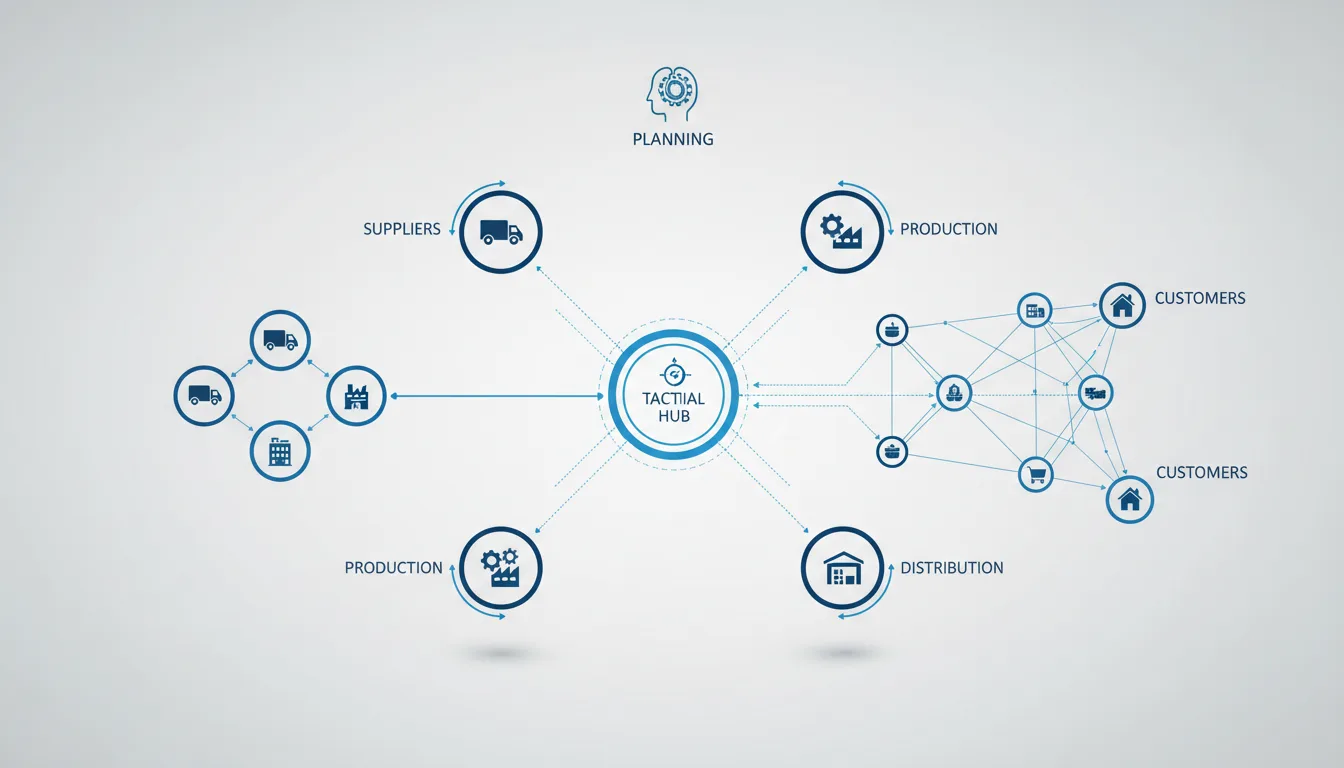
Tactical planning in logistics refers to the process of making mid-term decisions that aim to optimize operations, improve resource allocation, and achieve strategic goals. It serves as a bridge between strategic planning, which focuses on long-term objectives, and operational planning, which concerns day-to-day activities. Tactical planning is crucial in ensuring that logistics operations are efficient, timely, and aligned with the overall supply chain objectives.
Etymology and Origins
The term "tactical planning" has its roots in military strategy, where the word 'tactic' originates from the Greek word "taktike," meaning arrangement. It evolved to encompass short to medium-term planning that can adapt to changing conditions and resource availability. The first documented usage of tactical planning in a business context emerged during the evolution of management theories in the mid-20th century, particularly as organizations began to recognize the complexity of logistics operations. The term gained prominence during the rise of logistic practices in large-scale business environments in the 1960s, reflecting a shift toward more structured planning approaches (Business Management: A Practical Guide) and the need for adaptability in increasingly dynamic markets (Planning in Logistics: A Comprehensive Overview).
Historical Development
1960s - 1970s
The concept of tactical planning began taking shape in logistics during the 1960s when companies, particularly in the United States, started adopting more systematic approaches to supply chain management. Notable figures like Hau L. Lee contributed to its formalization through research on supply chain collaboration. This era marked the introduction of IT-based systems for tracking inventory and optimizing transport routes, making logistical processes more efficient and adaptable.
1980s - 1990s
The rise of Just-In-Time (JIT) inventory methodologies pushed organizations to develop tactical plans that could adapt to immediate demands while minimizing waste. Companies like Toyota popularized lean principles, emphasizing efficiency and quality in operations. This era also saw breakthroughs in logistics technology, where the use of sophisticated software began to transform planning and forecasting processes in logistics.
2000s - Present
With the advent of advanced technologies, including Enterprise Resource Planning (ERP) systems and big data analytics, tactical planning has become more data-driven. Many companies now utilize warehouse management systems to enhance accuracy in planning and execution. Additionally, the introduction of AI and machine learning technologies has begun to revolutionize the way organizations approach demand forecasting and resource allocation, allowing for a more responsive and agile supply chain (Emerging Technologies and the Future of Logistics).
Core Concepts
Tactical planning involves several core aspects:
- Resource Allocation – Efficiently deploying resources such as labor, materials, and equipment.
- Scheduling – Establishing effective timelines for production and delivery.
- Demand Forecasting – Utilizing historical data to predict future product demand, thereby informing inventory decisions.
- Performance Metrics – Implementing KPIs to measure the effectiveness of logistics operations, such as order fill rate and delivery times.
Types and Classifications
Tactical planning in logistics can be classified into various types:
- Inventory Management Planning – Optimizing inventory levels to meet demand without overstocking.
- Transport Planning – Determining the most effective and cost-efficient transportation methods.
- Facility Management – Planning for the optimal layout and use of warehouse space, such as through bin put-away criteria.
Industry Applications
Tactical planning is relevant across various sectors, including:
- Retail – Ensuring product availability and quick replenishment through effective supply chain strategies.
- Manufacturing – Coordinating production schedules with material availability to reduce downtime.
- E-commerce – Managing fast-paced distribution channels to meet customer expectations for rapid delivery.
Benefits and Advantages
The advantages of effective tactical planning in logistics include:
- Cost Efficiency – Reduced operational costs through better resource management.
- Improved Responsiveness – Enhanced ability to respond to changes in demand and address supply chain disruptions.
- Better Customer Satisfaction – Timely deliveries and availability of products lead to improved customer experiences.
Challenges and Limitations
Despite its benefits, tactical planning can present challenges such as:
- Data Reliability – Inaccurate data can lead to poor forecasting and planning outcomes.
- Market Volatility – Shifts in consumer preferences and economic conditions can complicate planning efforts. A lack of agile response strategies can exacerbate these challenges, making it difficult for companies to maintain competitive service levels (Logistics Challenges).
Best Practices
To enhance tactical planning effectiveness, organizations should:
- Implement a robust forecasting model that incorporates real-time data.
- Regularly review and refine their tactical plans based on performance metrics.
- Utilize modern technology solutions, like order management systems, to streamline the planning process. Organizations can also look at employing scenario planning techniques to prepare for various potential future states in supply chain dynamics (Harvard Business Review).
Future Trends
Emerging developments in tactical planning include:
- AI and Machine Learning – Leveraging predictive analytics to improve demand forecasting accuracy.
- Automation – Increasing automation in logistics operations to enhance efficiency and reduce labor costs.
- Sustainability Focus – Integrating green logistics practices into tactical planning to align with consumer preferences and regulatory requirements.
Related Concepts
Tactical planning is closely related to concepts such as strategic planning, operational planning, and supply chain management. Understanding how these elements interconnect can provide a holistic view of effective logistics management.
Sources
- Warehouse Layout Preview
- Mobile Warehouse Management System
- Stock Replenishment Guide
- Bin Put-Away Criteria
- Order Management System
- Business Management: A Practical Guide
- Planning in Logistics: A Comprehensive Overview
- Emerging Technologies and the Future of Logistics
- Logistics Challenges
- Why Your Scenarios Should Hint at Customers' Choices