Standard Work
Standard work is a vital concept in logistics and manufacturing that ensures efficiency and quality in processes through predefined methods.
Updated
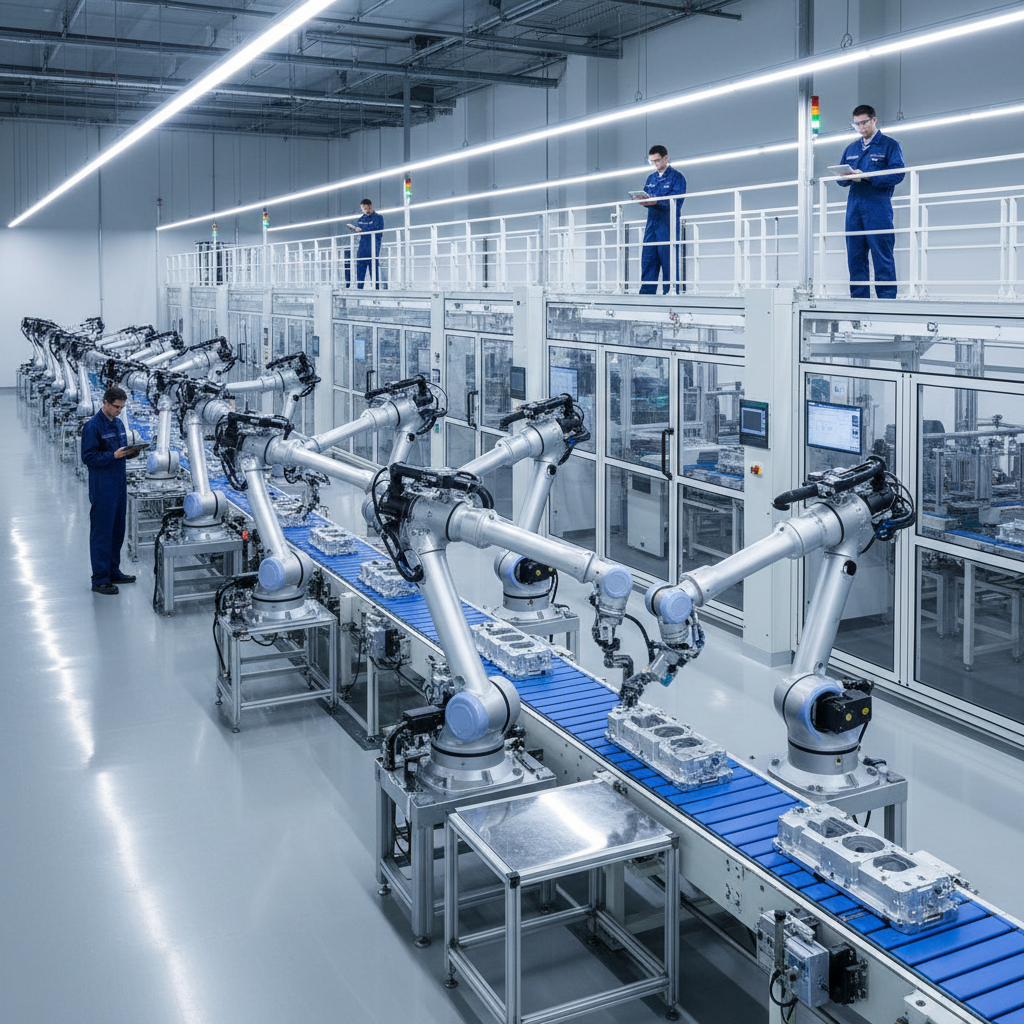
Overview
Standard work is a foundational concept in logistics and manufacturing, focusing on creating a structured approach to repetitive tasks that ensures efficiency, consistency, and quality across operations. By establishing clear, documented guidelines for how tasks should be performed, organizations can minimize variability, reduce waste, and improve overall performance. It serves as a critical baseline for employee training and onboarding, performance evaluation, and continuous improvement processes within a lean enterprise.
Etymology and Origins
The roots of standard work are deeply embedded in the industrial revolution's pursuit of efficiency. While the specific term "standard work" gained prominence with the Toyota Production System (TPS) in the mid-20th century, its underlying principles can be traced back much further.
Early Foundations (19th Century)
Before the formalization of modern management theories, pioneers like Eli Whitney introduced the concept of interchangeable parts in manufacturing (late 18th/early 19th century). This necessitated a degree of standardization in production processes to ensure components fit together reliably. Later, early industrial engineers recognized the benefit of a systematic approach to work design, moving away from purely artisanal methods.
Scientific Management Era (Early 20th Century)
The most significant precursor to standard work emerged with the scientific management movement. Frederick Winslow Taylor, often referred to as the "father of scientific management," formalized principles in his 1911 book, The Principles of Scientific Management. Taylor advocated for time and motion studies to scientifically determine the "one best way" to perform a task. He emphasized detailed work instructions, standardization of tools and methods, and the systematic training of workers. While Taylor didn't use the exact phrase "standard work," his concepts of "standardized methods" and scientific task management laid the groundwork.
The Rise of Lean and Toyota Production System (Mid-20th Century)
The term "standard work" as it is understood today was a cornerstone of the Toyota Production System (TPS), developed by Taiichi Ohno and Shigeo Shingo at Toyota after World War II. TPS aimed to eliminate waste (Muda) and maximize efficiency. Standard work, or hyojun sagyo in Japanese, was crucial for achieving consistency, identifying abnormal conditions, and providing a baseline for continuous improvement (Kaizen). Unlike Taylor's sometimes rigid approach, TPS emphasized that standard work should be developed with the workers doing the job, making it a dynamic rather than static concept.
Historical Development
The practice of standard work has undergone significant evolution, mirroring advancements in industrial engineering, quality management, and technology:
- 1911: Frederick W. Taylor's The Principles of Scientific Management introduces scientific management, advocating for systematic work analysis and standardized procedures.
- 1920s-1930s: Pioneers like Frank and Lillian Gilbreth further refined time and motion studies, focusing on micro-level analysis of worker movements to eliminate unnecessary actions and optimize efficiency.
- 1950s: Toyota developed the Toyota Production System, explicitly integrating standard work as a core component for efficiency, waste elimination, and quality improvement. This was a paradigm shift from mass production to lean manufacturing principles.
- 1960s-1970s: The concepts of Total Quality Management (TQM) emerged, emphasizing customer satisfaction, continuous improvement, and process control, all of which benefit immensely from standardized processes.
- 1980s to 1990s: Lean manufacturing and its underlying principles, including standard work, gained widespread traction in the United States and Europe as companies sought to improve competitiveness amid increasing globalization. Books like The Machine That Changed the World (1990) popularized TPS concepts globally.
- 2000s: The adoption of standard work became ubiquitous across diverse industries beyond traditional manufacturing, including logistics, healthcare, and software development. This period saw increased reliance on technological advancements in data collection and analysis to define, monitor, and refine standard work procedures. The rise of ISO 9001 quality management standards further institutionalized the need for documented and controlled processes, closely aligning with standard work principles.
- 2010s-Present: Integration with digitalization and automation technologies, real-time data analytics, and mobile solutions has transformed how standard work is created, maintained, and executed, particularly in complex warehouse and fulfillment environments.
Core Concepts
Standard work is characterized by three primary, interconnected components that ensure a systematic and repeatable approach to tasks:
- Work Sequence: This defines the precise order in which tasks must be performed. A well-defined work sequence minimizes delays, eliminates redundancies, and ensures that critical steps are not missed. It often includes specified motions, tools, and materials to be used at each step. For example, in a pick-to-tote operation, the sequence might dictate scanning the tote, picking item A, scanning item A, placing it, then moving to item B, and so on, to optimize pathing and reduce errors.
- Standard Time (Takt Time / Cycle Time): This refers to the average time required to perform a task under normal, optimal conditions, excluding excessive breaks or unforeseen interruptions. In lean contexts, this is often linked to Takt Time, which is the rate at which products need to be completed to meet customer demand. Standard time allows for accurate capacity planning, workload balancing, and forms a benchmark for performance measurement. It's not about rushing workers but about establishing a sustainable and efficient pace. Technology like SkuSavvy's productivity tracking can help establish and monitor these times.
- Work-In-Process (WIP) Limits: These are guidelines that control the maximum amount of work or inventory allowed at any process stage. By limiting WIP, organizations prevent bottlenecks, reduce lead times, and make problems visible quickly. For example, a picking station might have a WIP limit of two orders at any given time, ensuring that operators focus on completing those orders before starting new ones. This directly supports the just-in-time principle central to lean manufacturing.
These components form the backbone of creating effective standard work protocols, fostering a proactive approach to problem-solving and process optimization by making deviations from the standard immediately apparent.
Benefits and Advantages
Implementing standard work offers numerous tangible benefits across an organization, particularly in logistics and manufacturing:
- Consistency and Quality: Ensures reliable outcomes by minimizing variability in how tasks are performed. This leads to higher product quality, fewer errors, and predictable service levels, which are critical for customer satisfaction.
- Efficiency and Waste Reduction: Streamlines operations by identifying and eliminating unnecessary steps, movements, and waiting times. By optimizing resource utilization, it reduces waste (Muda) and improves throughput. This is directly supported by lean principles and can be visualized with tools like warehouse layout previews.
- Enhanced Safety: By documenting the safest way to perform a task, standard work reduces the risk of accidents and injuries. It ensures that safety protocols are consistently followed, creating a safer work environment.
- Effective Training Tool: Serves as an essential training resource for new employees, allowing them to understand the best practices and required procedures quickly and accurately. This accelerates the onboarding process and reduces the learning curve, as outlined in SkuSavvy's employee management guides.
- Clear Performance Measurement and Improvement: Provides a clear, objective benchmark for evaluating worker and process performance. Deviations from the standard signal opportunities for improvement, enabling targeted Kaizen activities and fostering a culture of continuous learning.
- Problem Identification: When problems occur, standard work helps quickly identify where and why deviations happened, facilitating root cause analysis and effective corrective actions.
Challenges and Limitations
Despite its advantages, implementing and sustaining standard work faces several challenges:
- Resistance to Change: Employees may be resistant to adopting new standards or altering established workflows, especially if they feel the new standards are imposed without their input or if they perceive them as micromanagement. Effective change management and employee involvement are crucial for overcoming this.
- Maintenance and Obsolescence: Ensuring that standard work procedures remain updated and relevant is vital. Processes, tools, and requirements can change, making older standards obsolete. This requires ongoing assessment, regular reviews, and revision, which can be resource-intensive. A static approach will quickly undermine its benefits.
- Perceived Lack of Flexibility: Rigid adherence to standard work can sometimes hinder innovation and adaptation in dynamic or rapidly changing environments. It's important to differentiate between necessary standardization for consistency and stifling creativity for non-standardized problem-solving. Standard work should provide a stable foundation, not a cage.
- Time and Resource Investment: Developing, documenting, training, and maintaining standard work requires significant upfront and ongoing time and resource investment. Organizations must commit to this investment to realize the long-term benefits.
- Scope and Detail: Determining the appropriate level of detail for standard work can be challenging. Too little detail can lead to inconsistency, while too much detail can make procedures cumbersome and difficult to follow or update.
Addressing these challenges requires strong leadership, effective change management strategies, continuous employee engagement, and a clear communication plan regarding the why behind standard work.
Best Practices
For effective implementation and sustained success of standard work, organizations should adopt the following best practices:
- Involve Employees in Development: The people who perform the work are the experts. Engage them directly in defining and refining standard work procedures. This builds ownership, ensures practicality, and leverages their insights to identify the most efficient and safe methods. This collaborative approach enhances buy-in and quality of the standard.
- Make it Visual and Accessible: Document standard work clearly using visual aids such as diagrams, flowcharts, images, and videos. Post standards in the work area where they are easily visible and accessible. SkuSavvy's visual inventory management system and warehouse layout tools can aid in visualizing these processes.
- Regular Reviews and Audits: Conduct routine reviews to assess the effectiveness and relevance of standards. This includes observing the work, gathering feedback from employees, and analyzing performance data. Standards should be considered living documents, subject to continuous improvement (Kaizen) and revised as processes, equipment, or requirements change. This aligns with ISO 9001 principles of process control and improvement.
- Provide Consistent Training and Coaching: Ensure all employees are thoroughly trained on standard work procedures. New hires should receive comprehensive training, and existing employees should receive refreshers and coaching to ensure consistent adherence and understanding. SkuSavvy's employee management features can support tracking training progress.
- Link to Performance Management: Integrate adherence to standard work into performance evaluations and feedback mechanisms. Recognize and reward employees who consistently follow standards and contribute to their improvement. Use productivity tracking to monitor adherence and identify areas for coaching.
- Focus on the "Why": Communicate the benefits of standard work to employees – how it improves safety, quality, efficiency, and makes their jobs easier and more consistent. Understanding the purpose fosters greater acceptance and commitment.
Technology and Tools
The use of technology plays a vital role in enabling, implementing, and sustaining standard work processes in modern logistics and manufacturing. Digital tools enhance documentation, training, execution, and continuous improvement:
- Warehouse Management Systems (WMS): Modern warehouse management systems are central to enforcing standard work. They guide operators through predefined steps for tasks like picking, putaway, cycle counting, and replenishment. Mobile WMS solutions, in particular, provide real-time instructions and feedback directly to workers on the floor, ensuring adherence to standardized sequences and methods.
- Workflow Automation Tools: Platforms with robust workflow capabilities allow organizations to digitally define, automate, and manage complex processes. These tools can ensure that tasks are executed in the correct sequence, with specific checkpoints and approvals, effectively digitizing standard operating procedures (SOPs).
- Order Management Systems (OMS): Integrated order management systems standardize the entire order fulfillment lifecycle, from order intake to shipping. They ensure consistent processing, prioritizing, and handling of customer orders, which is critical for meeting service level agreements.
- Visual Documentation Software: Tools for creating flowcharts, process maps, and interactive work instructions (often with embedded videos or 3D models) make standard work easier to understand and follow. SkuSavvy's emphasis on visual inventory management and warehouse layout preview supports this visually-driven approach.
- IoT and Sensors: Real-time data from IoT devices and sensors on equipment or even wearables worn by workers can monitor adherence to standard work, track cycle times, and identify deviations or bottlenecks proactively.
- Performance Monitoring and Analytics: Systems that track employee productivity, task completion rates, and error rates (e.g., SkuSavvy's productivity tracking) provide valuable data for evaluating the effectiveness of standard work and pinpointing areas for continuous improvement.
Future Trends
As industries continue to evolve, the concept of standard work is poised to adapt and integrate with emerging technologies, making it even more dynamic and effective:
- Hyper-Automation and Robotics: The rise of robotics, cobots (collaborative robots), and other forms of automation in warehouse operations will redefine standard work protocols. Future standards will increasingly focus on optimal human-robot collaboration, task handoffs, and managing automated processes. Standard work will evolve to define the interaction patterns and monitoring protocols for automated systems.
- Advanced Data Analytics and AI: Leveraging big data analytics, machine learning, and artificial intelligence will enable real-time monitoring and predictive analysis of standard work performance. AI can identify optimal work sequences, predict potential deviations before they occur, and even suggest improvements to standard work based on operational data. This moves beyond reactive problem-solving to proactive optimization.
- Digital Twins and Simulation: Creating digital twins of entire operations or specific workstations will allow organizations to simulate changes to standard work procedures in a virtual environment before implementing them physically. This reduces risk and accelerates the optimization cycle.
- Augmented Reality (AR) and Wearables: AR glasses and other wearable devices can overlay digital work instructions, performance metrics, and safety warnings directly into a worker's field of vision. This provides immediate, contextual guidance, ensuring higher adherence to standard work and facilitating on-the-job training, especially for complex or infrequent tasks.
- Adaptive Standard Work: Moving beyond rigid static documents, future standard work might become more adaptive. Leveraging AI and real-time data, systems could dynamically adjust work sequences or parameters based on changing conditions (e.g., inventory levels, order urgency, equipment status), while still maintaining core principles of consistency and efficiency. This could be facilitated by advanced workflow management systems.
In summary, standard work remains a foundational element in improving organizational efficiency, quality, and consistency across logistics and manufacturing operations. Its continuous evolution and adaptation, driven by technological advancements and lean principles, will be essential to meet the demands of an increasingly dynamic and competitive market environment.
Sources
- Visual Inventory Management System
- Order Management System
- Workflows Overview
- The Importance of Logistics and Supply Chain Management
- Continuous Improvement (Kaizen) and Standard Work
- Eli Whitney
- Journal of Political Economy - Systematic Approach to Work Design
- Time and Motion Study - Investopedia
- Academy of Management Review - Standardized Methods
- Taiichi Ohno - Wikipedia
- The Principles of Scientific Management - Wikipedia
- Frank Bunker Gilbreth Sr. - Wikipedia
- Total Quality Management (TQM) - ASQ
- Data Collection - ScienceDirect
- ISO 9001 quality management
- Digital Manufacturing - Accenture
- Pick-to-Tote Guide
- Productivity Tracking
- Takt Time - Lean Lexicon
- Just-in-Time (JIT) Definition - Investopedia
- What Is Customer Satisfaction? - Forbes Advisor
- Lean Principles - Process Street
- Visual Warehouse Layout
- Safety Management - OSHA
- Employee Management
- Kaizen Activities - Lean Lexicon
- Mobile WMS Overview
- Pick, Pack, Ship Software
- Bin Put-Away Criteria
- Cycle Counting Guide
- Stock Replenishment Guide
- How Cobots Are Reshaping The Future Of Manufacturing And Logistics
- Digital Twin - IBM