Smart Lockers in Logistics
Smart lockers enhance efficiency in logistics by streamlining package delivery and retrieval, catering to various applications in supply chain management.
Updated
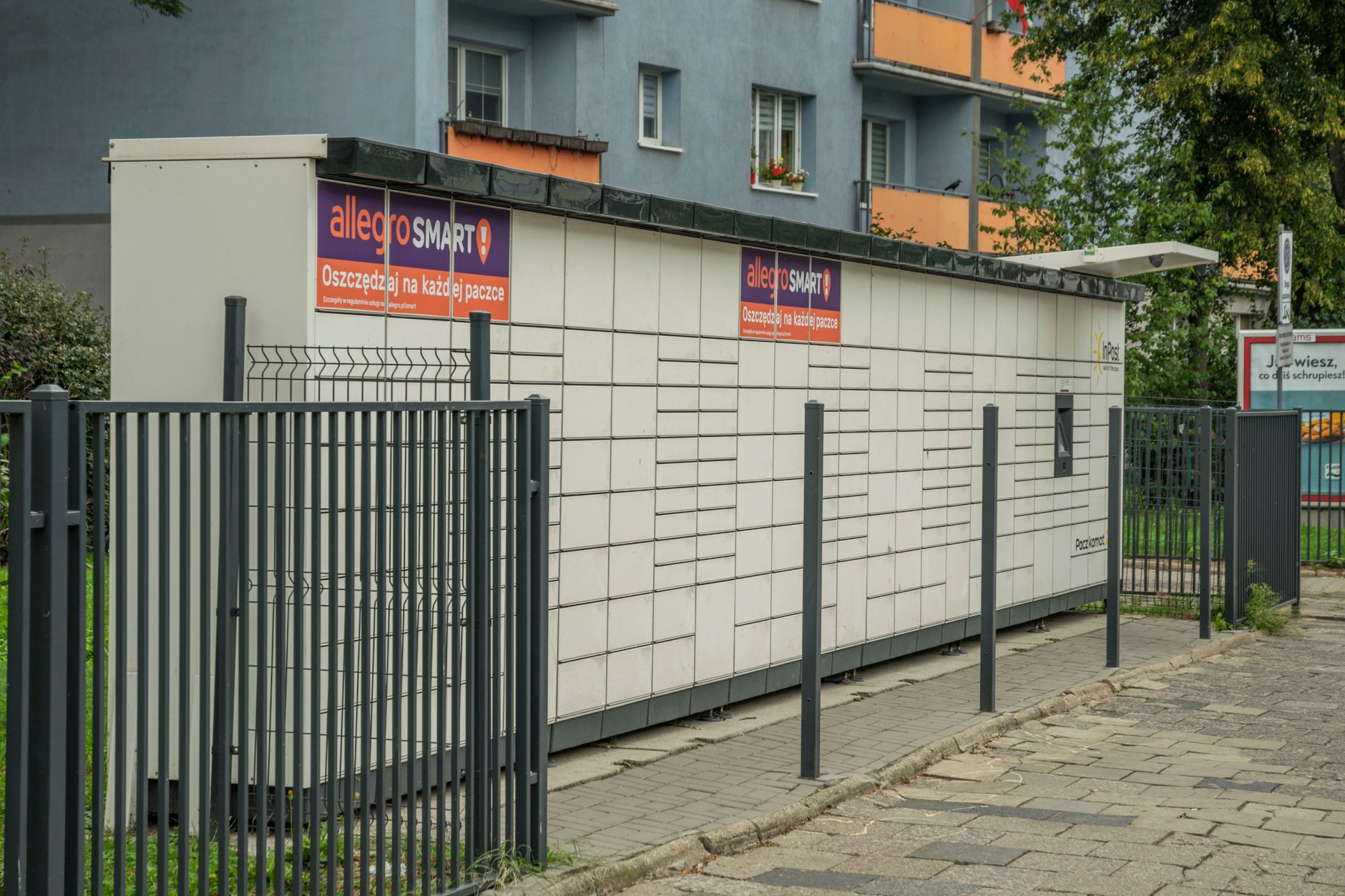
Overview
Smart lockers are automated storage solutions designed to securely hold packages for pickup or delivery. They play a critical role in enhancing logistics efficiency by providing convenient access points for customers and reducing the manual workload on fulfillment staff. Increasingly popular in various sectors, smart lockers facilitate secure, contactless parcel transactions, contributing to improved supply chain efficiency and customer satisfaction.
Etymology and Origins
The term "smart locker" has evolved from the traditional concept of lockers into a high-tech variant integrated with digital systems and connectivity. While lockers have existed for centuries, the "smart" prefix signifies integration with technology that allows for remote access, real-time tracking, and automation. The first documented usage of the term can be traced back to the late 1990s, when smart technology began to infiltrate consumer goods, particularly with the growth of e-commerce. This marked the initial demand for innovative parcel delivery solutions, leading to the development of smart lockers designed to meet consumer needs. In terms of linguistic roots, "smart" denotes intelligent, efficient, and automated systems that improve user experience. Over time, the term has evolved to include features like remote monitoring and digital accessibility in various sectors.
Historical Development
The history of smart lockers can be traced back to the early 2000s. In 2001, some of the first systems were implemented for e-commerce deliveries, revolutionizing how consumers received parcels. Notably, companies like Amazon and Parcel Pending have been pivotal in the adoption and evolution of smart lockers over subsequent decades. The timeline includes significant milestones such as:
- 2000s: Early adopters began testing smart locker prototypes, primarily in urban environments, influenced by the rise of e-commerce retail.
- 2010: Expansion in installation across college campuses and urban centers where secure package pickups became crucial due to increasing online shopping.
- 2020: Accelerated growth due to the COVID-19 pandemic, which prompted a significant uptick in demand for contactless delivery solutions. A 2020 report highlighted this trend, showcasing how smart lockers facilitated a safer shopping experience during global lockdowns.
- Present: Advanced features, including integration with mobile warehouse management systems, allow for efficient inventory management and seamless operations, reflecting the ongoing technological evolution within logistics.
Core Concepts
Smart lockers operate through an electronic management system that interacts with users via mobile applications or touchscreens. Each locker is equipped with locking mechanisms that can be controlled remotely. Typically, smart lockers feature:
- Cloud connectivity: This allows for real-time management and monitoring of locker status, ensuring that the inventory and access points are efficiently tracked. This integration is essential for meeting the demands of modern logistics environments.
- User authentication: Secure systems ensure only authorized individuals can access the lockers, enhancing security during delivery and pickup.
- Automated notifications: Users receive alerts via text or app notifications when packages are delivered or available for pickup.
Types and Classifications
Smart lockers come in various forms, tailored for different environments and user needs:
- Retail lockers: Used in grocery stores and shopping malls for e-commerce pickups.
- Residential lockers: Installed in apartment complexes to facilitate deliveries, improving convenience for residents.
- Campus lockers: Common in universities to simplify the package pickup process for students, reducing congestion related to deliveries.
- Corporate lockers: Used by companies for employee parcel management, streamlining everyday logistics operations.
Industry Applications
Smart lockers are increasingly integrated across various sectors, including:
- E-commerce: Offering convenient pickup points for online shoppers to reduce missed deliveries.
- Logistics: Streamlining last-mile delivery processes and improving operational efficiency by minimizing delivery touchpoints.
- Higher education: Reducing congestion related to package deliveries on college campuses, making logistics management a key strategic focus for universities.
Benefits and Advantages
The implementation of smart lockers brings numerous benefits to organizations:
- Enhanced security: Reduces risks associated with package theft or loss, particularly in urban settings.
- Space efficiency: Optimizes storage in urban environments where space is limited. As urbanization increases, this becomes increasingly relevant.
- Labor savings: Minimizes the need for staff to manage package deliveries manually, allowing resources to be allocated elsewhere.
- Increased customer satisfaction: Provides customers with flexible pickup options which enhances loyalty and encourages repeat business.
Challenges and Limitations
Despite their advantages, smart lockers do face some challenges:
- Initial costs: High upfront investment can deter small businesses from adopting this technology, even with its long-term benefits.
- Maintenance: Regular upkeep is needed to ensure functionality and security, highlighting the importance of partner reliability for service and repairs.
- User adoption: Encouraging customers to utilize this technology requires education and innovation in marketing strategies to build awareness and trust in smart locker systems.
Technology and Tools
The development of smart lockers has been supported by advancements in technology:
- Internet of Things (IoT): Smart lockers often incorporate IoT technology, enabling better connectivity and on-demand management.
- Mobile apps: Many solutions provide user-friendly interfaces for easy access and notifications. These apps frequently interface with systems like the order management system to streamline operations further, creating a cohesive experience for users.
Future Trends
The future of smart lockers looks promising with:
- Increased integration with AI and machine learning for predictive analytics in inventory management, enhancing operational forecasting.
- Greater penetration in logistics hubs and transportation networks due to rising urban populations.
- Advancements in eco-friendly materials used for locker construction, aligning with sustainability goals in the logistics industry, reflecting a growing trend towards environmental responsibility.
Related Concepts
Smart lockers interconnect with various logistics concepts, including last-mile delivery, inventory management, and automated fulfillment systems. Their roles in enhancing supply chain responsiveness and operational efficiency highlight the importance of continued innovation in storage and delivery solutions.
Sources
- Mobile Warehouse Management System Overview
- Order Management System
- Benefits and Costs of Smart Lockers
- Smart Locker Trends
- Innovations in Delivery Solutions
- The Future of Last-Mile Delivery
- The Role of Cloud Computing in Logistics
- Adoption of Automated Parcel Locker in the Modern City: A Literature Review