Sloan Management
Sloan Management encompasses effective methodologies for improving business processes and decision-making in logistics.
Updated
Overview
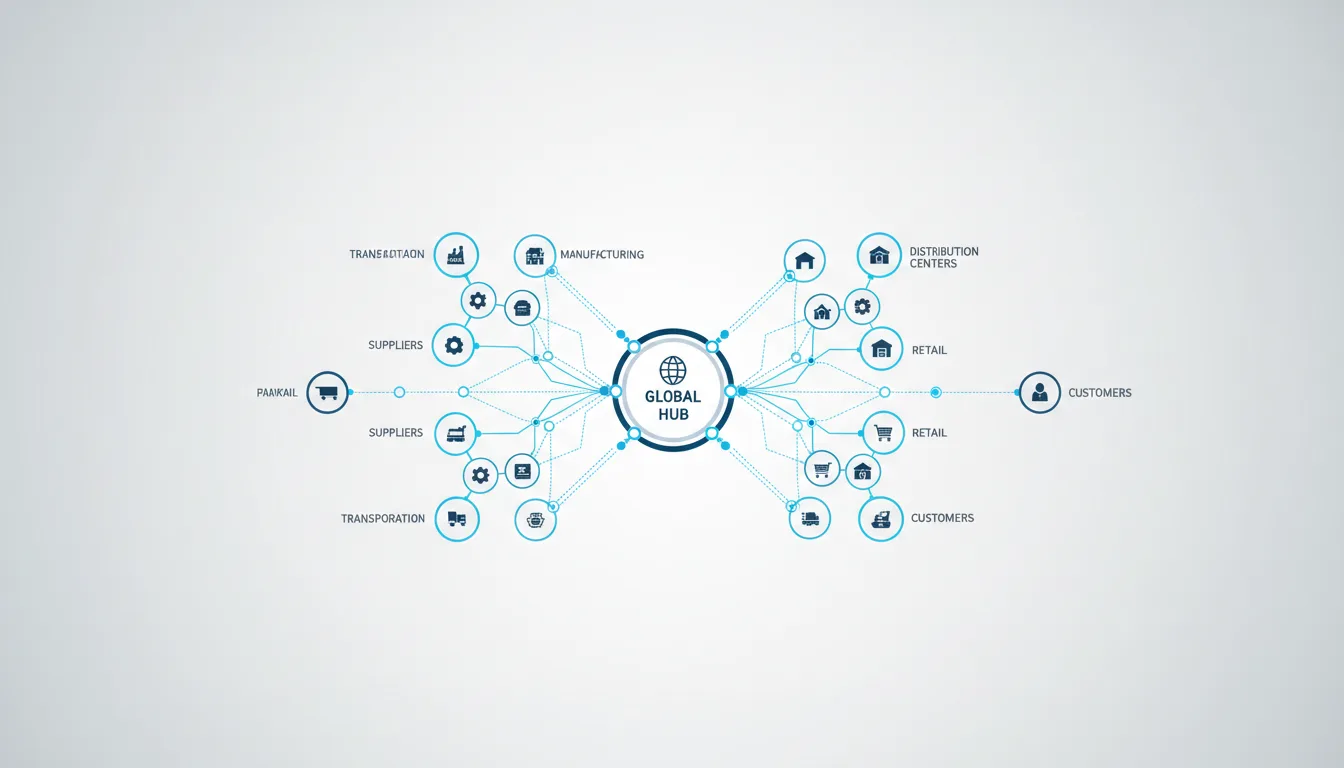
Sloan Management refers to the strategic frameworks and methodologies developed and popularized by the MIT Sloan School of Management, particularly focusing on enhancing organizational effectiveness in business, including logistics and supply chain management. Its principles emphasize data-driven decision-making, leveraging technological advancements, and fostering innovation across various business sectors to improve operational efficiency, adaptability, and strategic alignment.
Etymology and Origins
The term "Sloan Management" originates from the name of the MIT Sloan School of Management, which traces its roots back to 1914 as the Department of Engineering Administration at MIT. It was later endowed and renamed in 1952 to honor Alfred P. Sloan Jr., a prominent business executive and former CEO of General Motors. Sloan, during his tenure from 1923 to 1956, championed a revolutionary approach to corporate structure and management. He famously implemented a decentralized operating organization with centralized policy control at GM, a model detailed in his seminal work, My Years with General Motors.
Sloan's philosophy emphasized the necessity of data, empirical research, and logical analysis in decision-making processes, moving away from purely intuitive management. This structured, analytical approach to complex organizational challenges profoundly influenced the school's curriculum and research agenda, solidifying its commitment to applying scientific methods to management problems. The Sloan Fellows program, established in 1931, further cemented this legacy by training future leaders in these rigorous management principles.
Historical Development
The Beginnings: 1914–1950s
MIT's engagement with management education began in 1914 with the Department of Engineering Administration, an early recognition of the need for technically proficient managers. The foundational influence of Frederick Winslow Taylor's scientific management principles was palpable, focusing on efficiency and process optimization. However, the true inflection point came with Alfred P. Sloan Jr.'s endowment in 1952, transforming the department into the Sloan School of Management. This era saw the introduction of rigorous quantitative methods into business education, driven by post-World War II advancements in operations research and early computer science applications. Key figures like Jay Forrester at MIT began developing System Dynamics in the mid-1950s, a methodology for understanding complex systems and feedback loops that became a hallmark of the Sloan approach.
1960s–1970s: Expanding Influence and Systems Thinking
The 1960s solidified the Sloan approach as a vital academic method, integrating advanced quantitative techniques, management science, and systems strategy into management education. This period saw a significant focus on using mathematical models for decision-making, forecasting, and optimizing logistics. The growing power of early mainframe computers enabled more sophisticated data analysis and simulation, moving beyond theoretical models to practical applications in supply chain planning and inventory control. Seminal publications from this era emphasized the analytical rigor required for strategic planning and resource allocation.
1980s–Present: Digital Transformation and Global Supply Chains
As technology became paramount, Sloan Management adapted to focus on information systems, lean management principles, and the nascent field of Supply Chain Management. The proliferation of personal computers and networking capabilities in the 1980s led to the development and widespread adoption of Material Requirements Planning (MRP) and later, Enterprise Resource Planning (ERP) systems. These systems, influenced by the data-driven and holistic approach espoused by Sloan, revolutionized how companies managed production, inventory, and procurement. For instance, IBM's development of early MRP systems allowed for better planning and inventory control, echoing Sloan's emphasis on structured processes. Companies began employing sophisticated algorithms and analytics to predict supply chain disruptions, improving resilience and efficiency, particularly influenced by the Japanese manufacturing prowess in Just-in-Time (JIT) production, which aligned well with Sloan's efficiency tenets.
In recent decades, the focus has shifted further towards Big Data analytics, Artificial Intelligence (AI), and Machine Learning (ML) to optimize complex global supply chains. Modern warehouse management systems and order management systems are direct descendants of these foundational principles, enabling real-time visibility, predictive capabilities, and automated decision-making. The increasing complexity of global commerce, e-commerce fulfillment, and customer expectations have further underscored the need for the structured, analytical, and adaptive management approaches championed by Sloan.
Core Concepts
At its core, Sloan Management encourages a scientific perspective on business and logistics, emphasizing both analytical rigor and practical application. Key concepts include:
- Data-Driven Decision Making: This foundational principle advocates for the use of rigorous data analysis, statistical methods, and quantitative modeling to inform strategic and operational decisions. It moves beyond intuition by utilizing business intelligence tools and
predictive analyticsto understand market trends, optimize processes, and mitigate risks. For logistics, this means using real-time data fromIoT sensorsand WMS systems to optimize routes, manage inventory, and anticipate demand. - Innovative Management Practices: Integrating advanced technologies such as
Artificial Intelligence,Machine Learning,blockchain, anddigital twinsto optimize operations and create new business models. This extends to adopting agile methodologies and fostering a culture of continuous improvement and experimentation within organizations. - Holistic View of Systems: Unlike previous siloed approaches, Sloan Management emphasizes understanding the entire supply chain ecosystem as an interconnected system. This
systems thinkingapproach, influenced by Jay Forrester's work, recognizes the interdependence of various components and the importance offeedback loopsin achieving overall system optimization. It promotessupply chain integrationand collaboration across functions and with external partners. - Strategic Alignment and Organizational Design: Reflecting Alfred P. Sloan Jr.'s work at GM, this concept stresses the importance of designing organizational structures and processes that support strategic objectives. This includes balancing centralized policy control with decentralized operational execution, ensuring clarity in roles, and establishing effective performance metrics. This allows for flexibility within a coherent strategic framework.
Industry Applications
Sloan Management principles have been pivotal across various sectors, demonstrating their versatility and impact:
- Automotive: Manufacturers like Toyota have famously applied and evolved these methods through their Toyota Production System (TPS), which is a prime example of
lean manufacturing. TPS refines production processes, minimizes waste, and improves supply chain agility through concepts likeJust-in-Time (JIT)inventory andKaizen(continuous improvement). This enables efficient production even with complex global supply networks. - Retail and E-commerce: Companies leverage advanced
supply chain management softwareto optimize inventory turnover, enhance customer satisfaction, and manageomnichannel fulfillment. This involves using order management systems to streamline order processing, mobile warehouse management systems for efficient picking and packing, anddemand forecastingmodels to prevent stockouts and overstocking. For example, large e-commerce players use real-time data to dynamically adjust inventory across multiple fulfillment centers. - Healthcare: Implementing efficient management and logistics ensures timely delivery of critical medical supplies, pharmaceuticals, and equipment.
Cold chain logisticsfor vaccines,track-and-tracesystems for medical devices, and optimized hospital inventory management are direct applications, improving patient outcomes and reducing operational costs. The COVID-19 pandemic further highlighted the crucial role of robust, Sloan-inspired supply chain planning in public health crises. - Technology & Manufacturing: High-tech companies use these principles for accelerated product development cycles, managing complex global component sourcing, and optimizing intricate manufacturing processes. This includes utilizing
advanced analyticsfor quality control and predictive maintenance.
Benefits and Advantages
Successful application of Sloan Management principles results in numerous benefits:
- Enhanced Efficiency and Productivity: Streamlined processes, reduced waste, and optimized resource allocation lead to significant cost reductions and improved operational speed. This includes faster order fulfillment and lower inventory holding costs.
- Improved Decision-Making: The emphasis on data and analytical tools provides leadership with a clearer, more objective basis for strategic planning, operational adjustments, and risk mitigation. This leads to more informed and proactive management.
- Innovation and Flexibility: By fostering a culture of continuous improvement and technological adoption, Sloan philosophies enable organizations to quickly adapt to market changes, embrace new technologies (like
AI in logistics), and maintain a competitive edge. - Strategic Alignment: A clear focus on organizational design ensures that departmental goals and operational activities are aligned with overarching corporate strategy, promoting cohesive growth and resource utilization.
Challenges and Limitations
While the benefits of Sloan Management are clear, challenges persist in its implementation and application:
- Implementation Complexity: Organizations may struggle to integrate new technologies, such as advanced
WMSorERPsystems, and adopt new data-driven practices. This often requires significant capital investment, IT infrastructure upgrades, and overcomingdata integration challengesacross disparate systems. - Resistance to Change: Employees accustomed to traditional methods may resist the structural shifts in management style, new technological tools, and changes in workflow. Overcoming this requires robust change management strategies, comprehensive training, and clear communication of benefits.
- Cost of Technology Adoption: Investing in advanced analytics platforms, AI solutions, and integrated software systems can be substantial, especially for small to medium-sized enterprises (SMEs), potentially creating a barrier to entry.
- Data Quality and Availability: The efficacy of data-driven decision-making is entirely dependent on the quality, accuracy, and accessibility of data. Poor data hygiene or fragmented data sources can undermine analytical efforts.
Best Practices
To effectively adopt and leverage Sloan Management principles, organizations should consider:
- Continuous Learning and Talent Development: Engage in ongoing training and workshops to keep teams updated on industry trends, new technologies, and analytical methodologies. This fosters
organizational agilityand builds internal capabilities for data analysis and strategic thinking. - Strategic Investment in Technology: Implement advanced systems for
inventory management(visual inventory management systems),warehouse management(mobile warehouse management systems),order fulfillment(pick, pack, ship software), anddata analytics. Prioritize solutions that offer integration capabilities and real-time insights. - Encourage Cross-Functional Collaboration: Foster robust communication and collaboration across departments (e.g., logistics, finance, marketing, IT) and with external partners (suppliers, distributors). Utilizing tools like a vendor portal can streamline supplier interactions and procurement processes, aligning goals and practices across the extended supply chain.
- Establish Clear Metrics and KPIs: Define clear Key Performance Indicators (KPIs) to measure efficiency, effectiveness, and progress towards strategic objectives. Regularly review these metrics to identify areas for improvement and ensure accountability.
- Cultivate a Culture of Experimentation: Encourage pilot programs and iterative improvements, allowing teams to test new ideas and technologies on a smaller scale before wider implementation, embodying the scientific approach to management.
Future Trends
The field of Sloan Management continues to evolve rapidly, driven by technological innovation and changing global dynamics:
- Advanced AI and Automation: Expect even greater reliance on
AIandMachine Learningfor sophisticatedpredictive analytics(e.g., demand forecasting, predictive maintenance),route optimization, andautomated logistics solutionsincludingroboticsin warehouses and potentiallyautonomous vehiclesfor transportation. This will further enhance efficiency and reduce human error. - Sustainable and Circular Supply Chains: As businesses increasingly prioritize environmental, social, and governance (ESG) factors, managing supply chains with environmental considerations will become crucial. This includes focusing on
green logistics,carbon footprint reduction, and adoptingcircular economy principlesto minimize waste and maximize resource utility. - Supply Chain Resilience and Risk Management: Lessons from recent global disruptions highlight the need for highly resilient and agile supply chains. Future trends will emphasize strategies for
risk mitigation,diversification of suppliers,regionalization of production, and the use ofblockchainfor enhanced transparency and traceability. - Hyper-Personalization and E-commerce Fulfillment: Growing customer expectations for rapid, personalized delivery will drive further innovation in
last-mile delivery,micro-fulfillment centers, and highly flexibleorder fulfillmentstrategies, leveraging data for individual customer preferences.
Related Concepts
Sloan Management overlaps significantly with Lean Management, Supply Chain Management, and Operations Research, where efficiency, data reliability, and systemic optimization are paramount. Understanding these interconnections can deepen insights into operational strategies in logistics and business management, including Strategic Management, Organizational Behavior, and Systems Thinking. These fields collectively contribute to developing robust, adaptable, and scientifically-grounded approaches to managing complex organizations in dynamic environments.
Sources
- MIT Sloan School of Management
- Operations Research
- Mobile Warehouse Management System
- Order Management System
- Big Data: The Management Revolution
- Alfred P. Sloan
- My Years with General Motors
- Sloan Fellows MBA
- Jay Wright Forrester
- The History of the Personal Computer
- Just-In-Time (JIT) Inventory
- Visual Inventory Management System
- Pick, Pack, Ship Software
- Vendor Portal
- Business Intelligence (BI)
- Toyota Production System