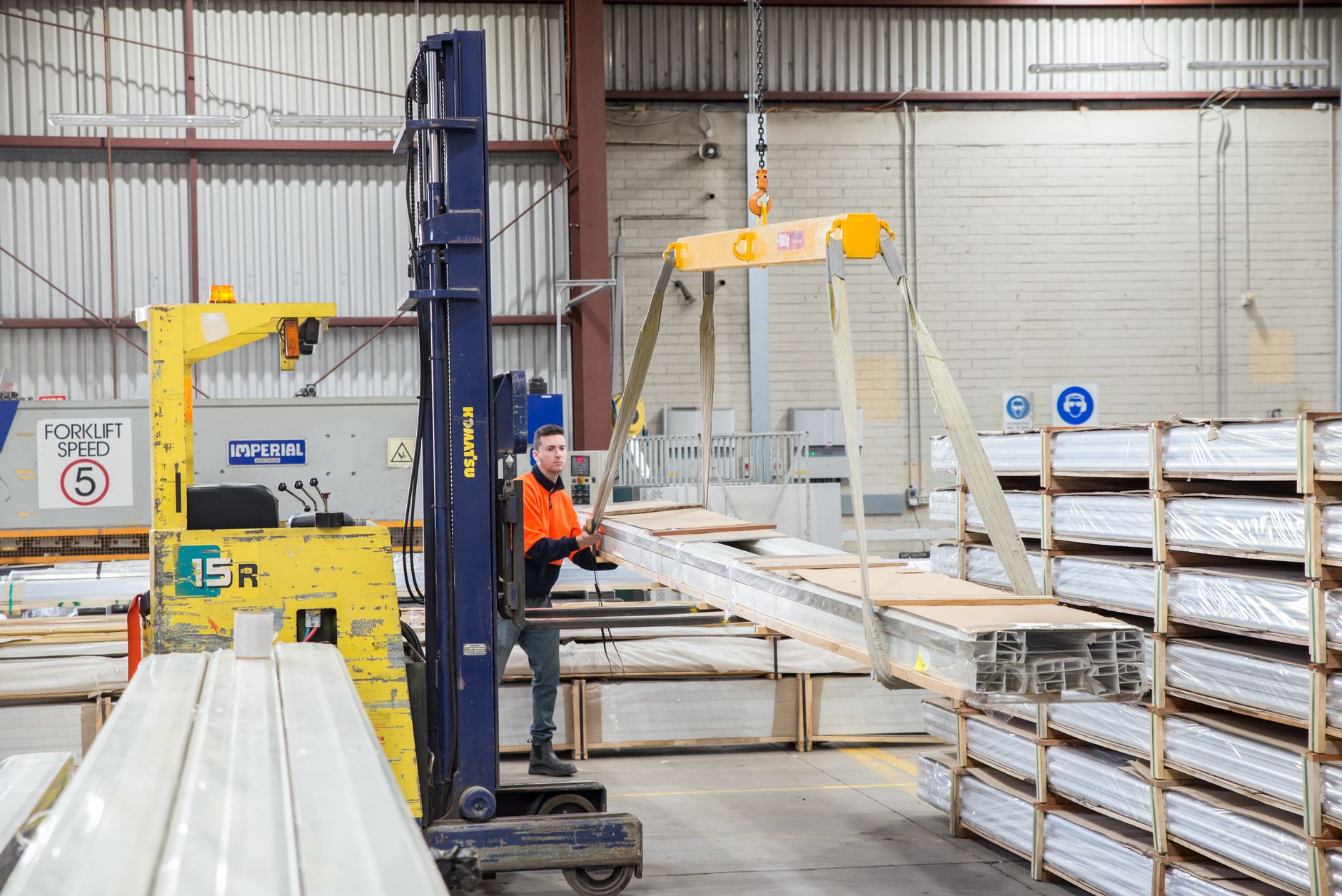
Slip Sheet Handling
Overview
Slip sheet handling involves the use of thin, flat sheets, typically made from recycled paperboard, corrugated fiberboard, or plastic, to facilitate the movement and storage of goods in warehouses, distribution centers, and during transportation. These sheets serve as a direct replacement for traditional wooden or plastic pallets. Unlike pallets, slip sheets are significantly lighter, thinner, and require considerably less space for storage and transport, thereby improving operational efficiency and reducing costs across the supply chain. This method is particularly beneficial in scenarios where maximizing storage density is crucial, as it allows for more products to be stored in the same cubic space within trailers, containers, or warehouses [4]. The system also contributes to a lower overall shipping weight, leading to reduced fuel consumption and freight expenses.
Etymology and Origins
The term "slip sheet" is descriptive, referring to the way these sheets are utilized to slip underneath a unit load for easier handling and movement. The concept emerged as an evolution of unit load principles, aiming to optimize space and reduce material costs associated with traditional pallets. While the precise first documented usage is challenging to pinpoint to a single date or inventor, the underlying technology began to take shape in the mid-20th century. Early innovations in material science, particularly advancements in high-strength, multi-ply paperboard and later, durable plastics, allowed for the development of these robust yet thin load carriers [5].
Initially, businesses sought alternatives to wooden pallets due to their cost, weight, maintenance issues, and the space they consumed during return trips or storage. The terminology has since evolved to encompass various materials and designs, reflecting ongoing advancements in logistics and material handling technologies. The core idea, however, remains: a low-profile, disposable, or reusable sheet that supports a load for mechanical handling.
Historical Development
The widespread adoption of slip sheets gained significant traction from the 1970s through the 1980s, coinciding with a global push for enhanced supply chain efficiency and cost reduction. The move away from loose cargo handling to unit loads, often on pallets, had already revolutionized logistics in the mid-20th century. However, the inherent drawbacks of pallets—their bulk, weight, and the space they occupied—prompted further innovation.
Key drivers for slip sheet adoption included the rise of intermodal shipping and increased containerization, where every inch of space was critical. Early adopters were often large-scale manufacturers and distributors of fast-moving consumer goods (FMCG), such as Procter & Gamble and Unilever, which recognized the economic and logistical advantages in optimizing their vast supply chain operations [6]. These companies sought ways to maximize product volume per container and reduce the tare weight of their shipments. Academic research and seminal publications in logistics and warehouse management from this era began to highlight the significant cost savings and operational benefits of slip sheet systems, often citing reductions in freight costs and increased storage density [7].
Technologically, the evolution began with simple, often single-use cardboard sheets. Over time, materials advanced to include multi-layer paperboard with enhanced moisture resistance and structural integrity, and eventually, durable plastic composites. These more sophisticated versions were designed for repetitive use or for applications requiring greater durability under heavy or challenging loads. The development of specialized forklift attachments, known as push-pull attachments, was a critical enabler for the practical use of slip sheets, allowing standard forklifts to handle loads without traditional pallet forks [8]. This integration of specialized equipment marked a significant milestone in the broader acceptance and growth of slip sheet handling as a viable alternative to traditional palletization.
Core Concepts
Slip sheets function by providing a stable, low-profile platform for unit loads, which are then handled by forklifts equipped with specialized attachments. The fundamental principles at play involve:
- Friction and Weight Distribution: The unit load (e.g., cases, bags, or boxes) is stacked directly onto the slip sheet. The sheet's surface provides sufficient friction to hold the load securely during movement, while its material strength ensures even weight distribution across the handling surface. The sheet itself must be robust enough to withstand the weight of the goods without tearing or collapsing, yet flexible enough for the push-pull mechanism.
- Specialized Push-Pull Attachments: Standard forklifts require a push-pull attachment to manipulate slip sheet loads. This attachment consists of thin, wide platens (similar to forks but wider and thinner) that slide under the sheet's lip or flap, and a gripper mechanism that clamps onto this lip. The attachment then pulls the load onto the platens for transport or pushes it off for unloading. This innovation in handling systems bypasses the need for conventional pallet forks, significantly reducing the overall height required for lifting and stacking.
- Load Stability: Proper stacking and wrapping (e.g., stretch wrapping) are essential to ensure the stability of the load on the slip sheet. The absence of a rigid pallet base means that the load's integrity relies heavily on its internal cohesion and external securing methods. This ensures safe transport and prevents product damage.
By leveraging these core concepts, businesses can achieve higher throughput rates, as slip sheet handling can be faster in certain environments due to the simplified nature of the load unit. Integrating automated guided vehicles (AGVs) or automated storage and retrieval systems (AS/RS) equipped with compatible push-pull mechanisms can further enhance operational efficiency, reducing the time required for inventory movement and replenishment in highly automated facilities.
Benefits and Advantages
The adoption of slip sheet handling offers several compelling advantages, making it a strategic choice for many logistics operations:
- Significant Cost Reduction: Slip sheets are substantially less expensive to purchase than traditional wooden or plastic pallets. The cost per unit load can be reduced by 80-90% compared to pallets [9]. Furthermore, their lightweight nature drastically reduces shipping costs, particularly in air freight and long-distance road/rail transport, due to lower tare weight. This also eliminates pallet exchange fees and repair costs.
- Superior Space Efficiency: Their minimal thickness (typically 1-3mm) allows for denser stacking in warehouses and transport vehicles. This means up to 10-15% more product can be loaded into a shipping container or trailer, maximizing cubic utilization and providing a significant boost to storage capacity in facilities with limited floor space [10]. This can lead to reduced warehouse footprint requirements or increased throughput within existing facilities.
- Environmental Sustainability: Made often from recycled or recyclable materials (paperboard or plastic), slip sheets contribute to reduced waste compared to disposable wooden pallets. Their lighter weight also translates to lower fuel consumption and associated greenhouse gas emissions during transportation, aligning with modern sustainability goals in logistics.
- Improved Safety and Hygiene: Without splinters, nails, or sharp edges common with wooden pallets, slip sheets can reduce workplace injuries. They are also easier to clean or are disposable, making them suitable for industries with strict hygiene requirements (e.g., food, pharmaceuticals) as they do not harbor pests or contaminants like wood can.
- Flexibility and Global Compatibility: Slip sheets are universally accepted for international shipping, bypassing strict phytosanitary regulations (like ISPM 15) that apply to wooden pallets, simplifying customs processes and reducing potential delays for global supply chains. Their compatibility with various types of transport equipment (once the correct forklift attachment is present) allows for smoother transitions throughout the supply chain.
Challenges and Limitations
Despite their numerous advantages, slip sheet handling presents specific challenges and limitations that organizations must address:
- Equipment Compatibility and Investment: The primary limitation is the requirement for specialized push-pull forklift attachments. This represents an initial capital investment for companies transitioning from pallet-based systems. While modern forklifts can often be retrofitted, careful planning and budgeting are necessary. This specialized equipment can also reduce the versatility of a forklift, as switching between pallet forks and push-pull attachments takes time [11].
- Training Needs and Operator Skill: Workers require specific training to operate forklifts with push-pull attachments proficiently and safely. The learning curve can be steeper than with traditional pallet handling, and improper operation can lead to damaged goods or injuries. Initial operational downtime may increase during the training phase, and ongoing reinforcement of best practices is crucial.
- Load Stability and Product Damage Risk: Unit loads on slip sheets lack the rigid base support of a pallet. This makes them more susceptible to shifting or damage if not properly stabilized (e.g., with shrink wrap, banding, or appropriate stacking patterns). Fragile or irregularly shaped items may require additional dunnage or packaging considerations. Loads cannot be lifted from below in the same way as pallets, which limits certain handling maneuvers.
- Environmental Factors and Durability: Paper-based slip sheets can be susceptible to moisture absorption, reducing their strength and integrity in damp environments. While plastic slip sheets offer greater resistance, they are generally more expensive. Both types can be damaged by punctures or excessive friction, potentially compromising the load.
- Limited Reusability: While plastic slip sheets are designed for multiple uses, paper-based ones are often single-trip, which, while beneficial for disposability, can still contribute to waste if not recycled properly. The return logistics for reusable slip sheets also needs to be managed, similar to pallets.
Best Practices
To maximize the benefits and mitigate the challenges of slip sheet handling, organizations should implement comprehensive best practices:
- Comprehensive Staff Training: Develop and implement robust training programs for all forklift operators on the safe and efficient use of push-pull attachments. Training should cover proper load engagement, lifting, maneuvering, stacking techniques, and troubleshooting common issues. Emphasize load stability and damage prevention [12].
- Thorough Equipment Evaluation and Maintenance: Conduct a detailed cost-benefit analysis to assess the acquisition of specialized push-pull attachments versus traditional handling systems. Ensure that chosen attachments are compatible with the existing forklift fleet and the types of slip sheets and loads being handled. Implement a rigorous maintenance schedule for all handling equipment to ensure optimal performance and safety.
- Optimized Warehouse and Loading Bay Layouts: Design warehouse layouts to facilitate efficient slip sheet movement, ensuring adequate clear aisles and staging areas. Optimize loading and unloading docks for slip sheet operations, potentially requiring adjustments to dock levelers or staging lanes to support the unique handling methods.
- Strategic Material Selection: Choose slip sheet materials (paperboard, corrugated, plastic) based on load weight, product fragility, exposure to moisture, intended reusability, and budget. For heavy or moisture-sensitive goods, consider plastic slip sheets. For single-use, dry applications, multi-ply paperboard may suffice.
- Robust Load Preparation: Ensure all unit loads are properly stacked, squared, and secured (e.g., with stretch wrap, banding, or corner boards) to maximize stability on the slip sheet. This is critical for preventing shifting, product damage, and improving safety during transport and handling.
- Integration with Warehouse Management Systems: Leverage WMS capabilities to track slip sheet inventory, manage specific bin locations for slip sheet loads, and optimize putaway and retrieval strategies. Accurate inventory visibility is key for high-density storage environments.
Technology and Tools
Slip sheet handling has benefited significantly from advancements in warehouse management systems (WMS) and related technologies. Modern WMS platforms provide the crucial infrastructure for managing the unique aspects of slip sheet inventory.
- Advanced WMS Integration: Tools such as mobile warehouse management systems are essential for tracking and managing inventory handled with slip sheets. These systems allow for precise bin put-away criteria and detailed location tracking, which is vital in high-density storage environments where slip sheets are often used. A robust WMS can manage the movement of slip sheet loads, optimize storage locations using a visual warehouse layout, and streamline picking processes, contributing to precise inventory control and expedited operations. Additionally, integration with systems for order management ensures seamless data flow from order placement to shipment.
- Automated Identification Technologies: Technologies like RFID and barcoding have further enhanced inventory accuracy by enabling rapid and reliable scanning of slip sheet loads. This allows for automated tracking of goods as they move through the facility, reducing manual errors and improving data integrity within the WMS. For instance, scanning a barcode on a slip sheet can instantly update its location and contents within the system.
- Automated Guided Vehicles (AGVs) and Robotics: The integration of AGVs and autonomous mobile robots (AMRs) equipped with specialized push-pull attachments or robotic grippers represents a significant technological leap. These automated solutions can perform repetitive slip sheet handling tasks, further boosting efficiency, reducing labor costs, and improving safety in the warehouse. This represents a key aspect of warehouse automation.
- Load Stability Solutions: Innovations in packaging, such as advanced stretch wrap films, automated stretch wrappers, and specialized load securing techniques, ensure that goods remain stable and undamaged on slip sheets, even in dynamic transport conditions. This is often managed through predefined workflows within the WMS or separate packaging machinery controls.
Future Trends
As logistics continues to evolve with automation, sustainability, and data-driven decision-making as focal points, slip sheet handling is likely to see increased adoption and innovation:
- Advanced Material Science: Expect further innovations in slip sheet materials, including stronger, lighter, and more sustainable options. This could involve biodegradable plastics, advanced composites with embedded sensors, or smart paperboard with enhanced moisture and impact resistance, moving towards a truly circular supply chain model.
- Enhanced Automation and Robotics: The integration of slip sheets with next-generation robotics, including more versatile AGVs and collaborative robots (cobots), will become more sophisticated. These systems will be capable of handling diverse load types and navigating complex warehouse environments with greater autonomy and precision, further reducing manual labor requirements.
- AI-Driven Optimization: Artificial intelligence and machine learning will play a growing role in optimizing slip sheet usage. AI can analyze data from WMS and other systems to predict optimal slip sheet material selection based on load characteristics, optimize container loading for maximum density, and even forecast maintenance needs for push-pull attachments. This will enhance inventory management and operational efficiency.
- Smart Slip Sheets: The potential for embedding IoT sensors directly into slip sheets for real-time tracking of location, temperature, humidity, and impact during transit is an emerging trend. This would provide unprecedented visibility into the condition of goods throughout the supply chain, enabling proactive interventions and improving quality control.
- Sustainability Imperative: Driven by consumer demand and regulatory pressures, the emphasis on environmentally friendly logistics will accelerate the adoption of reusable and highly recyclable slip sheet options. Companies will prioritize solutions that minimize their carbon footprint and reduce waste throughout their operations.
Related Concepts
Slip sheet handling is intrinsically linked to several broader logistics and supply chain management concepts. Its effective implementation often involves a holistic approach that considers:
- Unit Load Principle: Slip sheets are a direct application and evolution of the unit load concept, which aims to consolidate smaller packages into larger, standardized units for efficient handling, storage, and transport.
- Warehouse Optimization Strategies: The space-saving benefits of slip sheets directly contribute to warehouse optimization by allowing for higher storage density and better utilization of cubic space, particularly important in regions with high real estate costs. This impacts everything from stock replenishment to order fulfillment.
- Inventory Management: Accurate tracking of inventory, especially when leveraging high-density storage, is paramount. Slip sheets require robust inventory management systems to maintain visibility and prevent errors.
- Pallet Management and Alternatives: Slip sheets are a key alternative to traditional palletization, and their adoption often stems from a comprehensive analysis of pallet costs, logistics, and environmental impact. Understanding this comparison is crucial for making informed decisions regarding material handling equipment.
- Supply Chain Resilience and Agility: By reducing weight and volume, slip sheets can contribute to a more agile supply chain, enabling faster movement of goods and potentially more flexible shipping options, especially across international borders where pallet regulations can cause delays.
Understanding how slip sheets fit into these broader supply chain processes can help logistics professionals make informed decisions regarding equipment purchases, operational changes, and strategic planning.