The Significant Role of Logistics in Supply Chain Management
This article explores the critical significance of logistics in the functioning of supply chain management, its evolution, core concepts, and industry applications.
Updated
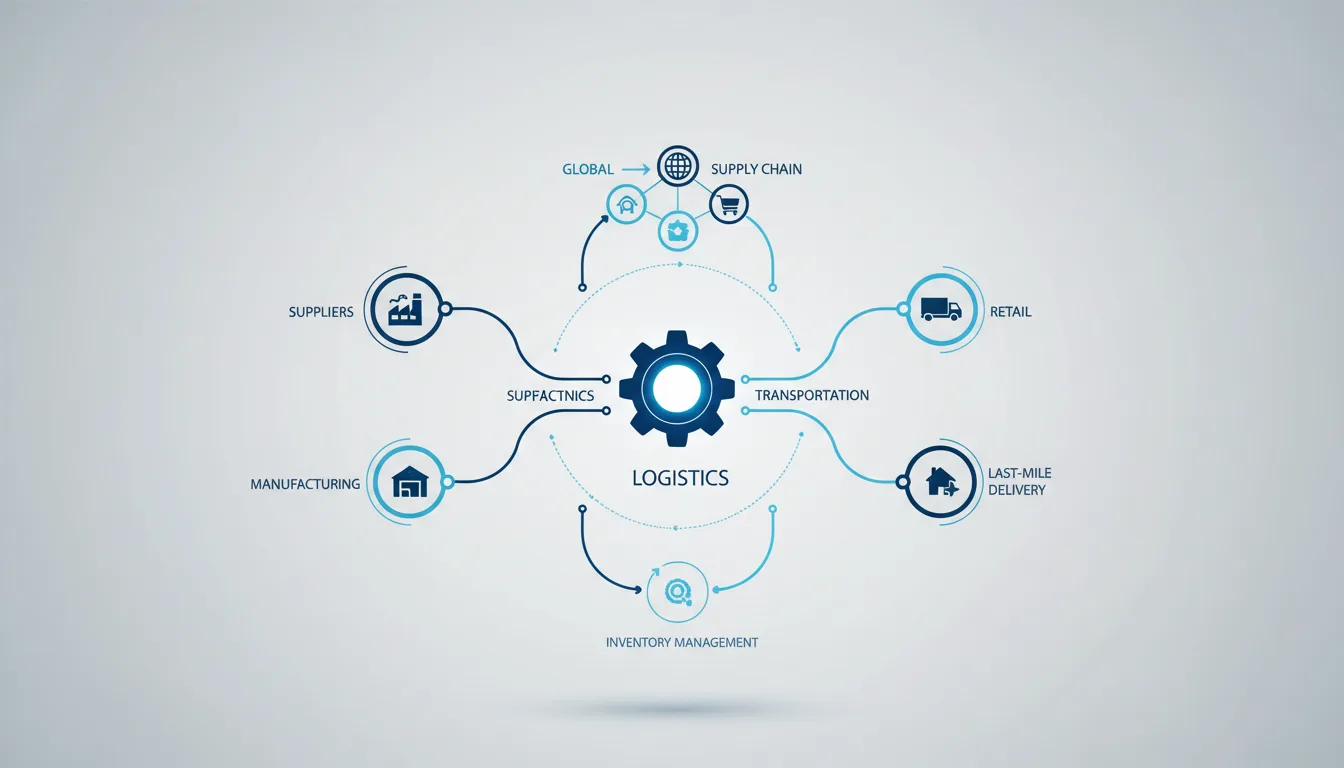
Overview
Logistics plays a crucial role in supply chain management, acting as the backbone that connects all phases from raw material acquisition to final product delivery. It encompasses a comprehensive range of activities related to the efficient and effective forward and reverse flow and storage of goods, services, and related information between the point of origin and the point of consumption [7]. The primary purpose of logistics is to ensure that the right products are delivered in the right quantities, to the right locations, at the right time, in the right condition, to the right customer, and at the right cost – often referred to as the "Seven Rs" of logistics [8]. By optimizing these flows, logistics enhances efficiency, reduces costs, and significantly impacts customer satisfaction, operational performance, and competitive advantage across various industries.
Etymology and Origins
The term "logistics" has a rich history, primarily originating from military science before its widespread adoption in business and supply chain management. Its linguistic roots can be traced to the French word logistique, meaning the art of quartering troops [9]. This, in turn, derived from the Greek logistikos (skilled in calculating) and logisterion (an accounting office) [10].
The first documented usage of a concept akin to modern logistics can be found in ancient military texts, where it referred to the practical aspects of moving, supplying, and housing armies [11]. The Byzantine Emperor Leo VI (866–912 AD) detailed the logistics of troop movement and supply in his treatise Tactica. However, it was Antoine-Henri Jomini, a Swiss military strategist, who popularized the term in the early 19th century. In his influential work, The Art of War (1838), Jomini defined "logistics" as the practical art of moving armies [12].
The transition of logistics from purely military applications to broader commercial uses began in the late 19th and early 20th centuries, accelerating significantly during and after World War II. The immense scale and complexity of military supply chains during the war, particularly for the Allied forces, demonstrated the critical importance of coordinated planning, transportation, and inventory management [13]. Post-war, retired military officers and academics began applying these sophisticated planning principles to industrial operations, especially in physical distribution management. This marked the beginning of logistics evolving into a distinct business function beyond mere transportation and warehousing.
Historical Development
Logistics, as a practice, has been integral to organized human activity for millennia, though its formalization is more recent.
Early Developments (Ancient to Industrial Revolution)
- Ancient Civilizations: Empires such as the Romans, Egyptians, and Chinese developed sophisticated systems for moving resources, troops, and goods to maintain vast territories and trade routes. The Silk Road, for instance, relied on highly organized supply chains for centuries [14].
- Industrial Revolution (18th-19th Centuries): The advent of steam power, railroads, and canals dramatically increased the speed and capacity of transportation. Early forms of organized logistics emerged to manage raw materials for factories and distribute finished goods, laying the groundwork for modern supply chains [15].
Key Milestones (20th Century to Present)
- Early 1900s - 1940s: Physical Distribution & Military Logistics: While primarily military, the principles of efficient resource allocation, transportation, and warehousing gained prominence. Frederick Winslow Taylor's principles of Scientific Management also influenced early industrial logistics by optimizing workflows and resource utilization [16]. World War II served as a significant catalyst, showcasing the strategic importance of efficient logistics on a global scale. This period also saw the rise of
transportation logisticsas a dominant field, focusing on optimizing routes and methods [17]. - 1950s - 1960s: Emergence of Business Logistics: The concept of physical distribution management gained traction in the commercial sector, focusing on the outbound flow of goods from manufacturers to customers. This era saw the application of Operations Research techniques (developed during WWII) to optimize transportation and inventory. Simultaneously, the Just-in-Time (JIT) manufacturing philosophy, pioneered by Toyota in Japan, began emphasizing minimal inventory and continuous flow, revolutionizing inventory management practices [18].
- 1970s - 1980s: Integrated Logistics and IT Adoption: The focus shifted from physical distribution to a more integrated view of logistics, encompassing inbound and outbound flows. The development of Materials Requirements Planning (MRP) systems in the 1970s, evolving into Manufacturing Resource Planning (MRP II) in the 1980s, marked the widespread incorporation of information technology into logistics practices. These systems enabled companies to plan and manage production schedules, raw material procurement, and inventory more effectively. This decade also saw the development of sophisticated
Warehouse Management Systems (WMS)to enhance tracking and management processes [19]. - 1990s: Supply Chain Management (SCM) Era: The term Supply Chain Management emerged, broadening the scope beyond internal logistics to include the coordination and integration of all business processes across the entire supply chain, from supplier to end-customer [20]. The rise of the internet facilitated e-commerce, necessitating advanced logistics solutions for rapid order fulfillment and complex distribution networks.
- 2000s - Present: Globalization, Automation, and Digital Transformation: The new millennium brought unprecedented globalization, increasing the complexity and reach of logistics networks. Advanced automation (robotics, automated storage and retrieval systems - AS/RS), real-time visibility (GPS, IoT sensors), and sophisticated Enterprise Resource Planning (ERP) systems became standard. The focus expanded to include sustainability, resilience, and ethical sourcing, driven by consumer demand and regulatory pressures.
Technological Evolution
From manual ledgers to AI-driven optimization, logistics technology has undergone continuous transformation:
- Early Automation (1970s-1980s): Technologies such as barcoding revolutionized inventory tracking and data capture, significantly improving accuracy and speed compared to manual methods. Early computer systems facilitated basic inventory management and order processing.
- Advanced Data Capture (1990s-2000s): Radio-Frequency Identification (RFID) technology offered greater automation for item-level tracking without line-of-sight scanning, though its adoption has been more gradual due to cost and infrastructure requirements. The widespread adoption of Enterprise Resource Planning (ERP) systems integrated various business functions, including logistics, into a single platform, enabling better data sharing and decision-making.
- Digital Transformation (2010s-Present): Cloud-based Warehouse Management Systems (WMS) and Transportation Management Systems (TMS) offer greater flexibility and scalability. The integration of Internet of Things (IoT) devices provides real-time visibility into asset location, condition, and environmental factors. Artificial Intelligence (AI) and Machine Learning (ML) are increasingly used for predictive analytics (e.g., demand forecasting, route optimization, equipment maintenance), robotic process automation, and autonomous vehicles (AGVs, drones) [21]. These technologies collectively automate and streamline inventory management, order fulfillment, and transportation planning, drastically improving efficiency and responsiveness.
Core Concepts
Logistics management encompasses several core concepts, each critical for optimizing the flow of goods and information:
-
Transportation Management: Involves the strategic planning, execution, and optimization of the movement of goods from origin to destination. This includes selecting modes of transport (road, rail, air, sea, pipeline), carrier management, route optimization, fleet management, and
freight cost analysis[22]. Effective transportation management aims to reduce costs, improve delivery timelines, and ensure product integrity. Modernshipping and fulfillment softwareoften includes features forautomated rate selectionand multi-box shipping optimization [23, 24]. -
Inventory Management: The practice of overseeing and controlling stock levels of raw materials, work-in-progress, and finished goods. Key objectives include balancing the costs of holding inventory against the risk of stockouts, ensuring product availability, and minimizing obsolescence. Techniques like Just-in-Time (JIT), Economic Order Quantity (EOQ), and ABC analysis are commonly employed [25]. Systems like
Visual Inventory Managementhelp businesses maintain optimal inventory levels, tracklots and expiration dates, and manageunit of measureconversions, significantly reducing holding costs and improving fulfillment rates [26, 27, 28].Cycle countingis a best practice for maintaining inventory accuracy [29]. -
Warehousing and Storage: The management of facilities where goods are stored until they are needed. This includes strategic decisions about warehouse location, design, layout (e.g., using
warehouse layout previewtools), storage systems, material handling equipment, and labor management [30]. Strategies such ascross-docking,bin put-away criteria, andstock replenishmentaim to maximize space utilization, minimize handling, and improve operational efficiency [31, 32, 33]. Modern warehouses increasingly incorporate automation like automated guided vehicles (AGVs) and robotic picking systems. -
Order Fulfillment: The end-to-end process from receiving a customer order to its delivery. This typically involves order processing, picking (e.g.,
batch picking,pick-to-tote), packing, shipping, and often reverse logistics (returns management) [34, 35, 36]. Efficientorder fulfillmentis crucial for customer satisfaction and brand reputation, often supported bypick, pack, ship softwareandmobile order fulfillment software[37, 38].Order management systemsare central to coordinating these activities [39]. -
Packaging and Material Handling: Designing and managing protective packaging for products during transport and storage, as well as the systems and equipment used to move, store, and control materials within a facility (e.g., conveyors, forklifts, robotics). Proper packaging minimizes damage and optimizes space utilization, while efficient material handling reduces labor costs and improves throughput.
-
Information Flow and Visibility: The management of data and communication across the logistics network. This includes demand forecasting, order tracking, electronic data interchange (EDI), and real-time visibility systems. Effective information flow is vital for coordination, responsiveness, and proactive decision-making throughout the supply chain.
Industry Applications
Logistics is an indispensable function across diverse sectors, directly impacting their operational success and competitive standing:
- E-commerce: For online retailers, logistics is a differentiating factor. It determines shipping costs, delivery speed, and return processes, directly influencing customer satisfaction and repeat purchases. Companies like Amazon have set high benchmarks for rapid and reliable
order fulfillment[40]. SkuSavvy'sShopify WMSandShopify Inventory Managementsolutions cater specifically to these needs, enabling efficient handling of online orders [41, 42]. - Manufacturing: In manufacturing,
inbound logisticsmanages the flow of raw materials and components to production lines, whileoutbound logisticshandles the distribution of finished goods. Efficient transportation andinventory logisticsstreamline production processes, reduce lead times, and minimize waste, often leveraging purchase order management systems for procurement [43]. - Healthcare: The timely and accurate delivery of medical supplies, pharmaceuticals, and equipment is critical for patient safety and service quality. Cold chain logistics is vital for temperature-sensitive drugs and vaccines, often requiring specialized handling and tracking to maintain efficacy [44].
- Food & Beverage Industry: Similar to healthcare, maintaining product quality and safety is paramount.
Cold chain logisticsis essential for perishable goods, ensuring compliance with food safety regulations and minimizing spoilage from farm to fork. Efficient distribution networks are key to shelf availability. - Retail: Logistics ensures that products are on shelves when customers want them, managing the flow from distribution centers to stores. This includes
replenishment strategiesand seasonal inventory management, critical for maintaining sales and avoiding stockouts.
Benefits and Advantages
The effective implementation of logistics practices brings a multitude of benefits to businesses:
- Enhanced Efficiency: Streamlined processes, optimized routes, and efficient
warehouse operationsreduce waste and improve productivity across the supply chain. - Reduced Operational Costs: Minimizing transportation expenses, optimizing
inventory holding costs, and reducing labor through automation (e.g., withmobile warehouse management systems) directly impact the bottom line [45]. - Improved Service Levels: Faster, more reliable, and accurate deliveries lead to higher customer satisfaction and loyalty.
Pick, pack, ship softwarecan significantly contribute to this [46]. - Better Inventory Turnover Rates: Precise
inventory managementreduces obsolete stock and ties up less capital in inventory, improving cash flow and profitability. - Competitive Advantage: Companies with superior logistics capabilities can offer better prices, faster delivery, and more reliable service, differentiating themselves in the market.
- Increased Responsiveness: Agile logistics networks can quickly adapt to market changes, supply disruptions, or shifts in customer demand, enhancing resilience.
Challenges and Limitations
While logistics holds a significant role in supply chain management, it faces inherent challenges that require continuous adaptation and innovation:
- Globalization and Complexity: Managing international shipping, customs regulations, diverse transportation networks, and varying labor laws increases operational complexity and risk [47]. Geopolitical instability and trade disputes further complicate global supply chains.
- Technology Integration and Adoption: The rapid pace of technological advancement (AI, IoT, blockchain) requires continuous investment and training. Integrating disparate systems and ensuring data interoperability can be a significant hurdle for many organizations.
- Environmental Concerns and Sustainability: Growing pressure to reduce carbon footprints, minimize waste, and adopt greener transportation methods creates a dilemma between cost efficiency and environmental responsibility. Implementing sustainable practices often requires innovative solutions and significant upfront investment [48].
- Labor Shortages and Skill Gaps: The logistics industry often faces challenges in attracting and retaining skilled labor, particularly for roles involving advanced technology or specialized equipment. Automation can alleviate some pressure but also requires upskilling the existing workforce.
- Supply Chain Disruptions: Events like natural disasters, pandemics, and geopolitical conflicts can severely disrupt global supply chains, highlighting the need for robust risk management and resilience strategies.
Best Practices
Implementing best practices is crucial for overcoming challenges and maximizing the value of logistics operations:
- Continuous Monitoring and Performance Metrics: Regularly tracking key performance indicators (KPIs) such as on-time delivery rates, inventory accuracy, transportation costs per unit, and order fulfillment cycle times is essential for identifying areas for improvement [49].
- Investment in Advanced Technologies: Adopting cutting-edge solutions like
Mobile Warehouse Management Systemsfor real-time inventory tracking,bin packing visualizersfor space optimization, and AI-driven predictive analytics can significantly streamline operations and enhance decision-making [50, 51]. Utilizing tools likebarcode label creatoralso boosts efficiency [52]. - Collaborative Partnerships: Fostering strong relationships with suppliers, carriers, and third-party logistics (3PL) providers can improve coordination, reduce costs, and enhance service reliability.
- Data-Driven Decision Making: Leveraging data analytics to forecast demand more accurately, optimize routes, and identify bottlenecks allows for proactive problem-solving and strategic planning.
- Focus on Resilience and Risk Management: Developing contingency plans for potential disruptions, diversifying supplier bases, and building agile supply chains are critical for mitigating risks.
- Employee Training and Empowerment: Investing in training programs for logistics personnel ensures they are proficient with new technologies and best practices, fostering a skilled and motivated workforce. SkuSavvy offers
employee managementandproductivity trackingfeatures [53, 54].
Future Trends
Emerging trends indicate a dynamic shift towards more intelligent, sustainable, and resilient logistics systems:
- Automation and Robotics: The increased adoption of autonomous vehicles (AGVs, drones), robotic process automation (RPA), and automated storage and retrieval systems (AS/RS) in warehouses and for last-mile delivery will continue to redefine operational efficiency and labor requirements [55].
- Artificial Intelligence (AI) and Machine Learning (ML): AI will drive predictive analytics for demand forecasting, dynamic route optimization, proactive maintenance of equipment, and personalized customer experiences. ML algorithms will enable systems to learn and adapt to changing conditions, making logistics operations more intelligent and autonomous [56].
- Sustainability and Green Logistics: A growing emphasis on environmental responsibility will lead to wider adoption of electric vehicles, optimized load consolidation to reduce emissions, circular economy principles, and sustainable packaging solutions. Companies will increasingly focus on reducing their carbon footprint across the entire supply chain [57].
- Blockchain Technology: While still maturing, blockchain offers the potential for enhanced transparency, traceability, and security in supply chains, particularly for tracking high-value goods, ensuring ethical sourcing, and managing intellectual property [58].
- Personalization and Last-Mile Innovation: Consumer demand for faster and more flexible delivery options will continue to spur innovations in last-mile logistics, including micro-fulfillment centers, crowd-sourced delivery models, and advanced delivery route optimization.
Related Concepts
Logistics closely relates to several other concepts in supply chain management, forming an interconnected ecosystem:
- Supply Chain Management (SCM): Logistics is a subset of SCM, focusing on the movement and storage of goods, while SCM encompasses the entire end-to-end process of planning, sourcing, manufacturing, delivering, and returning goods across multiple organizations [59].
- Procurement: The process of acquiring goods and services needed for operations. Effective procurement (e.g., using
purchase order management) is crucial for inbound logistics, ensuring materials are available when needed and at optimal cost [60]. - Demand Forecasting: Predicting future customer demand is fundamental for effective logistics planning, influencing inventory levels, transportation capacity, and warehouse space allocation.
- Operations Management: The broader discipline concerned with managing the process of creating goods and services, with logistics being a key operational function.
- Reverse Logistics: The process of moving goods from their typical final destination for the purpose of capturing value or proper disposal. This includes returns, repairs, recycling, and remanufacturing, a growing area of importance for sustainability and customer satisfaction.
Understanding these connections can aid in establishing a more cohesive, resilient, and efficient supply chain strategy, leveraging tools like SkuSavvy's integrations hub for seamless operations [61].
Sources
- Visual Inventory Management System
- Order Fulfillment Guide
- Mobile Warehouse Management System
- History of Logistics
- Logistics Management – Handbook
- The Role of Logistics in Supply Chain Management
- Council of Supply Chain Management Professionals (CSCMP) Glossary
- The Seven Rights of Logistics
- Online Etymology Dictionary - Logistics
- Definition of LOGISTICS
- History of Logistics – From Ancient Armies to Modern Supply Chains
- The Art of War
- Logistics in World War II
- The Silk Road: A New History
- The Logistics of the Industrial Revolution
- The Principles of Scientific Management
- Transportation Logistics
- The Toyota Production System: Leaner Manufacturing, Faster Flow
- Warehouse Management Systems (WMS) Definition and Key Features
- What is Supply Chain Management?
- AI in Logistics and Supply Chain: The Complete Guide
- Freight Cost Analysis
- Shipping & Fulfillment Software
- Automated Rate Selection
- Inventory Management Techniques
- Visual Inventory Management System
- Lots & Expiration Dates
- Unit of Measure Guide
- Cycle Counting Guide
- Warehouse Layout Preview
- Cross-Docking Guide
- Bin Put-Away Criteria
- Stock Replenishment Guide
- Batch Picking Guide
- Pick-to-Tote Guide
- Order Fulfillment Guide
- Pick, Pack, Ship Software
- Mobile Order Fulfillment Software
- Order Management System
- How Amazon's Logistics Works
- Shopify WMS Overview
- Shopify Inventory Management
- Purchase Order Management
- Cold Chain Logistics: A Critical Component of the Pharmaceutical Supply Chain
- Mobile WMS Overview
- Pick, Pack, Ship Software
- Challenges and Opportunities in Global Logistics
- Green Logistics: The Path to Sustainable Supply Chains
- Logistics KPIs: The Metrics That Matter
- Mobile WMS Overview
- Bin Packing Visualizer
- Barcode Label Creator
- Employee Management
- Productivity Tracking
- Robotics in Logistics: The Future of the Warehouse
- How AI and Machine Learning Can Transform Logistics
- Sustainable Logistics: Trends, Challenges, and Solutions
- Blockchain in Supply Chain: A Game Changer?
- What is Supply Chain Management?
- Purchase Order Management
- Integrations Hub