Significant Reductions in Logistics and Supply Chain Management
This article explores significant reductions in logistics, covering definitions, historical evolution, benefits, challenges, and strategies for optimization.
Updated
Overview
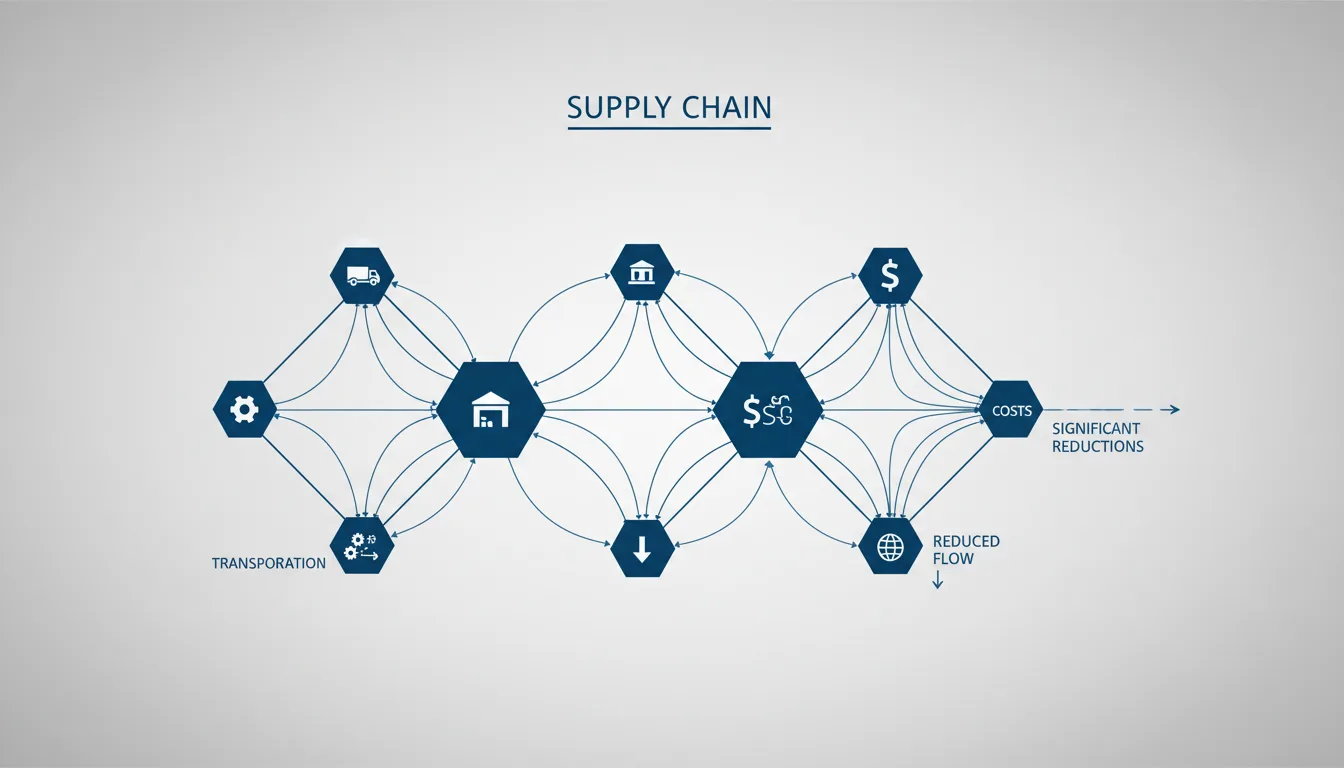
In the realm of logistics and supply chain management, significant reductions refer to the measurable and strategic decreases in costs, time, resource usage, and environmental impact achieved through the implementation of efficient systems, optimized processes, and innovative technologies. These reductions are paramount for businesses to enhance operational efficiency, improve overall supply chain performance, and maintain a competitive edge in today's dynamic global market. The pursuit of significant reductions often targets various key performance indicators (KPIs), including transportation costs, inventory carrying costs, order fulfillment cycle times, and carbon emissions, thereby playing a critical role in profitability and customer satisfaction.
Etymology and Origins
The term reduction originates from the Latin word reductio, meaning "to lead back" or "to bring down" [6]. Its earliest applications often pertained to bringing something back to a simpler state or lessening its quantity. In a business and economic context, the concept of "reduction" gained prominence during the Industrial Revolution, initially associated with cost cutting and minimizing expenses in manufacturing processes. However, within the sphere of logistics, its meaning evolved to encompass a more strategic and systemic approach to efficiency.
By the early 20th century, with the advent of scientific management, "reduction" became synonymous with optimizing processes to minimize waste and maximize output [7]. This shift moved beyond simple cost cutting to a proactive endeavor to streamline operations, reduce lead times, and decrease inventory holdings, driven by the increasing complexity of supply chains and growing global competition. The terminology solidified as a cornerstone of modern logistics management as businesses recognized that systematic reductions across the supply chain directly translate to improved financial performance and customer value.
Historical Development
Early Practices (Late 19th - Early 20th Century)
The quest for significant reductions began in earnest with the industrialization era. Pioneers like Frederick Winslow Taylor, through his work The Principles of Scientific Management (1911), introduced scientific management principles [8]. Taylor emphasized systematic analysis of workflows, time-and-motion studies, and standardization to achieve greater productivity and reduce labor time and costs. Concurrently, Henry Ford revolutionized manufacturing with the assembly line in the early 1900s, drastically reducing production times and costs for complex products like the Model T, setting a precedent for efficiency gains in logistics and manufacturing [9]. Early inventory management models, such as the Economic Order Quantity (EOQ) model developed by Ford W. Harris in 1913, aimed at mathematically reducing inventory holding and ordering costs [10].
Mid-20th Century (1950s - 1970s)
In the 1950s, Taiichi Ohno and Shigeo Shingo at Toyota pioneered lean manufacturing principles with the development of the Toyota Production System (TPS) [11]. This approach, focused on maximizing value while systematically eliminating waste (Muda), informed many reduction strategies in logistics, particularly through its Just-in-Time (JIT) inventory philosophy. JIT sought to reduce inventory levels dramatically by receiving goods only as they are needed, thereby cutting carrying costs and obsolescence risk [12].
The 1960s saw the introduction of Material Requirements Planning (MRP) systems, initially developed by companies like IBM to manage complex manufacturing schedules and inventory for dependent demand items. MRP systems were a foundational step in using computing power to optimize production planning and reduce excess inventory [13].
Technology Evolution (1980s - 2000s)
By the 1980s, technological advancements began to reshape logistics practices significantly. The widespread adoption of barcode systems drastically improved inventory accuracy and speed of data capture, directly leading to reductions in errors and manual processing time. Concurrently, Enterprise Resource Planning (ERP) systems evolved from earlier MRP systems, integrating various business functions—including logistics, finance, manufacturing, and HR—into a single, unified database. This integration provided holistic visibility, enabling companies to identify and address inefficiencies across their entire operation [14]. The subsequent emergence of dedicated Warehouse Management Systems (WMS) further supported significant reductions by automating inventory management, optimizing storage locations, streamlining order picking, and improving overall warehouse operations [15].
Recent Developments (2010s - Present)
In recent decades, the rapid evolution of digital technologies has expanded the opportunities for significant reductions even further. Technologies like Artificial Intelligence (AI) and Machine Learning (ML) enable advanced demand forecasting, predictive analytics, and optimized routing, leading to reductions in stockouts, overstocking, and transportation costs [16]. The Internet of Things (IoT) provides real-time tracking and monitoring of goods and assets, enhancing visibility and allowing for proactive problem-solving, which reduces delays and potential losses [17]. Cloud computing, big data analytics, and blockchain technology also contribute by providing scalable infrastructure, deeper insights, and enhanced supply chain transparency, facilitating continuous identification and execution of reduction opportunities. The rise of e-commerce has put immense pressure on logistics to achieve faster, cheaper, and more reliable delivery, necessitating continuous innovation in reduction strategies.
Core Concepts
Effective strategies for achieving significant reductions typically encompass several interconnected areas:
- Inventory Optimization: This involves maintaining optimal stock levels to avoid both costly stockouts and excessive holding costs, obsolescence, and capital tied up. Techniques include cycle counting for continuous accuracy, safety stock calculations, ABC analysis to prioritize inventory, and stock replenishment strategies to ensure efficient stock flow. Advanced visual inventory management systems provide real-time visibility and analytics to support these efforts.
- Cross-Docking: A logistics strategy where incoming goods from a supplier are directly transferred to outbound shipments, with minimal or no storage time in between. Utilizing methods such as cross-docking significantly streamlines distribution processes, cutting down on storage costs, handling labor, and delivery times. For example, a retailer receiving seasonal clothing can cross-dock directly from inbound trucks to outbound store-specific delivery vehicles, bypassing traditional warehousing.
- Transportation Efficiency: This focuses on minimizing freight costs and transit times. Implementing automated rate selection helps companies choose the most cost-effective shipping solutions. Other strategies include route optimization software, load consolidation, backhauling (using return trips for new shipments), and modal shifts (e.g., using rail for long-haul bulk goods instead of trucks) to reduce fuel consumption and CO2 emissions.
- Warehouse Operations Optimization: Beyond inventory, this encompasses the entire flow within a warehouse. This includes optimizing warehouse layout for efficient movement, implementing efficient picking strategies like batch picking or pick-to-tote, and utilizing automated putaway logic based on bin putaway criteria. A mobile warehouse management system is crucial for real-time tracking and guiding these processes, leading to reductions in labor costs, picking errors, and overall operational time.
Benefits and Advantages
The benefits of pursuing significant reductions in logistics are multifaceted and contribute directly to a business's bottom line and market standing:
- Cost Savings: Lower operational costs directly lead to improved profit margins. This includes reduced labor costs, less money tied up in inventory, lower transportation expenses, and minimized waste from damaged or expired goods.
- Enhanced Service Levels: Faster delivery times, increased order accuracy, and greater product availability contribute to higher customer satisfaction and loyalty. This differentiation can be a significant competitive advantage.
- Increased Agility and Resilience: Leaner operations and optimized processes allow businesses to respond more quickly and flexibly to market changes, supply chain disruptions, or sudden shifts in customer demand. A more agile supply chain can mitigate risks and maintain continuity.
- Improved Cash Flow: By reducing inventory levels and accelerating turnover, businesses free up working capital that can be reinvested or used for other strategic initiatives.
- Sustainability Impact: Optimized logistics often leads to a smaller environmental footprint, through reduced fuel consumption, less packaging waste, and lower carbon emissions. This aligns with corporate social responsibility goals and can attract environmentally conscious consumers.
Challenges and Limitations
While aiming for significant reductions, companies may face several complex challenges:
- Initial Investment Costs: Implementing new technologies, such as advanced WMS, AI-powered analytics, or automation equipment, often requires substantial upfront investment. Calculating the Return on Investment (ROI) is crucial to justify these expenditures.
- Change Management and Resistance: Employees and management may resist adopting new processes, technologies, or organizational structures. Overcoming this requires effective communication, comprehensive training, and strong leadership buy-in.
- Supply Chain Complexity: Modern global supply chains are inherently complex, involving multiple stakeholders, diverse geographical locations, and fluctuating market conditions. Optimizing one part of the chain without considering the holistic impact can lead to unintended consequences elsewhere.
- Risk of Over-Optimization and Fragility: Becoming too lean can make a supply chain vulnerable to disruptions. The pursuit of extreme efficiency can reduce buffer inventory or alternate suppliers, increasing fragility during unexpected events like natural disasters or geopolitical conflicts.
- Data Quality and Integration Issues: Effective reductions rely heavily on accurate, real-time data. Poor data quality or fragmented systems can undermine optimization efforts, leading to flawed decisions and inefficient processes.
Best Practices
To efficiently and sustainably achieve significant reductions, organizations should adopt a strategic and comprehensive approach:
- Data-Driven Decision Making: Regularly collect, analyze, and monitor key performance indicators (KPIs) across the supply chain. Leverage big data analytics and business intelligence tools to identify bottlenecks, waste, and opportunities for improvement. Make decisions based on insights, not assumptions.
- Continuous Improvement (Kaizen): Embrace a culture of ongoing process enhancement, inspired by Lean principles. Regularly review and refine operations, seeking incremental improvements that accumulate into significant reductions over time. Engage all levels of staff in identifying and implementing improvements.
- Strategic Technology Adoption: Invest in and effectively integrate proven technologies that support reduction goals. This includes robust mobile warehouse management systems, shipping and fulfillment software, automation tools, and predictive analytics platforms. Ensure proper integrations with existing systems for seamless data flow.
- Collaboration and Supplier Relationship Management (SRM): Foster strong, collaborative relationships with suppliers and partners. Jointly identify opportunities for reductions in lead times, costs, and waste through initiatives like Vendor Managed Inventory (VMI) or shared forecasting.
- Employee Engagement and Training: Provide comprehensive training programs for staff on new technologies and optimized processes. Empower employees to contribute ideas for efficiency improvements and foster a sense of ownership in achieving reduction targets.
- End-to-End Supply Chain Visibility: Implement systems that provide real-time visibility across the entire supply chain, from raw materials to final delivery. This transparency helps identify issues proactively, reduces uncertainty, and enables better coordination.
Future Trends
Looking forward, the logistics industry is poised for even greater advancements in achieving significant reductions:
- Advanced AI and Machine Learning: Further refinement of AI algorithms will enable hyper-accurate demand forecasting, dynamic pricing optimization, autonomous vehicles (drones, self-driving trucks), and intelligent robotics in warehouses, leading to unprecedented levels of efficiency and cost reduction.
- Sustainability and Green Logistics: With increasing environmental concerns and regulatory pressures, emphasis on sustainability will drive innovations aimed at reducing the carbon footprint of logistics operations. This includes optimized routing for lower emissions, adoption of electric vehicles, circular economy models, and sustainable packaging, while maintaining operational efficiency.
- Digital Twins and Simulation: The use of digital twins – virtual replicas of physical supply chain processes – will allow for real-time monitoring, predictive analysis, and simulation of various scenarios to identify and implement reductions before physical deployment.
- Hyperautomation: The convergence of AI, ML, Robotic Process Automation (RPA), and other emerging technologies will lead to hyperautomated logistics processes, minimizing human intervention in repetitive tasks and significantly reducing errors and cycle times.
- Supply Chain Resilience focus: While efficiency remains key, future reduction strategies will increasingly balance cost-cutting with building supply chain resilience, ensuring that optimized operations can withstand and recover from disruptions effectively.
Related Concepts
Significant reductions are closely tied to a host of other critical logistics and supply chain management concepts:
- Supply Chain Optimization: The overarching goal of maximizing efficiency and effectiveness across the entire supply chain network.
- Lean Management: A systematic method for the elimination of waste (Muda) within a manufacturing or logistics system without sacrificing productivity, famously pioneered by Toyota.
- Inventory Control: The process of ensuring the right amount of supply is available at the right time and place to meet demand, while minimizing holding costs.
- Just-in-Time (JIT): An inventory strategy to increase efficiency and decrease waste by receiving goods only as they are needed for production or shipment.
- Logistics 4.0: Refers to the application of Industry 4.0 principles (IoT, AI, automation, big data) to logistics, aiming for highly connected, intelligent, and autonomous supply chain operations.
- Total Quality Management (TQM): A management approach focused on continuous improvement of product and service quality through systematic efforts, often leading to reductions in defects and rework.
- Supply Chain Resilience: The ability of a supply chain to prepare for and respond to unexpected disruptions, while ensuring continuity and minimizing negative impacts. Balancing this with cost reductions is a modern imperative.
Sources
- Mobile Warehouse Management System Overview
- Order Management System
- Cycle Counting Guide
- Cross-Docking Guide
- Barcodes Guide
- Reduction
- The Origins of Scientific Management
- Scientific management
- A Brief History of the Assembly Line
- Economic Order Quantity (EOQ): What It Is, Why It Matters, and How to Calculate It
- Taiichi Ohno's Workplace Management (1988) - The Toyota Production System as the source of Lean Manufacturing
- Just-in-Time (JIT): Definition, Example, and How It Works
- Material Requirements Planning (MRP): What It Is and How It Works
- What is ERP?
- Order Management System
- Top Supply Chain AI Applications
- The Internet of Things and its impact on the supply chain
- How e-commerce logistics can rise to the challenge
- Visual Inventory Management System
- Stock Replenishment Guide
- SmartWay Logistics Strategies
- Warehouse Layout Preview
- Batch Picking Guide
- Pick-to-Tote Guide
- Bin Put-Away Criteria
- What Is Profit Margin? Definition, Types, and How to Calculate It
- The Customer Service Connection: Boosting Loyalty And Profitability
- Building supply-chain resilience
- The Importance of Operational Efficiency in Supply Chain
- The Myth of Supply Chain Efficiency
- What is Big Data Analytics?
- Integrations
- Supply Chain Visibility
- How AI Is Reshaping Supply Chain Management
- What Is a Digital Twin?
- What Is Hyperautomation?
- Supply Chain Resilience is the New Efficiency