Significant Leap in Logistics and Supply Chain Management
This article explores the concept of a significant leap in logistics, its implications on supply chain management, and the transformative effects of technology.
Updated
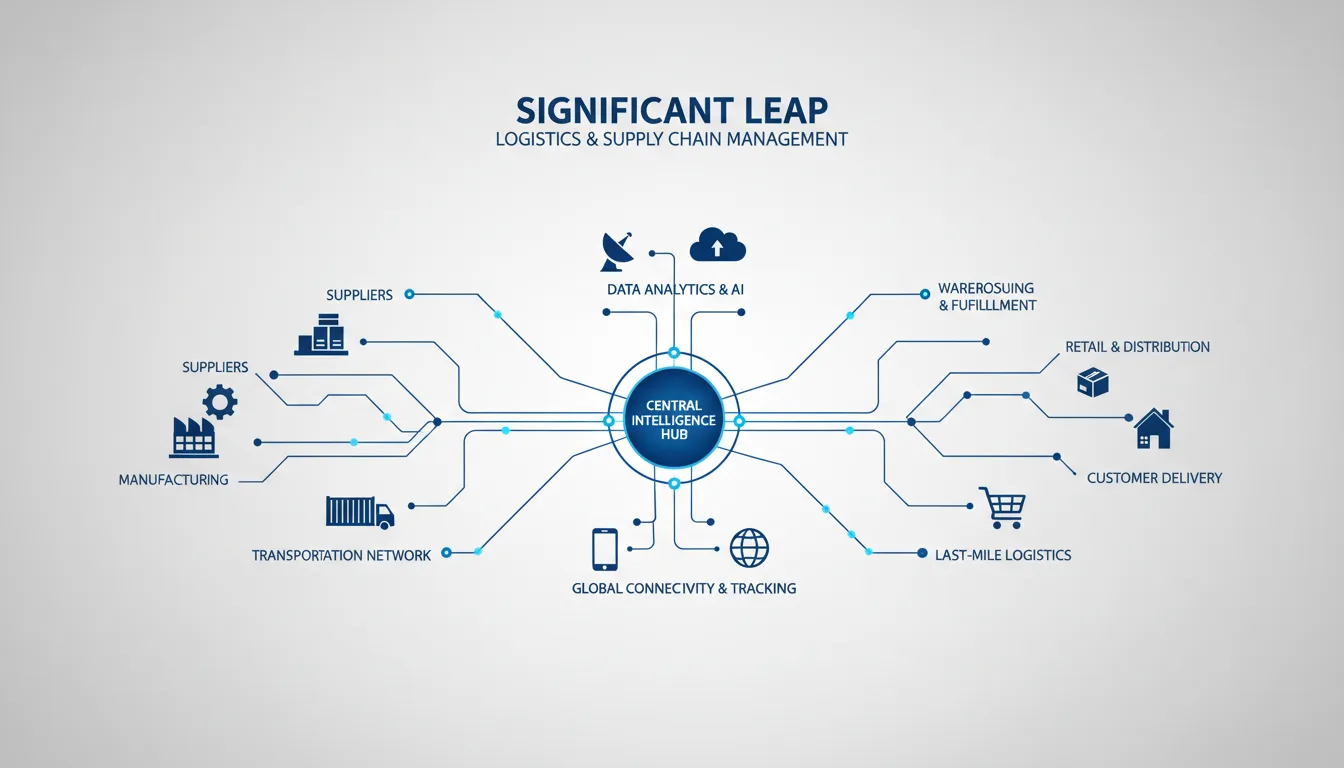
Overview
In the context of logistics and supply chain management, a significant leap refers to a transformative change or advancement that fundamentally enhances operational efficiency, effectiveness, and performance. This leap can manifest through various channels, including technology adoption, process optimization, and strategic shifts. Understanding these leaps is crucial for professionals aiming to stay competitive in a rapidly evolving market, as they often redefine industry benchmarks and create new strategic opportunities.
Etymology and Origins
The term "significant leap" combines the adjective "significant," which derives from the Latin word "significare," meaning to indicate or show, and the noun "leap," which refers to a jump or bound. Metaphorically, a "leap" suggests a sudden and substantial increase or improvement. The concept implies a jump that indicates a substantial change or advancement, particularly in operational contexts.
While the individual words have ancient roots, their combined usage to describe a major breakthrough in industrial or business contexts gained prominence in the mid-20th century as businesses began to analyze productivity and innovation more systematically. The phrase became common parlance to describe major innovations that propel businesses forward, notably in the logistics sector, especially with the advent of scientific management and operations research post-World War II. It encapsulates the idea of moving beyond incremental improvements to achieve a step-change in capability or performance.
Historical Development
The evolution of significant leaps in logistics is a chronicle of continuous innovation, driven by economic pressures, technological advancements, and evolving customer demands. It has transformed from a largely manual and fragmented process into a highly integrated, data-driven discipline.
-
Pre-1950s: The Foundations of Movement
Before the mid-20th century, logistics was largely synonymous with transportation and warehousing, characterized by manual processes, limited data, and fragmented supply chains. Early examples of large-scale logistics include ancient trade routes like the Silk Road and military supply lines, which were critical for empires but lacked standardized, scientific approaches. -
1950s: The Dawn of Scientific Logistics
The post-World War II era saw the introduction of operations research (OR), initially developed for military applications. This marked a significant leap by bringing scientific rigor to logistics and supply chain problems. Concepts like linear programming (pioneered by George Dantzig) and queuing theory allowed for formalizing strategies for inventory control, routing, and facility location, laying the groundwork for modern logistics optimization. -
1960s: Containerization and Early IT
The advent of intermodal containerization in 1956, championed by Malcolm McLean, revolutionized global trade and logistics. Standardized shipping containers drastically reduced handling costs, transit times, and pilferage, creating a unified global logistics infrastructure. Concurrently, early inventory management techniques, such as the Economic Order Quantity (EOQ) model, began to be widely applied, providing mathematical frameworks for optimizing order sizes. -
1970s: Computerization and Barcoding
This decade saw pivotal leaps with the development of the first computerized systems for inventory tracking and Material Requirements Planning (MRP). MRP systems, pioneered by companies like IBM and SAP, used mainframe computers to manage production schedules and raw material procurement, moving beyond simple inventory control to integrated planning. The introduction of the Universal Product Code (UPC) and barcode scanning in 1974 further streamlined point-of-sale and inventory processes, significantly enhancing data capture accuracy and speed in warehouses and retail. -
1980s: Just-In-Time and Global Expansion
The 1980s witnessed the widespread adoption of Just-In-Time (JIT) manufacturing, famously pioneered by the Toyota Production System. JIT revolutionized inventory strategies by minimizing stock levels and promoting efficient, continuous flow, significantly reducing waste and costs. This period also saw the rise of third-party logistics (3PL) providers, who took over specialized logistics functions, and the expansion of Electronic Data Interchange (EDI) for inter-company communication, paving the way for more integrated supply chains. -
1990s: Supply Chain Management and the Internet
The concept of "Supply Chain Management" emerged as a distinct discipline, emphasizing the integration of all processes from raw material sourcing to final customer delivery. The rise of the Internet and e-commerce fundamentally altered the distribution landscape, creating demand for faster, more flexible, and transparent logistics solutions. Sophisticated Warehouse Management Systems (WMS) began to gain traction, offering real-time inventory visibility and optimized warehouse operations. -
2000s: RFID, Globalization, and Analytics
The early 2000s saw the implementation of technologies like RFID for enhanced asset tracking and improved inventory accuracy. Globalization intensified, leading to complex, multi-continental supply chains that demanded advanced data analytics for optimization and risk management. The focus shifted towards end-to-end visibility and responsiveness across increasingly distributed networks. -
2200s and Beyond: Digital Transformation and AI
The current era is defined by ongoing digital transformation, with significant leaps driven by artificial intelligence (AI), machine learning (ML), the Internet of Things (IoT), and robotics. These technologies enable predictive analytics, autonomous operations (e.g., self-driving vehicles, robotic warehouse automation), and hyper-personalized customer experiences, pushing the boundaries of efficiency, sustainability, and resilience in supply chains. Blockchain technology is also emerging as a tool for enhanced transparency and traceability.
Core Concepts
A significant leap in logistics is characterized by advanced technologies and methodologies that drive substantial improvements across various functions, fostering a more agile, efficient, and resilient supply chain. Key concepts include:
- Automation: Employing automated systems, from robotic process automation to automated material handling equipment, significantly reduces human errors, increases throughput, and improves safety. Mobile warehouse management systems are central to this, orchestrating automated tasks and providing real-time data from the warehouse floor.
- Data Analytics and AI: Leveraging big data, predictive analytics, and machine learning enables firms to forecast demand with unprecedented accuracy, optimize inventory levels, streamline routing, and identify potential disruptions before they occur. This moves decision-making from reactive to proactive.
- Integrated Systems: Full-scale integration of systems such as Warehouse Management Systems (WMS), Order Management Systems (OMS), Transportation Management Systems (TMS), and Enterprise Resource Planning (ERP) ensures seamless data flow and process coordination across the entire supply chain. This holistic approach prevents data silos and enhances end-to-end visibility.
- Visibility and Traceability: Modern systems provide granular, real-time visibility into inventory, orders, and shipments. Technologies like RFID and IoT sensors offer precise tracking, enabling businesses to monitor goods from source to destination and quickly respond to issues.
- Customer-Centricity: Significant leaps often translate into enhanced customer experiences, driven by faster delivery times, improved order accuracy, and flexible fulfillment options (e.g., same-day delivery, click-and-collect). This focus ensures that logistics operations align directly with market expectations.
This transformation results in shorter lead times, increased customer satisfaction, reduced overall costs, and a more robust supply chain capable of adapting to market volatility.
Types and Classifications
Significant leaps in logistics can be classified into several types, reflecting different areas of innovation and impact:
- Process Automation: This involves automating repetitive and labor-intensive tasks. Examples include automated guided vehicles (AGVs) or autonomous mobile robots (AMRs) for material handling, automated storage and retrieval systems (AS/RS), and software-driven process automation for order processing and invoicing. The adoption of efficient picking strategies, such as batch picking or pick-to-tote, significantly enhances throughput in warehouses.
- Intelligent Transport Systems (ITS): Utilizing GPS, AI, and telematics for real-time route optimization, fleet management, and predictive maintenance. ITS leads to significant cost savings, reduced fuel consumption, and timely deliveries, while also enhancing safety and compliance.
- Supply Chain Digitization: This encompasses the digital transformation of the entire supply chain through technologies like cloud computing, IoT, and blockchain. Blockchain technology specifically enhances transparency, traceability, and security, creating an immutable record of transactions and product movements, which is particularly valuable for high-value goods or complex supply networks.
- Advanced Inventory Management: Moving beyond traditional inventory models to incorporate AI-driven forecasting, demand sensing, and multi-echelon inventory optimization. This allows for more precise stock levels, reduced carrying costs, and improved service rates, often facilitated by visual inventory management systems.
- Sustainable Logistics Innovations: Embracing eco-friendly practices such as electric vehicle fleets, optimized packaging to reduce waste, and carbon footprint tracking. These innovations not only meet regulatory demands but also align with corporate social responsibility and consumer preferences for sustainable brands.
Industry Applications
Various sectors leverage significant leaps to enhance their operational efficiency, reduce costs, and improve customer satisfaction. These applications demonstrate the versatility and impact of modern logistics innovations:
- Retail: Retailers are at the forefront of adopting advanced logistics. Implementing cross-docking techniques allows retailers to minimize storage times and move products directly from incoming to outgoing shipments, accelerating replenishment and reducing inventory holding costs. Real-time inventory synchronization, particularly for e-commerce, is critical, often enabled by solutions like Shopify inventory management.
- Manufacturing: Factories employ advanced planning and execution systems to streamline production. Kitting is used to assemble components into ready-to-use kits, improving assembly line efficiency and overall resource management. Automated purchase quantity features within purchase order management systems ensure that raw materials are ordered optimally based on production schedules and demand forecasts.
- E-commerce: The hyper-competitive e-commerce landscape demands exceptionally fast and accurate fulfillment. Companies utilize mobile order fulfillment software and automated picking systems to meet growing customer expectations regarding delivery speed and accuracy. Enterprise fulfillment best practices are crucial for scaling operations, especially for high-volume merchants on platforms like Shopify Plus.
- Healthcare: In healthcare logistics, significant leaps are crucial for managing sensitive pharmaceuticals and medical supplies. This includes advanced temperature-controlled warehousing, lot and expiration date tracking for regulatory compliance and safety, and highly efficient last-mile delivery systems for critical supplies.
- Food & Beverage: This sector benefits from improved cold chain logistics, demand forecasting for perishable goods, and enhanced traceability from farm to fork using technologies like blockchain to ensure food safety and reduce waste.
Benefits and Advantages
Achieving a significant leap in logistics yields a multitude of strategic and operational advantages:
- Cost Reduction: Streamlined operations, optimized routes, reduced inventory holding costs (through cycle counting and better forecasting), and minimized waste directly lead to decreased operational costs across the supply chain.
- Improved Accuracy: Automated processes and real-time inventory management significantly reduce errors in order fulfillment, inventory counts, and shipping, leading to higher customer satisfaction rates and fewer returns.
- Enhanced Flexibility and Resilience: Companies become more adaptable to market changes, supply chain disruptions, and unexpected demand fluctuations by adopting innovative logistics solutions and leveraging predictive analytics. This agility is crucial in today's volatile global economy.
- Increased Customer Satisfaction: Faster, more reliable deliveries, improved order accuracy, and greater transparency in tracking information directly contribute to a superior customer experience, fostering loyalty and repeat business.
- Competitive Advantage: Early adoption and effective implementation of significant leaps can differentiate a company from its competitors, allowing for market leadership, expanded reach, and the ability to offer premium services.
- Sustainability: Modern logistics innovations often incorporate eco-friendly practices, leading to reduced carbon footprints, less waste, and improved corporate social responsibility, appealing to environmentally conscious consumers and stakeholders.
Challenges and Limitations
Despite its potential, navigating a significant leap in logistics can present substantial challenges that organizations must proactively address:
- Resistance to Change: Organizations may face cultural barriers and internal resistance from employees who are accustomed to traditional methods. Overcoming this requires strong leadership, comprehensive training, and clear communication of the benefits of new technologies and processes.
- Integration Issues: Combining legacy systems with new, advanced technologies can be complex, leading to data silos, compatibility issues, and significant upfront investment in system integration platforms and expertise. This is particularly challenging when different departments use disparate systems.
- High Upfront Costs: Implementing cutting-edge logistics solutions often requires substantial financial investment in new hardware (e.g., robots, IoT sensors), software (e.g., advanced WMS, AI platforms), and infrastructure upgrades. Calculating the Return on Investment (ROI) is critical.
- Talent Gap: The specialized skills required to manage and operate advanced logistics technologies (e.g., data scientists, robotics engineers, AI specialists) are often in short supply, creating a talent gap that can hinder adoption and optimization.
- Data Security and Privacy: As logistics systems become more interconnected and data-dependent, the risks of cyberattacks and data breaches increase. Robust security measures and compliance with data privacy regulations are paramount.
- Complexity and Scalability: While designed for efficiency, overly complex systems can be difficult to manage and scale, especially for rapidly growing businesses. Choosing solutions that offer both advanced capabilities and ease of use, like SkuSavvy's platform, is essential for long-term success.
Future Trends
Looking forward, significant leaps in logistics will continue to be shaped by technological innovation and evolving global demands, focusing on creating hyper-efficient, resilient, and sustainable supply chains:
- AI and Machine Learning Dominance: AI and ML will move beyond predictive analytics to automate decision-making processes for inventory optimization, dynamic pricing, risk management, and even autonomous negotiations with suppliers. This will lead to self-optimizing supply chains capable of learning and adapting in real-time.
- Hyper-Automation and Robotics: The proliferation of collaborative robots (cobots), autonomous mobile robots (AMRs), and advanced drone technology will further automate warehouse operations, last-mile delivery, and even inventory monitoring, significantly boosting efficiency and reducing labor costs.
- Sustainability and Green Logistics: Leveraging eco-friendly logistics practices will become a core competitive differentiator. This includes optimizing routes to reduce emissions, adopting electric and hydrogen-powered fleets, using sustainable packaging, and implementing circular economy principles to minimize waste and maximize resource utilization.
- Digital Twins and Predictive Supply Chains: The creation of "digital twins"—virtual replicas of physical supply chain networks—will enable advanced simulation, scenario planning, and predictive maintenance, allowing companies to test strategies and anticipate disruptions before they occur.
- Blockchain for Transparency and Trust: Continued adoption of blockchain will enhance transparency, traceability, and trust across complex, multi-party supply chains, particularly for high-value goods, pharmaceuticals, and food products, ensuring authenticity and compliance.
- Omnichannel Fulfillment Evolution: The continuous blurring of lines between online and offline retail will drive innovations in omnichannel fulfillment, requiring highly flexible and integrated logistics networks that can support diverse delivery and pickup options, often managed through robust Order Management Systems.
Conclusion
Understanding and capitalizing on significant leaps in logistics are essential for professionals to enhance operational effectiveness and maintain competitive advantages. From the foundational principles of operations research to the cutting-edge applications of AI and robotics, each era has brought transformative changes that have reshaped the industry. As the world becomes more interconnected and dynamic, the continual integration of advanced technologies and strategic process optimization will be key to unlocking new levels of efficiency, resilience, and customer satisfaction, shaping the future landscape of supply chain management into a smarter, more adaptive ecosystem.
Sources
- Enterprise Fulfillment Best Practices
- Mobile Warehouse Management System
- Order Management System
- Cross-Docking Guide
- Kitting Guide
- Batch Picking Guide
- Online Etymology Dictionary - Significant
- Management, Information, and Power: A History of the International Management Congress
- World History Encyclopedia - Silk Road
- Britannica - Linear Programming
- The Box: How the Shipping Container Made the World Smaller and the World Economy Bigger
- CIO - SAP: The history of a giant
- GS1 US - History of the Barcode
- Harvard Business School - How the Internet Changed Supply Chain Management
- Gartner - What is Blockchain?
- McKinsey & Company - IoT in supply chain and logistics
- Visual Inventory Management System
- Pick-to-Tote Guide
- Shopify Inventory Management
- Automated Purchase Quantity
- Lots & Expiration Dates
- Cycle Counting Guide
- SkuSavvy Pricing
- WMS ROI Calculator