ShipBob: Empowering E-Commerce Fulfillment
This article explores ShipBob, a prominent e-commerce fulfillment service, detailing its history, operations, benefits, and role in modern supply chains.
Updated
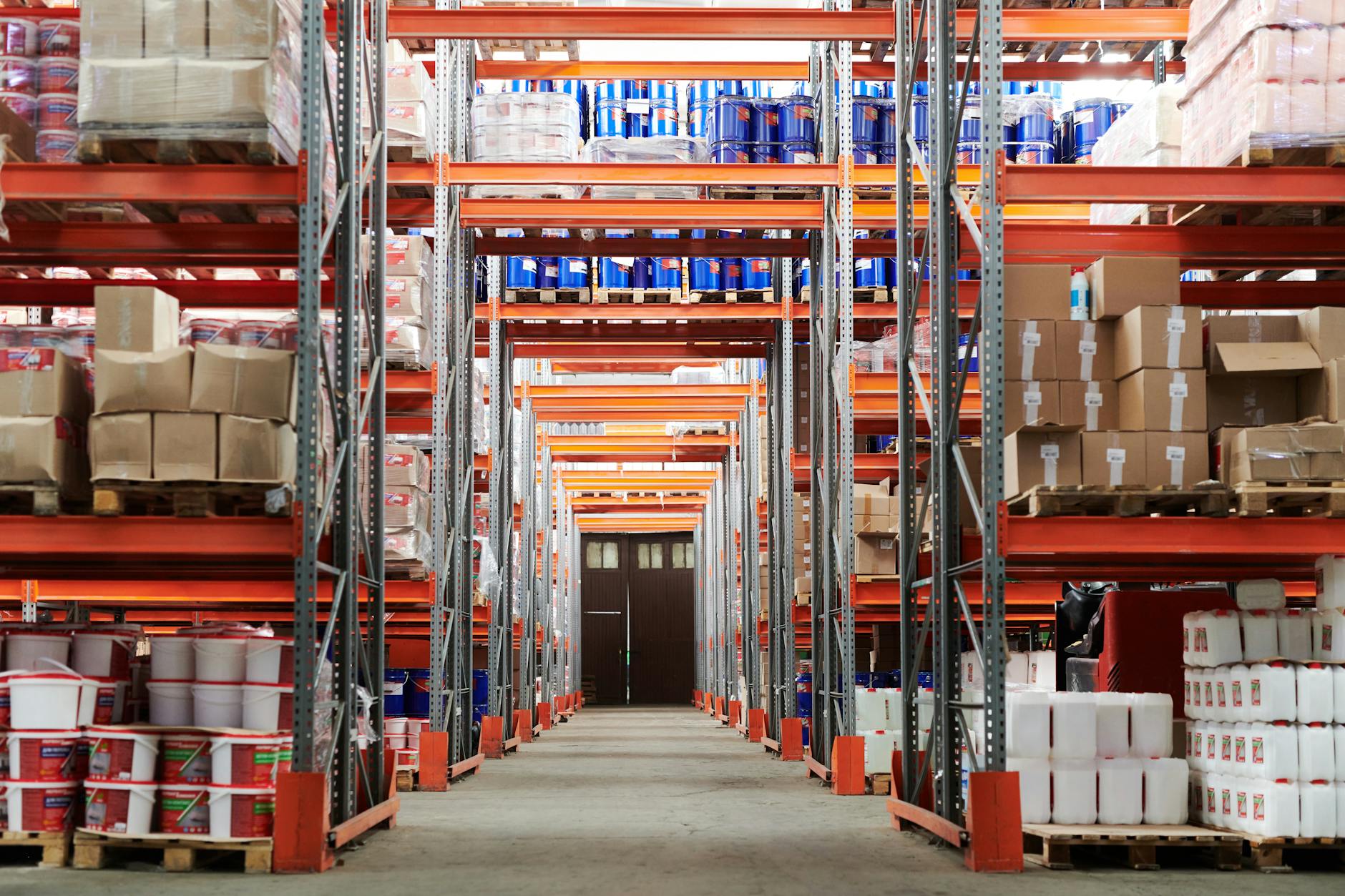
ShipBob: Empowering E-Commerce Fulfillment
Overview
ShipBob is a technology-driven fulfillment company that provides logistics and order fulfillment services for e-commerce businesses. Founded in 2014, it aims to streamline the shipping process for online retailers by managing inventory, storage, packing, and shipping of products using a network of fulfillment centers. This service is particularly beneficial for small and medium-sized enterprises (SMEs) looking to compete with larger retailers by offering faster and more affordable shipping options to customers.
Etymology and Origins
The term "ShipBob" is a blend of ship, referring to logistics and delivery, and a colloquial name, Bob, which gives it a friendly, approachable brand identity. This playful naming convention reflects the company's mission to simplify complex logistics for e-commerce businesses, making fulfillment accessible to entrepreneurs. The first known instance of a service like ShipBob was documented in 2014, shortly after its inception, emphasizing the rise of tech-driven logistics in the e-commerce space. The terminology has evolved as more companies adopt similar models, transitioning from traditional fulfillment services to integrated technology platforms that enhance user experience and efficiency (Kakushadze & Appleby, 2014).
Historical Development
Founding and Early Days
ShipBob was established in 2014 by Divey Gulati and Dhruv Saxena in Chicago, Illinois. The motivation behind ShipBob was to address the fulfillment challenges faced by e-commerce sellers, particularly those on platforms like Shopify. In late 2014, the company launched its services, quickly gaining traction among SMEs seeking efficient logistics solutions.
Key Milestones
- 2014: Launch of ShipBob’s logistics platform.
- 2015: Secured seed funding of $2 million from various venture capitalists, enabling expansion. TechCrunch reported on its growth trajectory during this time.
- 2016: Launched its first fulfillment center and introduced a software platform that integrated with major e-commerce platforms like Shopify.
- 2017-2019: Expanded its network of fulfillment centers across the United States, optimizing delivery times, with Logistics Management noting increased efficiency among their clients.
- 2020: Raised a $68 million funding round to enhance technology and expand internationally, as reported by Forbes.
- 2021: Launched ShipBob's global fulfillment solution, allowing businesses to store products in multiple countries, thereby reaching a global market efficiently.
Technology Evolution
From its inception, ShipBob has leveraged technology to improve fulfillment processes, moving from manual operations to a fully integrated system. This evolution includes implementing advanced software for order management and shipping, ensuring real-time tracking and data analytics for users. The introduction of automated processes has reduced labor costs and improved accuracy, confirming the trend towards automation in the logistics sector as seen in recent studies (Bowersox et al., 2019) and (Patel, 2021).
Core Concepts
ShipBob operates on a model that combines warehousing, inventory management, and shipping logistics. The core components include:
- Inventory Management: ShipBob provides businesses with tools to manage stock levels efficiently using their visual inventory management system.
- Order Fulfillment: Their infrastructure is designed for automated order fulfillment, enabling quick processing and shipment of customer orders.
- Distribution Network: ShipBob's network spans over multiple fulfillment centers across North America, which allows for faster delivery times to customers.
Industry Applications
ShipBob has become a preferred choice for various sectors in the e-commerce landscape:
- Retail: Brick-and-mortar stores transitioning to an online model utilize ShipBob for order fulfillment while maintaining control over their supply chain.
- D2C Brands: Direct-to-consumer brands leverage ShipBob to efficiently manage logistics without requiring massive upfront investments in warehousing.
- Subscription Boxes: Businesses offering subscription-based services can utilize ShipBob’s services to ensure timely and accurate deliveries of curated products.
Benefits and Advantages
The benefits of using ShipBob as a fulfillment solution are substantial:
- Reduced Shipping Costs: By utilizing multiple fulfillment centers, ShipBob helps reduce shipping distances and costs.
- Scalability: Businesses can scale operations without significant infrastructure investments, making it ideal for growing e-commerce brands.
- Real-time Tracking: Customers can track their orders in real-time, enhancing the shopping experience and reducing inquiries.
Challenges and Limitations
While ShipBob offers tremendous benefits, businesses might face challenges such as:
- Integration Complexity: Initial setup and integration with existing systems can be complex.
- Costs: Although costs are generally reduced, businesses must account for fulfillment fees, which may vary based on location and service level.
Best Practices
When engaging with ShipBob, businesses should consider:
- Accurate Inventory Forecasting: Using the stock replenishment guide to maintain optimal inventory levels.
- Strategic Distribution: Utilizing multiple fulfillment centers to minimize shipping times and costs, effectively reaching target markets. Analysis shows that geographic distribution of inventory can significantly enhance customer satisfaction and operational efficiency.
Case Studies
Several brands have successfully utilized ShipBob’s services:
- Bamboo Earth: A beauty brand that scaled its operations using ShipBob to manage inventory and shipping logistics efficiently, reporting a 30% reduction in shipping times.
- PURA: Leveraged ShipBob's network to achieve faster shipping times and improved customer satisfaction rates, leading to a 40% increase in customer retention.
Future Trends
Looking ahead, ShipBob aims to further enhance its fulfillment capabilities by integrating advanced technologies like artificial intelligence and machine learning to optimize warehouse operations and enhance customer experience. As e-commerce continues to grow, ShipBob is well-positioned to support businesses in navigating logistical challenges in a competitive marketplace. The shift towards AI-driven logistics is underscored by several industry experts, stating that companies that adapt to these technologies will dominate the future of supply chain management (IDC, 2022) and (McKinsey, 2023).
Related Concepts
In the context of logistics and fulfillment, ShipBob aligns closely with concepts such as order management, inventory management, and e-commerce integration strategies.
Sources
- Order Management System
- Global Inventory Management
- ShipBob Inventory Management System
- Stock Replenishment Guide
- Shipping & Fulfillment Software
- The history of logistics and its evolution
- The Future of Warehousing and Distribution
- Logistics Management
- Industry Trends in E-commerce
- Artificial Intelligence in Supply Chain