Route Optimization Software
Route optimization software streamlines transportation logistics by enhancing route planning for efficiency, cost-effectiveness, and timely delivery.
Updated
Overview
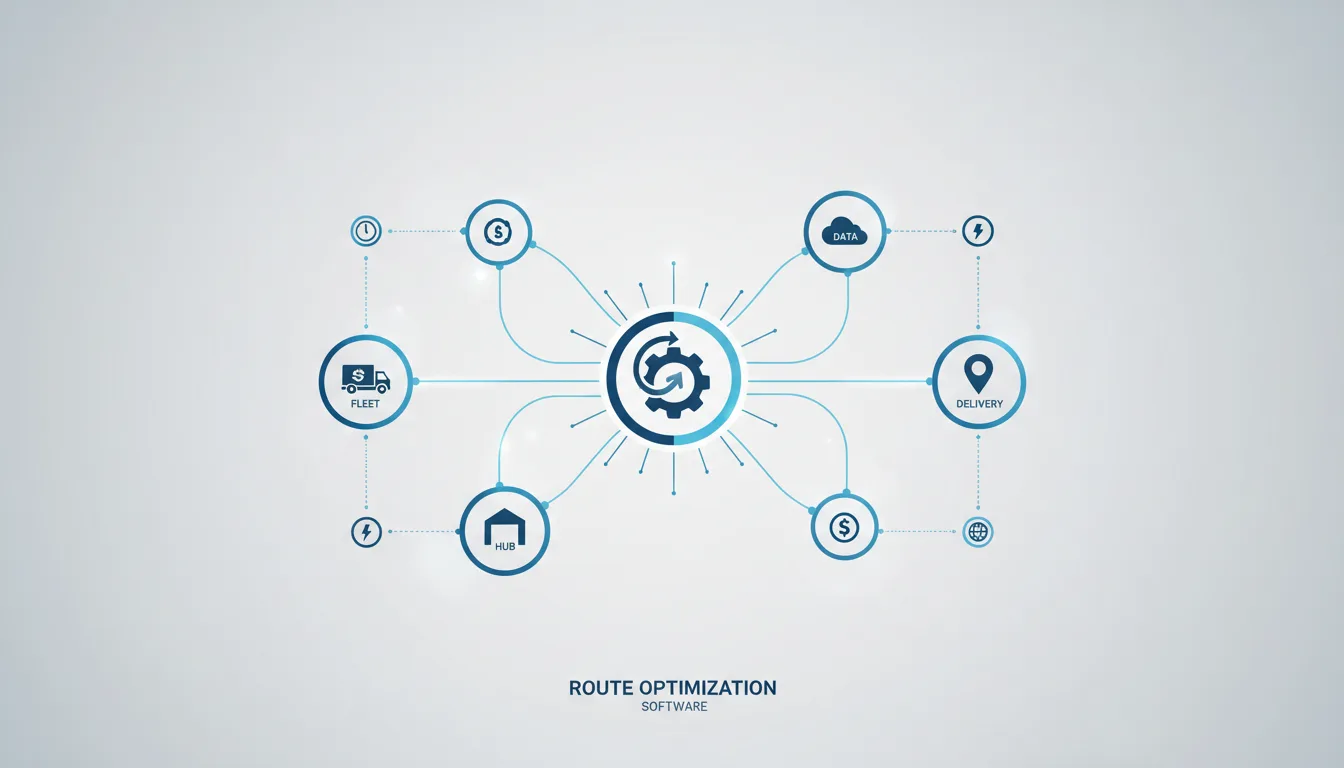
Route optimization software is a vital tool designed to enhance the efficiency and effectiveness of logistics and transportation operations. By calculating the most efficient routes in real-time or through advanced planning, this software automates the process of planning deliveries while mitigating costs and improving delivery times. It plays a crucial role in supply chain management, enabling companies to manage their fleets more effectively and respond swiftly to dynamic traffic conditions and customer demands. Fundamentally, it seeks to solve complex combinatorial optimization problems, similar to the Traveling Salesman Problem (TSP) and the Vehicle Routing Problem (VRP), in a practical, real-world context.
Etymology and Origins
The concept underpinning "route optimization" has deep roots in mathematics and operations research, predating the widespread use of the term in software. The linguistic roots combine "route," from Old French "route" (path, way), and "optimization," from Latin "optimus" (best), referring to the process of making something as effective as possible.
Historically, the challenge of finding the most efficient path dates back centuries, but its formal mathematical study began in the 1930s with the formulation of the Traveling Salesman Problem (TSP). This problem asks: given a list of cities and the distances between each pair of cities, what is the shortest possible route that visits each city exactly once and returns to the origin city? The Vehicle Routing Problem (VRP), a generalization of TSP where multiple vehicles depart from a central depot to serve customers, was introduced by George Dantzig and John Ramser in 1959. Early efforts to solve these problems were manual or relied on primitive algorithms, primarily in academic and military contexts.
The term "route optimization" as applied to software began to surface more widely in the 1990s. This coincided with the increasing commercialization of Geographic Information Systems (GIS) and the processing power of personal computers, enabling businesses to tackle transportation complexities with computational tools. As global trade expanded and logistics became a competitive differentiator, the demand for efficient solutions to manage intricate transportation networks led to advancements in software development focused on optimizing logistical routes.
Historical Development
Route optimization software has evolved significantly from theoretical concepts to sophisticated AI-driven platforms:
- Pre-1960s: Manual Planning & Operations Research Foundations: Before computers, route planning was largely a manual task, relying on paper maps, local knowledge, and heuristic rules. However, the foundational algorithms for problems like TSP and VRP were being developed within the emerging field of Operations Research. Key figures like George Dantzig, Ray Fulkerson, and Selmer Johnson pioneered methods to solve the TSP in the 1950s using linear programming, laying the groundwork for computational optimization.
- 1960s-1970s: Early Algorithmic Solutions: The first practical algorithms for the VRP, such as the Clarke and Wright Savings Algorithm introduced in 1964, provided systematic approaches to construct efficient routes. These early routing systems typically ran on mainframe computers, utilizing basic, often custom-developed, algorithms. They were primarily used by large corporations or government entities for strategic planning, not real-time execution.
- 1980s-1990s: Emergence of Desktop Computing and GIS: The advent of the personal computer revolutionized access to computational power. This era saw the commercialization of basic routing software, often integrating with early Geographic Information Systems (GIS) for mapping and spatial analysis. Companies could now visualize territories and routes, improving efficiency from the manual methods. These systems focused on static route planning for fixed fleets, with data inputs like customer addresses and delivery windows. The growing complexity of supply chains, driven by globalization and just-in-time manufacturing principles (e.g., Toyota Production System), further spurred the need for more efficient logistics.
- 2000s: Internet, GPS, and Real-time Data Integration: The proliferation of the internet and global positioning system (GPS) technology dramatically transformed route optimization. Web-based software-as-a-service (SaaS) models emerged, making sophisticated routing tools accessible to a wider range of businesses. GPS enabled real-time vehicle tracking, while internet connectivity allowed for dynamic data integration, including live traffic updates and weather conditions. This era saw the rise of dedicated route optimization software providers offering more robust and scalable solutions, moving beyond static planning to dynamic adjustments. The integration of these tools into broader shipping and fulfillment software became crucial.
- 2010s-Present: Cloud, AI, and Mobile-First Solutions: The last decade has been defined by cloud computing, machine learning (ML), and artificial intelligence (AI). Cloud platforms enable massive computational power for complex optimization problems, while AI algorithms learn from historical data to predict traffic, demand, and delivery times with increasing accuracy. Modern mobile warehouse management systems and mobile applications for drivers enable real-time communication, turn-by-turn navigation, and proof-of-delivery capabilities. Predictive analytics now inform route adjustments dynamically, improving responsiveness to unforeseen events. Concepts like automated rate selection leverage machine learning to optimize shipping costs, further integrating intelligence into the logistics process. The focus has expanded to include sustainability, carbon footprint reduction, and enhanced customer experience through precise delivery windows and real-time tracking.
Core Concepts
Route optimization involves various components, each critical for achieving maximum efficiency:
- Algorithm Development: At its heart, route optimization relies on advanced algorithms to solve complex combinatorial problems. These algorithms calculate the most efficient sequence of stops and assign them to vehicles, considering various constraints. Common algorithmic approaches include heuristic methods (e.g., Clarke-Wright Savings, Sweep Algorithm), metaheuristics (e.g., Genetic Algorithms, Simulated Annealing), and exact methods for smaller problems (though computationally expensive for large-scale VRPs). The goal is to minimize total distance, travel time, fuel consumption, or a combination thereof.
- Constraints and Objectives: A key strength of modern software is its ability to model real-world constraints. These can include: time windows for deliveries/pickups, vehicle capacity (weight and volume), driver work hours and breaks, vehicle type restrictions (e.g., refrigeration, hazardous materials), road restrictions (e.g., low bridges, weight limits), and customer-specific requirements. The primary objective is usually cost reduction, but other objectives like customer satisfaction, on-time delivery percentage, or sustainability metrics can also be prioritized.
- Real-time Data Integration: Many software solutions gather and process real-time data on traffic congestion, road closures, weather conditions, and vehicle availability. This dynamic information enables the system to provide updated route recommendations on-the-go, rerouting vehicles around obstacles and adapting to changing operational environments. This capability is crucial for maintaining delivery schedule adherence and improving responsiveness.
- Cost Analysis: Sophisticated software can perform detailed cost analyses, assessing not just fuel consumption but also vehicle maintenance, driver wages (including overtime), tolls, and even wear and tear. This allows businesses to find the optimal balance between efficiency (e.g., shortest route) and expenditure, often revealing non-intuitive cost-saving opportunities.
- Geocoding and Mapping: Accurate mapping data and geocoding (converting addresses into geographical coordinates) are fundamental. The software relies on up-to-date street data, turn restrictions, speed limits, and other geographical information provided by mapping services (e.g., Google Maps API, HERE Technologies). The precision of geocoded addresses directly impacts the accuracy of estimated travel times and route efficiency.
- Fleet Management Integration: Advanced routing systems often integrate seamlessly with fleet management software to monitor vehicle performance, driver behavior, and vehicle health. This comprehensive approach ensures that routes are not only efficient but also practical for the available fleet, contributing to overall operational control and driver productivity. Integration with broader platforms like SkuSavvy's order management system provides an end-to-end view from order placement to delivery.
Industry Applications
Route optimization software is widely utilized across various sectors, transforming delivery and service operations:
- E-commerce: Giants like Amazon are pioneers in using sophisticated routing algorithms to ensure timely and increasingly rapid delivery, often featuring same-day and next-day service options. For smaller and medium-sized e-commerce businesses, integration with shipping and fulfillment software allows for competitive delivery services, managing everything from order fulfillment to parcel dispatch.
- Food Delivery: Firms such as DoorDash, Grubhub, and Uber Eats heavily rely on dynamic route optimization tools. These systems are critical for maximizing delivery efficiency, minimizing wait times for customers, and managing driver capacity across a constantly changing network of restaurants and customers.
- Field Service Management: Companies providing maintenance, installation, or repair services (e.g., HVAC technicians, utility crews) use route optimization to schedule appointments efficiently, reduce travel time between jobs, and improve response times for urgent calls. This directly impacts technician productivity and customer satisfaction.
- Freight and Logistics: Traditional logistics providers, including less-than-truckload (LTL) and full-truckload (FTL) carriers, utilize these tools to streamline long-haul trucking routes, optimize cargo consolidation, and manage complex delivery schedules across vast networks, significantly reducing operational costs and improving asset utilization.
- Waste Management and Public Services: Municipalities and private waste management companies use route optimization to plan collection routes for refuse, recycling, and other public services. This minimizes fuel consumption, reduces vehicle wear, and improves service frequency and coverage.
Benefits and Advantages
Utilizing route optimization software provides significant advantages, impacting various aspects of logistics operations:
- Improved Efficiency: Automated, intelligent route planning translates to shorter travel distances and times, leading to faster deliveries and services. This efficiency is critical for meeting tight deadlines and increasing overall operational throughput.
- Significant Cost Savings: By optimizing routes, companies can significantly reduce transportation costs. This includes substantial savings on fuel consumption, reduced vehicle maintenance costs due to less wear and tear, and lower labor expenses (e.g., reduced overtime for drivers). Effective optimization also reduces the need for additional vehicles, contributing to capital expenditure savings.
- Enhanced Customer Satisfaction: Timely, predictable, and faster deliveries directly contribute to improved customer satisfaction. The ability to provide accurate estimated times of arrival (ETAs) and real-time tracking (often via mobile order fulfillment software) fosters trust and loyalty, which are critical in competitive markets.
- Increased Capacity and Scalability: Optimized routes allow businesses to complete more deliveries or service calls with the same fleet size or even fewer resources. This increased capacity supports business growth and seasonal demand fluctuations, making operations more scalable without proportionally increasing costs.
- Environmental Impact and Sustainability: By reducing miles driven and fuel consumed, route optimization software helps minimize carbon emissions and the overall environmental footprint of transportation operations. This aligns with corporate sustainability goals and appeals to environmentally conscious consumers.
- Improved Safety and Compliance: Well-planned routes can avoid hazardous areas or congested zones, contributing to driver safety. The software can also help ensure compliance with driver hours-of-service regulations, reducing fatigue and legal risks.
Challenges and Limitations
Despite its advantages, route optimization software faces several challenges that businesses must address for successful implementation:
- Data Quality and Accuracy: The effectiveness of optimization is highly contingent on the quality, accuracy, and completeness of the input data. Incorrect addresses, outdated road network information, or inaccurate time window requirements can lead to suboptimal or unfeasible routes. Maintaining robust data governance practices is crucial.
- Integration Complexity: Merging route optimization software with existing enterprise systems—such as Warehouse Management Systems (WMS), Order Management Systems (OMS), and CRM platforms—can be technically challenging and require substantial IT resources. Ensuring seamless data flow and system interoperability is vital for a unified logistics operation, often requiring custom API development or specialized integration services.
- Operational Changes and User Adoption: Implementing new software often requires significant operational adjustments and training for employees. Resistance to change, particularly from drivers or dispatchers accustomed to traditional methods, can temporarily disrupt established workflows. Effective change management and comprehensive training are essential for successful adoption.
- Dynamic Nature of Real-world Logistics: While modern software excels at dynamic routing, unforeseen circumstances (e.g., sudden road closures, vehicle breakdowns, emergency customer requests) can still challenge optimized plans. The software needs to be robust enough to handle rapid re-optimization and provide actionable alternatives.
- Cost of Implementation and Maintenance: High-end route optimization solutions, especially those with advanced AI and real-time capabilities, can involve significant upfront investment and ongoing subscription costs. Businesses need to carefully assess the potential ROI to justify these expenses.
- Algorithmic Limitations for Ultra-Complex Problems: While algorithms have advanced, solving the VRP perfectly for very large instances (hundreds or thousands of stops, multiple depots, complex constraints) remains computationally intractable. Most commercial software uses sophisticated heuristics and metaheuristics to find near-optimal solutions within practical timeframes, which might not always be the absolute best theoretical solution.
Best Practices
Here are several best practices for implementing and leveraging route optimization software to maximize its benefits:
- Invest in Quality Software: Choosing a reliable and robust software solution with proven capabilities and positive user reviews is crucial. Look for features that match your specific operational needs, such as real-time tracking, dynamic re-optimization, and integration with your existing shipping and fulfillment software or WMS.
- Prioritize Data Accuracy and Regular Updates: The output of route optimization is only as good as its input. Regularly update and maintain data quality for addresses, customer time windows, vehicle capacities, driver availability, and road network information. Implement processes for data validation to ensure accuracy.
- Comprehensive Training and Support: Provide adequate, ongoing training to all staff involved in route planning, dispatch, and driving. Emphasize the benefits of the new system and address potential resistance to change. Offer readily available support channels to resolve issues quickly.
- Phased Implementation and Continuous Evaluation: Consider a phased rollout to allow teams to adapt gradually. Routinely evaluate the performance of the chosen software and the routes it generates against key performance indicators (KPIs) like fuel consumption, on-time delivery rates, and driver productivity. Use this data for continuous refinement and adaptation of strategies.
- Integrate with Existing Systems: Ensure seamless integration with other essential logistics and business systems, including your OMS, WMS, inventory management system, and CRM. This creates a unified data flow and a holistic view of your operations, preventing data silos and manual data entry errors. Utilize platforms with strong integration capabilities.
- Model Realistic Constraints: Accurately configure all real-world constraints (e.g., driver breaks, vehicle types, customer service times, traffic patterns) within the software. Overly simplistic models will lead to impractical routes, while overly complex ones might slow down optimization. Strike a balance to ensure generated routes are feasible and efficient.
- Leverage Real-time Monitoring and Dynamic Re-optimization: Utilize the software's real-time tracking capabilities to monitor actual progress against planned routes. Be prepared to dynamically re-optimize routes in response to unexpected events like traffic jams, vehicle breakdowns, or last-minute order changes. This agility is a significant competitive advantage.
Future Trends
Looking ahead, the next phases of route optimization software will likely include continued advancements and broader integration:
- Increased Use of AI and Predictive Analytics: Expect even more sophisticated AI and machine learning models that can predict traffic patterns, delivery times, and demand fluctuations with greater precision. This will lead to highly adaptive and self-learning routing systems, capable of optimizing routes not just for current conditions but also for anticipated future events.
- Integration with IoT and Connected Vehicles: As more devices become interconnected, routing software will increasingly leverage Internet of Things (IoT) data from vehicles, infrastructure, and even cargo. This will enable ultra-real-time decision-making, predictive maintenance alerts for vehicles, and automated adjustments based on environmental factors or cargo conditions.
- Sustainability and Green Logistics Focus: Companies will increasingly prioritize eco-friendly routing options that minimize carbon footprints. Future software will incorporate advanced algorithms to optimize for emissions reduction, electric vehicle charging infrastructure, and multi-modal transportation planning, contributing to green supply chain initiatives.
- Autonomous Vehicles and Drone Delivery Integration: While still nascent, the long-term future may see route optimization software integrating with and managing fleets of autonomous vehicles and delivery drones. This will introduce new challenges and opportunities for optimizing entirely new modes of transport within a unified system.
- Enhanced Customer Experience Features: Expect more advanced features for customer communication, including highly accurate dynamic ETAs, personalized delivery options, and even the ability for customers to influence delivery windows in real-time, all powered by optimized routing.
- Hyper-Personalization and Micro-Logistics: As consumer demands for speed and convenience grow, route optimization will support hyper-local and micro-logistics operations, enabling efficient, on-demand deliveries within very small geographic areas, often utilizing unconventional vehicle types.
Related Concepts
Route optimization intersects with other key logistics concepts, forming an integral part of modern supply chain operations:
- Supply Chain Management (SCM): Efficient routing is critical for overall supply chain efficiency, impacting everything from raw material procurement to final product delivery. It directly contributes to the agility and responsiveness of the entire supply chain.
- Fleet Management: Cohesive management of vehicles and drivers is integral to effective route optimization practices. The software's ability to consider vehicle capabilities, driver schedules, and maintenance needs is crucial for sustainable fleet operations.
- Order Fulfillment: Timely and efficient deliveries within order fulfillment processes are significantly enhanced through route optimization strategies, ensuring that customer orders are picked, packed, and shipped with maximum speed and accuracy.
- Warehouse Management Systems (WMS): Route optimization often relies on accurate inventory and order data from WMS. Conversely, efficient routing minimizes dwell times for vehicles at warehouses, improving warehouse flow and efficiency.
- Transportation Management Systems (TMS): Route optimization software is often a core module or a tightly integrated component of a broader TMS, which manages the entire transportation planning and execution process, including carrier selection, freight billing, and compliance.
In summary, route optimization software is a cornerstone of modern logistics strategy, enabling companies to operate efficiently, reduce costs, enhance customer satisfaction, and meet complex logistical challenges. By continually evolving with technological advancements in AI, IoT, and cloud computing, these systems provide critical support in a complex, dynamic, and increasingly demanding industry.
Sources
- Shipping & Fulfillment Software
- Automated Rate Selection
- Traveling Salesman Problem
- The Dantzig-Fulkerson-Johnson Method for the Traveling Salesman Problem
- The vehicle routing problem: An overview of its history, applications and methods
- Operations Research Journal
- The Clarke and Wright Savings Algorithm
- Toyota Production System
- Heuristic (computer science)
- Data Governance
- Integrations
- Data validation
- The future of logistics: New models for a new era
- Mobile Warehouse Management System
- Shipping & Fulfillment Software
- Order Management System
- Visual Inventory Management System
- Mobile Order Fulfillment Software
- Order Fulfillment Guide
- Warehouse Layout Preview