Returns Management
Returns management is a crucial aspect of supply chain logistics that encompasses the processes of handling product returns.
Updated
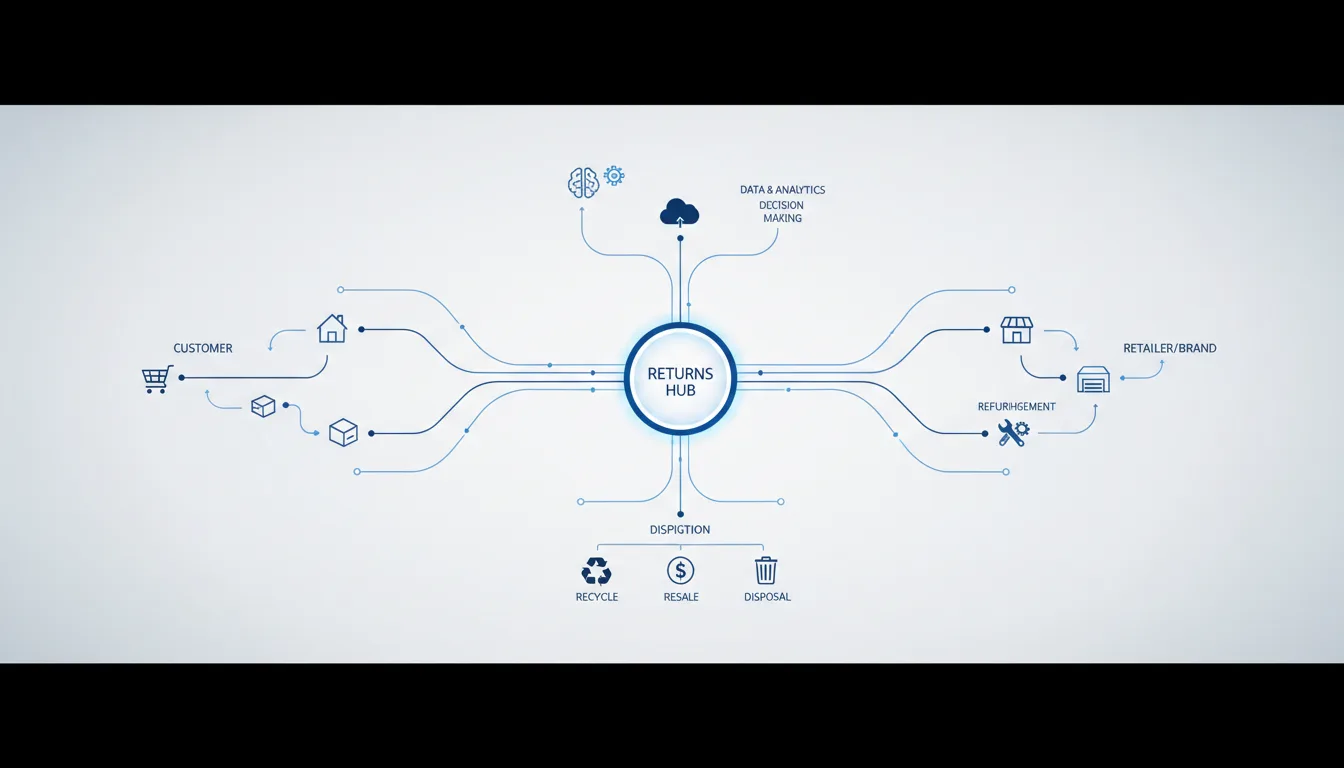
Returns Management
Overview
Returns management, often referred to as reverse logistics, is the process of planning, implementing, and controlling the efficient, cost-effective flow of raw materials, in-process inventory, and finished goods from the point of consumption to the point of origin for the purpose of recapturing value or proper disposal. It plays a vital role in customer satisfaction and overall business success, as effective returns management can significantly reduce costs and enhance operational efficiency. In fact, studies show that effective returns policies can increase customer retention rates by up to 30%.
Etymology and Origins
The term "returns management" emerged from the broader concept of logistics. Its roots can be traced back to traditional supply chain management practices where the focus was primarily on forward logistics. The concept of managing reverse flows began gaining attention in the late 20th century, particularly as e-commerce grew and the need for effective product returns became more prominent. The early documentation of returns management principles appeared in logistics literature in the 1990s, as companies began to acknowledge the economic and operational impact of returns on their business models. The first recorded academic reference to the term appeared in a 1998 paper by Rogers and Tibben-Lembke, which discussed the necessity of studying reverse logistics as a distinct discipline.
Historical Development
Returns management has evolved significantly over the past few decades. The practice first gained traction in the 1990s alongside the rise of e-commerce. Notable developments include:
- 1990s: E-commerce growth led to greater volumes of product returns, prompting retailers to develop structured returns policies. Companies such as Amazon set new expectations around customer service and return policies by offering customer-friendly environments.
- 2000s: The adoption of technology in returns management began, with the integration of warehouse management systems to streamline operations and track returned items more efficiently.
- 2010s: The introduction of automation and predictive analytics revolutionized how businesses handle returns, enhancing efficiency and deepening customer insights. Academic studies highlighted these advancements, emphasizing their role in improving operational performance (Fleischmann et al., 2003).
- Present: The inclusion of AI and machine learning is pushing the boundaries of returns management, focusing on optimizing return flows based on real-time customer behavior and inventory management.
Core Concepts
Effective returns management involves several core concepts, including:
- Return Policy Development: Clear and consumer-friendly return policies are critical for enhancing customer satisfaction. Businesses often analyze return reasons, which can include defective products or customer remorse, to refine these policies based on customer feedback and behavior.
- Reverse Logistics Systems: This entails planning and controlling the reverse flow of goods to maximize value recovery. Automated rate selection assists companies in optimizing shipping costs for returned items.
- Inventory Management: Managing returned items effectively requires an integrated approach to inventory. Understanding the status of inventory post-return—through tools like visual inventory management systems—is essential to minimize losses and reduce stock discrepancies.
Industry Applications
Various industries apply returns management in different ways, often tailored to the nuances of their products and customer expectations:
- Retail: Online retailers like Zappos have set high standards for returns management by offering free returns, which has significantly boosted customer loyalty and repeat purchases.
- Consumer Electronics: Companies like Apple utilize efficient returns processes as part of their comprehensive customer service strategy, ensuring seamless returns for defective or incompatible products. Their policy encourages customer confidence, a key aspect of customer retention.
- Apparel Retail: Fashion retailers often experience high return rates due to fit issues, leading them to implement advanced return policies and leverage data analytics for better inventory planning and forecasting.
Benefits and Advantages
The benefits of effective returns management include:
- Cost Reduction: Streamlined returns processes can reduce operational costs associated with handling returns, such as transportation and re-stocking. According to a Deloitte report, effective returns management can save retailers between 20-30% of return processing costs.
- Customer Satisfaction: A clear and fair returns policy enhances customer trust, leading to positive reviews and driving repeat business.
- Sustainability: Efficient returns management can lead to reduced waste through proper recycling and reusing of returned products, contributing to corporate sustainability goals.
Challenges and Limitations
Despite its advantages, returns management poses challenges such as:
- High Return Rates: Industries like fashion often report return rates as high as 30%, incurring significant costs to manage these volumes.
- Logistical Complexity: Coordinating the reverse flow of goods creates operational challenges that require sophisticated technology and management strategies.
- Data Management: Collecting and analyzing returns data can be complex but is crucial in improving return processes and overall customer satisfaction.
Best Practices
Implementing best practices in returns management can enhance effectiveness:
- Invest in Technology: Using advanced logistics software, such as order management systems, can help track returns and manage inventory effectively, thereby minimizing inefficiencies.
- Refine Policies: Continuously analyze return data to adjust return policies and minimize future returns. Employ customer feedback tools to gain insights into why products are returned.
- Customer Engagement: Provide excellent communication with customers regarding return processes to enhance satisfaction and reduce friction, ultimately fostering trust and loyalty.
Technology and Tools
Leveraging technology in returns management enhances responsiveness and efficiency:
- Warehouse Management Systems: Modern warehouse solutions enable better tracking of returned items and streamline processes through automation, improving overall productivity.
- Data Analytics: Implementing data analytics assists in identifying patterns in returns, which informs product design and inventory strategies, thereby reducing future return rates.
Future Trends
Looking ahead, returns management is poised to evolve through:
- Increased Automation: Robotics and automation technology are expected to play a larger role in returns handling, improving speed and accuracy during the return process.
- AI-Driven Insights: The use of AI to predict return behaviors and optimize inventory management strategies is likely to become more prevalent, providing companies with a competitive edge.
- Sustainability Initiatives: Brands are increasingly emphasizing the recycling and responsible disposal of returned items to align with customer values and environmental standards, a trend that echoes broader sustainability efforts in the logistics industry.
Related Concepts
Returns management is closely tied to other logistics concepts, such as:
- Reverse Logistics: Focused specifically on the backward flow of goods, emphasizing the importance of handling returns efficiently.
- Inventory Management: Managing returned goods effectively requires robust inventory practices that monitor stock availability and status post-return.
- Customer Relationship Management (CRM): Understanding customer feedback on returns is vital for maintaining robust relationships and fostering long-term loyalty.
Sources
- Mobile Warehouse Management System Overview
- Order Management System
- Automated Rate Selection Guide
- Visual Inventory Management System
- An Exploratory Study of the Reverse Logistics Supply Chain
- Reverse Logistics: The Impact of Inventory Control and Delivery Systems
- Why Return Policies Matter More Than You Think
- Retail Returns: The Quantifiable Costs for Retailers