Resource Optimization in Logistics
Resource optimization is essential in logistics to enhance efficiency, reduce costs, and improve service delivery in supply chain management.
Updated
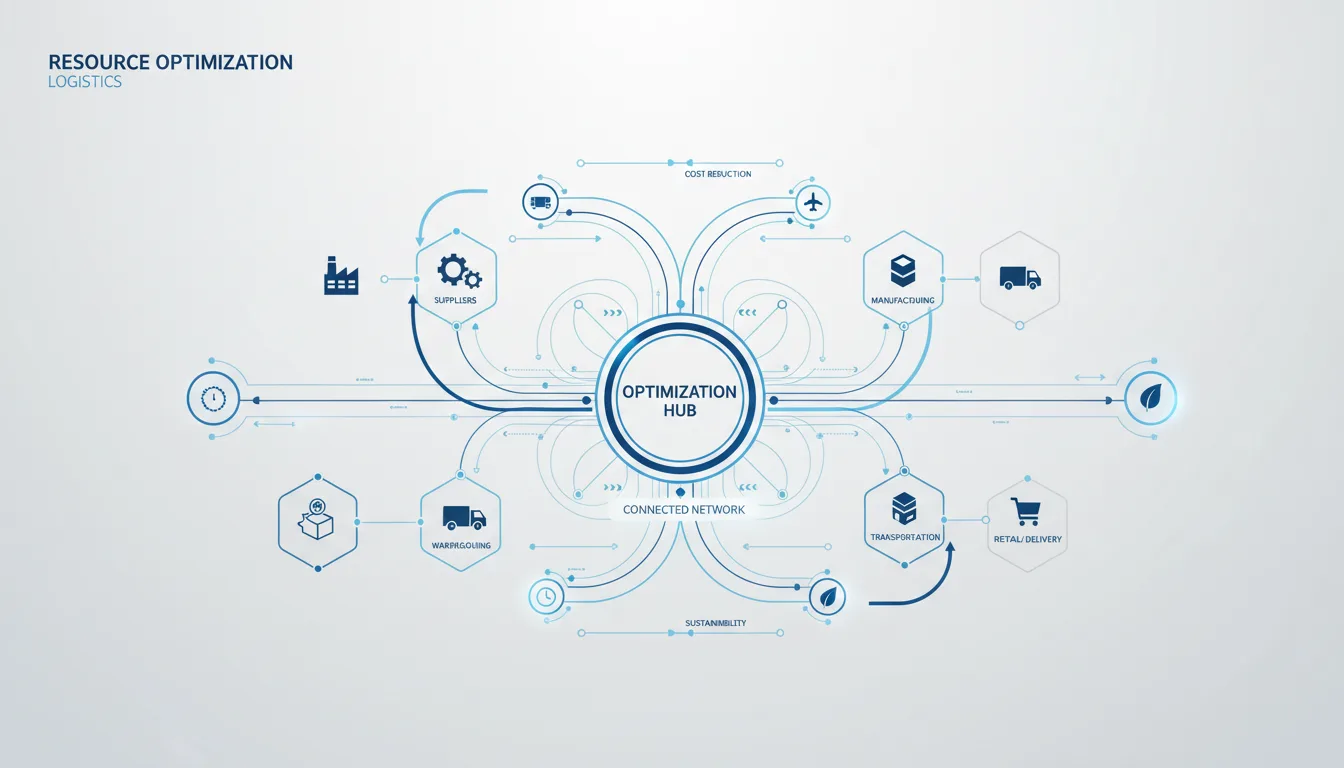
Overview
Resource optimization is a strategic practice in logistics aimed at maximizing efficiency and minimizing waste concerning the use of resources, including inventory, labor, transport, and warehouse space. The optimization of these resources is crucial in enhancing operational efficiency, reducing costs, and ensuring timely delivery of goods to consumers. With the rise of e-commerce and global supply chains, effective resource optimization has become more important than ever, necessitating the adoption of advanced technologies and methodologies.
Etymology and Origins
The term "resource optimization" describes the practice of using available resources in the most efficient manner possible. The concept has its roots in economic theory, where the efficient allocation of scarce resources is essential. The first documented usage of optimization in a logistics context appeared in the late 20th century as companies began to recognize the value of operational efficiencies. According to a study on optimization techniques in logistics, this concept evolved with the increasing complexity of global supply chains, leading to the introduction of terms like "supply chain optimization" and "inventory optimization" to address specific areas of focus.
Historical Development
The evolution of resource optimization in logistics can be traced back to the early modern supply chain practices:
- 1950s-1960s: Techniques like lean manufacturing principles emerged, developed primarily by Toyota. This marked the beginning of systematic efforts to reduce waste in manufacturing and logistics processes. Notably, the publication of "The Toyota Production System: Beyond Large-Scale Production" by Taiichi Ohno in 1988 outlined these principles.
- 1970s-1980s: The introduction of computer systems revolutionized inventory management. Seminal publications, including the works of Goldratt on the Theory of Constraints, emphasized the need for continual improvement in resource use. Algorithms for optimization began to emerge, allowing for better decisions regarding stock levels and order quantities.
- 1990s: The advent of Enterprise Resource Planning (ERP) systems provided comprehensive capabilities for integrating resource management across various functions of businesses, thus redefining the scope of logistics and resource allocation.
- 2000s-Present: Modern technologies, such as RFID, artificial intelligence, and data analytics, have further transformed resource optimization, allowing for real-time tracking and analysis of logistics operations. The incorporation of these technologies is often highlighted in industry reports such as the Gartner Supply Chain Top 25 which shows how optimization capabilities drive operational excellence.
Core Concepts
Resource optimization includes various methodologies and tools:
- Inventory Management: Effective inventory management, involving processes like cycle counting and stock replenishment, ensures optimal stock levels are maintained, reducing holding costs.
- Logistics Planning: Routing and scheduling tools optimize transportation routes, reducing latency and fuel costs. Techniques such as cross-docking facilitate quicker product turnover in warehouses. An example is Walmart's supply chain which employs advanced routing techniques to minimize transportation costs and maximize delivery efficiency.
- Workforce Optimization: Labor management systems enhance productivity by scheduling employees efficiently and monitoring performance through tools like productivity tracking. Case studies, such as those documented by the American Productivity and Quality Center, illustrate how businesses use workforce optimization to improve throughput.
Industry Applications
Resource optimization finds applications across various sectors, including:
- E-commerce: Online retailers implement strategies to optimize their fulfillment processes, using tools like pick, pack, and ship systems to streamline order handling. For instance, Amazon employs machine learning algorithms to optimize inventory placement.
- Manufacturing: Manufacturers integrate resource optimization to balance production schedules with inventory levels, ensuring timely delivery without surplus inventory. A good example is Dell's Just-in-Time approach, which minimizes inventory costs while maximizing production efficiency.
- Healthcare: Hospitals utilize optimization strategies for inventory management of medical supplies, assisting in cost reduction and enhancing patient care. Studies have shown that implementing inventory management systems can lead to 20-30% cost reductions in hospitals.
Benefits and Advantages
The benefits of resource optimization in logistics include:
- Cost Savings: By optimizing resource use, companies can significantly reduce operational costs, such as inventory holding, storage, and transportation. The Council of Supply Chain Management Professionals reports companies can save up to 20% by improving efficiency.
- Increased Efficiency: Streamlining processes leads to faster turnaround times and improved service levels, enhancing customer satisfaction.
- Enhanced Visibility: Modern resource optimization tools offer improved visibility into supply chain operations, helping businesses make informed decisions based on real-time data. Tools like SkuSavvy’s mobile warehouse management systems provide crucial insight into operations.
Challenges and Limitations
While resource optimization offers notable advantages, challenges persist:
- Data Management: The voluminous data generated can be overwhelming, requiring robust systems to analyze and derive insights effectively. A study by McKinsey indicates that many organizations struggle with data overload without proper analytical tools.
- Resistance to Change: Implementing new optimization strategies often meets resistance from employees accustomed to existing processes. Change management strategies are essential, as evidenced by best practices in Kotter's 8-Step Change Model.
- Technology Integration: Integrating new technologies with legacy systems can be complex and resource-intensive. A report from Deloitte highlights the high costs that can arise in the integration process.
Best Practices
To achieve successful resource optimization, consider the following best practices:
- Utilizing Technology: Adopt advanced technologies, such as mobile warehouse management systems, to enhance real-time visibility and decision-making capabilities.
- Continuous Assessment: Regularly assess and refine logistics processes to identify areas for improvement using methodologies like plan-do-check-act (PDCA).
- Training and Development: Invest in training employees on new technologies and process improvements to promote a culture of optimization. Bridging the Skills Gap is crucial as more technology is integrated into logistics processes.
Future Trends
Several emerging trends indicate the future of resource optimization in logistics:
- Artificial Intelligence (AI): AI will play an increasingly vital role in predictive analytics and automated decision-making processes, including tools that enable dynamic routing and inventory management. An industry study forecasts AI to drive significant cost savings in logistics.
- Sustainability: Companies are focusing on optimizing resources not just for cost but also for environmental sustainability, utilizing green logistics practices. The concept of green supply chain management emphasizes reducing carbon footprints while maintaining efficiency.
- Blockchain Technology: This technology can provide enhanced transparency and efficiency in supply chains, further driving resource optimization efforts. Early adopters like Walmart are already using blockchain for traceability in food supply chains.
Related Concepts
Resource optimization is closely related to other logistics concepts such as supply chain management, inventory control, and demand forecasting. By understanding these connections, logistics professionals can leverage synergies to achieve holistic optimization across the supply chain. Best practices in integrated supply chain management are vital for maximizing resource efficiency.
In conclusion, resource optimization in logistics is a critical component for enhancing operational efficiency, reducing costs, and improving customer satisfaction. As technology advances, its role will continue to expand, shaping the future of supply chain management.