Renewable Energy Integration in Logistics
An overview of the integration of renewable energy sources within logistics and supply chain management, exploring its significance, challenges, and best practices.
Updated
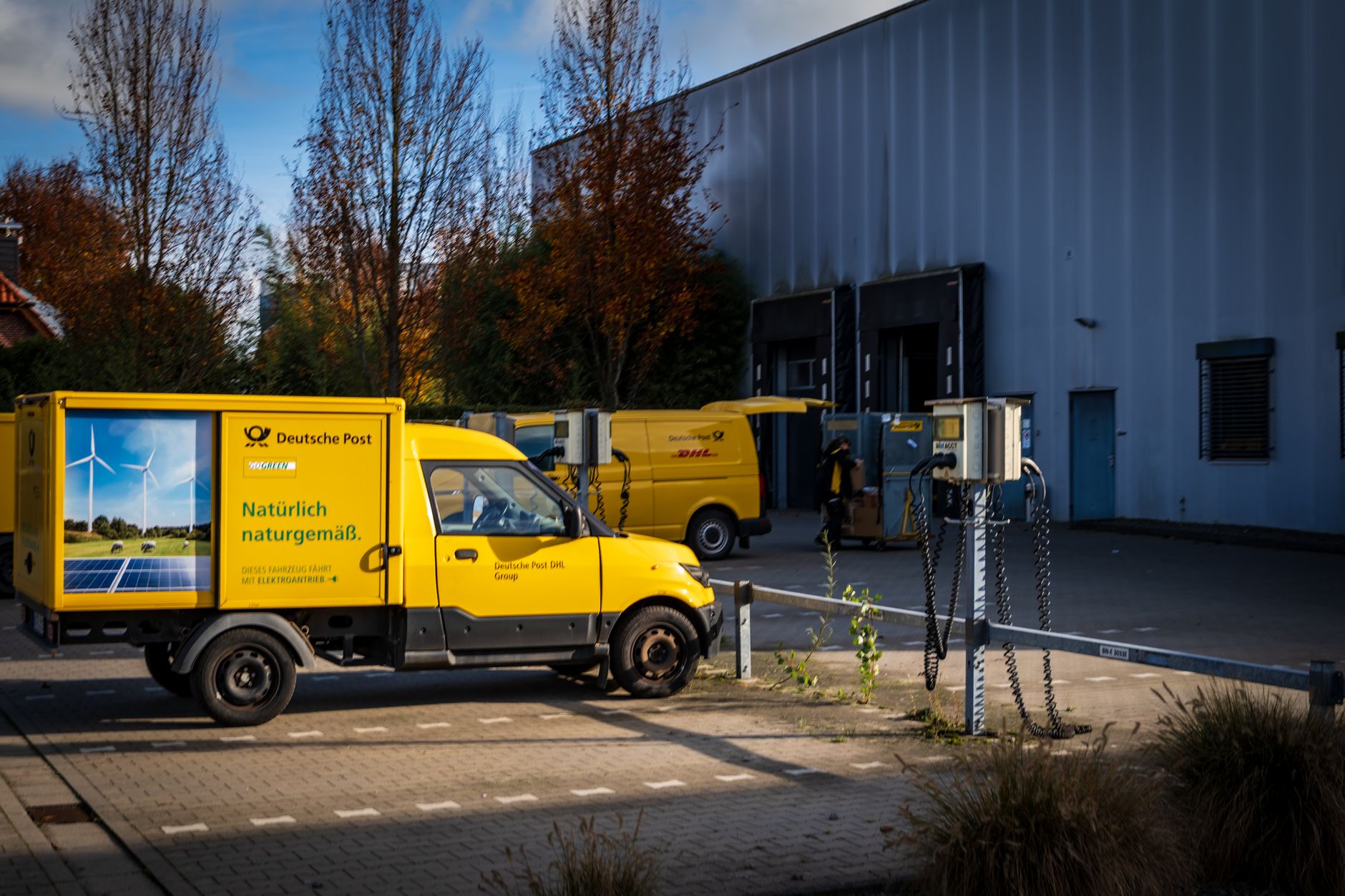
Renewable Energy Integration in Logistics
Overview
Renewable energy integration in logistics refers to the incorporation of sustainable energy sources—such as solar, wind, and biofuels—into logistics operations and supply chains. This integration aims to reduce reliance on fossil fuels, lower greenhouse gas emissions, and enhance overall energy efficiency. Given the increasing pressure on businesses to adopt sustainable practices, renewable energy integration is becoming essential for logistics firms to maintain competitiveness and meet regulatory requirements.
Etymology and Origins
The term "renewable energy" derives from the Latin word "renovare," meaning "to make new again." The phrase began to gain traction in the late 20th century, particularly around the 1970s and 1980s, when the oil crises sparked interest in alternative energy sources. The International Energy Agency (IEA) was instrumental in advocating for renewable energy research and technology. The logistics sector began focusing on renewable energies in the 2000s, driven by innovations in renewable energy technologies and a growing awareness of ecological impacts.
Historical Development
1990s - Early Adoption
- 1990: The rise of renewable energy technologies, such as wind turbines and solar panels, coincided with early logistical considerations around energy efficiency. Companies started to experiment with integrating renewable resources into their operations.
- Key Figure: The U.S. Department of Energy began funding research into energy efficiency for transportation, leading to initial sustainability programs. This included efforts to implement alternative fuel vehicles in logistics.
2000s - Consolidation in Logistics
- 2005: Companies like UPS and FedEx started investing in alternative fuel technologies and formed initiatives for green logistics. This period marked a significant shift in logistics strategy, focusing on emissions reduction and sustainable practices.
- Major Milestone: The introduction of biofuels in logistics fleets marked a pivotal moment in renewable energy adoption, with companies like FedEx leading the charge in sustainable fuel use.
2010s - Technological Advancements
- 2010: Adoption of electric vehicles (EV) began proliferating among logistics providers, led by companies committed to sustainability goals. An example is Tesla's partnership with various logistics operators to introduce electric trucks.
- Tech Evolution: The integration of renewable energy management systems in logistics software allows real-time optimization of energy use. This has empowered companies to fine-tune energy consumption based on availability and demand.
Present Day
Today, organizations are driven to integrate renewable sources, further propelled by stringent regulations and market competitiveness. According to a recent study, nearly 80% of logistics companies are investing in cleaner energy alternatives as part of their operational strategy, highlighting the shift towards sustainability as a key business objective. Furthermore, global events like the Paris Agreement have significant implications for logistics operations, pushing for more stringent sustainability goals.
Core Concepts
Renewable energy integration involves various strategic approaches:
- Fleet Electrification: Utilizing electric vehicles powered by renewable energy sources to cut emissions. Companies like DHL have committed to having 70% of their fleet powered by electric vehicles by 2025, showcasing the trend toward fleet electrification.
- Energy Management Systems: Implementing smart technology to synchronize energy consumption and renewable energy production helps companies manage their energy use more effectively.
- Partnerships: Collaborating with green energy providers to supply logistics operations with sustainable energy alternatives has become increasingly common. For example, many logistics firms are partnering with solar energy companies to install solar panels on their warehouses to power operations sustainably.
Industry Applications
The application of renewable energy within logistics can be observed across various sectors:
- E-commerce: Companies like Amazon are integrating solar panels in warehousing operations to power logistics facilities. For instance, Amazon has committed to net-zero carbon by 2040, spearheading several initiatives to bolster sustainability.
- Food Distribution: Businesses are utilizing biodiesel-powered vehicles for a sustainable delivery system. Many grocery distribution companies are opting for biodiesel to power their delivery trucks, significantly reducing their carbon footprint.
Benefits and Advantages
The integration of renewable energy within logistics offers several key advantages:
- Cost Savings: Long-term reductions in energy costs due to decreasing prices of renewable technologies. For instance, businesses increasingly find that renewable energy installations provide ROI through reduced utility bills.
- Enhanced Brand Image: Companies can leverage their commitment to sustainability as a marketing tool. This is increasingly important for attracting environmentally-conscious consumers.
- Regulatory Compliance: Meeting emerging regulations concerning emissions and sustainability targets is facilitated through renewable energy integration, helping companies avoid potential penalties and enhance their public image.
Challenges and Limitations
Despite its benefits, there are challenges in integrating renewable energy into logistics:
- Initial Investment: High upfront costs associated with the procurement of renewable technology can deter adoption. Logistics firms must balance immediate costs against the long-term savings of renewable energy.
- Intermittency: The nature of renewable sources such as solar and wind can lead to inconsistencies in energy supply, resulting in reliance on backup systems for continuity of operations.
Best Practices
To optimize renewable energy integration, companies should:
- Conduct energy audits to assess renewable energy needs and opportunities. Knowledge of energy consumption patterns is paramount for informed decision-making.
- Develop partnerships with renewable suppliers to secure strong energy contracts, ensuring consistent energy availability.
- Invest in training programs to educate staff on sustainable logistics practices, fostering an organizational culture centered around sustainability.
Future Trends
As environmental awareness increases, the trend toward renewable energy in logistics will likely intensify. Emerging technologies such as autonomous electric vehicles and blockchain for energy transactions are set to reshape traditional logistics models, offering innovative solutions for energy management.
Related Concepts
Renewable energy integration ties closely with other logistics concepts such as supply chain sustainability and green logistics, illustrating a broader shift toward environmentally responsible practices within the industry.