Real-time Insights in Logistics
Exploring the concept of real-time insights in logistics, its origins, benefits, and technology applications.
Updated
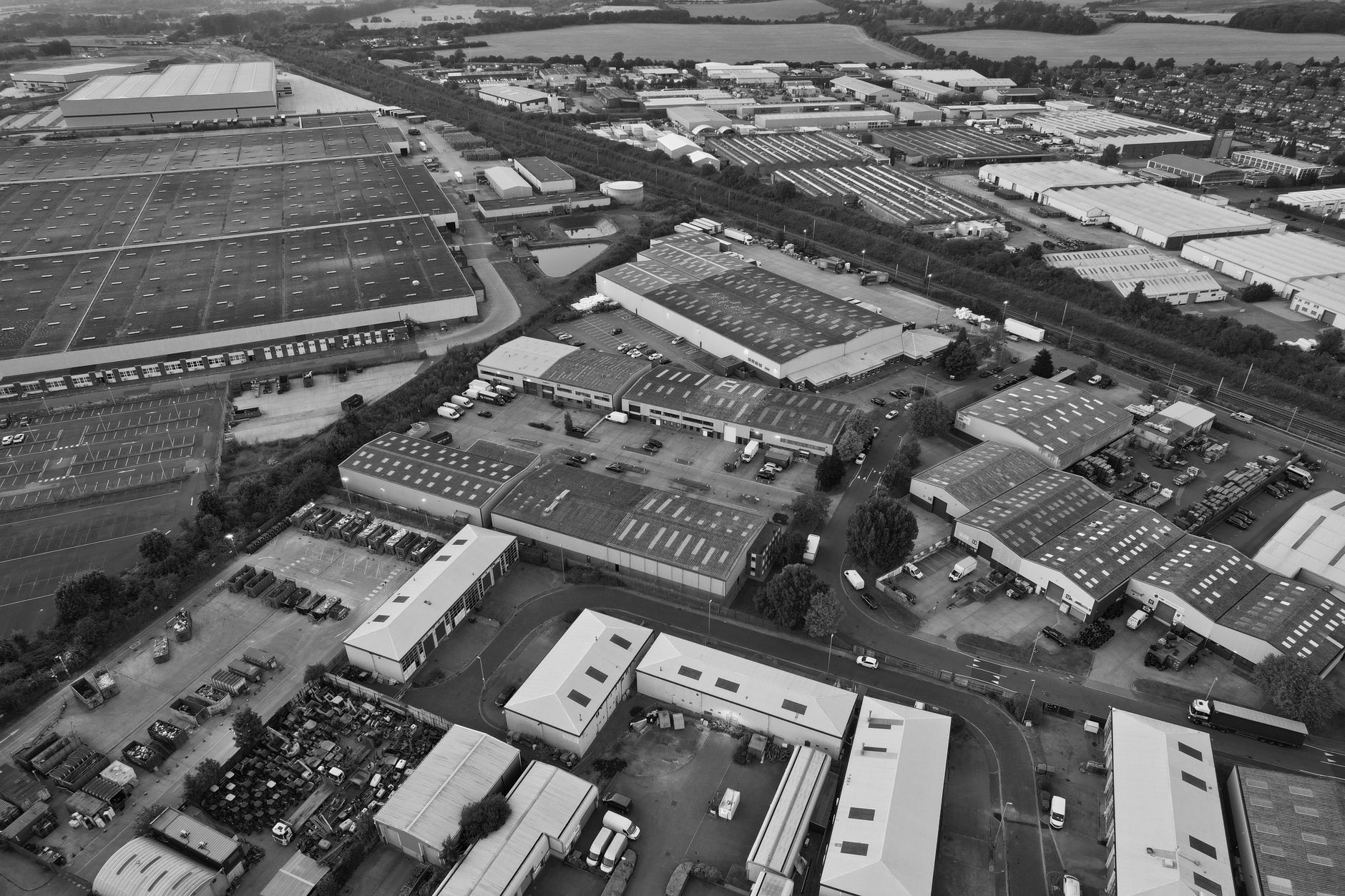
Real-time Insights in Logistics
Overview
Real-time insights refer to the instant availability and analysis of data that helps businesses make informed decisions quickly. In logistics, this concept plays a crucial role in optimizing supply chain operations, enhancing freight management, and improving customer service. By leveraging advanced technologies such as the Internet of Things (IoT) for data capture and Artificial Intelligence (AI) for predictive analysis, logistics companies can actively monitor operations, leading to increased efficiency, reduced operational costs, and improved responsiveness to market fluctuations. The importance of real-time insights is underscored by their ability to provide businesses with the agility to swiftly respond to dynamic market demands and unforeseen disruptions.
Etymology and Origins
The term "real-time" first emerged in the mid-20th century, primarily within the fields of computing and control systems. Its earliest documented usage can be traced back to the 1950s and 1960s, particularly in the context of aerospace engineering and process control where systems needed to respond to inputs without perceptible delay. It described systems that processed data as it was generated, allowing for immediate action, as opposed to batch processing which involved collecting data over time for later processing. The terminology stems from the critical need for systems that could react to environmental changes or sensor inputs in sync with actual events, a concept pioneered in early radar and missile guidance systems.
As computer systems evolved—from manual data processing to computerization and ultimately to interconnected, distributed systems—the term's meaning expanded beyond purely technical applications. In the 1980s, the concept of "insights" gained traction within the emerging field of business intelligence and data analytics. Businesses began to harness data not just for reporting past events, but for analytical processing to derive actionable intelligence that could inform strategic and operational decisions. The ability to glean meaningful insights from vast datasets has since transformed into a critical capability for modern enterprises seeking competitive advantage.
Historical Development
The practice of leveraging real-time insights in logistics has a rich history, evolving alongside technological advancements and shifting economic demands.
Early Foundations (Pre-1960s): Before the widespread adoption of computers, "real-time" insights were largely rudimentary and manual. Businesses relied on physical inventory counts, ledger books, and verbal communication to track goods. While not instantaneous, the aim was still to gain a timely understanding of stock levels and order statuses through direct observation and basic record-keeping.
The Dawn of Computerization (1960s-1970s): The 1960s marked the introduction of early computer systems, initially used for batch processing tasks like payroll and invoicing. However, these mainframes soon began to facilitate data management for inventory and production planning. Pioneers like W. Edwards Deming, who championed quality control techniques, profoundly emphasized the importance of data in decision-making, laying the philosophical groundwork for data-driven operations. In the 1970s, the Toyota Production System popularized Just-in-Time (JIT) methodologies, which inherently required a high degree of real-time data usage and visibility across the supply chain to minimize waste and optimize flow. This was further enhanced by the advent of Material Requirements Planning (MRP) systems, developed notably at IBM during the same period, which allowed for the first automated planning based on demand and inventory data.
Automation and Connectivity (1980s-1990s): The 1980s saw significant milestones with the widespread adoption of barcoding technology. This standardized system enabled much faster and more accurate data capture for inventory tracking and management, moving beyond manual input. The rise of Electronic Data Interchange (EDI) facilitated the digital exchange of business documents, allowing for faster communication between trading partners. The 1990s brought the commercial internet and the proliferation of Enterprise Resource Planning (ERP) systems from companies like SAP and Oracle, which began to integrate various business functions, including logistics, into a single platform. This era moved logistics from isolated data points to interconnected, though often still batch-processed, information flows.
Ubiquitous Data and Mobile Computing (2000s-2010s): The turn of the millennium witnessed the widespread deployment of Global Positioning System (GPS) technology for vehicle tracking and route optimization. Radio-Frequency Identification (RFID) began to offer enhanced, automated inventory tracking without line-of-sight scanning, further accelerating data capture. The proliferation of mobile computing and cloud-based platforms made data accessible from anywhere, anytime. This period saw the maturation of sophisticated Warehouse Management Systems (WMS) and Order Management Systems (OMS) that leveraged these technologies to provide logistics managers with near real-time tracking capabilities and robust data analytics tools. For instance, a fully integrated OMS could allow logistics providers to adjust shipments and inventory levels instantaneously based on live data feeds.
Advanced Analytics and Predictive Insights (2010s-Present): The current era is characterized by the convergence of Big Data, the Internet of Things (IoT), Artificial Intelligence (AI), and Machine Learning (ML). IoT sensors embedded in vehicles, warehouses, and even individual packages provide an unprecedented volume of real-time operational data. AI and ML algorithms analyze this data to move beyond descriptive reporting to predictive and prescriptive insights. Digital twin technology allows for virtual modeling and simulation of supply chain operations, providing a dynamic, real-time view of the entire network. Modern advancements include sophisticated Mobile Order Fulfillment Software and Shipping & Fulfillment Software that automate decision-making and optimize complex fulfillment processes. The integration of a Visual Inventory Management System provides a clear, actionable overview of stock, enabling proactive management. Additionally, sources like the International Journal of Information Management outline how data-driven decision-making has reshaped logistics landscapes worldwide, underscoring the critical nature of real-time insights in today’s fast-paced market.
Key Components of Real-time Insight Systems
Effective real-time insight systems in logistics rely on several integrated components working in concert:
- Data Capture: This is the foundation, involving technologies like barcodes, RFID, GPS, IoT sensors (e.g., temperature, humidity, location), and manual entry via mobile devices. The goal is to collect accurate data at the point of origin or event.
- Data Transmission: Robust and reliable communication networks (cellular, satellite, Wi-Fi) are essential to transmit captured data from diverse locations to central processing systems with minimal latency. Edge computing is increasingly used to process data closer to the source, reducing bandwidth needs and response times.
- Data Storage and Processing: Cloud-based platforms and high-performance databases are crucial for storing the vast amounts of streaming data generated. Advanced processing capabilities are needed to filter, cleanse, and organize this data for analysis.
- Data Analytics and Business Intelligence: This layer utilizes sophisticated algorithms, including AI and Machine Learning, to identify patterns, predict future outcomes, and generate actionable insights from the processed data. This moves beyond simple reporting to understanding why events occur and what actions should be taken.
- Visualization and Reporting: Dashboards, alerts, and customized reports provide users with an intuitive and immediate understanding of critical metrics and events. These tools present complex data in an easily digestible format, enabling quick decision-making and proactive problem-solving.
Benefits and Best Practices
The adoption of real-time insights offers profound benefits across the logistics value chain:
- Enhanced Operational Efficiency: Real-time visibility into inventory, shipments, and asset utilization allows for dynamic route optimization, optimized stock replenishment, and improved labor management, leading to significant cost savings. For example, knowing the exact location of a critical part can prevent production line stoppages.
- Improved Customer Satisfaction: Accurate, up-to-the-minute tracking information and proactive communication regarding potential delays (or even time-sensitive delivery services) enhance customer experience and build trust. Businesses can offer more precise delivery windows and respond quickly to customer inquiries.
- Risk Mitigation and Resilience: Instant alerts for deviations from planned routes, potential equipment failures, or environmental hazards enable swift intervention, minimizing disruptions and ensuring supply chain continuity. This is particularly vital in managing perishable goods or high-value shipments.
- Better Decision-Making: With current and accurate data, logistics managers can make informed decisions regarding demand forecasting, capacity planning, and resource allocation, optimizing the entire network.
- Predictive and Prescriptive Capabilities: AI-driven real-time analysis can predict potential bottlenecks, maintenance needs, or demand surges, allowing businesses to take proactive, prescriptive actions before issues escalate.
Best Practices for Implementation:
- Data Quality and Governance: Ensure the accuracy, consistency, and reliability of collected data. "Garbage in, garbage out" applies directly to real-time insights.
- Integration: Seamless integration between various systems (WMS vs ERP, TMS, OMS) is crucial to create a unified data flow and a holistic view of operations.
- Scalability: The chosen technology infrastructure must be able to handle increasing data volumes and evolving business needs without compromising performance.
- User Training and Adoption: Equip staff with the skills to effectively use real-time dashboards and tools, fostering a data-driven culture.
- Cybersecurity: Implement robust security measures to protect sensitive logistics data from cyber threats.
Conclusion
Real-time insights have transformed from a luxury to an indispensable necessity in modern logistics. Technologies that support immediate data processing and advanced analytics empower businesses to optimize supply chains effectively, enhance customer engagement, and sustain competitive advantages in an increasingly complex global marketplace. As logistics operations become more automated and interconnected, continuous innovations in areas like AI, autonomous systems, and digital twins will further elevate the role of real-time data, promising even greater efficiency, resilience, and responsiveness in the future. Organizations that master the art of leveraging these insights will be best positioned to thrive in the dynamic world of global commerce.
Sources
- Visual Inventory Management System
- WMS vs ERP Analysis
- Stock Replenishment Guide
- Mobile Warehouse Management System
- Order Management System
- Pick, Pack, Ship Software
- Shipping & Fulfillment Software
- International Journal of Information Management
- Gartner Supply Chain Symposium
- Logistics and Supply Chain Management
- Time-sensitive Delivery Services by UPS
- On the term "real time" in computer science
- Supply Chain Management and Logistics: An Overview of Future Research Directions
- Visual Inventory Management System
- Mobile Warehouse Management System
- Barcodes Guide
- WMS vs ERP Analysis