Overview
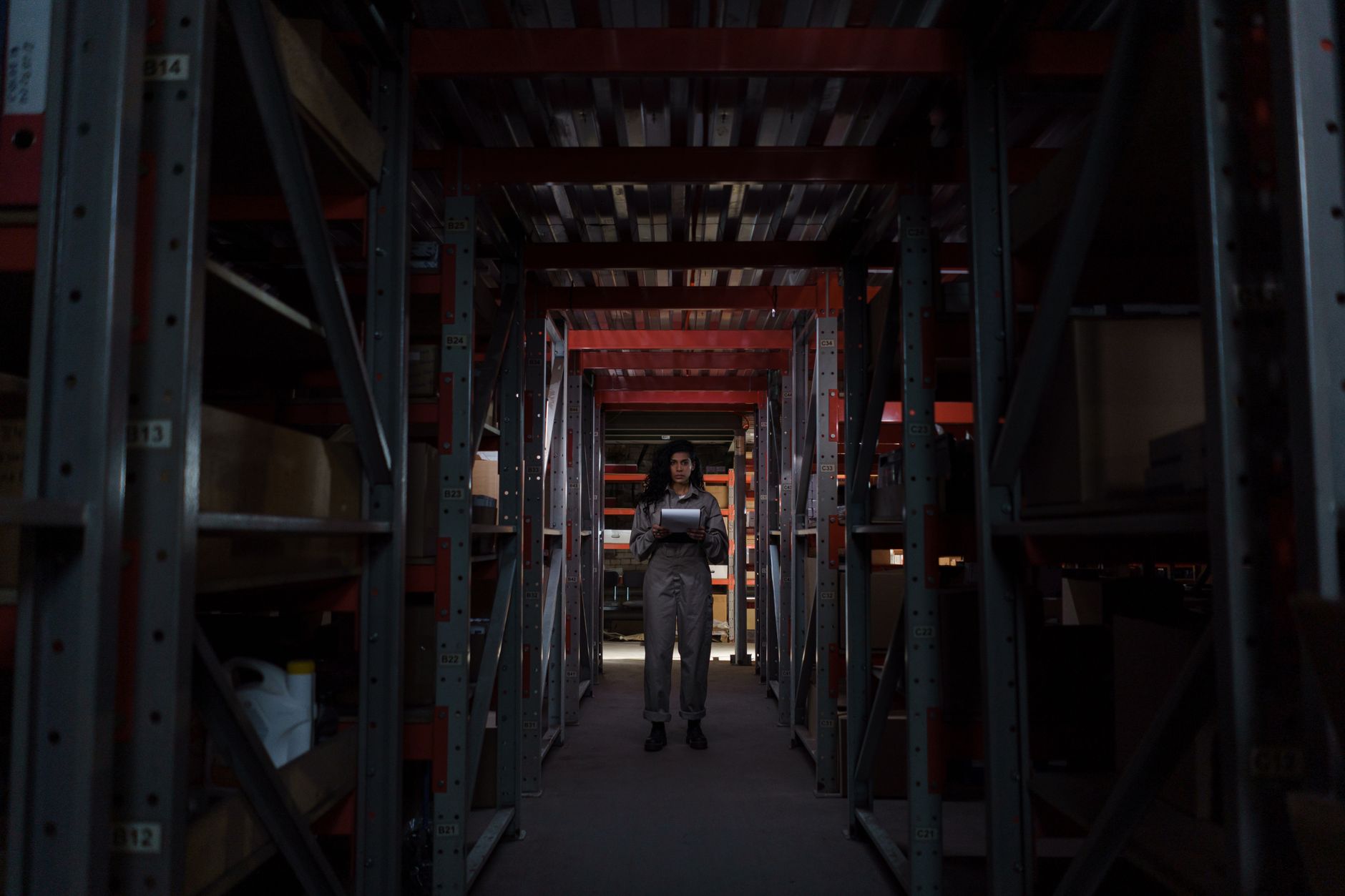
Rack damage inspection refers to the systematic evaluation of storage racks in warehouses to identify any signs of damage or wear. This inspection process is essential for ensuring the safety of warehouse operations, maintaining inventory integrity, and optimizing space utilization. Regular inspections help to prevent accidents, protect employees, and reduce operational costs associated with damaged equipment.
Etymology and Origins
The term "rack" originates from the Old Norse word "rekkr," meaning a framework or support structure 3. Initially referring to any framework for holding things, its application evolved significantly with industrialization. In the context of warehouses, racks have transformed from simple shelving units to sophisticated, engineered systems designed for the efficient storage and retrieval of goods, particularly with the advent of palletization. The practice of inspecting these structures has its roots in early industrial safety regulations, which emerged to address the growing risks associated with mechanized production and material handling. These regulations emphasized the importance of maintaining all equipment, including storage apparatus, in optimal condition to prevent accidents and ensure the safe handling of materials within industrial environments 4.
Historical Development
The systematic practice of rack damage inspection is closely tied to the evolution of modern warehousing and material handling. Its development can be traced through several key phases:
- Pre-1950s: Manual Stacking and Basic Shelving – Before widespread palletization and the use of forklifts, warehouses primarily relied on manual stacking of goods or simple, fixed wooden/metal shelving units. Inspections were largely informal and reactive, focusing on obvious structural failures.
- 1950s-1960s: Rise of Palletization and Early Forklifts – The introduction of the forklift and the standardized pallet revolutionized warehouse operations, enabling higher stacking and denser storage 5. This shift necessitated more robust and engineered storage structures, laying the groundwork for what would become modern racking systems. Early forms of selective pallet racking began to appear.
- 1970s-1980s: Widespread Adoption of Pallet Racking and Early Standards – This period saw the rapid proliferation of various pallet racking systems, including selective, drive-in, and push-back configurations, which significantly improved storage density and efficiency. The increased height and load capacities of these systems also brought new safety challenges. In response, organizations like the Rack Manufacturers Institute (RMI) began developing technical specifications and safety guidelines for industrial steel storage racks, marking the formal recognition of rack safety as a specialized field 6.
- 1991: Formal Regulatory Emphasis – The Occupational Safety and Health Administration (OSHA) published guidelines emphasizing the employer's responsibility for workplace safety, which included requirements for regular inspections of storage racks to prevent collapses and ensure safe material handling 7. This pushed warehouses towards more structured inspection programs.
- 1997: ANSI MH16.1 Standard – The American National Standards Institute (ANSI), in conjunction with RMI, published the ANSI MH16.1: Specification for the Design, Testing and Utilization of Industrial Steel Storage Racks. This seminal standard provided comprehensive guidelines for the safe design, testing, and use of racking systems, further formalizing inspection criteria and best practices 8.
- 2000s: Integration with Warehouse Management Systems (WMS) – The rise of automated warehouse management systems (WMS) began to integrate maintenance schedules and incident reporting. This allowed for more systematic tracking of rack conditions and inventory management, incorporating inspection protocols into broader operational workflows. Modern WMS systems provide tools for scheduling and documenting these inspections, enhancing accountability.
- Present Day: Advanced Technologies and Predictive Maintenance – The current era leverages technologies such as RFID, barcode scanning, and advanced software applications to transform how inspections are conducted. This includes the use of drones for visual inspections of high bays, IoT sensors for real-time monitoring of structural integrity, and AI-powered analytics for predictive maintenance. These advancements aim to make inspections safer, more efficient, and proactive, often integrating with visual inventory management systems for a comprehensive view of warehouse assets.
Core Concepts
Rack damage inspection involves several core concepts critical for its effectiveness:
- Visual Inspection: This is the most common form, involving the systematic examination of racking systems for visible damage such as bent beams, deformed uprights, corroded components, loose or missing anchors/bolts, and signs of impact from material handling equipment. Inspectors look for deviations from plumbness and levelness, as well as indications of overloading.
- Load Capacity Verification: While not always a 'test' in the destructive sense, this involves verifying that the current rack configuration and stored loads do not exceed the manufacturer's specified load capacities. Misinformation or changes in stored product weight can lead to significant safety risks. Load plates should always be present and adhered to.
- Documentation: Maintaining meticulous records of inspections, findings, corrective actions taken, and repair dates is crucial. This ensures compliance with safety regulations, provides an audit trail, and helps identify recurring issues or problematic areas. Workflow management features within a WMS can streamline this documentation process, ensuring consistency and accessibility.
- Employee Training: It is essential that all warehouse personnel, especially forklift operators, are trained not only in recognizing potential rack hazards but also in the correct procedures for reporting damage immediately. An informed workforce is the first line of defense against escalating rack damage.
Types and Classifications
There are several types of inspections that warehouses might employ, often performed by a combination of internal trained staff and external certified specialists:
- Routine (Daily/Weekly) Inspections: These are quick, visual checks performed frequently, often by on-site staff or equipment operators. They assess the general condition of racks, identify obvious fresh damage, and allow for the resolution of minor issues before they worsen. The goal is early detection of significant impacts or visible deterioration.
- Detailed (Monthly/Quarterly) Inspections: More thorough evaluations performed less frequently by trained internal personnel or external rack safety experts. These involve a closer look at specific components, measurement of deflections, checking torque on bolts, and a comprehensive review of all rack elements. They may involve the partial unloading of bays for better access.
- Compliance (Annual/Biennial) Inspections: Mandatory checks aimed at ensuring adherence to national and international safety regulations and industry standards (e.g., OSHA, ANSI/RMI, FEM). These are often performed by third-party certified inspectors who provide an impartial assessment and detailed reports for regulatory purposes. Guidelines from organizations like MHI and WERC heavily influence these inspections.
- Post-Incident Inspections: Conducted immediately after any impact or observed damage, regardless of schedule, to assess the extent of the damage and determine if the rack is safe for continued use or requires immediate unloading and repair.
Industry Applications
Rack damage inspection is vital across various sectors due to the universal need for safe and efficient storage:
- E-commerce Fulfillment: With high throughput and constant material movement, efficient management of inventory and ensuring space efficiency in warehouses that fulfill online orders requires well-maintained racks to prevent downtime and product damage. Damage can significantly disrupt picking operations.
- Manufacturing: Safe storage of raw materials, work-in-progress, and finished products depends on reliable storage solutions. In manufacturing environments, rack failures can lead to production stoppages, quality control issues, and serious safety incidents.
- Food and Beverage: Compliance with stringent health and safety regulations necessitates impeccable storage conditions. Rack damage can compromise product integrity, lead to contamination, or cause product loss, making stringent inspection protocols critical.
- Cold Storage/Freezer Warehouses: Extreme temperatures can affect material properties, making racks more susceptible to brittle fracture or corrosion. Specialized inspection protocols are needed to account for these environmental factors.
Benefits and Advantages
The benefits of regular, systematic rack damage inspections are multifaceted and contribute significantly to overall operational health:
- Enhanced Safety: The primary benefit is reducing the risk of catastrophic rack collapse, accidents, and severe injuries or fatalities to warehouse personnel by identifying and addressing damage early. This also protects stored goods from damage.
- Cost Savings: Preventing major accidents avoids expensive reparations, worker's compensation claims, legal liabilities, and the costs associated with facility downtime, product loss, and emergency repairs. Proactive maintenance is always more cost-effective than reactive crisis management.
- Improved Operational Efficiency: Ensures optimal use of space and resources by maintaining a safe, organized, and fully functional storage environment. Undamaged racks allow for smooth material flow, faster putaway and retrieval, and reduced operational bottlenecks.
- Extended Asset Lifespan: Regular maintenance and timely repairs prevent minor issues from escalating into major structural problems, thereby extending the operational life of expensive racking systems.
- Regulatory Compliance: Ensures adherence to local, national, and international safety standards, avoiding potential fines, sanctions, and legal repercussions.
Challenges and Limitations
Despite the clear importance of rack damage inspections, warehouses often face several challenges:
- Resource Allocation: Allocating sufficient time, skilled personnel, and budget for thorough and frequent inspections can divert resources from other operational tasks, especially in high-pressure environments. The cost of specialized training or external inspectors can also be a barrier.
- Changing Standards and Regulations: Keeping up with evolving safety regulations, industry best practices, and manufacturer guidelines requires constant education, adaptation of inspection protocols, and ongoing training for staff.
- Identifying Hidden Damage: Visual inspections may not always reveal internal structural fatigue, micro-fractures, or damage in hard-to-reach areas. Identifying these hidden issues may require advanced inspection tools (e.g., ultrasonic testing) and specialized knowledge, increasing the complexity and cost of the process.
- Disruption to Operations: Detailed inspections, especially those requiring partial unloading or access to specific bays, can temporarily disrupt normal warehouse operations, leading to potential productivity losses.
- Subjectivity: Visual inspections can sometimes be subjective, depending on the experience and training of the inspector. This highlights the need for standardized checklists and clear damage assessment criteria.
Best Practices
To maximize the effectiveness of rack damage inspections and ensure a safe working environment, consider the following best practices:
- Develop a Comprehensive Inspection Program: Establish clear timelines for different types of inspections (daily, weekly, monthly, annual) based on warehouse activity levels, rack usage, and equipment type. This program should include detailed checklists and clear criteria for damage assessment.
- Utilize Technology: Implement tools such as mobile warehouse management systems to facilitate the scheduling, tracking, and documenting of inspections. Digital checklists, photo attachments, and automated reporting can significantly improve accuracy and efficiency. Integration with visual inventory management systems can provide a graphical representation of rack health.
- Train Staff Thoroughly: Ensure all employees, especially those operating material handling equipment, are familiar with basic rack safety, common damage indicators, and the importance of reporting damages promptly through established channels. Provide specialized training for dedicated inspection personnel.
- Appoint a Responsible Person: Designate a specific individual or team responsible for overseeing the rack inspection program, ensuring compliance, and coordinating necessary repairs.
- Implement a Color-Coding System: Use colored tags (e.g., green for safe, amber for minor damage needing attention, red for severe damage requiring immediate unloading) to visually communicate the status of damaged rack sections to all personnel.
- Prompt Repair and Replacement: Establish clear procedures for addressing identified damage. Severely damaged components should be unloaded immediately and replaced or professionally repaired according to manufacturer specifications and industry standards. Do not attempt makeshift repairs.
- Regular Review and Audit: Periodically review the inspection program's effectiveness, update protocols based on new standards or incidents, and conduct internal or external audits to ensure adherence and identify areas for improvement.
Future Trends
Looking ahead, the integration of AI and IoT in warehouse management will continue to revolutionize rack damage inspections:
- Automated Drone Inspections: Drones equipped with high-resolution cameras and AI-powered computer vision software can autonomously navigate warehouses, capture imagery of racking systems, and identify potential damage (e.g., bent beams, missing components) with greater speed and accuracy than manual methods, especially in high-reach areas.
- IoT Sensors for Real-time Monitoring: Strain gauges, accelerometers, and other IoT sensors embedded in or attached to racking components can provide real-time data on load stress, impacts, vibration, and temperature fluctuations. This data can alert managers to potential issues before they become critical.
- Predictive Maintenance: AI algorithms can analyze historical inspection data, sensor readings, and operational patterns to predict when and where rack damage is most likely to occur. This enables a shift from scheduled, periodic inspections to a more proactive, condition-based maintenance approach, optimizing resources and preventing failures.
- Augmented Reality (AR) for Inspectors: AR glasses can overlay historical data, repair instructions, or real-time sensor readings onto an inspector's field of view, enhancing their ability to identify and assess damage and guide repair procedures.
By adhering to these principles and practices, and embracing emerging technologies, businesses can significantly reduce the risks associated with rack damage, thereby enhancing the overall safety, efficiency, and resilience of their warehouse operations.