Quality Management in Logistics
Quality management is critical in logistics, ensuring efficiency, customer satisfaction, and compliance with industry standards.
Updated
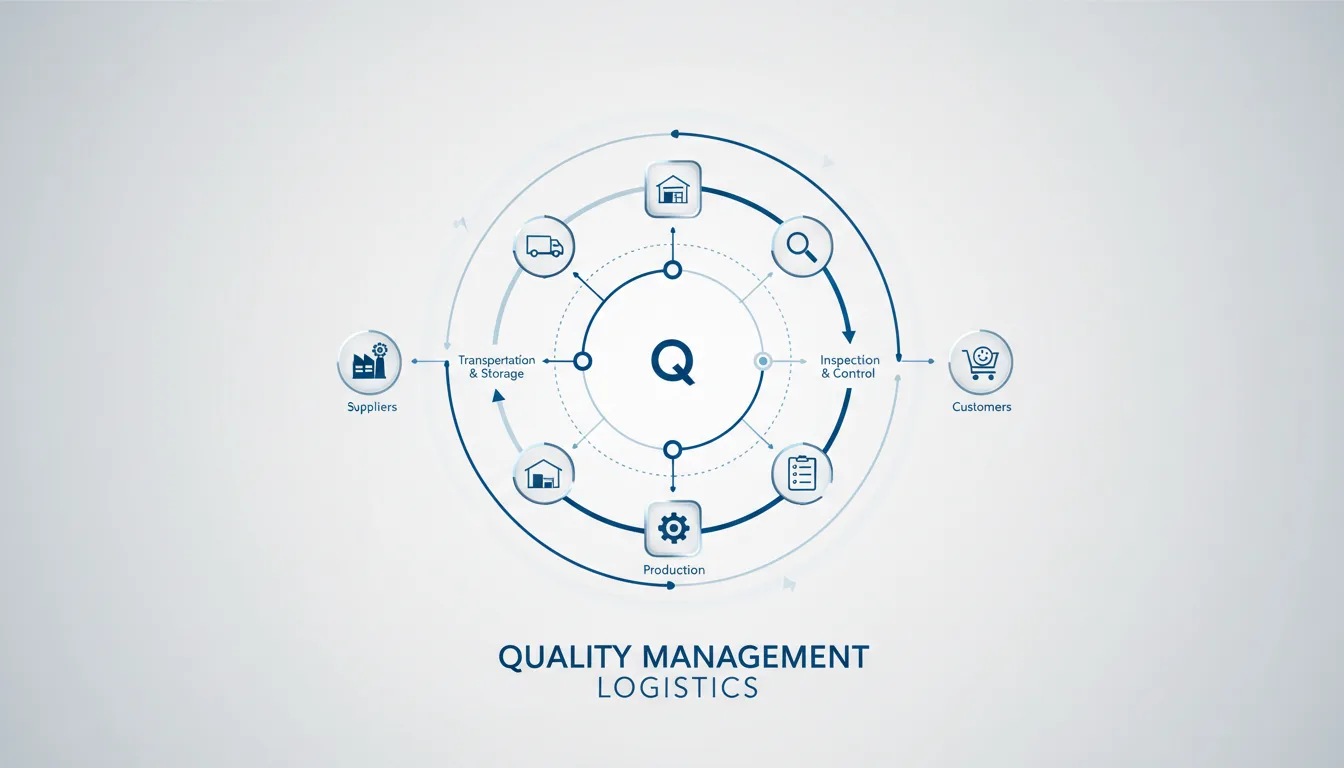
Overview
Quality management in logistics encompasses the strategies and processes employed to ensure that logistics operations meet predetermined standards of quality. This concept is vital for maintaining customer satisfaction, optimizing supply chain efficiency, and adhering to regulatory compliance. Effective quality management ensures that goods are delivered on time, in excellent condition, and in alignment with customer expectations, ultimately contributing to a robust and reliable supply chain.
Etymology and Origins
The term 'quality' originates from the Latin word qualitas, which refers to the characteristics or properties of something. The philosophical concept of quality, concerning intrinsic excellence and fitness for purpose, can be traced back to ancient Greek philosophers like Aristotle who discussed the attributes and essence of things. However, the systematic approach to 'quality management' as a discipline emerged much later.
In the pre-industrial era, quality was largely determined by the craftsman's skill and direct interaction with the customer, emphasizing individual accountability. With the advent of the Industrial Revolution in the 18th and 19th centuries, mass production introduced new challenges. The focus shifted from individual craftsmanship to standardized processes. The concept began to evolve significantly in the early 20th century as industries recognized the necessity of controlling quality to improve production processes and customer satisfaction. This evolution extended beyond manufacturing to encompass broader fields such as logistics and supply chain management.
Historical Development
Quality management has evolved considerably over the decades, driven by industrial advancements, global competition, and technological innovation:
-
Early 20th Century (1900s-1930s): Pioneers like Frederick Taylor began advocating for scientific management practices, laying the groundwork for modern quality control methods by introducing concepts of standardization and efficiency. Concurrently, the rise of large-scale manufacturing highlighted the need for systematic inspection. Walter A. Shewhart at Bell Labs introduced statistical process control (SPC) in the 1920s with his seminal work on control charts, providing a scientific basis for distinguishing common from special causes of variation in production processes. This marked a shift from mere inspection to process control.
-
Post-World War II (1940s-1960s): The war necessitated high-quality, standardized production, leading to the development of military quality standards. After World War II, quality management techniques were significantly influenced by figures such as W. Edwards Deming and Joseph Juran, particularly in Japan. Deming's 14 Points for Management and Juran's Quality Trilogy (quality planning, control, and improvement) helped transform Japanese industry, leading to the development of Total Quality Control (TQC) and Quality Circles, which empowered workers in the quality process.
-
Global Expansion and Standardization (1970s-1990s): As Japanese products gained a reputation for superior quality, Western companies began to adopt similar practices. The 1980s saw the emergence of Total Quality Management (TQM) as a holistic approach emphasizing continuous improvement and customer satisfaction across all organizational functions. The establishment of ISO 9000 standards in 1987 aimed at establishing a framework for quality assurance in manufacturing and services, including logistics, boosting quality management practices globally. During this period, Motorola developed Six Sigma, a data-driven methodology for eliminating defects.
-
Digital Transformation and Supply Chain Integration (2000s to Present): The advent of technology brought about automated quality control systems, enterprise resource planning (ERP) systems, and specialized tools such as mobile warehouse management systems and visual inventory management systems. These technologies enhance quality assurance practices through real-time data capture, advanced analytics, and improved visibility across the entire supply chain. Concepts like Lean Logistics, inspired by the Toyota Production System, became prevalent, focusing on waste reduction and continuous flow, inherently improving quality. The integration of quality management with broader supply chain management became paramount, ensuring quality from sourcing to final delivery.
Core Concepts
Quality management within logistics involves several core components, often interdependent and reinforcing:
- Quality Assurance (QA): These are the proactive processes implemented to guarantee that logistic operations meet quality standards before the delivery of services or goods. QA focuses on preventing defects through systematic planning, documentation, and process audits. This includes setting clear standard operating procedures (SOPs), conducting training, and ensuring compliance at every stage, from inbound receiving to outbound shipping.
- Quality Control (QC): Activities focused on inspecting and testing materials, products, and processes to identify and correct defects after they occur but before reaching the customer. QC involves measuring actual performance against set standards, for instance, checking product condition, verifying order accuracy through pick, pack, ship software, or monitoring delivery times.
- Continuous Improvement (CI): A key principle of quality management, promoting ongoing enhancements in processes, products, and services to maximize satisfaction and efficiency. Methodologies like Plan-Do-Check-Act (PDCA), Kaizen, and Six Sigma are central to fostering a culture of continuous improvement, identifying root causes of issues, and implementing lasting solutions.
- Customer Focus: Essential for aligning quality objectives with customer needs and market demands. This involves understanding customer expectations, gathering feedback, and designing logistics processes that consistently meet or exceed these expectations. In logistics, this means accurate, on-time, and damage-free delivery.
- Process Management: Defining, analyzing, and improving logistics processes (e.g., warehousing, transportation, fulfillment) to ensure they are efficient, effective, and consistently produce desired quality outcomes. This often leverages tools like process mapping and performance metrics.
- Supplier Quality Management: Extending quality principles to external vendors and partners to ensure that incoming goods and services meet required standards. This involves supplier selection, audits, performance monitoring, and collaborative improvement initiatives.
Industry Applications
Quality management in logistics applies across various sectors, adapting to specific industry requirements and regulatory landscapes:
- Retail & E-commerce: Adopting automated order fulfillment systems and rigorous quality checks, such as using mobile order fulfillment software for accuracy in picking and packing, to ensure products meet customer expectations in terms of speed, accuracy, and condition. This is critical for managing returns and maintaining brand reputation in a highly competitive market.
- Manufacturing: Employing quality standards to streamline production and shipping workflows, thereby minimizing defects and waste. This includes inbound quality checks for raw materials, in-process quality control on production lines, and meticulous outbound checks to prevent defective products from reaching customers. Just-in-Time (JIT) manufacturing heavily relies on perfect quality of incoming components.
- Pharmaceuticals & Healthcare: Implementing strict quality audits, cold chain management, and compliance checks (e.g., Good Distribution Practices - GDP) to meet stringent regulatory standards for product safety, efficacy, and traceability. This requires meticulous handling of lots and expiration dates and detailed documentation.
- Food & Beverage: Focus on maintaining product freshness, safety, and compliance with food safety regulations. Quality management involves temperature-controlled logistics, rapid inventory rotation, and adherence to sanitation standards throughout the supply chain.
Benefits and Advantages
Implementing a robust quality management system in logistics offers numerous quantifiable benefits, enhancing both operational performance and competitive advantage:
- Increased Customer Satisfaction: Consistent delivery of quality products and services, on time and in perfect condition, builds trust and loyalty. This directly translates to repeat business and positive brand perception.
- Enhanced Operational Efficiency: Streamlined processes, reduced errors, and minimized waste lead to lower operational costs. By identifying and eliminating non-value-added activities, organizations can achieve higher productivity and resource utilization.
- Improved Compliance: Adherence to industry standards (e.g., ISO 9001), regulatory requirements (e.g., FDA, HACCP), and internal policies mitigates the risk of legal issues, fines, and reputational damage.
- Greater Overall Profitability: Reduced costs associated with quality failures (e.g., rework, returns, warranty claims), coupled with increased customer retention and operational efficiency, directly contributes to a healthier bottom line.
- Better Decision-Making: Data-driven quality management provides actionable insights into process performance, allowing for informed strategic decisions and targeted improvement initiatives.
- Stronger Supply Chain Relationships: Collaboration on quality initiatives with suppliers and partners fosters stronger, more reliable relationships, leading to a more resilient overall supply chain.
Challenges and Limitations
Despite its benefits, quality management in logistics faces several inherent challenges:
- Resistance to Change: Implementing new quality processes or technologies often meets resistance from employees accustomed to existing methods. Overcoming this requires strong leadership, effective communication, and comprehensive training programs.
- Complexity of Global Supply Chains: Ensuring consistency across a geographically dispersed and multi-party global supply chain can be complex and costly. Differing regulations, cultural norms, and infrastructure quality in various regions add layers of difficulty.
- Data Integration and Visibility: Identifying and addressing quality issues in real-time requires advanced technology and seamless data integration across disparate systems. Many organizations struggle with fragmented data, making it difficult to gain a holistic view of quality performance.
- Cost of Technology and Implementation: Adopting advanced quality management systems, IoT sensors, or AI-powered analytics can require significant upfront investment, which may not be readily available to all organizations, particularly SMEs.
- Maintaining Standards with High Volume/Velocity: In fast-paced e-commerce or high-volume logistics, maintaining rigorous quality standards without impacting throughput can be a constant balancing act. The pressure for speed can sometimes compromise attention to detail.
Best Practices
To effectively manage and enhance quality in logistics, organizations should adopt a multifaceted approach:
- Cultivate a Quality Culture: Develop a culture of quality that empowers staff at all levels to prioritize quality in their work. This involves leadership commitment, employee engagement, and recognizing contributions to quality improvement.
- Standardize Processes (SOPs): Document and standardize all key logistics processes (e.g., receiving, putaway, picking, packing, shipping). Regularly review and update Standard Operating Procedures (SOPs) to ensure clarity, consistency, and adherence to best practices. Tools like SkuSavvy workflows can help enforce these standards.
- Implement Robust Training Programs: Regularly train employees on quality standards, methodologies, and the use of quality tools. This enhances their skills, awareness, and commitment to quality. Utilize platforms like employee productivity tracking to identify training needs and measure impact.
- Leverage Data Analytics: Utilize data analytics for meaningful insights into quality performance, identifying trends, root causes of defects, and areas for improvement. Implement KPIs (Key Performance Indicators) such as order accuracy, on-time delivery, damage rates, and inventory accuracy (e.g., through cycle counting) to monitor performance.
- Technology Adoption: Invest in and effectively utilize modern logistics technologies. This includes Warehouse Management Systems (WMS), Transportation Management Systems (TMS), IoT devices for real-time monitoring, and automation tools.
- Supplier Collaboration: Establish strong relationships with suppliers based on shared quality objectives. Conduct supplier audits, set clear quality agreements, and collaborate on continuous improvement initiatives.
- Customer Feedback Loop: Actively solicit and analyze customer feedback to understand evolving expectations and pinpoint areas for quality enhancement. Use this feedback to drive internal process improvements.
Technology and Tools
Advancements in technology have revolutionized quality management in logistics, providing unprecedented levels of visibility, control, and analytical capabilities. Key tools and technologies include:
- Warehouse Management Systems (WMS): Modern WMS, particularly mobile warehouse management solutions, enhance quality by guiding staff through processes (e.g., bin put-away criteria, batch picking), enforcing accuracy in inventory movements, and providing real-time data on stock levels and order status. Features like lots and expiration dates tracking are crucial for quality control in perishable or regulated goods.
- Automated Quality Control Systems: These include inline inspection systems using machine vision, automated dimensioning and weighing systems, and robotic process automation (RPA) for repetitive quality checks. They regularly monitor and evaluate quality metrics in real-time, reducing human error.
- Data Analytics and Business Intelligence (BI) Software: Enables organizations to collect, analyze, and visualize quality-related data from various sources. This facilitates informed decision-making about quality improvements, predictive maintenance, and performance optimization.
- Internet of Things (IoT): IoT sensors integrated into shipments and warehousing (e.g., for temperature, humidity, shock) provide real-time environmental monitoring, critical for sensitive goods like pharmaceuticals and food.
- Blockchain Technology: Offers immutable and transparent record-keeping for every stage of a product's journey. This enhances traceability and authenticity, making it easier to pinpoint quality issues and verify product provenance.
- Artificial Intelligence (AI) & Machine Learning (ML): AI/ML algorithms can analyze vast datasets to predict potential quality issues before they occur (e.g., predicting equipment failure, identifying anomalous delivery patterns), optimize routing, and automate quality inspection processes.
- Order Management Systems (OMS): Integrated with WMS, an order management system ensures order accuracy, tracks fulfillment progress, and manages customer returns, all contributing to overall service quality.
- Visual Inventory Management: Tools like SkuSavvy's visual inventory system provide a clear, intuitive overview of stock, helping identify discrepancies quickly and improving inventory accuracy, a key aspect of quality.
Future Trends
The future of quality management in logistics will be characterized by increased integration, intelligence, and a broader scope:
- Predictive Quality with AI: Greater integration of artificial intelligence (AI) and machine learning (ML) to predict quality issues before they arise. This includes predicting equipment failures, potential delivery delays, or even product damage based on historical data and real-time conditions, enhancing proactive quality management.
- Sustainability and Ethical Sourcing: Wider adoption of sustainability practices, where organizations aim for quality improvements that also benefit environmental and social factors. This includes ensuring ethical sourcing, reducing carbon footprint in transportation, and minimizing waste throughout the supply chain, aligning quality with corporate social responsibility.
- Agile Quality Management Systems: A shift towards more agile quality management systems capable of adapting quickly to rapid changes in consumer demands, market conditions, and unforeseen disruptions. This involves flexible processes and technology that can be rapidly reconfigured.
- Digital Twins for Supply Chain: The creation of virtual replicas of physical supply chains will allow for simulation and testing of quality control measures and process changes before actual implementation, optimizing outcomes and reducing risks.
- Hyper-Personalization of Service Quality: As customer expectations continue to rise, quality management will increasingly focus on delivering highly personalized logistics services, ensuring that individual customer preferences regarding delivery, packaging, and communication are met.
- Blockchain for End-to-End Traceability: Continued growth in the use of blockchain to provide an unalterable, distributed ledger for tracking products from origin to consumption, enhancing transparency and trust in product quality and authenticity.
Related Concepts
Quality management in logistics is intrinsically interlinked with several other critical supply chain and operational management concepts, forming a cohesive strategy for excellence:
- Lean Management: A philosophy focused on eliminating waste (Muda) while improving overall quality and efficiency. In logistics, Lean principles translate to optimizing routes, reducing inventory holding costs, and streamlining processes to deliver goods faster and with fewer errors.
- Supply Chain Management (SCM): Integrates quality management practices to ensure that quality is maintained throughout the entire supply chain process, from raw material procurement to manufacturing, warehousing, and final delivery. Quality is a fundamental pillar for effective SCM.
- Total Quality Management (TQM): An overarching philosophy that encompasses all aspects of quality, including customer satisfaction, continuous improvement, and the involvement of all employees. TQM provides the strategic framework within which logistics quality management operates.
- Risk Management: Identifying, assessing, and mitigating potential risks that could impact quality (e.g., natural disasters affecting transport, supplier failures). Quality management contributes by reducing internal operational risks.
- Performance Management: Setting clear objectives, measuring performance against these objectives using KPIs, and taking corrective action. Quality metrics are a vital part of overall logistics performance management.
The implementation of an effective quality management system is crucial for logistics operations, particularly in an increasingly competitive global market. By prioritizing quality, organizations can achieve higher customer satisfaction, operational efficiency, regulatory compliance, and sustained competitive advantage.
Sources
- Mobile Warehouse Management System Overview
- Order Management System
- Walter A. Shewhart - The Father of Statistical Quality Control
- Continuous Improvement (PDCA) – What it is and how to use it
- Building a Culture of Quality
- IoT in Logistics and Supply Chain: Use Cases and Benefits
- Blockchain in Supply Chain: A Guide to Use Cases and Benefits
- AI in Supply Chain: A Game Changer for Efficiency and Resilience
- Sustainable Supply Chains: A Comprehensive Guide
- Visual Inventory Management System
- Pick, Pack, Ship Software
- Mobile Order Fulfillment
- Lots & Expiration Dates
- Workflows Overview
- Productivity Tracking
- Cycle Counting Guide
- Bin Put-Away Criteria
- Batch Picking Guide