Purchase Order Management
An in-depth exploration of purchase order management, its importance in logistics and supply chain, historical context, and best practices.
Updated
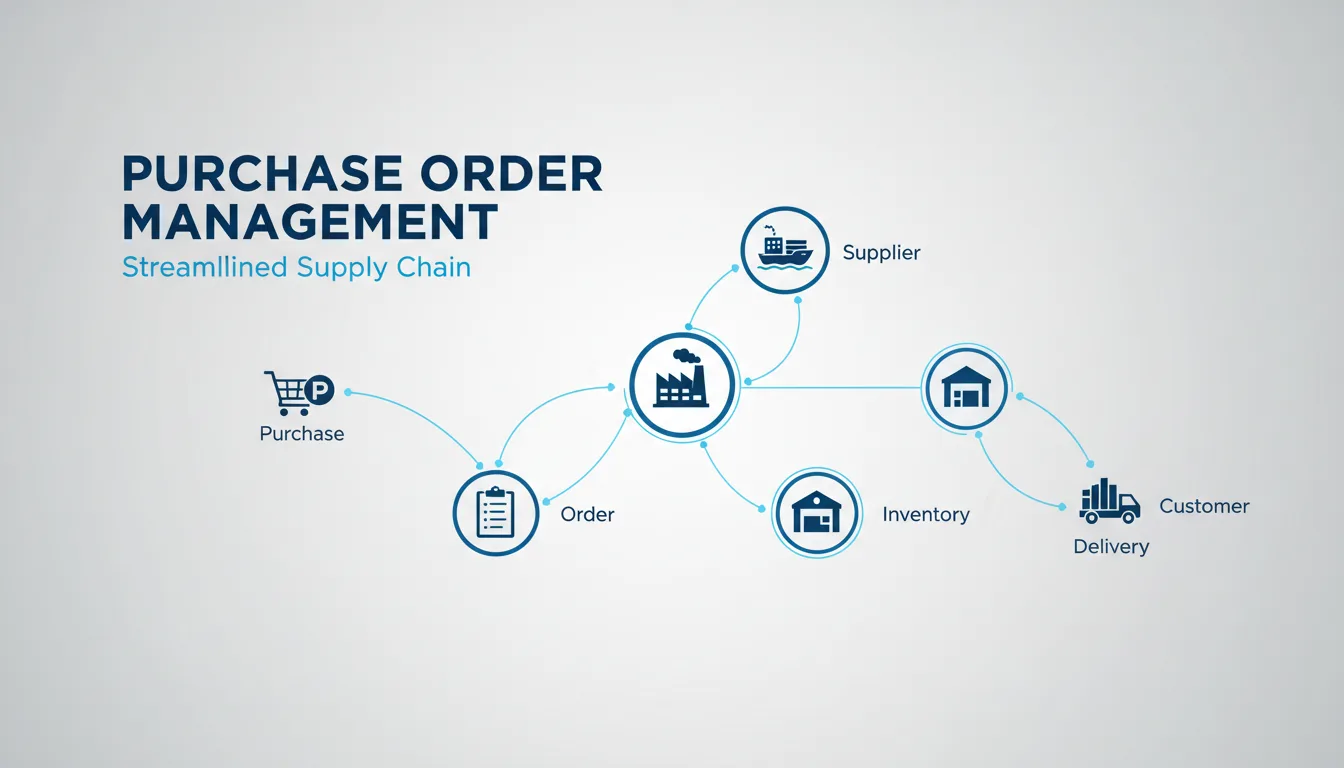
Overview
Purchase Order Management (POM) is a critical process within the logistics and supply chain industry that involves the planning, creation, execution, and tracking of purchase orders (POs). A purchase order is a formal agreement between a buyer and supplier, documenting the items purchased, quantities, pricing, and delivery terms. Effective POM plays a vital role in ensuring that organizations maintain optimal inventory levels, reduce procurement costs, and improve supplier relationships, significantly impacting overall operational efficiency and supply chain resilience.
Etymology and Origins
The concept of formalizing purchase agreements has ancient roots, with evidence of structured commercial transactions dating back to Mesopotamian civilizations using clay tablets to record exchanges 7. The direct antecedent of the modern purchase order began to emerge with the rise of organized commerce and banking. Early forms of contractual agreements, bills of lading, and requisitions were used in medieval trade and later in the burgeoning mercantilist economies 8.
The term "purchase order" as a distinct document and process gained prominence during the Industrial Revolution and the subsequent rise of large corporations in the 19th and early 20th centuries. As businesses grew in complexity and scale, particularly with mass production, there was an increasing need for standardized documentation to manage the procurement of raw materials and components from numerous suppliers 9. The formalization of the "purchase order" became a cornerstone of modern business practices, moving away from informal agreements to legally binding, documented transactions, essential for accounting, inventory management, and dispute resolution.
Historical Development
Early Beginnings and Industrial Standardization
Purchase orders have been used informally for centuries. However, the first significant movement towards standardized practices began in the early 20th century, particularly in the 1910s and 1920s, when businesses sought methods to improve procurement efficiency amidst rapid industrial expansion. Pioneers like Frederick Winslow Taylor and the scientific management movement emphasized efficiency and standardization in all business processes, including purchasing 10. While Henry Ford's innovations in assembly line production during the 1910s and his later adoption of the “just-in-time” (JIT) philosophy in the 1930s laid foundational ideas for modern supply chain strategies, the full scope of JIT as a systematic approach to inventory and procurement was later refined and popularized by Toyota in post-WWII Japan 11.
The Rise of Computerization and MRP
By the mid-20th century, the growing complexity of manufacturing operations, especially in defense and aerospace, necessitated more sophisticated planning. The 1950s and 1960s saw the development of Materials Requirements Planning (MRP) systems, first conceived by Joseph Orlicky at IBM. MRP systems, initially run on mainframe computers, were designed to manage dependent demand inventory and schedule production and raw material purchases 12. This marked a significant shift towards computerized procurement, as MRP generated purchase requisitions and advised on order placement, transforming the manual PO process into a data-driven function.
The 1980s and 1990s: ERP and EDI
With the introduction of personal computing and increasingly powerful enterprise systems in the 1980s, companies began utilizing software to manage POs more effectively. The widespread adoption of Electronic Data Interchange (EDI) in the 1980s revolutionized how purchase orders were transmitted between buyers and suppliers, moving from paper-based or faxed documents to electronic formats 13. This dramatically reduced lead times, data entry errors, and administrative costs. The emergence of Enterprise Resource Planning (ERP) systems in the 1990s integrated various business functions, including purchase order management, inventory control, and finance, into a cohesive platform. This shift drastically reduced errors, enhanced visibility, and enabled real-time decision-making throughout the procurement process. Companies like SAP and Oracle became leaders in this space, offering comprehensive solutions for managing complex supply chains.
Recent Trends and Digital Transformation
Today, Purchase Order Management systems leverage advanced technologies, including cloud computing, artificial intelligence (AI), and machine learning (ML), to automate and optimize the entire procurement workflow. E-procurement platforms have become standard, enabling digital requisitioning, automated PO generation, and online supplier collaboration through vendor portals. Enhanced analytics capabilities, often powered by AI, allow organizations to refine their purchasing strategies based on historical data, demand forecasting, and market trends, moving from reactive purchasing to proactive strategic sourcing. The integration of blockchain technology is also being explored to provide immutable records and enhance transparency in supply chain transactions 14.
Core Concepts
At its core, purchase order management involves several critical components that ensure a smooth and efficient procurement cycle:
- Requisitioning and Approval Workflow - The process typically begins with a purchase requisition (PR) from an internal department, signaling a need for goods or services. This PR is then routed through an approval process based on predefined rules (e.g., spend limits, departmental budgets). Once approved, a formal purchase order is created. Modern systems like SkuSavvy facilitate a clear PO Approval Workflow, ensuring that purchases are vetted and authorized by relevant stakeholders before being issued to a supplier.
- Order Generation and Transmission - After approval, the PO is generated, detailing all terms and conditions. Timely and accurate transmission to the supplier is crucial. While traditional methods include email or fax, advanced systems leverage EDI, API integrations, or supplier portals for instant and error-free communication.
- Order Tracking and Expediting - Once issued, tracking the PO through various stages of fulfillment is essential. This includes monitoring production status, shipment details, and expected delivery dates. Technologies like advanced shipping notices (ASNs) and real-time tracking systems provide visibility. Stock replenishment systems are often integrated to ensure that incoming goods align with inventory needs, preventing stockouts or overstock. If delays occur, procurement teams may need to expedite orders, requiring close communication with suppliers.
- Goods Receipt and Inspection - Upon arrival, goods are checked in against the purchase order and often against an ASN. This involves verifying quantities, quality, and condition of items received. Discrepancies are noted, and a Goods Receipt Note (GRN) or proof of delivery is generated. SkuSavvy's Purchase Order Check-In features streamline this critical step within the warehouse.
- Supplier Communication and Relationship Management - Regular and transparent communication with suppliers is paramount. This includes clarifying order details, addressing discrepancies, negotiating terms, and providing performance feedback. Effective supplier relationship management (SRM) fosters trust and can lead to better pricing, service, and innovation. A vendor portal can serve as a centralized hub for this collaboration.
- Invoicing, Three-Way Matching, and Payment - Once goods or services are received and accepted, the supplier sends an invoice. A critical control step is three-way matching, where the invoice is cross-referenced with the purchase order and the goods receipt (or service confirmation) for accuracy. This ensures that the organization pays only for what was ordered and received, preventing fraud and errors. After successful matching, the invoice is approved for payment, often processed automatically through integrated financial systems.
Types and Classifications
Effective POM can be categorized into various types based on the procurement strategies employed and the nature of the goods or services being purchased:
- Standard Purchase Orders (SPOs): The most common type, used for a one-time purchase of specific goods or services. It details all expected items, quantities, prices, and delivery terms upfront. Ideal for non-recurring or infrequent purchases.
- Blanket Purchase Orders (BPOs) / Standing Orders: Agreements established for recurring purchases over a set period (e.g., a year) with a single supplier. A BPO specifies an overall quantity or value limit and allows for multiple releases or deliveries against that limit without issuing a new PO each time. This simplifies the ordering process, often secures favorable pricing, and is suitable for high-volume, repetitive purchases like office supplies or specific raw materials 15.
- Contract Purchase Orders (CPOs): These are more formal, long-term agreements with suppliers where prices, terms, and conditions for a range of goods or services are negotiated upfront for an extended period. CPOs often serve as master agreements under which individual standard or blanket purchase orders are issued, referencing the CPO terms. They are common for strategic components or services where supplier relationships are critical.
- Planned Purchase Orders (PPOs): Similar to blanket orders, PPOs define a long-term agreement for goods or services with anticipated delivery dates. However, the exact items and quantities may not be fully known at the time the PPO is created. They allow for flexibility in scheduling and quantity adjustments based on future demand, making them useful in volatile supply environments.
- Call-Off Orders: These are specific releases or requests for delivery made against an existing Blanket Purchase Order or Contract Purchase Order. They specify the exact quantity needed at a particular time, drawing from the pre-negotiated terms of the master agreement.
Industry Applications
Purchase order management is vital across various sectors, adapting to their unique operational demands:
- Manufacturing: POM is crucial for managing the complex Bill of Materials (BOM) and ensuring a continuous flow of raw materials, components, and sub-assemblies to production lines. Effective POM prevents production delays, optimizes inventory holding costs, and enables just-in-time manufacturing by ensuring materials arrive precisely when needed. This directly impacts production schedules and profitability.
- Retail: POM systems help retailers manage diverse product assortments, forecast demand, and maintain optimal stock levels across multiple stores or distribution centers, especially during peak seasons or promotional events. Robust POM supports rapid inventory turnover, minimizes stockouts of popular items, and reduces losses from overstocking, which is crucial for managing Shopify inventory or other e-commerce platforms.
- Healthcare: Accurate and timely POM is paramount for the delivery of medical supplies, pharmaceuticals, and equipment. It ensures that hospitals and clinics have critical items on hand, complying with stringent regulatory requirements for tracking and traceability, and supporting patient care without interruption. This sector often requires specialized PO management for controlled substances or temperature-sensitive goods.
- Construction: For large-scale construction projects, POM manages the procurement of vast quantities of diverse materials, equipment, and subcontractor services. It involves complex budgeting, scheduling, and supplier coordination to ensure project timelines are met and cost overruns are avoided. Effective POM helps track materials from order to delivery and usage on site.
- Services Industry: Even service-oriented businesses, such as IT consulting or marketing agencies, use POM for procuring software licenses, hardware, office supplies, and subcontracted services. This ensures that resources are available to support client projects and internal operations efficiently.
Benefits and Advantages
Effective purchase order management leads to numerous benefits that cascade throughout an organization's supply chain and financial health:
- Improved Inventory Control: By accurately tracking incoming goods and aligning purchases with demand forecasts, POM reduces both stockouts and excess inventory. This leads to lower carrying costs, reduced waste, and optimized warehouse space, often supported by features like Automated Purchase Quantity.
- Cost Efficiency: Streamlining procurement processes through automation and centralized management reduces administrative costs, minimizes manual errors, and provides leverage for bulk purchasing discounts and favorable payment terms. It also prevents duplicate orders.
- Better Supplier Relationships: Transparent and consistent communication, timely payments, and clear order specifications foster trust and collaboration with suppliers. This can lead to better service, preferential treatment, and potential for joint innovation, often facilitated by a vendor portal.
- Enhanced Financial Control and Budgeting: POs provide a clear commitment of funds before goods or services are received, enabling better budget management and preventing unauthorized spending. This predictability is crucial for cash flow planning.
- Strong Audit Trail and Compliance: Every PO creates a detailed record of transactions, which is essential for internal and external audits, tax compliance, and regulatory adherence. It provides evidence for what was ordered, from whom, at what price, and when. This traceability also helps in resolving disputes.
- Risk Mitigation: By formalizing agreements, POs protect buyers from price fluctuations, quality issues, and delivery delays. They serve as legal documents that outline responsibilities and recourse, particularly when integrated with robust contract management practices.
- Improved Data Analytics and Strategic Sourcing: Centralized PO data provides valuable insights into purchasing patterns, supplier performance, and market trends. This data can be used to inform strategic sourcing decisions, negotiate better contracts, and identify opportunities for cost savings and process improvements.
Challenges and Limitations
While highly beneficial, organizations often face several challenges in implementing and maintaining effective purchase order management:
- Integration Issues: Difficulty in integrating POM systems with existing ERP, inventory management, warehouse management, or accounting systems can lead to data silos, manual data re-entry, and significant inefficiencies. This is a common hurdle, especially in complex IT environments.
- Data Accuracy and Consistency: Inaccurate or incomplete data entry (e.g., wrong item codes, quantities, or pricing) can result in order errors, shipment discrepancies, payment delays, and ultimately, supply chain disruptions. Maintaining data integrity across systems and with suppliers is a continuous challenge.
- Supplier Management Complexity: Managing a large and diverse supplier base can be challenging. Issues include poor supplier performance, lack of transparency, communication breakdowns, and varying levels of technological sophistication among suppliers, which can affect service levels and procurement efficiency.
- Lack of Standardization: Without standardized processes and templates, different departments or locations within an organization may create POs inconsistently, leading to confusion, errors, and difficulties in reporting and analysis. This also extends to how suppliers process and respond to POs.
- Manual Processes and Human Error: Despite technological advancements, many organizations still rely on manual or semi-manual PO processes. These are prone to human errors, delays, and lack of scalability, especially as procurement volumes increase.
- Compliance and Regulatory Hurdles: Adhering to internal procurement policies, industry regulations, and international trade laws (e.g., tariffs, import/export restrictions) adds complexity to POM, requiring constant vigilance and robust internal controls.
- Fraud and Unauthorized Spending: Without proper approval workflows and oversight, there is a risk of fraudulent purchases or unauthorized spending. Robust POM systems with multi-level approvals and audit trails are essential to mitigate this.
Best Practices
To optimize purchase order management, organizations should implement a combination of strategic approaches, process improvements, and technological solutions:
- Standardize Processes and Templates: Develop clear, standardized procedures and templates for creating, approving, and tracking POs across the entire organization. This minimizes errors, improves consistency, and simplifies training, often guided by a comprehensive Purchase Orders Guide.
- Automate Workflows: Implement robust procurement software solutions that automate purchase order generation, approval routing, and transmission. This reduces manual effort, speeds up the procurement cycle, and minimizes human errors. Look for systems that offer automated purchase quantity recommendations.
- Integrate Systems: Ensure seamless integration between your POM system and other critical business systems, such as ERP, inventory management, warehouse management (Mobile WMS Overview), and accounting software. This creates a single source of truth, improves data accuracy, and enhances end-to-end visibility.
- Implement Three-Way Matching: Enforce strict three-way matching of POs, goods receipts, and invoices before payment authorization. This is a fundamental control to prevent payment errors and fraud.
- Establish Clear Approval Hierarchies: Define clear approval limits and hierarchies for POs based on value, department, and item type. Utilize automated PO approval workflows to ensure compliance and accountability.
- Proactive Supplier Relationship Management (SRM): Continuously evaluate supplier performance through data analysis (e.g., on-time delivery, quality, pricing, responsiveness). Foster strong, collaborative relationships with key suppliers, possibly using a dedicated vendor portal for communication and data exchange, to ensure competitiveness and reliability.
- Leverage Data Analytics and Forecasting: Utilize historical purchasing data, sales trends, and external market indicators to improve demand forecasting and optimize purchasing decisions. Advanced analytics can identify cost-saving opportunities and predict potential supply chain disruptions.
- Regular Audits and Reviews: Conduct regular internal audits of purchasing processes and PO documentation to ensure compliance with policies, identify areas for improvement, and prevent unauthorized activities.
- Focus on Communication: Maintain clear, consistent, and timely communication with both internal stakeholders and external suppliers. This minimizes misunderstandings and facilitates smooth operations.
Technology and Tools
Modern purchase order management relies on a sophisticated ecosystem of tools and technologies that drive efficiency, visibility, and strategic decision-making:
- Procurement Software/e-Procurement Platforms: These integrated systems digitize and automate the entire procure-to-pay cycle, from requisition to payment. They enhance visibility, streamline workflows, enforce compliance, and often include features for supplier management, contract management, and spend analytics. Examples include dedicated procurement suites or modules within larger ERP systems.
- Enterprise Resource Planning (ERP) Systems: ERPs provide a comprehensive, integrated suite of applications that manage core business processes. The procurement module within an ERP system centralizes purchase order management alongside inventory, finance, sales, and manufacturing, ensuring data consistency and streamlined operations.
- Supplier Relationship Management (SRM) Systems/Vendor Portals: These tools facilitate collaboration and communication with suppliers. A vendor portal allows suppliers to view POs, submit invoices, update order statuses, and share documents, fostering transparency and reducing administrative burden for both parties.
- Mobile Solutions: Tools like Mobile WMS Overview support remote access and management of purchasing and receiving activities. Mobile applications allow warehouse staff to perform PO check-ins, receive goods, and conduct inventory counts directly from the warehouse floor using handheld devices, significantly improving accuracy and speed.
- Data Analytics and Business Intelligence (BI) Tools: Employing data-driven insights to forecast purchasing needs, optimize supplier selection, identify cost-saving opportunities, and monitor key performance indicators (KPIs). AI and machine learning algorithms are increasingly used for predictive analytics, anomaly detection, and automated supplier recommendations.
- Electronic Data Interchange (EDI): Still a crucial technology for high-volume transactions, EDI enables the standardized, electronic exchange of business documents (like POs and invoices) between computer systems of trading partners, ensuring accuracy and speed.
- Cloud-based Solutions: SaaS (Software as a Service) procurement platforms offer scalability, reduced IT overhead, and accessibility from anywhere, enabling greater flexibility and collaboration across distributed teams.
Conclusion
In summary, purchase order management is a fundamental and evolving component of effective supply chain operations. From its ancient origins as simple trade agreements to today's sophisticated, AI-driven platforms, POM has consistently adapted to the demands of commerce. Organizations that prioritize streamlined, automated, and strategically managed POM processes can significantly enhance their procurement strategies, drive cost efficiency, improve inventory control, and maintain better supplier relationships, ultimately fostering resilience and competitive advantage in today’s dynamic global marketplace.
Sources
- Purchase Order Management
- PO Approval Workflow
- Purchase Orders Guide
- Stock Replenishment Guide
- Purchase Order Check-In Guide
- Shopify Integration Setup
- History of Accounting - The Cradle of Civilization
- The Rise of Mercantile Capitalism: The Evolution of Trade and Finance
- The Nature of the Firm
- The Principles of Scientific Management
- The Toyota Production System: Leaner Manufacturing for a Greener Planet
- Materials Requirements Planning (MRP): The New Way of Life in Production and Inventory Management
- Electronic Data Interchange (EDI) in Retailing: The Competitive and Strategic Issues
- Blockchain in Supply Chain Management: A Systematic Review and Future Research Agenda
- Blanket Purchase Order Guide: Everything You Need to Know
- Advanced Shipping Notice (ASN): What it is and How it Works
- Just-in-Time Manufacturing (JIT): Definition, Principles, and Examples
- Contract Management: A Complete Guide
- Vendor Portal
- Automated Purchase Quantity
- Visual Inventory Management System
- Shopify Inventory Management