Product Data Management
An in-depth exploration of Product Data Management and its significance in logistics and supply chain management.
Updated
Product Data Management
Overview
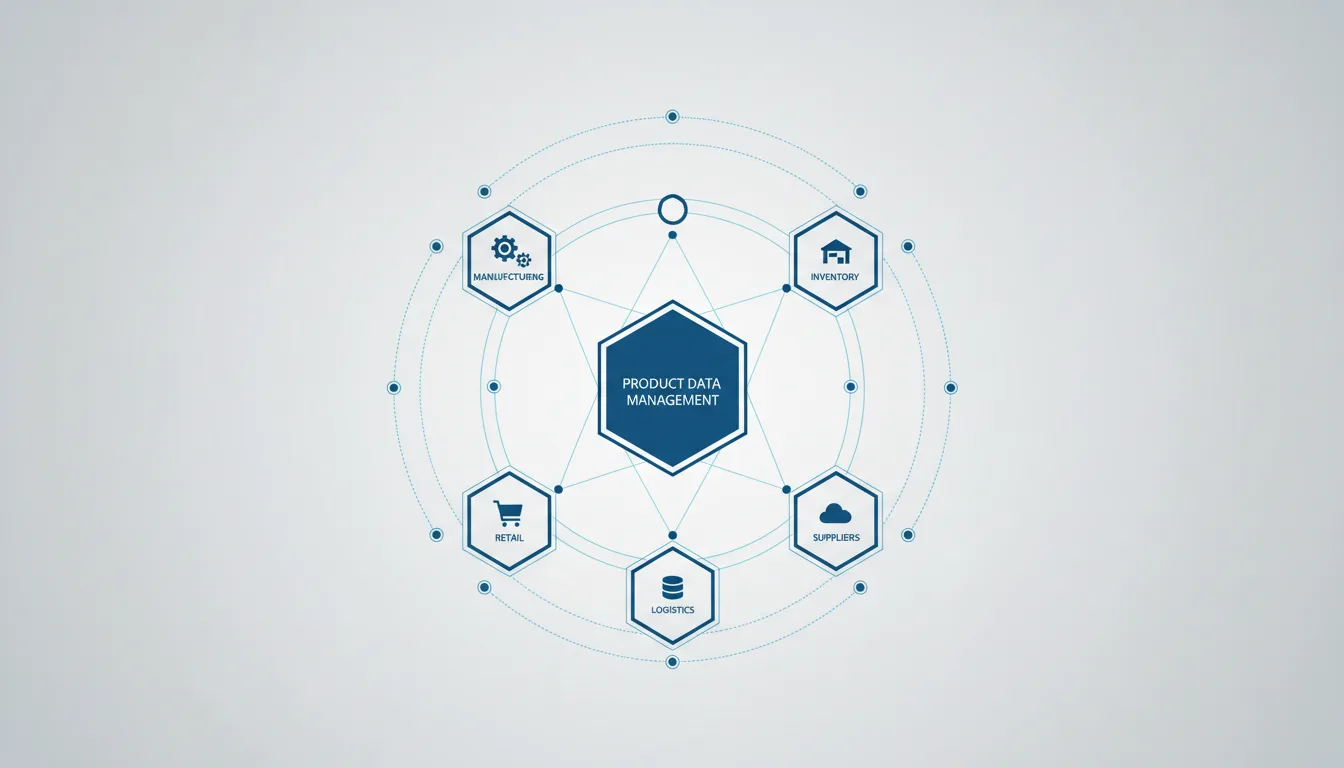
Product Data Management (PDM) refers to the process of managing all data related to a product across its lifecycle. This includes everything from initial conception to design, production, distribution, and beyond. The primary aim of PDM is to ensure the accuracy and accessibility of product information, thereby facilitating streamlined processes within logistics and supply chains. PDM plays a critical role in enhancing operational efficiency, reducing waste, and improving accuracy in inventory management.
Etymology and Origins
The term Product Data Management emerged in the 1980s when companies began recognizing the necessity for a systematic approach to managing product-related information. The concept derives from traditional data management practices with roots in operations management and information systems. The initial focus was primarily on inventory and production management; however, it evolved following advancements in computing technologies, particularly with the introduction of computer-aided design (CAD) and enterprise resource planning (ERP) systems.
The first documented usage of the term can be traced back to the foundational works like The Modern Practice of Supply Chain Management (1997) by H. Lee, which discusses the integration of product data into supply chain processes. Another key publication in this evolution is The Fundamentals of Product Data Management (1999) by Paul W. Wurtz, which laid the groundwork for the comprehensive PDM frameworks utilized in modern organizations. This evolution set the stage for a shift towards holistic data management approaches, systematic workflows, and collaborative processes.
Historical Development
The use of Product Data Management systems can be traced back to the late 20th century:
- 1980s: The emergence of CAD systems necessitated better data management, leading to the development of the first PDM tools. Key figures in this period included industry pioneers who introduced innovative PDM solutions focused primarily on data storage, which laid the foundation for future advancements.
- 1990s: IBM and Dassault Systèmes began introducing sophisticated PDM solutions that offered more robust capabilities, enabling Product Lifecycle Management (PLM) and integrating design and manufacturing data. Key publications during this period included The Fundamentals of Product Data Management by Paul W. Wurtz and various editions of APICS Magazine.
- 2000s: The integration of PDM with ERP systems became prevalent, allowing organizations to manage product data seamlessly across various enterprise functions. This decade witnessed the growth of cloud computing technologies, facilitating remote data access and collaboration.
- 2010s and beyond: The rise of big data analytics and artificial intelligence influenced PDM systems, enabling complex decision-making based on real-time data. Major industry publications like APICS Magazine highlighted these advancements, emphasizing the evolving nature of supply chain management with PDM technologies. This historical context underscores the transformation from manual to computerized processes, moving toward increasingly automated and intelligent solutions.
Core Concepts
The key elements of Product Data Management include:
- Centralized Data Repository: A unified location for storing all product-related information, facilitating better data governance and accessibility. This allows stakeholders to access critical data in real-time, enhancing decision-making.
- Version Control: Keeping track of changes made to product data to avoid inconsistencies and errors in manufacturing and logistics operations. This is particularly crucial in industries where precision is paramount, like aerospace and automotive production.
- Collaboration Tools: Features that allow different departments to work together efficiently, sharing updates and insights. This is especially valuable in sectors like fashion and electronics, where rapid changes are common. For example, companies can utilize Mobile Warehouse Management Systems for real-time updates on product changes.
- Compliance Management: Ensuring that product data adheres to industry regulations and standards, which is critical in sectors such as pharmaceuticals and food safety. PDM frameworks that include compliance management have been increasingly adopted in industries governed by strict regulations, as cited in best practices in compliance.
Industry Applications
PDM systems are extensively utilized across various industries, including:
- Consumer Electronics: Companies like Apple and Samsung rely on PDM to manage complex product lineups and ensure quality control. For example, Apple's PDM processes integrate data from over a dozen departments to maintain product consistency and efficiency.
- Automotive: Major players such as Ford and Toyota employ PDM systems to manage extensive supply chains and integrate designs across different teams. Toyota's adoption of Just-In-Time manufacturing principles relies heavily on PDM for accurate data management.
- Fashion: Brands leverage PDM to maintain agility in product design and adaptation, ensuring timely market delivery. Zara's ability to produce a new clothing line in just weeks is significantly backed by its PDM strategies to streamline design processes.
Benefits and Advantages
Implementing a PDM system offers numerous benefits:
- Improved Efficiency: Reduces lead times in product development by streamlining data flows across departments. This is further highlighted in case studies focusing on operational efficiency improvements in various industries.
- Enhanced Accuracy: Minimizes errors in product specifications and inventory counts, leading to fewer costly mistakes in production. Statistics show that organizations employing PDM can decrease product error rates significantly.
- Better Collaboration: Fosters teamwork by providing a common platform for sharing product data, facilitating communication across teams. An effective PDM system can lead to a 30-40% increase in productivity within collaborative project teams.
Challenges and Limitations
Despite its advantages, PDM also presents challenges:
- Integration Issues: Difficulties in integrating new PDM systems with existing ERP and supply chain management systems can impede effectiveness. A recent study noted that 60% of companies face integration challenges in their first year of adopting new PDM systems.
- Data Quality Management: Maintaining high-quality data over time can be complex, requiring ongoing attention and resources, as outdated data could lead to product failures or regulatory compliance issues.
- User Adoption: Resistance to change among employees may hinder the implementation of PDM systems, necessitating thorough training and change management strategies.
Best Practices
To effectively implement a PDM system, organizations should consider these best practices:
- Thorough Needs Assessment: Identify specific organizational needs and select a PDM solution that aligns with these requirements. For instance, utilizing PDM during product lifecycle analysis can significantly boost decision-making efficacy.
- Change Management: Invest in training and education for all employees involved in using the PDM system. Organizations that prioritize user training and support see a 20% increase in user adoption rates.
- Regular Audits: Conduct periodic reviews of product data to ensure its accuracy and relevance, as outdated data can cost companies up to 20% in lost revenue.
Technology and Tools
Modern PDM solutions often incorporate advanced features such as:
- Integration with ERP Systems: This ensures real-time data visibility across the entire supply chain, significantly reducing operational delays.
- Cloud-Based Solutions: Offering flexible access to product data and enhancing collaborative capabilities. A shift toward cloud-based PDM systems allows for scalable solutions without heavy IT investments.
- Data Analytics: Leveraging analytics tools to provide insights into product performance and customer preferences. Organizations that utilize analytical insights into product data report improvements in customer satisfaction.
In conclusion, Product Data Management is vital for organizations aiming to improve their product lifecycle processes and ensure accuracy in logistics operations. The evolution and technological advancements in PDM offer promising trends for future growth and innovation in supply chain practices.
Sources
- Visual Inventory Management System
- Order Management System
- Warehouse Layout Preview
- Mobile Warehouse Management System
Sources
- Visual Inventory Management System
- Order Management System
- Warehouse Layout Preview
- Mobile Warehouse Management System
- Modern Practice of Supply Chain Management
- Toyota Production System
- APICS Magazine
- Journal of Management Information Systems
- PTC - What is Product Data Management
- Siemens PLM Software - The Journey of PLM Innovation
- Autodesk - CAD Software Solutions
- ScienceDirect - Concurrent Engineering
- SpringerLink - Early CAD/CAM Integration
- PTC - What is Product Lifecycle Management
- Dassault Systèmes - Our History
- ISO 10303 - STEP Standard
- Amazon - The Fundamentals of Product Data Management
- SAP Insights - What is ERP
- AWS - What is Cloud Computing
- SAS - Big Data Analytics
- IBM - What is AI
- McKinsey & Company - The Internet of Things
- I-Scoop - Industry 4.0 Explained
- IBM - Data Governance
- TechTarget - Single Source of Truth (SSOT)
- APICS Magazine - Articles on BOM
- SkuSavvy - Order Management System
- SkuSavvy - Visual Inventory Management System
- SkuSavvy - Kitting Guide
- SkuSavvy - Shopify Global Inventory
- FAA - Regulations & Policies
- FDA - 21 CFR Part 820 Quality System Regulation
- McKinsey & Company - Speeding Time to Market in Apparel
- SkuSavvy - WMS vs ERP Analysis
- Salesforce - What is CRM
- SkuSavvy - Warehouse Layout Preview
- IBM Research Blog - Digital Twin in Manufacturing
- SkuSavvy - Mobile Warehouse Management System
- Visual Inventory Management System
- Order Management System
- Warehouse Layout Preview
- Mobile Warehouse Management System