Procurement Management
Procurement management is a strategic approach in logistics, involving holistic planning and oversight of product sourcing and purchasing activities.
Updated
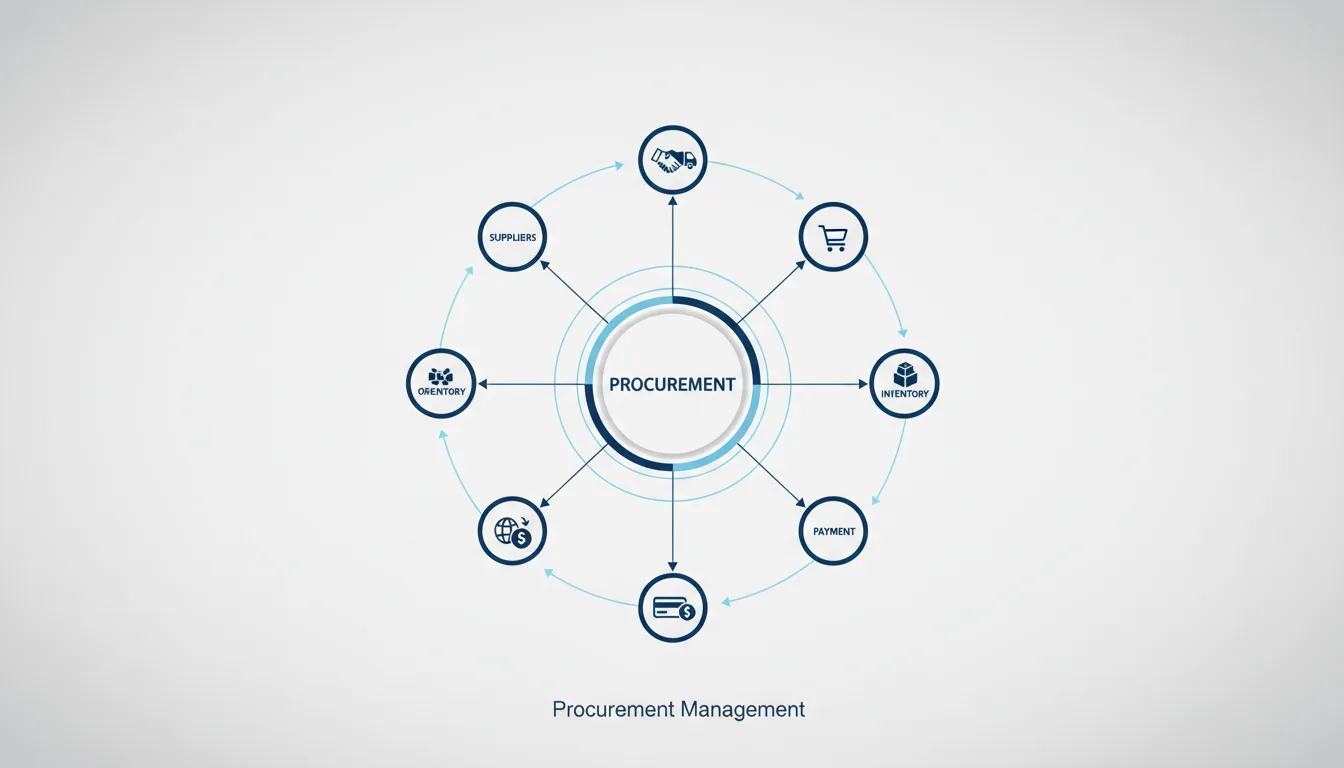
Procurement Management
Overview
Procurement management refers to the comprehensive processes involved in acquiring goods, services, and works necessary for an organization’s operations. This critical function encompasses everything from strategic sourcing and vendor selection to purchasing, contract negotiation, and supplier relationship management. It plays a pivotal role in ensuring that organizations can effectively manage costs, mitigate risks, ensure supply chain continuity, and optimize overall operational efficiency. Effective procurement management goes beyond mere purchasing; it strategically aligns acquisition strategies with overarching business objectives, leading to significant cost savings, enhanced product/service quality, and improved service delivery across the enterprise (Council of Supply Chain Management Professionals).
Etymology and Origins
The term "procurement" derives from the Middle English procuren, meaning "to obtain or acquire," which itself comes from the Latin procurare, meaning "to care for" or "to take action, manage." This linguistic root highlights the active, managerial aspect inherent in the concept. The first documented use of "procurement" in a formal business context, specifically referring to the systematic acquisition of resources, can be traced back to the early 20th century. As industrialization and globalization intensified, necessitating systematic approaches to purchasing and supplier relationships, the term evolved from a simple act of buying to a strategic function focused on enhancing operational efficiency and competitive advantage (JSTOR).
Historical Development
Early Practices
Procurement practices, in their rudimentary forms, date back to ancient civilizations. Early trade routes, bartering systems, and the acquisition of resources for large-scale projects (e.g., construction of pyramids, Roman infrastructure) demonstrate foundational purchasing activities. During the medieval period, guilds and early trading companies established formal mechanisms for acquiring raw materials and distributing finished goods. As businesses evolved, particularly with the advent of structured markets and the widespread use of currencies, the transactional aspects of procurement became more defined. However, these early practices were largely reactive and focused on obtaining necessary items at the lowest immediate cost.
Key Milestones
Professionalization and Efficiency (Early 20th Century - 1940s)
The early 20th century marked the professionalization of purchasing roles. As manufacturing processes became more complex and supply chains began to extend, organizations recognized the need for specialized personnel to manage acquisition. The establishment of associations such as the National Association of Purchasing Agents (NAPA) in 1915 in the United States underscored this shift, emphasizing formalized purchasing practices, ethical standards, and the importance of efficient material flow.
Strategic Integration and Planning (1950s - 1970s)
Following World War II, the focus in business began to shift from pure cost-cutting to more strategic considerations. The emergence of operations research and management science led to the development of tools like Material Requirements Planning (MRP), which provided a structured, computer-based approach to planning and scheduling raw material and component purchases. This period saw procurement begin to be viewed as a function capable of influencing competitive advantage, not just a transactional necessity. Pioneering works highlighted how effective supplier management could lead to significant cost savings and enhanced service delivery. For instance, companies that implemented formal Purchase Order Management structures noted reduced costs and improved supplier relationships by gaining better control over their purchasing processes.
Global Sourcing and Technology Adoption (1980s - 1990s)
The late 20th century witnessed major shifts with the rise of globalization and advanced manufacturing philosophies. Concepts like Just-In-Time (JIT) production, championed by Toyota, emphasized minimizing inventory and establishing close, trust-based relationships with suppliers to ensure timely delivery and quality. Total Quality Management (TQM) further integrated suppliers into quality improvement processes. The advent of personal computers and early enterprise resource planning (ERP) systems began to centralize and integrate purchasing data with other business functions. By the 1990s, the introduction of electronic procurement (e-procurement) systems started to streamline purchasing processes, from requisition to payment, supporting greater data analysis capabilities. This allowed for more informed procurement decisions, with systems like the Order Management System becoming integral to managing the flow from order placement to fulfillment, including procurement-related aspects.
Digital Transformation and Resilience (21st Century)
In the 21st century, procurement management has undergone a rapid digital transformation, driven by increased globalization, complex supply chains, and a greater emphasis on supply chain resilience and sustainability. Modern procurement leverages advanced analytics, artificial intelligence (AI), machine learning (ML), and blockchain for enhanced forecasting, risk assessment, supplier performance management, and contract compliance. Platforms offering features like Automated Purchase Quantity and integrated Vendor Portals enable greater efficiency, transparency, and collaboration throughout the supplier ecosystem. The focus has expanded beyond cost savings to include strategic objectives such as innovation, ethical sourcing, and building robust, agile supply chains capable of navigating disruptions (e.g., pandemics, geopolitical events).
Key Components of Procurement Management
Effective procurement management typically involves several core processes:
- Strategic Sourcing: Identifying, evaluating, and engaging suppliers that can provide the best value for goods and services. This includes market analysis, spend analysis, and category management.
- Supplier Relationship Management (SRM): Developing and maintaining strong, mutually beneficial relationships with key suppliers. This often involves performance monitoring, risk management, and collaborative innovation. Modern Vendor Portals facilitate communication and document exchange with suppliers.
- Purchasing/Requisitioning: The operational process of creating and approving purchase requisitions, generating purchase orders, and tracking their fulfillment. Tools like Purchase Order Management systems automate and streamline these activities, ensuring proper authorization and documentation. For detailed guidance, organizations often refer to a Purchase Orders Guide.
- Contract Management: Negotiating, creating, executing, and monitoring contracts with suppliers to ensure compliance, mitigate risks, and manage obligations and deliverables.
- Inventory Management: Closely linked to procurement, ensuring that inventory levels are optimized to meet demand without incurring excessive holding costs. Automated systems often use data from procurement to inform Stock Replenishment decisions and manage Automated Purchase Quantity.
- Risk Management: Identifying and mitigating potential risks in the supply chain, including supply disruptions, quality issues, geopolitical instability, and financial instability of suppliers.
- Performance Measurement: Tracking key performance indicators (KPIs) such as cost savings, supplier delivery performance, quality levels, and compliance rates to assess the effectiveness of procurement strategies.
Best Practices in Modern Procurement
- Digital Transformation: Embrace technology, including e-procurement platforms, AI-powered analytics, and automation, to enhance efficiency, visibility, and decision-making. Utilizing a mobile warehouse management system can significantly improve the accuracy and speed of receiving procured goods, for instance.
- Supplier Collaboration: Move beyond adversarial relationships to foster strategic partnerships. Shared goals, joint innovation, and transparent communication, often facilitated by Vendor Portals, lead to stronger supply chains.
- Data-Driven Decisions: Leverage spend analytics and supplier performance data to identify opportunities for cost savings, risk reduction, and process improvement. For example, analyzing historical purchase data can inform more precise Automated Purchase Quantity settings.
- Risk Management and Resilience: Proactively identify and assess supply chain risks, developing contingency plans. Diversifying the supplier base and building agile procurement processes are crucial for resilience.
- Sustainability and Ethical Sourcing: Integrate environmental, social, and governance (ESG) criteria into supplier selection and contract management, ensuring ethical labor practices and environmental responsibility throughout the supply chain.
- Continuous Improvement: Regularly review and optimize procurement processes, leveraging feedback from internal stakeholders and suppliers. Implementing robust PO Approval Workflow processes ensures compliance and continuous oversight.
Conclusion
Procurement management has evolved from a transactional function to a strategic imperative. By effectively managing the acquisition of goods and services, organizations can not only achieve significant cost reductions but also enhance quality, mitigate risks, drive innovation, and build more resilient and sustainable supply chains. Its integration with modern technological tools continues to transform its role as a cornerstone of operational excellence and competitive advantage.
References
- Purchase Order Management
- Automated Purchase Quantity
- Order Management System
- JSTOR
- National Association of Purchasing Agents (NAPA)
- Vendor Portal
- Purchase Orders Guide
- Stock Replenishment
- Mobile WMS Overview
- PO Approval Workflow
Sources
- Purchase Order Management
- Automated Purchase Quantity
- Order Management System
- JSTOR
- National Association of Purchasing Agents (NAPA)
- Council of Supply Chain Management Professionals (CSCMP) - Supply Chain Management Definitions
- Material Requirements Planning (MRP): A Revolution in Materials Management
- Vendor Portal
- Purchase Orders Guide
- Stock Replenishment Guide
- Mobile WMS Overview
- PO Approval Workflow