Pallet Jack
A comprehensive guide to pallet jacks, their history, usage, benefits, and technology in logistics.
Updated
Overview
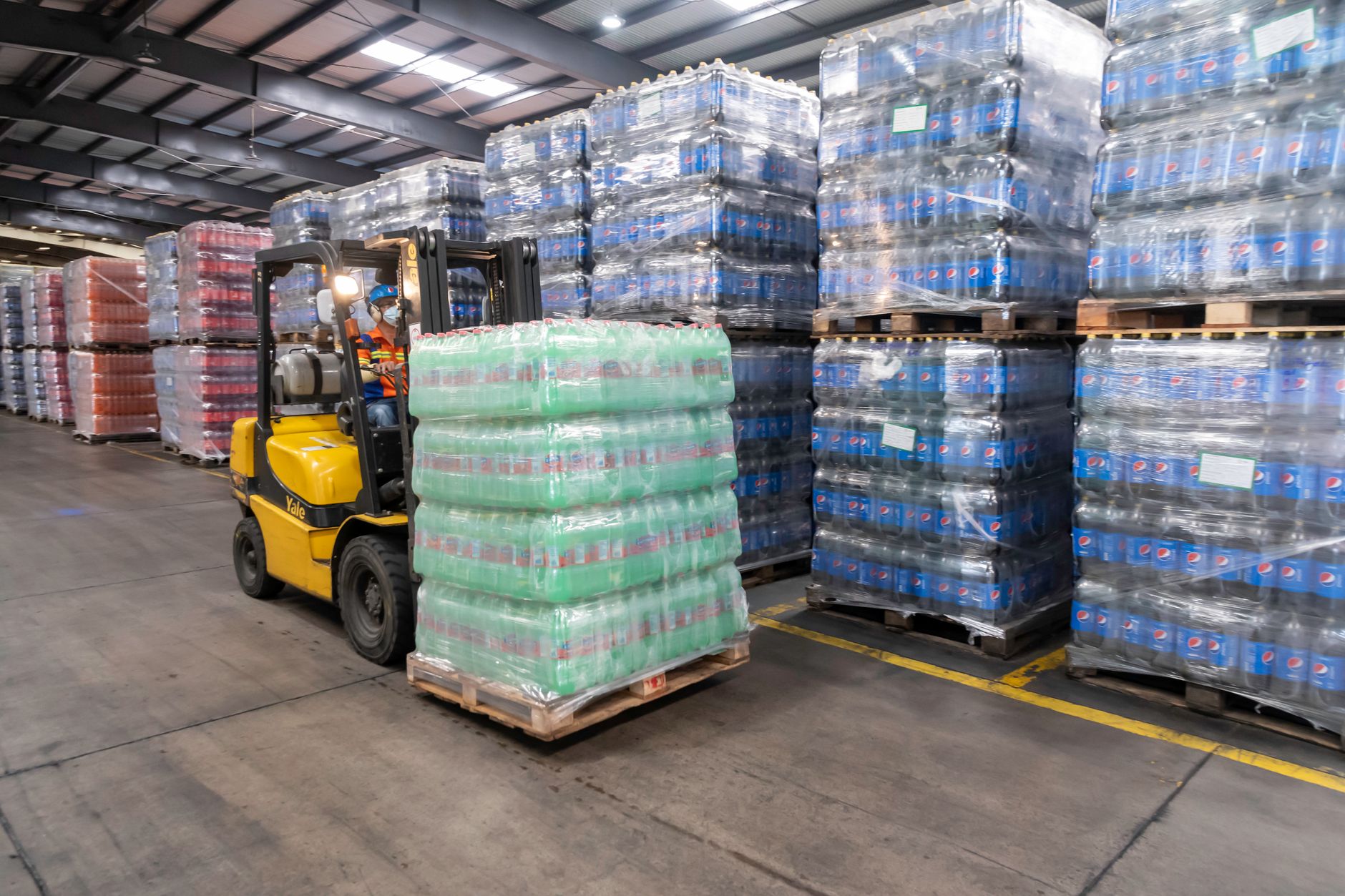
A pallet jack, also known as a pallet truck or jigger, is a key piece of industrial equipment used to lift and move pallets in warehouses, distribution centers, and retail environments. The primary purpose of a pallet jack is to facilitate the efficient movement of heavy palletized loads with ease, significantly reducing manual labor and increasing operational efficiency in logistics operations. Pallet jacks can be manual, electric, or even automated, allowing operators to transport goods safely and swiftly across short to medium distances. These versatile tools play a crucial role in internal warehouse logistics by ensuring smooth material flow, optimizing storage, and minimizing the risk of injury associated with lifting heavy items.
Etymology and Origins
The term "pallet jack" emerged in the mid-20th century, directly reflecting its primary function in material handling. The word "pallet" is derived from the Old French "palete," meaning a small spade or shovel, which later referred to a small, flat platform. By the 17th century, it denoted a portable platform for carrying goods.
The term "jack" refers to a device for lifting heavy objects, a usage that dates back to the 17th century from the common name "Jack" applied to various devices, signifying its mechanical lifting action. Thus, a "pallet jack" literally describes a device designed to lift and move pallets.
While rudimentary carts and skids have been used for millennia, the modern concept of lifting and moving standardized pallets began to take shape with the invention of the wooden pallet itself, which gained prominence in the early 20th century, particularly around the time of World War I. Early non-hydraulic lift trucks, often called "skid platforms" or "platform trucks," were in use from the 1910s, but they lacked the ability to lift a load from the floor without external assistance.
Historical Development
The evolution of the pallet jack is intrinsically linked to the broader history of material handling and the standardization of shipping containers. Early innovations in the 1900s saw the development of simple hand trucks and platform trucks. However, the true precursor to the modern pallet jack appeared with the invention of the wooden pallet and the forklift truck in the 1930s. The standardization of pallet dimensions, heavily influenced by industries needing efficient transport during World War II, created a critical need for equipment to handle them efficiently.
Companies like Yale & Towne Manufacturing Co. and Clark Equipment Company were pioneers in developing early material handling equipment, including hand-operated lift trucks. While early designs were often manual and required significant physical effort, the major breakthrough came with the integration of hydraulic systems. The first hydraulic hand lift trucks, capable of raising a load with pump action, began to emerge in the late 1930s and early 1940s. These early models, often referred to as "pallet trucks," significantly reduced the physical strain on workers and allowed for much faster load movement.
By the 1950s, the design had matured, and the widespread adoption of standardized pallets for shipping and storage across various industries, from manufacturing to retail, propelled the pallet jack into ubiquity. The demand for moving goods efficiently within warehouses and loading docks made them indispensable. The 1960s and 70s saw the introduction of electric pallet jacks, offering powered drive and lift, further reducing operator fatigue and increasing speed for larger operations. This electrification marked a significant technological leap, transitioning from purely manual labor to semi-automated assistance.
The advent of barcode systems in the late 1970s and early 1980s, combined with rudimentary warehouse management systems (WMS), began to integrate pallet movement with inventory tracking. While not directly changing the pallet jack's mechanics, this allowed for more efficient and accurate placement and retrieval of goods, enhancing their utility in modern supply chains. Over subsequent decades, designs focused on ergonomics, durability, and specialized applications, leading to the diverse range of pallet jacks seen today.
Core Concepts
A pallet jack operates through a simple yet highly effective mechanical principle, primarily utilizing hydraulics to lift and lower loads. The core mechanism involves two sturdy forks that precisely slide under a pallet's top deck. Once positioned, the operator engages a hydraulic pump mechanism, usually via a handle or electric motor.
Key Components and Operation:
- Forks: These are the load-bearing prongs, typically made of heavy-gauge steel, designed to engage with and support the pallet. Standard fork lengths and widths accommodate common pallet sizes, such as the GMA pallet (48x40 inches).
- Hydraulic Pump System: This is the heart of the lifting mechanism. When the handle is pumped (manual) or a button is pressed (electric), a small piston forces hydraulic fluid into a larger cylinder. According to Pascal's Principle, this pressure multiplication allows a relatively small force to generate a much larger lifting force, raising the forks and the pallet. A release valve then allows the fluid to return, lowering the forks.
- Wheels and Casters: Essential for maneuverability, these include load wheels at the end of the forks and steer wheels near the handle. They are often made of nylon, polyurethane, or rubber, chosen based on floor surface, load capacity, and noise reduction requirements. Their design allows for easy pivot and movement even in tight spaces, crucial for optimal warehouse layout and design.
- Handle: Provides steering control and houses the pump mechanism (manual) or control buttons (electric).
For optimized operations, integrating the use of a pallet jack with a mobile warehouse management system can significantly enhance inventory tracking, streamline putaway and picking processes, and ensure greater accuracy in stock handling.
Types and Classifications
Pallet jacks are highly specialized, with various types designed to meet specific operational demands, floor conditions, and load characteristics:
- Manual Pallet Jacks: The most basic and widely used type. Operated by hand, they require the user to manually pump the handle to lift the load and pull/push to move it. They are ideal for smaller warehouses, retail backrooms, short-distance transfers, and situations where cost-effectiveness and simplicity are paramount. Their limited range makes them suitable for tasks like bin-to-bin inventory transfer.
- Electric Pallet Jacks (Powered Pallet Trucks): Equipped with an electric motor for both lifting and driving, these models significantly reduce physical strain and increase efficiency, especially for larger facilities or frequent, longer-distance movements. They come in walkie (operator walks behind), rider (operator stands on a platform), and walkie/rider configurations. They are crucial for improving productivity in demanding environments.
- Low Profile Pallet Jacks: Designed with thinner forks and a lower minimum fork height, these are specifically built to handle specialized pallets or skids that have very low clearances, ensuring compatibility with unusual or custom freight.
- High-Lift Pallet Jacks (Scissor Lift Pallet Jacks): These jacks can lift pallets to greater heights (typically up to 30 inches or more), transforming into a mobile workstation. They are primarily used for ergonomic purposes, bringing loads to a comfortable working height for packing, assembly, or kitting operations, rather than for transport over long distances.
- Weigh Scale Pallet Jacks: Integrated with a digital scale, these jacks allow operators to weigh pallets directly at the point of pickup, streamlining shipping and receiving processes and improving inventory accuracy. This eliminates the need to move pallets to a separate fixed scale.
- All-Terrain Pallet Jacks: Featuring large, pneumatic tires and robust frames, these are designed for use on uneven outdoor surfaces, gravel, or construction sites where standard pallet jacks would struggle.
- Stainless Steel/Galvanized Pallet Jacks: Constructed from corrosion-resistant materials, these are essential for environments with strict hygiene requirements or exposure to moisture and chemicals, such as food processing, pharmaceutical, or cold storage facilities.
For further detail on optimizing material flow and operational efficiency within a facility, understanding the various types of equipment and how they fit into a comprehensive warehouse layout preview is essential.
Industry Applications
Pallet jacks are foundational tools across virtually every sector involved in the movement and storage of physical goods:
- Retail: Indispensable for receiving merchandise, stocking shelves, managing backroom inventory, and moving display items. They are key in rapid stock replenishment and direct-to-store deliveries.
- Manufacturing: Utilized for transporting raw materials to production lines, moving work-in-progress between stations, and staging finished goods for shipment. They support lean manufacturing principles by facilitating efficient material flow.
- Food Service & Hospitality: Essential for moving bulk food items, beverages, and supplies in kitchens, storerooms, and cold storage, often using specialized models like stainless steel jacks.
- Logistics & Distribution: The backbone of most warehouses and distribution centers, facilitating loading and unloading trucks, positioning inventory for bin put-away, supporting batch picking operations, and moving goods to shipping areas.
- E-commerce Fulfillment: Used extensively in fulfillment centers to move inventory between storage locations, packing stations, and shipping docks, playing a critical role in rapid order fulfillment.
- Construction: All-terrain pallet jacks are used to move building materials and supplies around job sites, especially where forklifts are impractical or unavailable.
Benefits and Advantages
The widespread adoption of pallet jacks stems from their numerous operational and economic benefits:
- Increased Efficiency: Significantly speeds up the process of moving goods compared to purely manual handling, allowing workers to transport heavier loads with less effort and in less time. Electric models further amplify this efficiency.
- Reduced Workplace Injury: By minimizing the need for workers to manually lift or carry heavy items, pallet jacks drastically lower the risk of musculoskeletal injuries, strains, and back problems, contributing to a safer work environment and reducing worker's compensation claims.
- Cost-Effective: Compared to forklifts, pallet jacks (especially manual ones) represent a much lower initial investment, require less maintenance, and have lower operating costs. This makes them an accessible and practical solution for businesses of all sizes, from small shops to large enterprises.
- Versatility: Suitable for a wide range of environments, from tight aisles in retail stores to bustling warehouse docks. Their compact size allows them to operate in spaces where larger equipment, like forklifts, cannot.
- Ease of Use & Training: Pallet jacks are relatively simple to operate, requiring less specialized training and certification compared to forklifts, allowing for quicker onboarding of staff.
- Space Optimization: Their compact design allows for narrower aisles and more efficient use of storage space within a warehouse, aligning with best practices for maximizing bin packing preview and overall facility layout.
Challenges and Limitations
Despite their many advantages, pallet jacks have specific limitations that operators and logistics managers must consider:
- Limited Load Capacity: While capable of moving heavy loads, pallet jacks typically have a lower maximum weight capacity (e.g., 5,500 lbs for manual, up to 8,000 lbs for electric) compared to forklifts, which can lift tens of thousands of pounds. They are not suitable for extremely heavy or oversized items.
- Height Limitations: Pallet jacks are primarily designed for ground-level movement. Only high-lift versions can raise loads to a working height, but none can stack pallets high on racking like a forklift or reach truck. This limits their use in high-density storage systems.
- Not Suitable for Uneven Terrain: Standard pallet jacks are designed for smooth, flat indoor surfaces. Rough, uneven, or sloped terrain can damage the wheels, strain the operator, and increase the risk of tipping or losing control. All-terrain models mitigate this but are not universally applicable.
- Safety Concerns: If not operated correctly, pallet jacks can still lead to accidents. Risks include crushing injuries (especially feet), tip-overs due to improper loading or excessive speed, and collisions with personnel or property. Improper use can also damage product or infrastructure.
- Operator Fatigue (Manual Jacks): While reducing heavy lifting, continuously pushing and pulling heavy loads with manual pallet jacks can still cause operator fatigue over long shifts, impacting productivity and increasing injury risk.
Best Practices
Implementing best practices is crucial for maximizing the efficiency, safety, and longevity of pallet jack operations:
- Comprehensive Operator Training: Mandate proper training for all operators, covering safe operation, load capacity limits, pre-operational checks, maneuvering techniques, and emergency procedures. Certification is highly recommended, even for manual jacks, to minimize accidents and ensure compliance with safety regulations.
- Regular Maintenance and Inspections: Implement a routine maintenance schedule. Daily pre-shift inspections should check wheels, forks, hydraulic fluid levels, and brake functionality. Regular professional servicing ensures hydraulic systems, batteries (for electric models), and structural components are functioning optimally, extending the lifespan of the equipment.
- Proper Load Management: Always ensure loads are stable, evenly distributed, and within the pallet jack's rated capacity. Never overload. Loads should be positioned to maintain a low center of gravity. Ensure forks are fully inserted into the pallet to prevent instability.
- Awareness of Surroundings: Operators must maintain situational awareness, watch for pedestrians, other equipment, and potential obstacles. Adhere to designated traffic lanes and speed limits within the facility.
- Appropriate Pallet Usage: Use only undamaged pallets that are compatible with the pallet jack's fork dimensions. Damaged pallets can splinter, cause instability, or lead to product damage.
- Clear Pathways: Keep aisles and work areas clear of obstructions to allow for safe and efficient movement. Good warehouse organization directly supports safe pallet jack operation.
Future Trends
The future of pallet jacks is evolving rapidly, driven by advancements in automation, data integration, and battery technology:
- Automation and Robotics (Autonomous Pallet Jacks/AMRs): The most significant trend is the emergence of autonomous pallet jacks and Autonomous Mobile Robots (AMRs) designed to move pallets without human intervention. These robots use sensors, LiDAR, and AI navigation to transport goods, reducing labor costs, increasing throughput, and operating 24/7. They are particularly suitable for repetitive, long-distance transfers within large fulfillment centers.
- Enhanced Data Management and IoT Integration: Future pallet jacks will increasingly integrate with advanced Warehouse Management Systems (WMS) and Enterprise Resource Planning (ERP) systems. This integration, often via IoT sensors, allows for real-time tracking of pallet movements, location, and even load weight. This data can be used for optimized inventory management, predictive maintenance, and performance analytics, feeding into a holistic visual inventory management system.
- Improved Ergonomics and Safety Features: Ongoing development focuses on enhancing operator comfort and safety for human-operated electric pallet jacks. Features like advanced suspension, intuitive controls, anti-collision systems, and improved visibility are becoming standard.
- Advanced Battery Technology: Lighter, more powerful, and faster-charging lithium-ion batteries are becoming more prevalent, offering longer run times and reducing downtime for electric pallet jacks.
With continuous advances in warehouse management systems and automation technologies, the utility of pallet jacks, both human-operated and autonomous, remains highly relevant and is set to become even more sophisticated in an increasingly automated logistics landscape. A comprehensive guide on order fulfillment is available for logistics professionals seeking to optimize their processes.