Other Concepts in Logistics
This article explores various logistics concepts that enhance efficiency, from cross-docking to cycle counting.
Updated
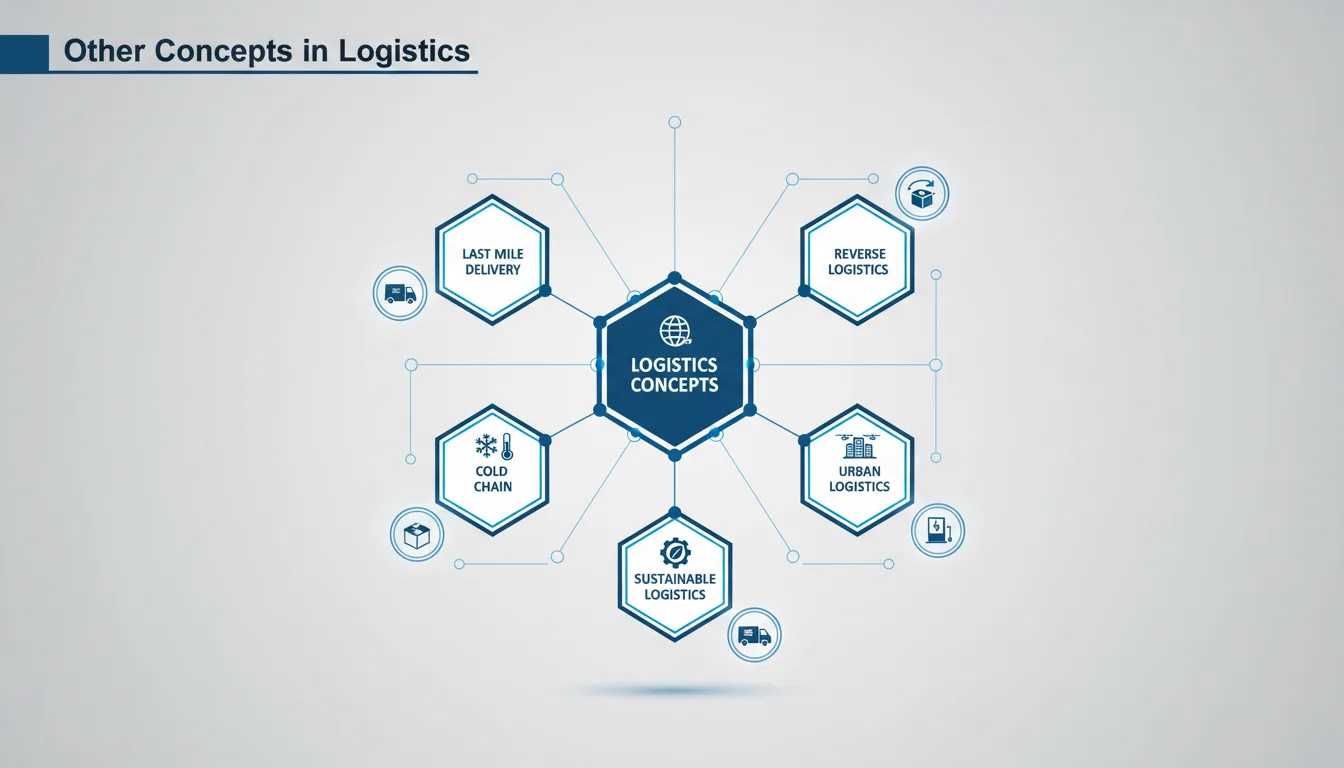
Overview
Logistics encompasses a wide range of concepts that play a critical role in supply chain management. These concepts facilitate the efficient flow of goods, information, and resources from origin to consumer. Understanding these ideas is essential for logistics professionals, supply chain managers, and students aiming to optimize operations, enhance customer satisfaction, and build resilient supply chains.
Etymology and Origins
The term "logistics" finds its primary roots in the ancient Greek word "logistikos" (λογιστικός), meaning 'skilled in calculating' or 'pertaining to calculation'. This linguistic foundation highlights the inherently quantitative and planning-intensive nature of logistics from its very inception. The term evolved significantly through military contexts, reflecting its historical importance in supporting armed forces.
Historically, logistics was paramount in military campaigns. Ancient civilizations, such as the Roman Empire, were masters of military logistics, building extensive road networks and supply depots to sustain their legions. The Byzantine Empire further refined these practices, with strategists documenting elaborate systems for provisioning armies. However, the term "logistics" in a formalized military sense gained prominence with Antoine-Henri Jomini, a Swiss military theorist who served Napoleon. In his 1838 book, Précis de l'Art de la Guerre (The Art of War), Jomini defined logistics as "the practical art of moving armies." This military application involved meticulous planning for the movement, quartering, and supplying of troops and equipment, essentially the entire operational support required for military campaigns.
In modern business, the concept of logistics began its transition from military to commercial application in the mid-20th century, expanding to include numerous processes integral to effective supply chain management and encompassing the broader flow of goods and information in civilian commerce.
Historical Development
The concept of logistics has witnessed significant evolution over the decades, mirroring advancements in technology, economic structures, and global trade:
- Pre-1940s: Early Trade and Industrialization: Before the formalization of logistics, practices involved in trade, transportation (rivers, canals, railroads), and storage were rudimentary. The Industrial Revolution brought mass production, necessitating more organized methods for raw material procurement and finished goods distribution, primarily handled through basic warehousing and freight systems.
- 1940s-1960s: Emergence of Physical Distribution: Following World War II, the efficient movement of goods became critical for post-war economic recovery and growth. Military logistics principles began to be applied to commercial operations. This era saw the rise of "physical distribution" as a recognized business function, focusing on the outbound flow of products from manufacturers to customers. Companies explored early methods for optimizing operations, such as stock replenishment strategies. The application of operations research techniques developed during the war further streamlined inventory and transportation planning.
- 1970s: Computerization and MRP: The decade introduced computer technology, which significantly streamlined logistics processes. This led to the creation of early Warehouse Management Systems (WMS) and, crucially, Material Requirements Planning (MRP) systems by companies like IBM. MRP revolutionized manufacturing by planning and scheduling materials and components needed for production, moving beyond simple inventory tracking to a more integrated approach.
- 1980s-1990s: Supply Chain Integration and Lean Principles: This period was transformative, witnessing the formalization of Supply Chain Management (SCM) as a distinct field. Development of both cross-docking techniques and just-in-time (JIT) inventory methodologies became widespread. Pioneers like Toyota championed lean principles, drastically reducing waste and improving efficiency in manufacturing and logistics. The rise of Enterprise Resource Planning (ERP) systems provided even greater integration across business functions, including logistics, purchasing, and finance.
- 2000s-Present: Digital Transformation, Automation, and Resilience: The new millennium brought the internet boom, globalization, and the explosion of e-commerce. This necessitated rapid advancements in logistics, including the rise of automation (e.g., robotics in warehouses), advanced inventory management tools like RFID (Radio-Frequency Identification), and sophisticated data analytics. The integration of AI (Artificial Intelligence) and IoT (Internet of Things) technologies has greatly enhanced logistic capabilities, enabling predictive analytics, route optimization, and autonomous operations. Companies now employ comprehensive order fulfillment software and mobile warehouse management systems to improve efficiencies and build resilient supply chains in the face of disruptions.
Core Concepts
Core concepts in logistics form the bedrock of efficient supply chain operations:
- Supply Chain Management (SCM): A holistic approach focusing on the complete flow of goods, services, information, and finances from suppliers to manufacturers, wholesalers, retailers, and ultimately, to the consumer. SCM aims to optimize the entire network, not just individual components.
- Inventory Management: The process of ordering, storing, and utilizing a company's non-capital assets. Techniques such as cycle counting help maintain accurate stock levels and reduce discrepancies, which can be crucial for operations. Effective inventory management minimizes carrying costs, prevents stockouts, and optimizes order fulfillment.
- Transportation Management: Involves planning, execution, and optimization of the physical movement of goods. This includes mode selection (road, rail, air, sea), carrier management, route optimization, freight auditing, and ensuring timely and cost-effective delivery.
- Warehousing: The process of storing goods before they are distributed. Modern warehousing goes beyond simple storage, encompassing activities like receiving, putaway (e.g., using bin put-away criteria), picking, packing, and shipping. Efficient warehouse layout and operation, often supported by a visual warehouse layout preview, are critical for throughput and cost control.
- Logistics Network Design: Strategic planning of the locations and capacities of facilities (warehouses, distribution centers, cross-docks) and the flow of goods within that network to meet customer demand at the lowest possible cost and service level.
Types and Classifications
Various approaches exist within logistics, often categorized by who performs the services or the specific focus area:
- First-Party Logistics (1PL): A company handles its own logistics in-house, owning and operating its transportation and warehousing assets. This offers maximum control but requires significant capital investment and expertise.
- Second-Party Logistics (2PL): Asset-based carriers (e.g., trucking companies, shipping lines) that own the means of transport and handle basic transport services. They often offer specialized transportation services but don't manage the entire supply chain.
- Third-Party Logistics (3PL): Companies that provide outsourced logistics services to other businesses, often including warehousing, distribution, and transportation. 3PLs offer scalability and expertise, allowing clients to focus on core competencies.
- Fourth-Party Logistics (4PL): A 4PL provider acts as a supply chain integrator, assessing and managing the entire logistics process, often by orchestrating multiple 3PLs and other service providers. They offer a broader scope of services, including strategy, technology, and analytics, effectively becoming the client's single point of contact for their supply chain.
- Freight Logistics: Management of freight transport across various modes, involving strategic planning to minimize costs, optimize routes, and ensure regulatory compliance for goods movement.
- Reverse Logistics: The process of moving goods from their typical final destination for the purpose of capturing value or proper disposal. This includes returns management, recycling, refurbishment, and waste management.
Industry Applications
The applications of these logistics concepts are numerous and critical across diverse industries:
- Retail: Use of pick, pack, ship software to streamline order fulfillment processes, manage inventory across multiple channels (e.g., in Shopify Global Inventory), and ensure rapid delivery to customers, crucial for e-commerce success.
- Manufacturing: Implementation of kitting strategies to pre-assemble components, optimize production lines, and manage raw material inbound logistics. This ensures a steady supply chain to maintain manufacturing schedules.
- E-commerce: Enhanced order management and shipping solutions are vital to meet consumer expectations for quick and accurate delivery. This often involves robust warehouse management systems, mobile order fulfillment, and efficient last-mile delivery networks.
- Healthcare: Managing the cold chain for pharmaceuticals, ensuring timely delivery of medical supplies to hospitals, and tracking sensitive equipment requires specialized logistics capabilities and strict adherence to regulations.
- Automotive: Just-in-Time (JIT) delivery of components to assembly lines, management of spare parts distribution, and global supply chain coordination are foundational to the automotive industry.
Benefits and Advantages
Embracing these concepts yields multiple advantages for businesses and their customers:
- Cost Efficiency: Improved logistics can significantly reduce operational costs through optimized transportation, better inventory management (reducing carrying costs and waste), and efficient warehouse operations.
- Enhanced Customer Satisfaction: Faster, more accurate, and reliable deliveries, coupled with responsive returns processes, foster customer loyalty and trust, leading to repeat business and positive brand perception.
- Competitive Advantage: Companies with superior logistics capabilities can differentiate themselves through faster market entry, better service levels, and the ability to serve a wider geographical area.
- Risk Mitigation: Robust logistics strategies include contingency planning for supply chain disruptions, diversified sourcing, and improved visibility, making supply chains more resilient.
Challenges and Limitations
Logistics professionals face various challenges that require constant adaptation and strategic planning:
- Complex Regulations: Navigating international trade agreements, customs procedures, and varying environmental regulations (e.g., emissions standards) can complicate global logistics management and increase costs.
- Supply Chain Disruptions: Events such as natural disasters, geopolitical conflicts, pandemics, and economic downturns can severely disrupt the flow of goods, necessitating robust contingency planning and resilient supply chain design.
- Rising Transportation Costs: Fluctuations in fuel prices, labor shortages (e.g., truck drivers), and infrastructure limitations can significantly impact transportation expenses.
- Technological Adoption: Keeping pace with rapid technological advancements and integrating new systems (e.g., AI, IoT, blockchain) into legacy infrastructure can be complex and costly.
- Sustainability Pressures: Increasing consumer and regulatory demand for eco-friendly practices requires companies to invest in green logistics solutions, which can sometimes conflict with cost-efficiency goals.
Best Practices
Employing best practices can greatly enhance logistical operations, driving efficiency, resilience, and customer satisfaction:
- Supply Chain Visibility: Implementing systems that provide real-time tracking and data across the entire supply chain, from raw material sourcing to final delivery. This allows for proactive problem-solving and better decision-making.
- Risk Management and Resilience Planning: Developing comprehensive strategies to identify, assess, and mitigate potential disruptions. This includes diversifying suppliers, creating buffer stock plans, and establishing alternative transportation routes.
- Technology Integration: Leveraging modern logistics software such as visual inventory management systems, mobile WMS, and Transportation Management Systems (TMS) to automate processes, optimize routes, and improve data analytics.
- Continuous Improvement: Utilizing methodologies like Lean Logistics (focused on waste reduction) and Six Sigma (for quality improvement) to constantly refine processes and eliminate inefficiencies.
- Collaboration and Partnerships: Fostering strong relationships with suppliers, carriers, 3PLs, and other partners to improve communication, share data, and collectively optimize the supply chain.
- Regular Training: Keeping staff informed about new technologies, industry best practices, and regulatory changes ensures efficiency and adaptability within the logistics team.
Technology and Tools
Modern logistics heavily relies on cutting-edge technology to achieve optimal performance and overcome complex challenges:
- Automated Systems: Solutions like barcodes and RFID for inventory tracking streamline operations and minimize errors. Advanced automation includes robotics for picking and packing, automated guided vehicles (AGVs), and drone technology for inventory checks or last-mile delivery in specific contexts.
- Warehouse Management Systems (WMS): Software solutions that manage and control daily operations within a warehouse, including inventory tracking, receiving, putaway, picking, packing, and shipping. Modern WMS often integrate with mobile WMS devices for real-time data entry and task management.
- Transportation Management Systems (TMS): Software designed to help businesses manage their transportation operations, including planning and optimizing freight movement, selecting carriers, tracking shipments, and managing freight bills.
- Order Management Systems (OMS): Platforms that facilitate the entire order fulfillment lifecycle, from order capture and processing to inventory allocation and shipping. Robust solutions like SkuSavvy's Order Management System help manage various logistics facets, from orders to inventory and fulfillment.
- Internet of Things (IoT): Sensors embedded in products, vehicles, and warehouses provide real-time data on location, condition (e.g., temperature, humidity), and status, enabling enhanced visibility and proactive management.
- Blockchain: While still evolving, blockchain technology offers the potential for enhanced transparency, security, and traceability across the supply chain, particularly for high-value goods or complex international shipments.
Future Trends
The future of logistics looks promising and is shaped by several transformative trends:
- Artificial Intelligence (AI) and Machine Learning (ML): AI is set to revolutionize inventory management (e.g., automated purchase quantity), predictive analytics for demand forecasting, route optimization, and even autonomous decision-making in warehouses and transportation.
- Sustainability Practices: Increasing consumer and regulatory demand for eco-friendly practices will profoundly influence logistics operations. This includes electric vehicles, optimized routes to reduce carbon footprint, sustainable packaging, and reverse logistics for recycling and reuse.
- Hyper-personalization and Last-Mile Delivery: The expectation for faster, customized, and flexible delivery options will continue to grow, pushing innovations in last-mile logistics, including urban micro-fulfillment centers, drone delivery, and crowd-sourced delivery models.
- Supply Chain Resiliency and Agility: Building highly adaptable and resilient supply chains capable of responding quickly to unforeseen disruptions will remain a top priority, driven by lessons from recent global events.
- Enhanced Data Analytics: The ability to collect, analyze, and act upon vast amounts of logistics data will become even more sophisticated, providing deeper insights for strategic planning and operational optimization.
Related Concepts
Several concepts intersect closely with logistics, forming a broader ecosystem of supply chain excellence:
- Supply Chain Sustainability: Focuses on maintaining ecological, social, and economic balance while optimizing supply chain processes, ensuring ethical sourcing, responsible manufacturing, and green logistics.
- Inventory Turnover: A key performance indicator (KPI) that indicates how often inventory is sold and replaced over a period. A higher turnover generally suggests efficient inventory management.
- Procurement: The process of acquiring goods and services. It is closely linked to inbound logistics, as efficient procurement ensures timely and cost-effective delivery of materials. Purchase order management is a critical component of effective procurement.
- Order Fulfillment: The complete process from when a customer places an order until they receive it. This encompasses all logistics activities, including warehousing, picking, packing, and shipping, often managed by mobile order fulfillment software.
Understanding the complexities of other logistics concepts equips stakeholders with the knowledge to adapt and thrive in an ever-evolving field. By combining established methodologies with innovative technologies, organizations can enhance their supply chain efficiency and resilience, ultimately delivering greater value to customers and stakeholders alike.
Sources
- Stock Replenishment Guide
- Cross-Docking Guide
- Cycle Counting Guide
- Order Management System
- Kitting Guide
- Shipping & Fulfillment Software
- Barcodes Guide
- Shopify Inventory Management
- Précis de l'Art de la Guerre: Des Principaux Combinaisons de la Stratégie, de la Grande Tactique, et de la Politique Militaire
- The Meaning of Logistics
- Industrial Revolution
- A Brief History of O.R. - Operations Research
- Material Requirements Planning (MRP) in the APICS Dictionary
- Lean logistics: The Toyota Way for a more efficient warehouse
- What is ERP?
- Fourth-party logistics
- Reverse logistics
- Mobile Warehouse Management System
- Bin Put-Away Criteria
- Warehouse Layout Preview
- Shopify Global Inventory
- Visual Inventory Management System
- Purchase Order Management
- Mobile Order Fulfillment Software
- Automated Purchase Quantity