Offshore Manufacturing
Offshore manufacturing involves relocating production to foreign countries to reduce costs and increase efficiency, impacting global supply chains and economic dynamics.
Updated
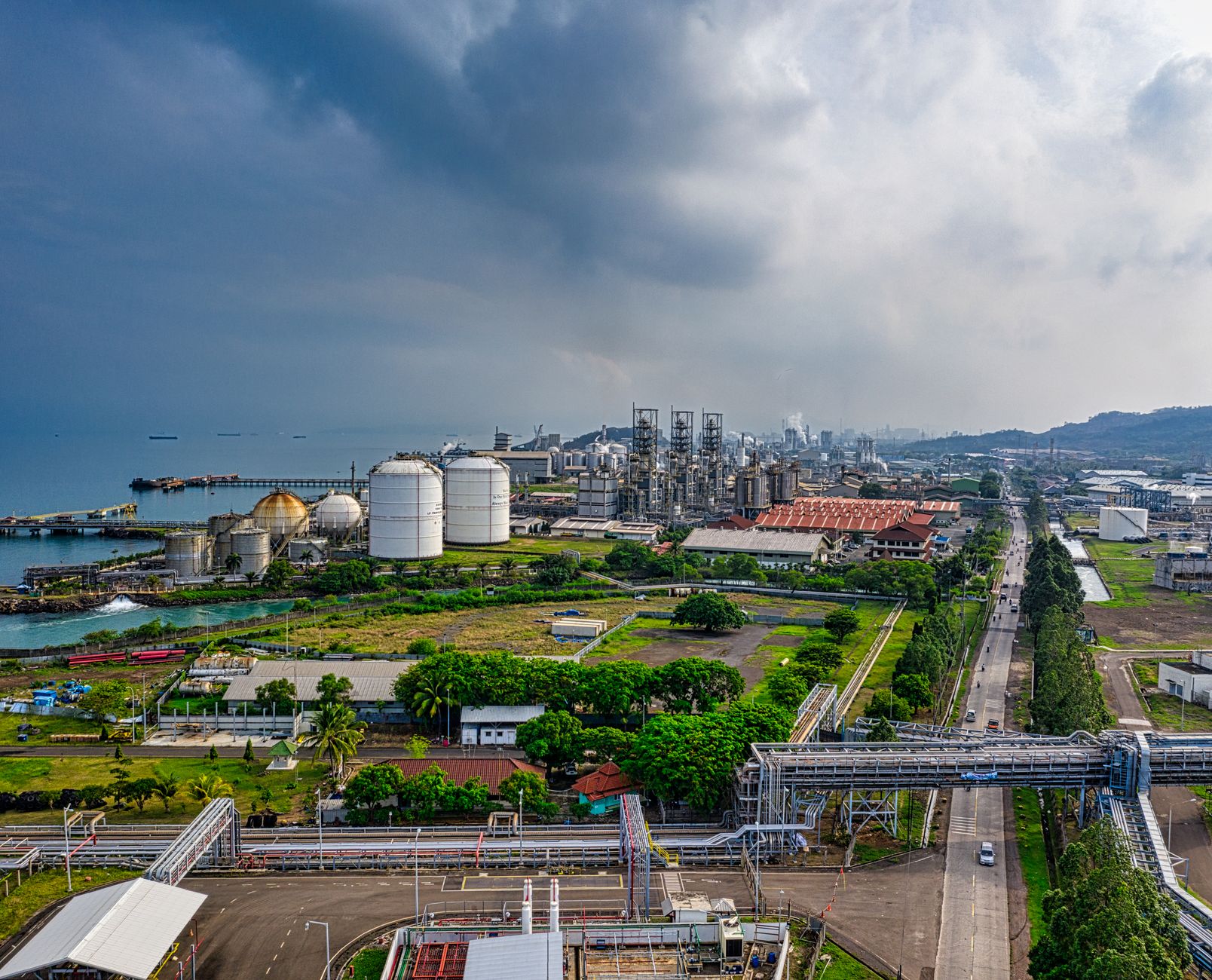
Offshore Manufacturing
Overview
Offshore manufacturing refers to the practice of relocating production and manufacturing processes to countries where labor and production costs are lower. This strategy is primarily adopted by companies looking to reduce operational expenses, increase production capacity, and gain competitive advantages in the global market. Offshore manufacturing is vital in enhancing efficiency and facilitating faster market entry for goods, playing a crucial role in today’s global supply chains.
Etymology and Origins
The term "offshore" originates from the financial industry, denoting activities conducted outside one’s country. The first documented usage of the term in the context of manufacturing practices occurred in the late 20th century as globalization accelerated, leading various industries to explore international production options. Specifically, it gained traction in the late 1980s and early 1990s, when companies in sectors such as electronics and textiles began establishing facilities in developing countries. The linguistic roots can be traced back to the combination of "off" and "shore," with "shore" referring to land at the edge of an ocean or sea, indicating the distance from the home country’s manufacturing base. Over time, this term evolved to encompass various aspects of global manufacturing strategies and practices, mirroring shifts in market dynamics and production strategies.
Historical Development
Offshore manufacturing gained momentum during the late 20th century, with several key milestones:
- 1960s-70s: Early outsourcing began as companies sought to cut costs through international labor. Notable companies, such as Levi’s, started to shift textile manufacturing to countries like Mexico.
- 1980s: American and European companies began outsourcing manufacturing to countries like China and Mexico to capitalize on lower labor costs, heavily documented in industry analyses and publications.
- 1994: The North American Free Trade Agreement (NAFTA) made it easier for companies to import and export goods across North America, fueling offshore production capabilities in Mexico. This agreement significantly influenced the automotive and consumer goods industries, as companies sought to establish manufacturing plants closer to markets.
- 2000s: The rise of China as a dominant manufacturing hub led to an influx of Western companies relocating operations, significantly altering the global manufacturing landscape. Research illustrates that this period was marked by the adoption of Just-in-Time (JIT) manufacturing principles pioneered by Toyota, influencing practices worldwide.
- 2010: Advances in technology, such as ERP systems, facilitated better coordination and management of overseas manufacturing operations, streamlining supply chains. Additionally, the advent of automation technologies started to reshape traditional manufacturing processes, increasing productivity and efficiency.
- 2020s: The COVID-19 pandemic significantly disrupted global supply chains, leading to renewed interest in nearshoring and diversification of manufacturing locations to mitigate risks associated with dependency on single markets.
Core Concepts
Offshore manufacturing typically involves several core aspects:
- Cost Reduction: By relocating production to regions with lower labor and material costs, companies can significantly reduce their overall manufacturing expenses.
- Access to Resources: Offshoring can provide companies with access to local materials and skilled labor that may not be available domestically. According to industry data, this strategic move can enhance resource utilization significantly.
- Market Penetration: Establishing facilities in foreign countries can enhance market presence and reduce shipping times to those markets. The location can often determine the company’s ability to respond rapidly to local market demands.
Industry Applications
Many industries use offshore manufacturing to optimize their operations, including:
- Electronics: Companies like Apple and Samsung rely on offshore manufacturing for components produced in China and other countries. Research indicates that electronics manufacturing is one of the most active sectors in offshore strategies due to the rapid pace of technological advancements and product lifecycle.
- Textiles: Brands like Nike manufacture their products in countries like Vietnam and Bangladesh due to their lower production costs and substantial labor resources, reflecting broader trends in the global textile industry.
- Automotive: Major companies like Ford and General Motors have established plants in Mexico to take advantage of cheaper labor and lower tariffs within North America. The automotive sector continues to adapt while capitalizing on offshore locations, as emerging markets have proven critical for growth and expansion.
Benefits and Advantages
The primary benefits of offshore manufacturing include:
- Reduced Costs: Substantial savings on labor, materials, and overhead expenses.
- Scalability: Ability to scale production up or down swiftly in response to market demand, made easier with automation technologies.
- Innovation Access: Opportunities to benefit from innovations in technology and processes prevalent in manufacturing countries, allowing firms to remain competitive.
Challenges and Limitations
Despite its advantages, offshore manufacturing comes with several challenges:
- Quality Control: Maintaining product quality across international borders can be difficult and may lead to inconsistencies. Reports show that quality inconsistencies can undermine brand reputation if not managed carefully.
- Communication Barriers: Language differences and time zone challenges can hinder effective management and coordination, often requiring advanced communication strategies.
- Supply Chain Risks: Political instability or natural disasters in offshore locations can disrupt supply chains and production. The recent global pandemic underscored the vulnerabilities inherent in long-distance supply chains, prompting businesses to reassess their strategies.
Best Practices
To maximize the benefits of offshore manufacturing, companies should consider:
- Thorough Due Diligence: Evaluate potential partners' capabilities and reliability in the target country. This includes understanding the local regulatory environment and cultural factors.
- Implementing Quality Control Measures: Regular audits and quality checks can help maintain product standards, often involving local experts to ensure compliance.
- Embracing Technology: Utilizing advanced order fulfillment systems and planning tools can streamline operations and enhance communication. Technology adoption should align with overall corporate strategy to optimize efficiency and align with market demands.
Future Trends
As the manufacturing landscape continues to evolve, several trends are emerging:
- Nearshoring: Companies are increasingly considering relocating production closer to home, particularly in response to the global disruptions caused by the COVID-19 pandemic. Industry research supports that nearshoring can reduce transportation times and costs while enhancing responsiveness.
- Sustainability Practices: There is a growing emphasis on environmentally friendly practices, prompting companies to seek sustainable production methods in offshore locations. Reports highlight increasing consumer demand for sustainability, influencing corporate decision-making.
- Automation and AI: Enhanced automation technologies and AI are being integrated into offshore manufacturing processes for better efficiency and cost savings. The transition from manual processes to AI-driven solutions represents a pivotal shift that can reshape competitive dynamics.
Related Concepts
Offshore manufacturing is closely related to several logistics and supply chain concepts:
- Global Supply Chains: Understanding the movement of goods and materials across borders.
- Inventory Management: The necessity of balancing stock levels against production schedules in offshore operations.
- Trade Policies: Awareness of tariffs, quotas, and other regulations that can impact offshore production strategies.
Understanding offshore manufacturing is crucial for logistics professionals, supply chain managers, and students alike, equipping them with essential insights into one of the most significant components of modern global trade.