Micro-Fulfillment Center
Micro-fulfillment centers are small-scale warehouses that optimize supply chain efficiency, catering to local demand with quick delivery services.
Updated
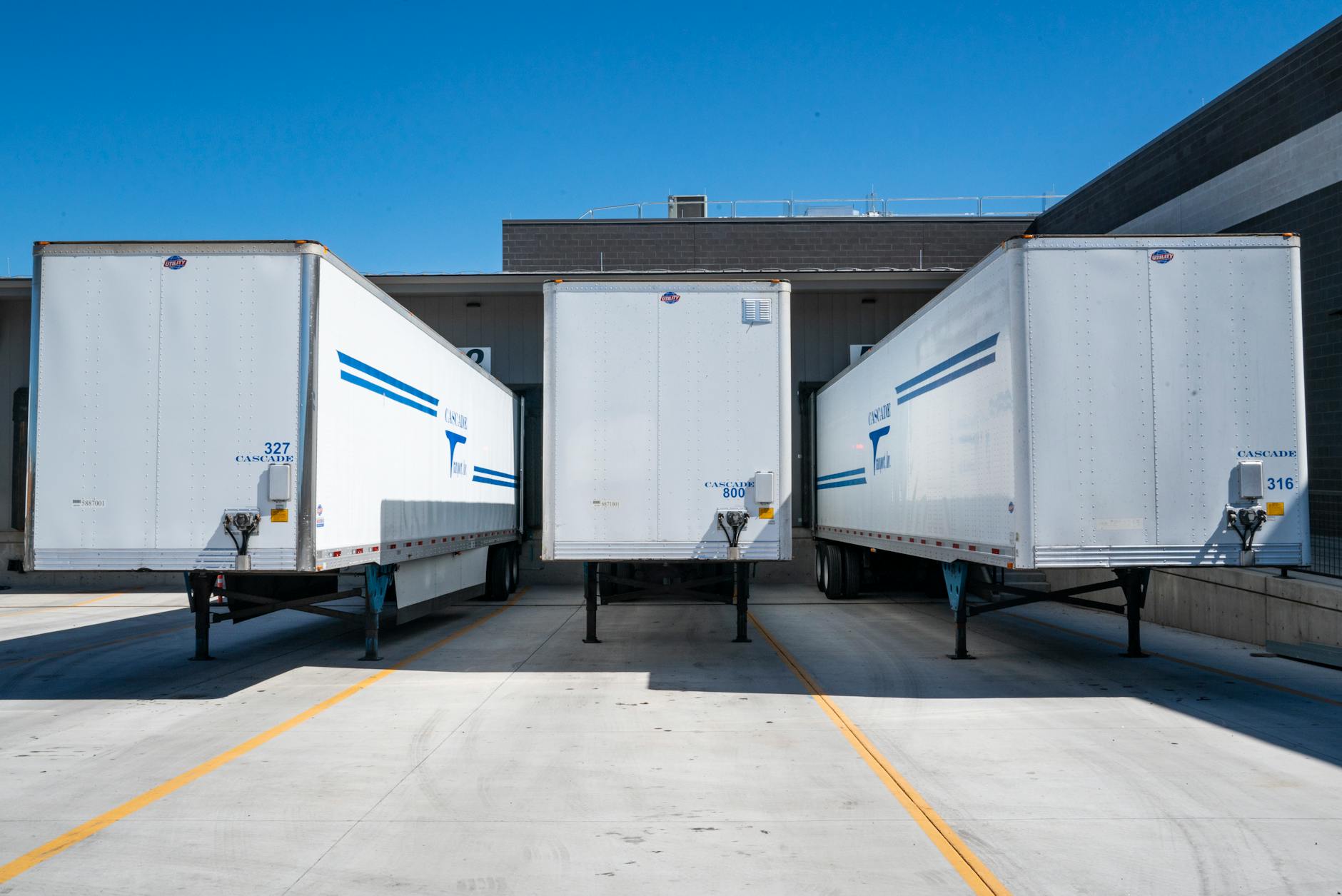
Overview
A micro-fulfillment center (MFC) is a compact warehouse or distribution location designed to meet the growing demand for rapid delivery in urban settings. These centers are strategically located near high-density consumer areas to facilitate quick order fulfillment, aligning with the rise of e-commerce and customer expectations for immediate service.
Micro-fulfillment centers operate through advanced warehouse management systems that streamline inventory management and optimize order processing. The increasing shift toward online shopping has made MFCs a vital component of modern supply chain strategies, allowing retailers to enhance their last-mile logistics while maintaining reduced operational costs.
Etymology and Origins
The term "micro-fulfillment" combines "micro," indicating small scale or localized operations, and "fulfillment," which pertains to the process of completing customer orders. The first documented usage of the term emerged in the early 2010s, coinciding with the rise of e-commerce giants like Amazon that inspired retailers to innovate their fulfillment strategies to compete effectively. As urbanization increased and consumer behavior shifted toward convenience, retail logistics began to adapt with micro-fulfillment solutions.
This evolved terminology reflects the changing landscape of logistics in which companies aim to optimize order fulfillment at localized levels.
Historical Development
Micro-fulfillment centers began to gain traction in the late 2010s, primarily driven by advancements in technology and shifts in consumer behavior. Key milestones include:
- 2017: The term "micro-fulfillment" emerges prominently in logistics discussions, led by companies exploring faster order processing methods to enhance customer satisfaction.
- 2018: Kroger pilots its first micro-fulfillment solution, aiming to bring grocery fulfillment closer to customers—a pivotal moment in the adaptation of traditional retail to modern e-commerce demands.
- 2020: The COVID-19 pandemic accelerates e-commerce growth, demonstrating the necessity of MFCs for rapid order fulfillment in times of crisis.
- 2021: Companies such as Takeoff Technologies implement fully automated micro-fulfillment solutions, significantly enhancing efficiency in last-mile delivery. This marks an important technological evolution from manual processes to automated systems that reduce human error and increase throughput.
Notable publications, such as the Gartner report on Supply Chain Trends, analyze advantages of integrating micro-fulfillment into existing infrastructures and set a new standard in supply chain efficiency.
Core Concepts
Micro-fulfillment centers typically operate under several key principles:
- Proximity: Located close to the customer base, MFCs reduce the distance goods need to travel, allowing for faster delivery times.
- Automation: Many MFCs incorporate automated systems for inventory management and order processing, reducing labor costs and human error. The use of mobile warehouse management systems further streamlines these operations, allowing for real-time tracking and management.
- Inventory Optimization: By analyzing local consumer demand, MFCs can maintain optimal inventory levels, ensuring popular items are readily available while reducing excess stock.
Industry Applications
Micro-fulfillment centers are particularly common in the grocery, retail, and e-commerce sectors. By leveraging MFCs, businesses can respond rapidly to consumer demands. For example, grocery chains like Albertsons have successfully implemented micro-fulfillment strategies that reduce delivery times from days to within hours.
Retailers also use micro-fulfillment for online orders, enabling services such as click-and-collect or same-day delivery, thus enhancing customer convenience. A successful example is the partnership between Walmart and Alert Innovation to establish automated MFC systems that have set benchmarks in urban logistics efficiency.
Benefits and Advantages
Micro-fulfillment centers present numerous benefits, including:
- Faster Delivery: MFCs facilitate same-day or next-day delivery services, vastly improving customer satisfaction. Studies show that rapid fulfillment directly correlates with increased customer loyalty.
- Cost Efficiency: Operational costs tend to decrease when fulfillment centers are localized, avoiding expenses associated with long-distance transportation. Retailers can save up to 30% in logistics costs by implementing micro-fulfillment strategies, according to industry analysis.
- Increased Flexibility: Businesses can adjust inventory based on localized demand, ensuring they are always prepared to meet customer needs. As outlined in the Order Fulfillment Guide, this adaptability is crucial for thriving in competitive markets.
Challenges and Limitations
Despite their advantages, micro-fulfillment centers face several challenges:
- Space Constraints: Operating within urban environments often means limited square footage, which can restrict inventory capacity and lead to higher operational costs per square foot.
- High Initial Investment: Implementing advanced automation technologies may require significant upfront investment, which can be a barrier for smaller retailers. Reports indicate that while initial costs can be steep, long-term savings often outweigh these expenses.
- Technology Integration: Successfully integrating MFCs into existing supply chains requires robust management systems, such as Warehouse Management Systems, to ensure efficient operations and real-time data analytics.
Best Practices
To maximize the effectiveness of micro-fulfillment centers, businesses should consider the following best practices:
- Data-Driven Decision Making: Utilize data analytics to forecast demand and adjust inventory levels accordingly, improving responsiveness to consumer trends.
- Invest in Automation: Implement automation at key points within the micro-fulfillment workflow to enhance speed and accuracy; full automation can result in increased throughput by up to 60% compared to manual processes.
- Location Strategy: Strategically select MFC sites to minimize delivery times, ensuring they are in proximity to target consumers; leveraging geographical data can help identify optimal sites for new centers.
Future Trends
As technology evolves, the landscape for micro-fulfillment centers is also expected to change. Innovations such as artificial intelligence and machine learning will likely enhance the predictive capabilities of inventory management systems, allowing for more sophisticated demand forecasting.
The continuing rise of e-commerce will necessitate an expansion of MFCs, particularly in densely populated areas. Industry analysts predict that MFC adoption will grow by 25% annually. Retailers that successfully leverage these centers can expect to maintain a competitive edge in the rapidly evolving marketplace.
Related Concepts
Micro-fulfillment is closely linked to other logistics concepts, including last-mile delivery, warehouse management systems, and automated fulfillment solutions. Understanding these relationships helps businesses adapt and optimize their supply chain strategies for future demands.