Load Board
Load boards are critical platforms in logistics and transport, connecting freight handlers with carriers to optimize load management and enhance supply chain efficiency.
Updated
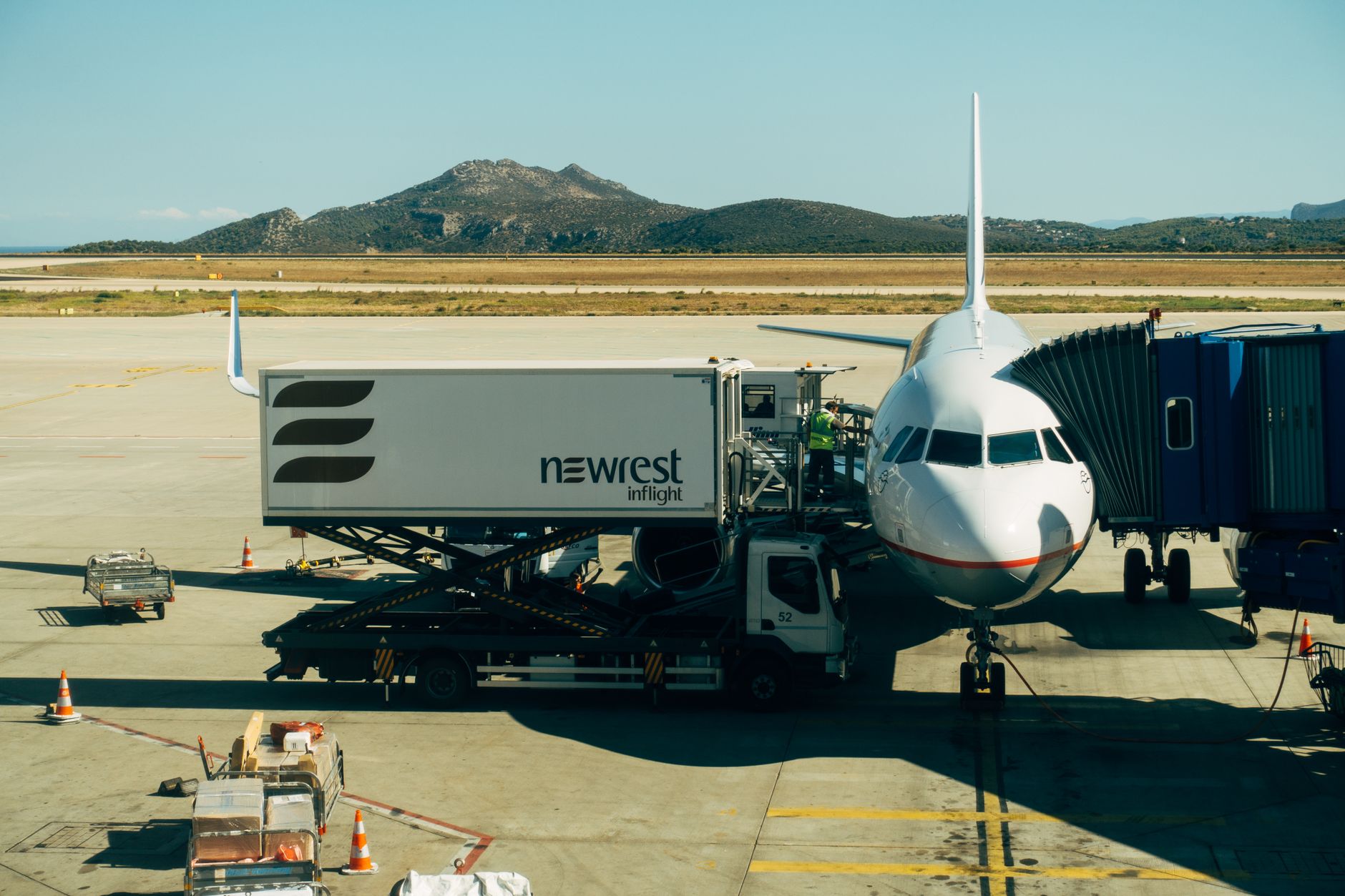
Load Board
Overview
A load board is an online platform that matches freight carriers with shippers or freight brokers in need of transportation services. Essential in the logistics industry, load boards facilitate the efficient management of shipping loads, helping to minimize empty miles and optimize transportation costs. By connecting various stakeholders in the supply chain, load boards enhance overall operational efficiency and can significantly reduce idle capacity.
Etymology and Origins
The term 'load board' likely originated from the traditional practice of posting available loads on physical boards, commonly found in trucking terminals and logistics offices. The first documented usage of the term can be traced back to the early 1980s, corresponding to the rise of organized freight transportation. The linguistic roots of the term derive from load, meaning cargo or freight, and board, which refers to a flat surface for posting listings. The shift to digital platforms took place in the late 1990s, coinciding with the growth of the internet and e-commerce. Early digital load boards revolutionized the industry by allowing real-time access to available shipments and transportation opportunities, thus streamlining operations and enhancing connectivity among logistics providers.
Historical Development
The evolution of load boards has significantly influenced logistics. Here are some key milestones:
- Late 1980s to early 1990s: The earliest forms of load boards were physical postings in trucking terminals, evolving into electronic databases.
- 1993: The first online load boards emerged, such as DAT Solutions, which allowed shippers and carriers to connect electronically.
- 2000s: The advent of more sophisticated technology, including mobile applications, enabled drivers to search and book loads on-the-go, leading to improved operational flexibility and real-time communication.
- 2010s: Load boards began to incorporate advanced features like real-time tracking, automated load matching, and dynamic pricing based on demand and availability. During this decade, major logistics software companies integrated load boards into broader transportation management systems (TMS).
- 2020 and beyond: The integration of artificial intelligence and data analytics is reshaping how logistics companies utilize load boards to optimize their freight management processes. Technologies like machine learning are now being employed to predict demand and optimize routes, significantly enhancing efficiency.
Core Concepts
Load boards function on key principles:
- Real-time data access: Allowing shippers and carriers to quickly view available loads and transportation services.
- Load matching algorithms: Facilitating instant connections based on criteria such as location, vehicle type, and delivery schedules.
- User ratings and reviews: Helping shippers evaluate carrier reliability and performance history.
- Transparent pricing: Offering competitive rates that are visible to all parties involved, thus promoting fair competition.
In the age of digital transformation, the effectiveness of load boards depends heavily on their technological capabilities and user interface design.
Industry Applications
Various sectors utilize load boards for effective logistics management:
- Freight brokerages use load boards to source transportation capacity on behalf of shippers.
- Independent carriers find new loads, reducing downtime and improving overall efficiency.
- Large enterprises integrate load boards within their logistics and supply chain systems to streamline operations and reduce transportation costs. For example, major retail companies use load boards to fill their delivery schedules effectively, leveraging technology to optimize carrier selection and route planning.
Benefits and Advantages
Load boards provide numerous advantages:
- Increased efficiency: Allowing shippers to find carriers quickly and carriers to fill their trucks, minimizing wasted fuel and time.
- Cost savings: Enhancing load management practices can lead to reduced operational costs and improved profitability. Companies using load boards have reported reductions in transportation costs by as much as 15%.
- Flexibility: Providing logistics companies access to a broader carrier network, allowing them to scale operations up or down as needed.
Challenges and Limitations
Despite their advantages, load boards also face challenges:
- Market saturation: The abundance of available load boards can overwhelm users, leading to choice paralysis, making it essential for companies to choose platforms that offer the best matching algorithms and user interfaces.
- Quality control: Not all carriers have the same level of reliability; thus, poor service can negatively impact relationships between shippers and carriers.
- Data integrity: Inaccurate or outdated information can lead to inefficiencies and disruptions in the supply chain, necessitating robust backend systems to ensure data accuracy.
Technology and Tools
Modern load boards leverage various technologies:
- Mobile apps allow for on-the-go access to load listings, making it easier for carriers to find and accept loads quickly.
- API integrations with existing logistics software help streamline operations and provide real-time updates, improving responsiveness in the supply chain.
- Data analytics tools analyze carrier performance to enhance decision-making processes concerning load assignments.
Examples of effective load board solutions include FreightMatch and Trucker Path, which have utilized innovative technologies to improve load management practices in the logistics sector.
Future Trends
As the logistics industry evolves, load boards are expected to:
- Adopt AI-driven solutions: Enhancing load matching algorithms to improve efficiency and reduce environmental impact by optimizing routes and minimizing waste.
- Integrate more sophisticated features: Such as predictive analytics for demand forecasting and automated bidding for better pricing strategies.
- Enhance mobile capabilities: Ensuring that logistics professionals can manage loads and transportation on the go, reflecting the growing importance of mobile technology in logistics operations and planning.
Related Concepts
Load boards are linked with other logistics concepts, such as freight brokering, transportation management systems (TMS), and route optimization. Integrating load boards with TMS offers logistics companies a unified platform to manage all facets of transportation, from load sourcing to delivery tracking.
In conclusion, load boards have become an indispensable tool in modern logistics, offering enhanced connectivity and operational efficiencies. A study from the Journal of Business Logistics highlights how companies using load boards effectively have enhanced their overall supply chain performance by leveraging technology and data analytics. As technology continues to advance, their role in streamlining freight management will only become more pivotal.