Last Mile Delivery
Exploring the most expensive and critical segment of the delivery process - getting packages to the end consumer.
Updated
Last Mile Delivery
Overview
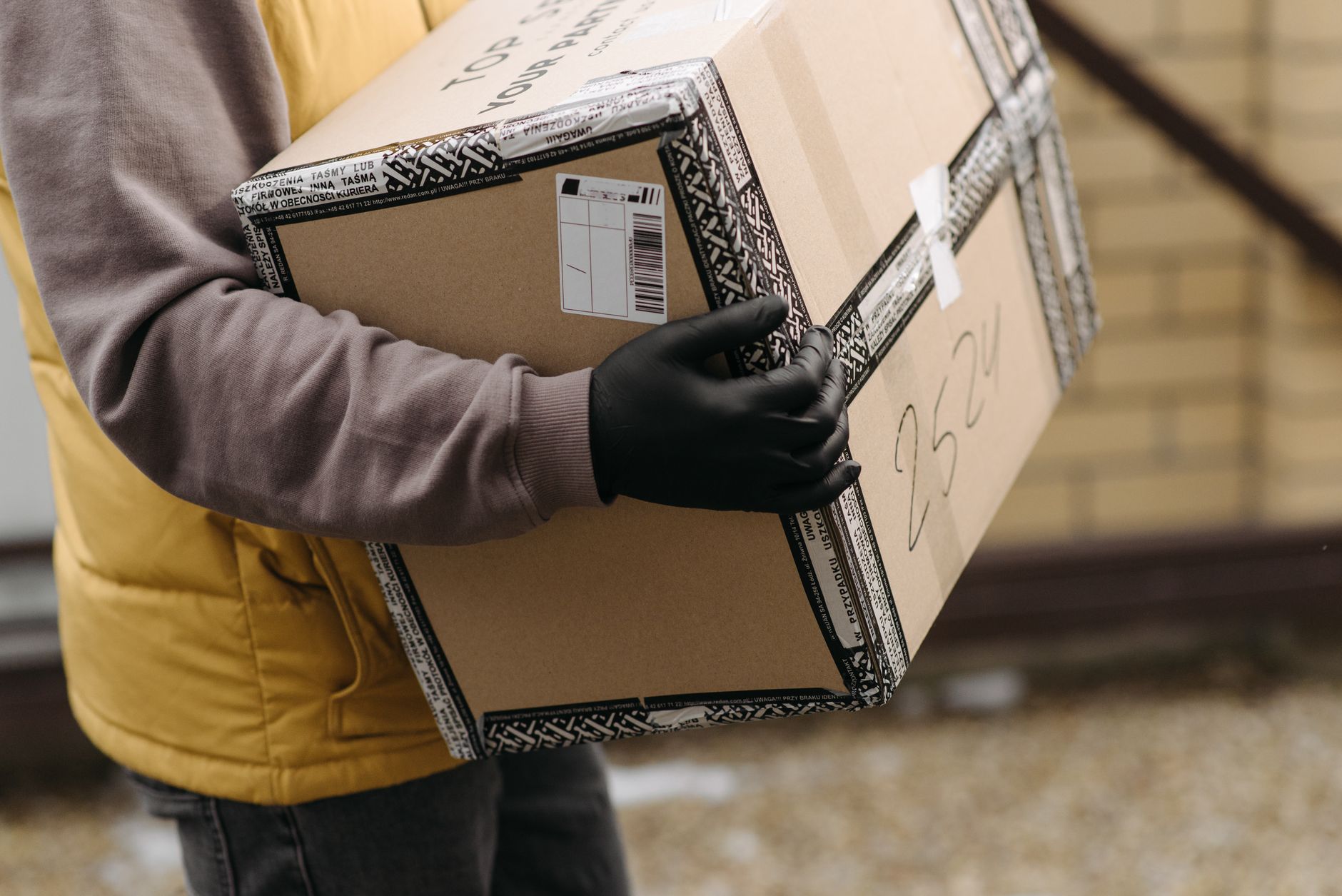
Last mile delivery refers to the final step of the delivery process when a package moves from a transportation hub to its final destination—typically a personal residence or business. Despite being the shortest distance in the supply chain, it's often the most complex and expensive part of shipping. This complexity stems from various factors including rapidly escalating customer expectations for convenience and speed, significant logistical challenges in urban and rural environments, and the evolving landscape of delivery technologies. It's not just about delivering goods; it's about delivering an experience that directly impacts customer satisfaction and brand loyalty.
Why Last Mile Matters
The last mile accounts for approximately 53% of total shipping costs, a figure that has steadily increased with the boom in e-commerce Last-mile delivery costs share of total shipping cost worldwide 2021. As e-commerce grows, consumer expectations for fast, free, and transparent delivery have elevated the significance of this segment. Research indicates that seamless last mile delivery is critical for enhancing customer satisfaction and improving retention rates. A positive last-mile experience can significantly bolster customer loyalty, while failures can lead to lost sales and reputational damage. It has evolved from a mere logistical function into a core component of a company's brand promise.
Etymology and Origins
The term last mile delivery first emerged in supply chain discussions in the late 1980s but gained widespread usage during the e-commerce boom of the late 1990s. The phrase symbolizes the often-challenging segment of the logistics process that brings goods from a transportation hub directly to the consumer. Etymologically, it traces back to telecommunications terminology, where the term 'last mile' referred to the challenging final leg of connecting end-users to the main network, often involving high costs and infrastructure hurdles. This analogy was aptly adopted by the logistics industry in the late 20th century to describe the similar complexities and disproportionate costs associated with delivering goods from a distribution center to the customer's doorstep The History Of The Last Mile.
Historical Development
The concept of a 'last mile' challenge, though not explicitly named as such, has roots in the earliest forms of commerce and postal services. However, its modern significance is tied to several key developments:
Pre-E-commerce Era (Pre-1990s)
Prior to the widespread adoption of the internet, deliveries to consumers were primarily handled by local postal services, department store delivery fleets, or specialized local couriers. The focus was less on speed and more on scheduled, batch deliveries. Businesses primarily managed B2B logistics from factories to retail outlets, with less granular tracking or customer expectation for direct home delivery transparency.
The Rise of E-commerce (1990s - Early 2000s)
The advent of the internet and online retail giants like Amazon transformed consumer expectations. Initially, last mile logistics struggled to keep pace. High shipping costs, long delivery windows, and a lack of visibility were common. Early solutions included leveraging existing parcel carriers (e.g., UPS, FedEx) and basic route planning software to manage growing volumes. The challenge of efficiently reaching individual residential addresses became a recognized and costly bottleneck.
Acceleration and Consumer-Centric Shift (2000s - 2010s)
As e-commerce matured, companies like Amazon began pushing the boundaries of delivery speed, making two-day, then one-day, and eventually same-day delivery a competitive necessity. This era saw significant investment in expanding delivery networks, optimizing sorting centers, and the widespread adoption of GPS and mobile technology for tracking. The last mile transformed from a necessary cost center into a critical differentiator for customer experience and market share.
Modern Era: Automation, Sustainability, and Hyper-personalization (2010s - Present)
The last decade has been marked by rapid innovation. The surge in e-commerce, further accelerated by global events like the COVID-19 pandemic, intensified the pressure on last mile operations. This period has seen the rapid development of AI-driven route optimization, the emergence of alternative delivery methods (drones, robots), and a strong push towards sustainability with electric vehicles. Companies are now focused on not just speed, but also predictability, personalized delivery options, and environmental responsibility, leveraging sophisticated Order Management Systems and mobile technologies for real-time orchestration.
Challenges
Cost Factors
- Low Drop Density: In most residential areas, delivery density is much lower compared to urban centers, meaning drivers spend more time traveling between stops and less time delivering packages. This leads to higher per-package costs.
- Multiple Delivery Attempts: High rates of missed deliveries due to customers not being home result in increased costs. Each re-attempt requires additional fuel, labor, and rerouting, significantly impacting profitability.
- Labor Costs: The need for a skilled workforce in delivery logistics, coupled with driver shortages, often drives operational costs higher. Competitive wages, benefits, and training are substantial expenses.
- Fuel and Vehicle Maintenance: The last mile involves frequent stops and starts, idling, and often navigating challenging urban environments, leading to increased fuel consumption, accelerated wear and tear on vehicles, and higher maintenance costs.
Operational Challenges
- Traffic Congestion and Parking: Urban areas often suffer from severe traffic congestion and limited parking, which cause significant delays in delivery schedules and increase driver stress. This directly impacts efficiency and on-time delivery rates.
- Customer Availability: If customers are not home or available during the delivery window, packages cannot be safely left, leading to failed deliveries and the need for costly re-attempts or alternative pickup arrangements.
- Address Accuracy: A significant number of packages are misdelivered, delayed, or returned due to incorrect, incomplete, or ambiguous addresses, leading to frustration for both customers and logistics providers. Advanced geocoding and address validation tools help mitigate this.
- Time-Sensitive Deliveries: The demand for expedited shipping, including same-day or next-day delivery, continuously challenges the logistics network, requiring precise scheduling, dynamic routing, and often premium services that come at a higher operational cost.
- Security and Package Theft: With more packages left on doorsteps, package theft has become a growing concern, leading to claims, reshipments, and reduced customer trust.
Innovative Solutions
Technology
- Route Optimization Software: Utilizing AI-driven routing systems helps improve delivery efficiency, minimize fuel consumption, and reduce costs by calculating the most efficient delivery paths in real-time. Modern software considers factors like traffic, delivery windows, driver availability, and vehicle capacity. Solutions like SkuSavvy Shipping and Fulfillment Software incorporate advanced functionalities to streamline last mile logistics, often working in tandem with comprehensive Order Management Systems to ensure optimal dispatch.
- Real-Time Tracking: GPS and mobile applications provide customers with transparent visibility into their package's journey, offering estimated delivery times and live location updates. This enhances the customer experience, reduces customer service inquiries, and empowers dispatchers to monitor and manage their fleet effectively.
- Delivery Management Platforms: Centralized systems improve control over logistics operations, providing real-time data on fleet management, driver performance, and delivery status. These platforms often integrate with mobile order fulfillment software used by drivers, enabling dynamic route adjustments and proof of delivery capture. These systems are crucial for optimizing the entire pick, pack, and ship process leading into the last mile.
Alternative Delivery Methods
- Crowdsourced Delivery: Platforms like Uber Eats and DoorDash have capitalized on crowdsourced delivery models, leveraging a network of independent contractors to fulfill deliveries. This model reduces the burden on traditional carrier systems, offers greater flexibility and scalability, particularly during peak demand, and is often used for on-demand or hyperlocal deliveries.
- Autonomous Vehicles and Drones: Innovations in autonomous delivery technologies, as seen with companies like Wing and various robotic delivery services, are set to further revolutionize the last mile. While facing regulatory and technical hurdles, these solutions promise reduced labor costs, increased speed, and potential for 24/7 operations, especially for lightweight or time-sensitive items in specific geofenced areas Autonomous delivery vehicles ready to hit the roads.
- Smart Lockers and Pickup Points: These options provide consumers with flexibility, allowing them to retrieve packages at their convenience from secure, automated lockers or designated retail locations. This mitigates the risk of missed deliveries, reduces package theft, and consolidates multiple deliveries into fewer drops for carriers. SkuSavvy's Pickup Orders Guide offers insights into managing such fulfillment options.
- Micro-Fulfillment Centers: Storing inventory closer to residential locations in smaller, often automated facilities helps to decrease delivery times significantly. These centers act as mini-distribution hubs, enabling faster preparation and dispatch of orders for last-mile carriers, thereby cutting down on transit distances and time.
Customer-Centric Options
- Scheduled Delivery Windows: Customers appreciate the ability to choose when their packages will arrive, fostering convenience and improving the delivery experience. This requires sophisticated planning and dispatching systems to manage driver routes and capacities effectively.
- Same-Day and Next-Day Delivery: E-commerce giants like Amazon have set the standards for rapid delivery times, pushing other retailers to adapt or risk losing market share. Achieving this requires robust local inventory, efficient warehouse operations, and optimized last-mile logistics networks.
- Alternative Delivery Locations: Customers can choose non-home addresses, such as their workplace, a neighbor's house, or a local convenience store (often called PUDO - Pick-Up, Drop-Off points), to ensure they can receive their packages safely and conveniently.
- White-Glove Services: Premium delivery options where items are unpacked, assembled, and set up in customers' homes are becoming increasingly popular, especially for high-ticket items like furniture, electronics, or appliances. This service adds significant value and enhances customer satisfaction for complex purchases.
Key Metrics
- On-Time Delivery Rate: This measures the percentage of deliveries made within the promised timeframe or service level agreement. It is essential for maintaining customer trust, managing expectations, and is a direct indicator of operational reliability.
- First Attempt Success Rate: This metric tracks how many deliveries are successfully completed on the first attempt. A high success rate significantly impacts overall costs by reducing re-delivery expenses, fuel consumption, and driver time.
- Cost Per Delivery: Calculating total expenses (including labor, fuel, vehicle maintenance, software, and administrative overhead) divided by the number of successful deliveries provides a crucial measure of operational efficiency and highlights areas for cost reduction. Optimizing the entire fulfillment process is key to reducing this cost.
- Customer Satisfaction Score (CSAT/NPS): Gathering feedback post-delivery through surveys helps in identifying areas for improvement, benchmarking service quality against competitors, and understanding the direct impact of delivery experience on brand perception and loyalty.
- Delivery Time: The total time elapsed from order placement to customer receipt. Minimizing this metric is a primary driver of competitive advantage and customer satisfaction in modern e-commerce.
Future Trends
- Electric Delivery Vehicles: Sustainability is driving logistics firms to adopt electric vehicles for last mile delivery, with commitments from companies such as UPS and Amazon. This trend aims to reduce carbon emissions, lower fuel costs, and appeal to environmentally conscious consumers, though it requires significant investment in charging infrastructure.
- Drone Delivery Expansion: Companies like Wing are expanding their drone services, preparing for widespread adoption in urban and rural areas. While regulatory challenges persist, drones offer a potential solution to road congestion for lightweight parcels, promising faster delivery times over short distances.
- Robot Deliveries: The rise of autonomous sidewalk robots and indoor delivery robots, as reported by various industry journals, can potentially ease human resource constraints in logistics by automating routine deliveries in dense urban areas or campuses, complementing human drivers for specific tasks.
- Sustainable Packaging Initiatives: Companies are increasingly moving toward eco-friendly, recyclable, or reusable packaging methods to align with consumer values regarding sustainability, reducing waste, and improving brand image.
- Hyperlocal Fulfillment: This trend focuses on fulfilling orders at the community level, leveraging local inventory and small, decentralized distribution points (like micro-fulfillment centers). This dramatically decreases delivery times, improves responsiveness to local demands, and fosters community engagement.
- Advanced Data Analytics and AI: The continuous collection and analysis of vast amounts of data from delivery operations, combined with Artificial Intelligence, will enable predictive logistics. This includes more accurate demand forecasting, dynamic pricing, proactive problem-solving, and even more sophisticated personalized delivery options.
Sources
- McKinsey Last Mile Report
- Statista E-commerce Delivery
- Logistics and Delivery Solutions | Mapbox
- McKinsey Last Mile Report
- Statista E-commerce Delivery
- Last Mile Logistics: Challenges, Solutions, and the Path Forward
- The Last Mile of Telecommunications Networks
- The Last Mile: Exploring the Logistics Challenges in E-Commerce Fulfillment
- IBM's History of ERP
- Just-in-Time (JIT) Definition & How It Works
- Forbes: The Impact Of Last-Mile Delivery On Customer Satisfaction And Loyalty
- Route Optimization: The Key to Last Mile Success
- Wing drone delivery service to expand to more cities in Texas
- UPS, GM target carbon-neutral deliveries with new EV commitment
- SkuSavvy Order Management System
- SkuSavvy Mobile Order Fulfillment Software
- SkuSavvy Mobile Warehouse Management System
- SkuSavvy Shipping and Fulfillment Software
- SkuSavvy Pick, Pack, Ship Software
- SkuSavvy Warehouse Layout Preview
- SkuSavvy Visual Inventory Management System
- SkuSavvy Pickup Orders Guide
- SkuSavvy Shopify Global Inventory
- SkuSavvy Automated Purchase Quantity
- McKinsey Last Mile Report
- Statista E-commerce Delivery
- McKinsey Last Mile Report
- Statista E-commerce Delivery
- What Is Last-Mile Delivery And Why Is It So Expensive?
- The History Of The Last Mile
- Solving the last-mile puzzle
- Last-Mile Delivery Market Size, Share & Trends Analysis Report
- What Companies Don't Understand About Customer Loyalty
- Delivery driver shortage is the latest supply chain challenge
- Best Route Optimization Software
- Fleet Tracking & GPS Solutions | Verizon Connect
- Autonomous delivery vehicles ready to hit the roads
- Order Management System
- Shipping and Fulfillment Software
- Mobile Warehouse Management System
- Visual Inventory Management System
- Order Fulfillment Guide
- Logistics Technology in 2023: Route Optimization Software
- Visual Warehouse Layout
- The Last-Mile Delivery Challenge: An E-Commerce Perspective
- Last-mile delivery costs share of total shipping cost worldwide 2021
- The Last Mile Delivery Challenge
- The Last Mile in Telecommunications
- History of UPS
- Transportation Management Systems (TMS) Glossary and Solutions
- Delivery apps: how crowdsourced delivery works and why it's popular
- Mobile Order Fulfillment Software
- Shipping and Fulfillment Software
- Order Management System
- Visual Inventory Management System
- Pick, Pack, Ship Software
- The Last-Mile Delivery Challenge: An E-Commerce Perspective
- Last-mile delivery costs share of total shipping cost worldwide 2021
- The History Of The Last Mile
- Wikipedia: Postal service
- Transportation Management Systems (TMS) Glossary and Solutions
- History of UPS
- Order Management System
- What Is Last-Mile Delivery And Why Is It So Expensive?
- Delivery driver shortage is the latest supply chain challenge
- Logistics and Delivery Solutions | Mapbox
- Best Route Optimization Software
- Fleet Tracking & GPS Solutions | Verizon Connect
- Mobile Order Fulfillment Software
- Pick, Pack, Ship Software
- Delivery apps: how crowdsourced delivery works and why it's popular
- Autonomous delivery vehicles ready to hit the roads
- SkuSavvy Pickup Orders Guide
- Order Fulfillment Guide
- What Companies Don't Understand About Customer Loyalty