Industry Applications of Warehousing
Explore the various industry applications of warehousing, emphasizing their importance in logistics and supply chain management.
Updated
Industry Applications of Warehousing
Overview
Warehousing is a critical component of logistics and supply chain management, providing essential services that support the flow of goods from manufacturers to end-users. This process involves the storage, handling, and distribution of products. Effective warehousing optimizes inventory management, enhances service levels, and contributes to overall supply chain efficiency. Given the rise of e-commerce and global trade, the relevance and complexity of warehouse applications have significantly increased, making them central to modern business operations.
Etymology and Origins
The term "warehousing" derives from the Old English word 'warian,' meaning to keep, guard, or store. The root 'ware' itself refers to goods or merchandise. Historically, the concept of storing goods dates back to ancient civilizations. Early examples include granaries in Ancient Egypt and Mesopotamia used for storing agricultural surplus and trade goods, dating as far back as 6000 BCE. These early storage facilities were crucial for economic stability, taxation, and military supply. The Latin term horreum referred to a type of Roman warehouse, used for storing grain, oil, and other provisions.
The word 'warehouse' began to gain prominence in the English language around the 14th century, evolving from simply a 'ware house' or 'store house.' Its usage solidified with the advent of the Industrial Revolution in the 18th century, which led to a boom in purpose-built storage facilities to accommodate the growing scales of production, raw material imports, and distribution demands of burgeoning factories and global trade networks.
Historical Development
Emergence of Organized Warehousing
The modern practice of warehousing, characterized by organized systems and larger-scale operations, began to take shape in the late 19th century. Advances in transportation infrastructure, particularly the expansion of railroads and steamships, transformed supply chains from localized networks to national and international systems. Key figures and companies recognized the need for centralized storage and distribution points. For example, the integration of warehousing with major transportation hubs, such as those established by companies like the Baltimore and Ohio Railroad, allowed for efficient transfer and storage of goods during transit, effectively creating early distribution centers. This era saw the shift from rudimentary storage to strategically located facilities designed for throughput and connectivity.
Major Milestones and Technological Evolution
The 20th century brought significant innovations that revolutionized warehousing:
- Early 20th Century (1900s-1940s): The introduction of mechanized material handling equipment, such as the forklift truck in the 1920s and 1930s, drastically improved the efficiency of moving and stacking goods. The widespread adoption of palletization after World War II standardized unit loads, paving the way for more organized storage and transportation.
- Mid-20th Century (1950s-1970s): The rise of modern logistics as a scientific discipline emphasized optimizing the entire supply chain. The first automated storage and retrieval systems (ASRS) were introduced in the 1960s, representing a significant shift from manual handling to semi-computerized options for high-density storage and rapid retrieval. The introduction of the Universal Product Code (UPC) barcode in 1974 enabled faster and more accurate inventory tracking, laying the groundwork for digital inventory management.
- Late 20th Century (1980s-1990s): Concepts such as just-in-time inventory (JIT), pioneered by Toyota in Japan, gained prominence, promoting a leaner approach to warehousing and inventory management aimed at minimizing holding costs. The development of Material Requirements Planning (MRP) and later Enterprise Resource Planning (ERP) systems by companies like IBM and SAP, began to integrate warehousing functions with production planning and other business processes. Early Warehouse Management Systems (WMS) started to emerge, offering computerized control over inventory, picking, and putaway.
- 21st Century (2000s-Present): The explosion of e-commerce necessitated highly efficient and agile fulfillment capabilities. This era has seen a rapid adoption of advanced automation, including robotics, autonomous mobile robots (AMRs), and sophisticated WMS with real-time tracking and analytics. The focus has shifted to omnichannel fulfillment, speed, and precision in order delivery, leveraging technologies like mobile warehouse management systems and AI-driven optimization.
Seminal publications, including reports from the Council of Supply Chain Management Professionals (CSCMP), formerly Council of Logistics Management, and academic journals, have further shaped industry standards and practices throughout these periods.
Core Concepts
Warehousing operations primarily revolve around the efficient management of space, inventory, and the workflow of goods. Key concepts in modern warehousing, often orchestrated by advanced Warehouse Management Systems (WMS), include:
- Inventory Management: Utilizing sophisticated systems for real-time tracking of inventory levels, techniques like cycle counting to maintain accuracy, and strategies such as ABC analysis, safety stock, and demand forecasting to ensure product availability while minimizing holding costs. This includes managing complex aspects like lots and expiration dates for perishable or regulated goods.
- Order Fulfillment: Streamlining the entire process from order receipt to customer delivery, involving efficient picking (e.g., batch picking, wave picking, pick-to-tote), packing, and shipping processes. Pick, pack, ship software and mobile order fulfillment software are crucial for optimizing these labor-intensive activities.
- Warehouse Layout Design: Implementing strategic physical and digital layouts, such as flow-through, U-shaped, or cross-docking setups, which optimize the movement of goods, minimize travel time, and improve operational efficiency. Tools like a visual warehouse layout aid in this planning.
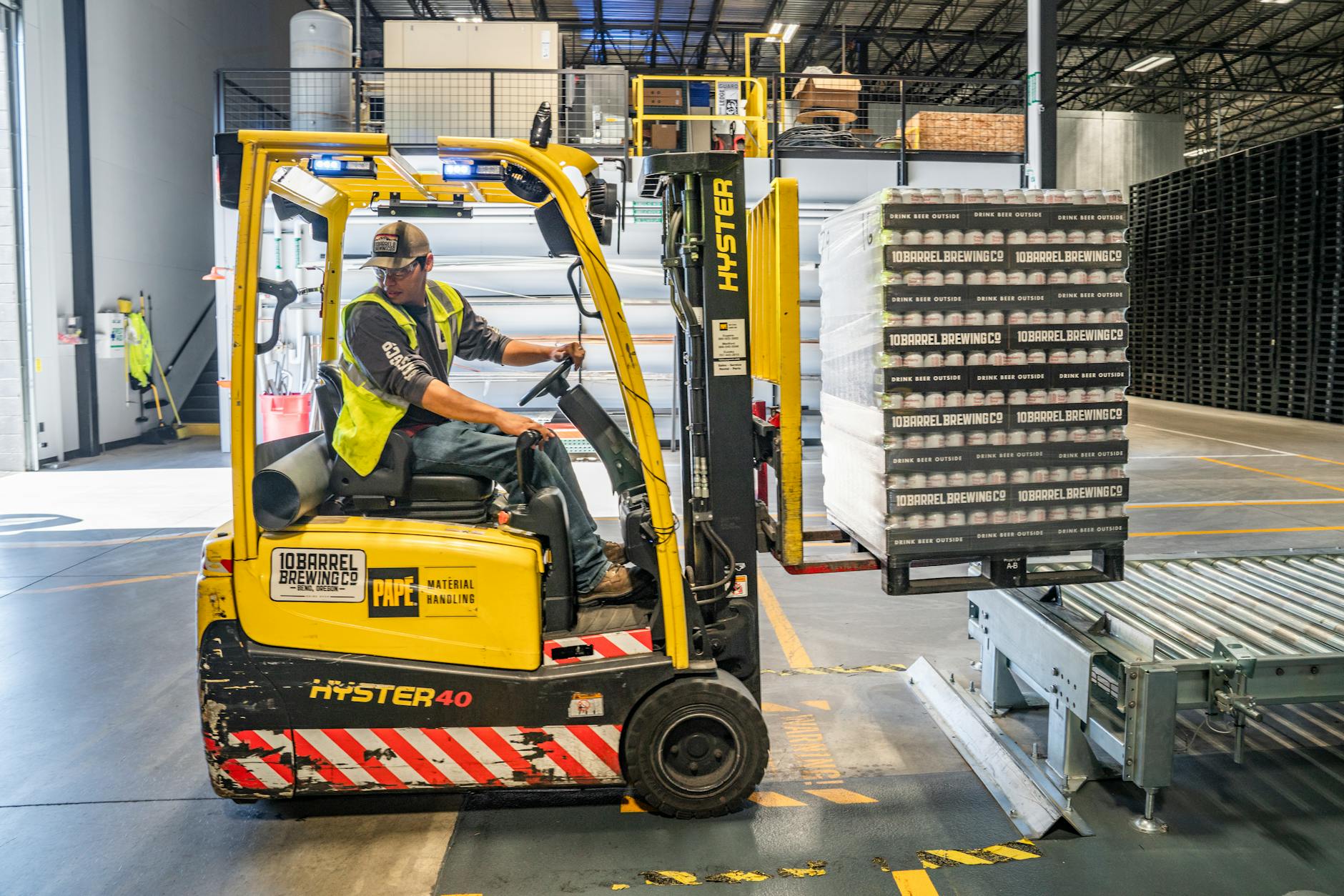
- Material Handling: The strategic movement, storage, protection, and control of materials and products throughout the warehousing process. This encompasses a range of equipment from forklifts and conveyors to ASRS and robotics, all designed to enhance efficiency and safety.
- Receiving and Putaway: The process of efficiently receiving incoming goods, verifying them against purchase orders (often managed by purchase order management systems), and strategically placing them into storage locations according to bin putaway criteria to optimize space and accessibility.
Types and Classifications
Warehouse settings can vary significantly based on their applications, ownership, and operational models:
- Public Warehouses: These facilities are owned and operated by a third party, offering storage and logistics services to multiple clients. They provide flexibility, shared costs, and often specialized services, making them ideal for businesses with fluctuating demand or those seeking to avoid capital investment in their own facilities.
- Private Warehouses: Owned and operated by a single company for its own distribution needs. This allows for tailored storage solutions, greater control over operations, and integration with proprietary systems, common in large retail chains or manufacturers.
- Automated Warehouses: Utilize robotics, conveyors, ASRS, and other automated systems to handle inventory, significantly increasing efficiency, accuracy, and throughput while reducing manual labor. Levels of automation can range from semi-automated processes to fully robotic dark warehouses.
- Distribution Centers (DCs): Primarily focused on rapid throughput and consolidation, rather than long-term storage. Goods typically spend less time in a DC, being quickly sorted, repacked, and dispatched to retail stores or customers.
- Fulfillment Centers (FCs): A specialized type of distribution center, particularly prevalent in e-commerce. They are designed for high-volume, rapid processing of individual customer orders, often involving complex picking strategies and direct-to-consumer shipping.
- Cross-Docking Facilities: Goods are received at one dock, immediately sorted, and transferred to outbound trucks at another dock with minimal or no storage in between. This method is highly efficient for perishable goods or high-demand products, as detailed in SkuSavvy's cross-docking guide.
- Bonded Warehouses: Secure facilities authorized by customs authorities for storing imported goods before customs duties or taxes are paid. This allows businesses to defer payment until goods are withdrawn for consumption, aiding cash flow.
- Specialized Warehouses: Designed for specific product types, such as cold storage facilities for perishable food and pharmaceuticals, hazardous materials warehouses with stringent safety regulations, or climate-controlled environments for sensitive electronics.
Industry Applications
Warehouses serve a vast array of sectors, each with unique requirements and complexities:
- Retail & E-commerce: E-commerce platforms extensively rely on fulfillment centers for quick order fulfillment, managing vast product catalogs, and ensuring rapid shipping, particularly during peak seasons. They are crucial for supporting omnichannel strategies like Buy Online, Pick Up In-Store (BOPIS) and Ship From Store.
- Manufacturing: Warehousing is fundamental for storing raw materials (inbound logistics), work-in-progress (WIP) components, and finished products (outbound logistics). It ensures a steady flow in production lines and supports just-in-time delivery systems, minimizing production downtime and optimizing inventory levels. Industries like automotive rely heavily on precise sequencing and delivery of parts.
- Healthcare & Pharmaceuticals: Medical supply warehouses manage sensitive products, including pharmaceuticals, medical devices, and vaccines, that often require strict temperature control (cold chain management), humidity control, and secure storage conditions. They must comply with rigorous regulatory standards (e.g., FDA regulations) and necessitate robust lot and expiration date tracking.
- Food & Beverage: This sector demands specialized warehousing for perishable goods, requiring refrigerated or frozen storage. Effective inventory management systems are critical for tracking expiration dates, managing product rotation (FIFO/FEFO), and ensuring food safety and compliance.
- Third-Party Logistics (3PLs): These companies specialize in providing outsourced logistics services, including warehousing, transportation, and fulfillment, to other businesses. They leverage their scale and expertise to offer flexible and cost-effective solutions for diverse clients.
- Chemicals & Hazardous Materials: Requires highly specialized warehouses with stringent safety protocols, environmental controls, spill containment systems, and compliance with regulations such as OSHA and EPA guidelines for handling and storing dangerous goods.
Benefits and Advantages
Investing in efficient warehousing systems can yield several significant advantages across the supply chain:
- Cost Savings: Optimized inventory levels, achieved through accurate tracking and demand forecasting, reduce holding costs, minimize waste from expired or obsolete products, and decrease labor costs through efficient material handling and order fulfillment processes. Effective warehouse design can also minimize energy consumption.
- Improved Customer Service: Enhanced order fulfillment capabilities lead to quicker, more accurate deliveries, reduced lead times, and higher customer satisfaction rates. The ability to meet promised delivery dates is a key competitive advantage, as enabled by shipping and fulfillment software.
- Increased Operational Efficiency: Streamlined warehouse processes, such as intelligent putaway, optimized picking paths, and batch picking, significantly improve labor productivity, reduce errors, and accelerate operational speed. Automation further amplifies these gains.
- Scalability and Flexibility: Well-designed warehousing operations, especially those leveraging WMS and modular equipment, can scale up or down to adapt to seasonal demand fluctuations, market changes, or business growth, providing crucial agility.
- Data-Driven Decision Making: Modern WMS and inventory systems generate vast amounts of data on inventory movement, labor performance, and order fulfillment. This data can be analyzed to identify bottlenecks, forecast demand more accurately, and continuously optimize operations.
Challenges and Limitations
While warehousing offers numerous benefits, it also presents significant challenges that businesses must address:
- Space Constraints and Rising Costs: As e-commerce grows and urban areas densify, finding adequate warehouse space can be increasingly difficult and expensive. This drives innovation in high-density storage solutions and multi-story warehousing.
- Technology Integration and Complexity: Integrating modern technology, such as WMS, automation, and IoT devices, with existing legacy systems can be complex, time-consuming, and resource-intensive. Ensuring interoperability and data security across diverse systems is a constant challenge.
- Workforce Management and Labor Shortages: Attracting, training, and retaining a skilled workforce is essential, especially in high-turnover environments. The demand for specialized roles (e.g., robotics technicians, data analysts) is growing. Effective employee management tools and training programs are crucial for productivity and safety.
- Regulatory Compliance: Adhering to diverse industry-specific regulations (e.g., FDA for pharmaceuticals, OSHA for safety, environmental regulations) adds complexity and requires continuous monitoring and auditing.
- Sustainability Pressures: Growing environmental concerns push warehouses to adopt greener practices, such as energy-efficient buildings, renewable energy sources, waste reduction, and optimized transportation to minimize carbon footprint.
- Cybersecurity Risks: As warehouses become more digitized and interconnected, they face increased risks from cyber threats, potentially disrupting operations and compromising sensitive data.
Best Practices
To optimize warehouse performance and overcome challenges, businesses should adopt the following best practices:
- Implement a Robust Warehouse Management System (WMS): A modern WMS, especially a mobile warehouse management system, is foundational. It enables real-time tracking, optimized workflows, automated data capture (via barcodes), and comprehensive reporting, turning raw data into actionable insights.
- Optimize Warehouse Layout and Design: Regularly review and adjust the physical layout to ensure efficient flow of goods, minimize travel time, and maximize space utilization. Techniques like zoning, slotting, and visual warehouse layout tools are vital.
- Prioritize Inventory Accuracy: Implement rigorous inventory control measures, including cycle counting and perpetual inventory systems. This reduces stockouts, prevents overstocking, and enhances overall financial accuracy.
- Invest in Employee Training and Safety: Provide continuous training on best operational practices, equipment usage, and safety standards. Foster a safety-first culture to minimize accidents and ensure compliance with regulations. Utilize tools for employee productivity tracking and management.
- Leverage Automation and Technology Strategically: Evaluate and adopt automation technologies (e.g., AGVs, AS/RS, robotics) where they provide the greatest ROI, focusing on repetitive tasks, high-volume operations, or areas with labor shortages. Integrate these with existing systems for seamless operation.
- Embrace Continuous Improvement (Kaizen): Regularly assess processes, identify bottlenecks, and implement incremental improvements. Encourage feedback from staff and utilize data analytics to drive ongoing optimization.
Future Trends
The future of warehousing is likely to be shaped by rapid technological advancements and evolving market demands, leading to more intelligent, agile, and sustainable operations:
- Advanced Automation & Robotics: Increased use of autonomous mobile robots (AMRs), automated guided vehicles (AGVs), and robotic picking arms for material handling, putaway, and order fulfillment, working collaboratively with human operators.
- Artificial Intelligence (AI) & Machine Learning (ML): Leveraging big data for predictive analytics in demand forecasting, inventory optimization, labor scheduling, and proactive equipment maintenance. AI will enable more intelligent decision-making and dynamic resource allocation.
- Internet of Things (IoT): Deployment of smart sensors on shelves, equipment, and inventory for real-time tracking, environmental monitoring (temperature, humidity), and asset management, providing unprecedented visibility.
- Digital Twins: Creation of virtual models of physical warehouses that can simulate operations, test different layouts or automation strategies, and optimize processes in a risk-free environment before physical implementation.
- Sustainability and Green Warehousing: Growing focus on energy-efficient warehouse design, renewable energy sources (solar panels), waste reduction and recycling programs, and optimized transportation routes to minimize environmental impact and achieve carbon neutrality.
- Blockchain for Transparency: Utilization of blockchain technology to enhance supply chain transparency, traceability of goods, and security, particularly for high-value or regulated products.
- Omnichannel Fulfillment Evolution: Warehouses will continue to evolve to support seamless omnichannel experiences, blurring the lines between traditional distribution centers and retail stores, with increased emphasis on micro-fulfillment centers in urban areas.
Related Concepts
Understanding warehousing involves integrating knowledge of broader logistics and supply chain concepts, including procurement, inventory management, and distribution strategies. Collaboration with technology providers, such as those offering mobile warehouse management systems and robust order management systems, is vital for future success. The interplay between these concepts drives efficiency and responsiveness in today's complex global supply chains.
In summary, efficient warehousing is indispensable for successful supply chain management, improving operational efficiency, and meeting customer demands in a rapidly evolving market.
Sources
- Stock Replenishment Guide
- Cycle Counting Guide
- Visual Warehouse Layout
- Order Fulfillment Guide
- Batch Picking Guide
- Employee Management
- Logistics & Warehousing Insights
- Grain Storage (Ancient Civilizations)
- Horrea: Roman Warehouses and Storage Facilities
- The Evolution of Logistics and Supply Chain Management
- The Evolution of the Forklift
- The History of Barcodes
- The History of ERP Systems: A Complete Guide
- 8 Enterprise Fulfillment Best Practices for Shopify Plus Merchants
- AI in Supply Chain: Revolutionizing Logistics and Warehousing
- Green Warehousing: The Future of Sustainable Logistics