Holistic Optimization in Logistics
Holistic optimization integrates all logistics components to enhance efficiency and effectiveness across the supply chain.
Updated
Holistic Optimization in Logistics
Overview
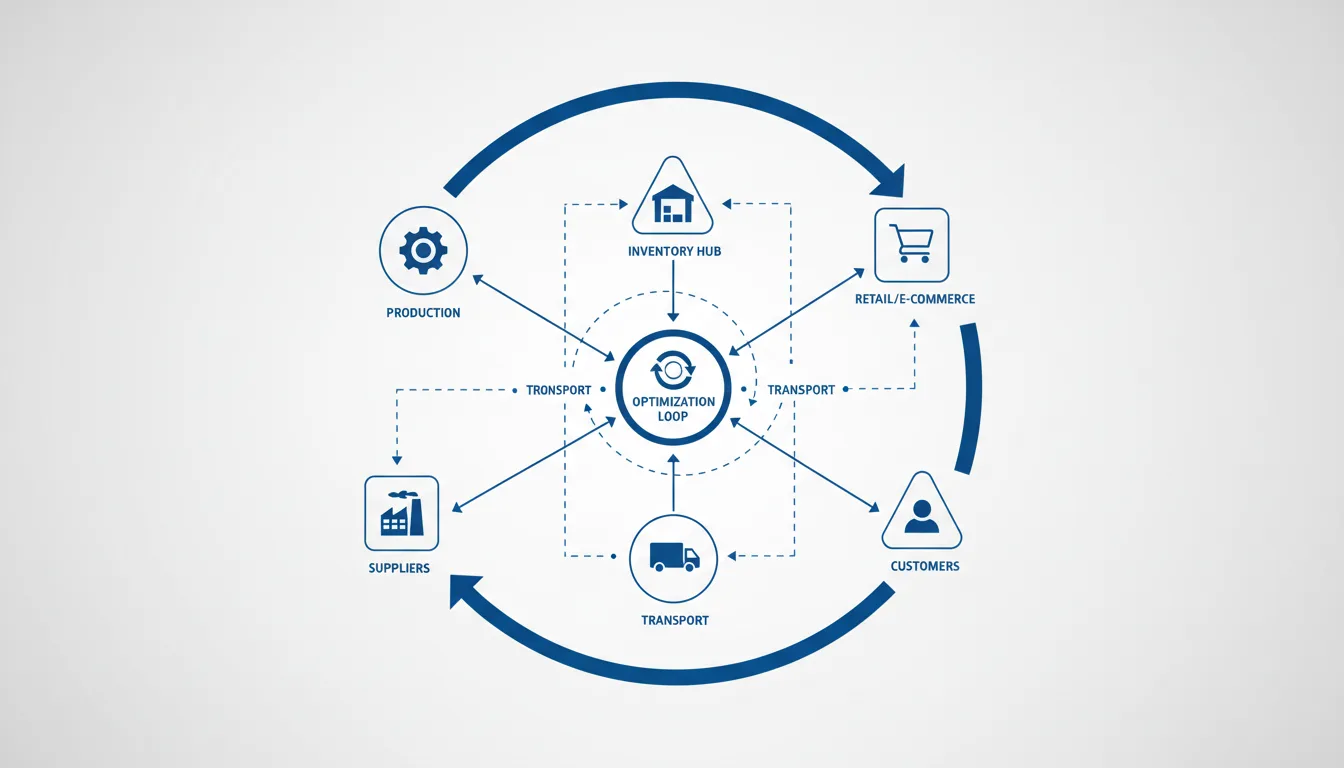
Holistic optimization refers to an integrated approach in logistics and supply chain management, where all components—such as inventory, warehousing, transportation, and information management—work in harmony to enhance overall performance. This approach moves beyond isolated optimizations of individual parts, focusing instead on understanding how each segment influences the others. The goal is to reduce costs, improve service levels, and increase agility while maintaining sustainability standards.
Etymology and Origins
The term "holistic" comes from the Greek word "holos," meaning "whole." The concept of holistic optimization began to gain traction in the late 20th century as businesses recognized the need for cohesive systems that operated more efficiently together than separately. Initially applied in fields like medicine and psychology, the principles of the holistic approach have increasingly influenced industrial processes, particularly in supply chain management. The first documented usage of the term in a logistics context can be traced back to the 1990s as a response to the increasing complexity of supply chains, as outlined in sources such as The Balanced Scorecard—Measures that Drive Performance.
Historical Development
Holistic optimization in logistics has evolved significantly since its inception:
- 1980s: During the 1980s, many organizations began implementing total quality management (TQM) strategies, emphasizing integrated processes. The concept of supply chain integration began taking shape during this time, backed by research from pioneers like W. Edwards Deming.
- 1990s: The concept of supply chain management (SCM) emerged, advocating for synchronization of logistics processes. Companies like Procter & Gamble adopted holistic strategies that linked their supply chains directly to customer demand. Seminal publications highlighted the importance of integrated performance metrics, emphasizing that businesses must not only focus on individual metrics but how they affect the overall supply chain.
- 2000s: The rise of enterprise resource planning (ERP) systems allowed for better visibility and control across various logistics functions. The integration of technology into logistics, as seen with the Mobile Warehouse Management System, played a crucial role in achieving holistic optimization. Notable advancements included the introduction of barcoding and RFID technologies, which enhanced data accuracy.
- 2010s and Beyond: Advances in data analytics and management platforms further enabled companies to apply holistic optimization principles effectively. Businesses began leveraging big data and machine learning to assess the impact of decisions across various logistics functions in real-time. The introduction of Industry 4.0 concepts emphasized digital transformation in logistics, with predictive analytics becoming essential for efficient supply chain operations.
Core Concepts
The core of holistic optimization lies in its systems thinking approach. Some key components include:
- Cross-functional collaboration: Ensures departments communicate effectively to avoid silos and streamline operations.
- Data integration: Consolidating data from various sources (e.g., inventory systems, shipping details) allows for better decision-making. Real-time data access can significantly improve response times in supply chain operations.
- Continuous improvement: Regularly assessing performance metrics and seeking improvement opportunities leads to sustained gains over time. Techniques such as Kaizen are often utilized to promote this culture within organizations.
- Sustainability: Incorporating green practices into logistics not only enhances brand reputation but also leads to long-term cost savings. Companies adopting sustainable methods have seen substantial reductions in waste and energy consumption.
Industry Applications
Holistic optimization is crucial across various industries. For example:
- In retail, companies utilize techniques like batch picking to streamline order fulfillment processes, thereby reducing lead times. Organizations such as Amazon have implemented sophisticated algorithms that adjust picking strategies based on real-time inventory data.
- In manufacturing, firms adopt integrated supplier management to ensure that procurement processes align with production schedules efficiently. Companies like Toyota exemplify this through just-in-time production strategies, reducing inventory costs while enhancing responsiveness.
- The healthcare sector uses holistic approaches to optimize the supply chain of pharmaceuticals, ensuring timely delivery while adhering to regulatory compliance. Integrated systems enable better tracking of medication availability and expiration, improving patient outcomes.
Benefits and Advantages
The benefits of implementing holistic optimization practices include:
- Improved Efficiency: By aligning logistics functions, organizations minimize redundancies and streamline their processes. Studies show that companies following holistic approaches can reduce operational costs by up to 30% (Data-Driven Logistics: The Future of Supply Chain Management).
- Cost Reduction: Integrating systems can lead to lower operational costs through better resource allocation and waste reduction.
- Enhanced Customer Satisfaction: A more responsive supply chain improves service levels and customer engagement. Customer feedback loops established through integrated systems allow for quicker responses to market changes.
- Increased Agility: Companies can quickly adapt to changes in demand or environmental regulations when systems are integrated. An example is how companies pivoted their supply chains during the COVID-19 pandemic to address immediate needs for essential goods.
Challenges and Limitations
Despite its benefits, holistic optimization comes with challenges:
- Complex Implementation: Integrating various logistics components can be complicated and may require significant investment in technology and training.
- Resistance to Change: Employees accustomed to siloed operations may resist shifts toward a more integrated approach. Leadership must manage change effectively to ensure adoption.
- Data Privacy: Safeguarding sensitive information shared across departments and with external partners is critical to maintain trust and compliance. Adopting strict data governance frameworks can help mitigate these risks.
Best Practices
To effectively implement holistic optimization, companies should consider the following best practices:
- Invest in Technology: Employ advanced analytics and logistics tools such as Order Management Systems to achieve better visibility and control of operations.
- Foster a Collaborative Culture: Encourage interdepartmental collaborations and hold regular meetings to discuss shared goals. This can be supported by cross-functional teams dedicated to optimization goals.
- Set Clear Metrics: Establish clear KPIs that reflect the performance of the entire logistics network instead of just individual units. Utilizing dashboards that integrate these metrics can aid in tracking overall performance automatically.
Technology and Tools
Several modern tools and technologies support holistic optimization:
- ERP Systems: Integrate planning and execution across the supply chain, streamlining communication between departments.
- WMS Solutions: The Mobile Warehouse Management System facilitates seamless operations by connecting with other components.
- Data Analytics Platforms: Enhance understanding of patterns and trends in logistics, allowing for proactive adjustments. Solutions that incorporate machine learning can elevate decision-making processes significantly.
Future Trends
The future of holistic optimization in logistics includes:
- Increased Use of AI: Artificial intelligence and machine learning technologies will enhance predictive analytics, further aiding in optimizing logistics. Research suggests that enterprises leveraging AI can improve logistics efficiency significantly (AI in Supply Chain: Impacts and Future Directions).
- Sustainable Practices: More companies will prioritize eco-friendly solutions as part of their holistic strategies, driven by consumer demand and regulatory requirements.
- Supply Chain Resilience: Organizations will focus on building resilient supply chains that can withstand global disruptions, emphasizing the need for flexibility and adaptability. Initiatives like the formation of diversified supplier bases can be critical in achieving this resilience.
Related Concepts
Holistic optimization is closely related to other logistics concepts such as supply chain visibility and lean management, both of which focus on enhancing efficiency and reducing waste throughout logistics operations.
Sources
- Mobile Warehouse Management System
- Order Management System
- Batch Picking Guide
- Holistic Supply Chain Management
- The Balanced Scorecard—Measures that Drive Performance
- Data-Driven Logistics: The Future of Supply Chain Management
- AI in Supply Chain: Impacts and Future Directions
- The Balanced Scorecard—Measures that Drive Performance
- Data-Driven Logistics: The Future of Supply Chain Management
- AI in Supply Chain: Impacts and Future Directions
- The Balanced Scorecard—Measures that Drive Performance
- Data-Driven Logistics: The Future of Supply Chain Management
- AI in Supply Chain: Impacts and Future Directions