Gained Prominence in Logistics and Supply Chain Management
An exploration of the factors and developments that led to the increased significance of logistics and supply chain management in modern business.
Updated
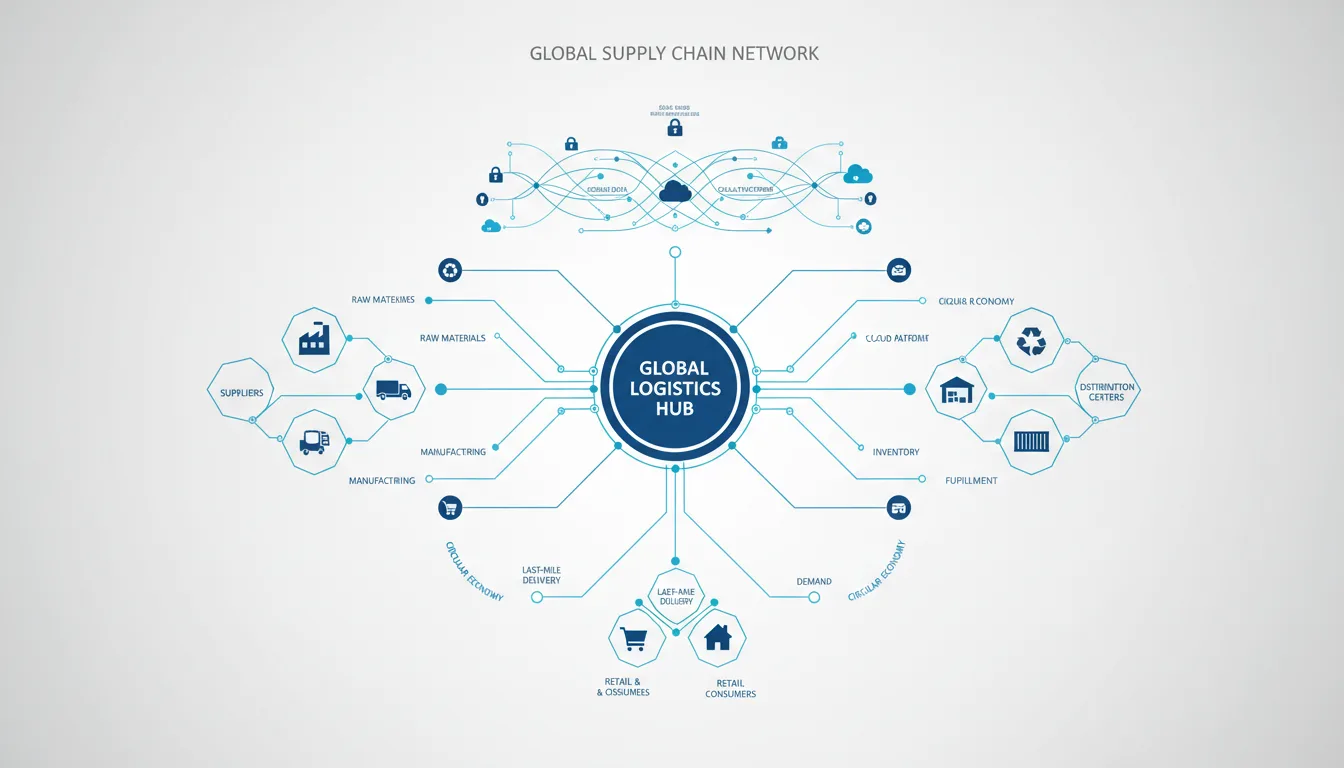
Title: Gained Prominence in Logistics and Supply Chain Management
Overview
The term "gained prominence" in the context of logistics and supply chain management refers to the rise in importance and recognition of logistics as a critical component in business operations. This shift is primarily driven by globalization, technological advancements, and an ever-increasing demand for efficiency in operations, alongside a growing need for supply chain resilience. Today, effective logistics management is vital for sustaining competitive advantage, enhancing customer satisfaction, and ensuring operational continuity in various industries.
Etymology and Origins
The concept of logistics has origins dating back to the ancient Greek and Roman armies where it referred to the management of supplies, troop movements, and strategic positioning. The word itself stems from the Greek term "logistikos" (λογιστικός), meaning 'skilled in calculating' or 'pertaining to calculation and reason'. Early military strategists, such as Sun Tzu in "The Art of War," emphasized the importance of supply lines and resource allocation for military success. The Roman Empire's sophisticated cursus publicus (public post/transport system) also demonstrates an early, large-scale logistical network.
During the early modern period, the term was primarily associated with military science. Antoine-Henri Jomini, a Swiss officer and military theorist, is often credited with coining the modern military usage of "logistics" in his 1838 work, The Art of War, defining it as "the practical art of moving armies". As commerce evolved, particularly with the advent of large-scale trade routes and industrialization, the term began to encompass the broader aspects of supply chain management, particularly in the 20th century, reflecting its growing role in business strategies.
Historical Development
Early Developments: From Military to Commerce
Logistics began to gain formal recognition during World War II, where efficient supply chain strategies became imperative for military success, involving massive coordination of matériel and personnel across continents. Companies started adopting these military principles into civilian applications post-war, marking the beginning of modern logistics practices in the late 1940s and 1950s. This period saw the emergence of "physical distribution" as a key business function, focusing on the outbound flow of goods from production to consumption. Peter Drucker's 1962 article, "The Economy's Dark Continent," highlighted the significant untapped cost savings and efficiency gains possible through improved physical distribution.
Key Figures and Milestones
- 1950s-1960s: The introduction of the Just-in-Time (JIT) inventory systems [11], pioneered by organizations implementing the Toyota Production System, set the stage for increased efficiency and the reduction of waste in supply chains. Concurrently, the development of
Material Requirements Planning (MRP)systems, exemplified by Joseph Orlicky's work at IBM, began to computerize production planning and inventory control. - 1970s: The concept of supply chain management began to emerge as a distinct discipline, with the Council of Logistics Management (CLM) playing a crucial role in formalizing the field. The energy crises of this decade further spurred companies to optimize transportation and inventory costs.
- 1980s-1990s: The development of computerized logistics systems and tools such as Electronic Data Interchange (EDI) revolutionized communication between trading partners.
Enterprise Resource Planning (ERP)systems, developed by companies like SAP and Oracle, became mainstream, integrating various business functions including logistics, finance, and manufacturing. Initiatives likeQuick Response (QR)andEfficient Consumer Response (ECR)improved retail supply chain speed and accuracy. - 2000s-Present: The rise of e-commerce, exemplified by Amazon's extensive logistics network, pushed for faster, more flexible, and customer-centric delivery. Globalization led to increasingly complex
global supply chains, makingsupply chain visibilityandresiliencecritical. This era also saw the integration of advanced analytics,Internet of Things (IoT)[20], andcloud-based WMS solutionslike SkuSavvy Mobile Warehouse Management System to manage these intricate networks.
Major Publications
Seminal works such as "Physical Distribution Management: Logistics Problems of the Firm" established early frameworks. Later, "Logistics Management and Strategy" by Alan Harrison and Remko van Hoek throughout the 1990s established foundational theories and practices that shaped modern logistics management. Michael Porter's 1985 work, "Competitive Advantage" introduced the concept of the value chain, underscoring logistics' role in firm competitiveness. Industry publications like the Logistics Management Journal and the Journal of Business Logistics serve as key resources for best practices and emerging research.
Core Concepts
Logistics encompasses various core principles, including:
- Inventory Management: Enscribing
stock replenishmentpractices to ensure product availability while minimizing excess. This involves strategies likesafety stock[22] management andABC analysis[23] to prioritize inventory control. For instance, Stock Replenishment Guide details effective inventory strategies, often leveraging Visual Inventory Management Systems for real-time visibility and accuracy through methods like cycle counting. - Transportation Management: Involves optimizing shipping routes and methods (e.g., road, rail, air, sea, intermodal transport) to reduce costs, improve service levels, and meet delivery deadlines. This often utilizes advanced route optimization software and shipping and fulfillment software.
- Order Fulfillment: The efficient processing of orders from receipt to delivery, highlighting the significance of Order Fulfillment Guide in executing effective logistics strategies. This process typically includes
picking, packing, and shipping, often managed by an Order Management System and Pick, Pack, Ship Software, extending to the criticallast-mile deliverystage.
Industry Applications
As logistics gained prominence, it found applications across various industries, including retail, manufacturing, and healthcare. For example:
- Retail: The explosion of e-commerce has made logistics a core competency. Technologies such as Mobile Order Fulfillment have transformed how retailers manage warehouse operations and customer orders, ensuring rapid and accurate delivery. Solutions like Shopify WMS specifically cater to e-commerce platforms, optimizing inventory flow from warehouse to customer.
- Manufacturing: Companies use logistics to manage complex supply chains that require precise coordination between parts suppliers and production schedules. This includes implementing lean manufacturing principles and managing intricate Bills of Material (BOM). Purchase Order Management systems are crucial for ensuring timely acquisition of raw materials and components.
- Healthcare: The logistics sector ensures timely and safe delivery of medical supplies, pharmaceuticals, and sensitive equipment. This often involves specialized
cold chain logisticsfor temperature-sensitive products and strict adherence toregulatory complianceset by bodies like the FDA.
Benefits and Advantages
The prominence of logistics translates into significant benefits:
- Cost Reduction: Streamlined logistics operations lead to decreased operational costs through effective inventory management, optimized transportation, and reduced waste.
- Enhanced Customer Satisfaction: Improved order accuracy, faster delivery times, and better visibility into shipping progress drastically enhance customer experiences, fostering loyalty.
- Competitive Edge: Companies that prioritize efficient and innovative logistics are often more adaptable to market changes, capable of offering superior service, and better positioned to respond to customer demands, thereby gaining a sustainable competitive advantage.
- Supply Chain Resilience: Robust logistics strategies build the capacity for supply chains to resist, absorb, and recover from disruptions, ensuring continuity of operations in the face of unexpected events like natural disasters or geopolitical shifts.
Challenges and Limitations
Despite its benefits, logistics management faces several challenges:
- Complexity: As global supply chains grow, managing logistics across multiple jurisdictions, diverse supplier networks, and complex regulatory environments (including
geopolitical risksandtrade protectionism) can be cumbersome. - Technology Dependence: Reliance on technology necessitates continuous updates, robust cybersecurity measures to protect against
cybersecurity threatsanddata privacy concerns, and skilled personnel, which can be a barrier for some organizations. - Sustainability: The logistics industry faces increasing pressure to reduce its carbon footprint and environmental impact. This involves adopting
green logistics initiatives, exploringcircular economy principles, and meeting stringentemissions reduction targets. - Labor Shortages and Skill Gaps: The industry often struggles with
shortages of skilled labor, particularly truck drivers, warehouse operators, and data analysts, necessitating investments in training and automation.
Best Practices
To optimize logistics operations, professionals recommend:
- Continuous Training: Ensuring that staff are trained in the latest technologies, methodologies, and safety protocols, fostering digital literacy and analytical skills.
- Investing in Technology: Adoption of systems like Visual Inventory Management System can vastly improve accuracy and efficiency. Implementing
AI-powered predictive analyticsfor demand forecasting,IoT for real-time tracking, and robustWarehouse Management Systems (WMS)are critical. Integration capabilities, often supported by developer APIs, are essential for seamless operations. - Collaborative Partnerships: Building strong relationships with suppliers, carriers, and third-party logistics (3PL) providers through
Vendor-Managed Inventory (VMI)programs and strategic alliances to foster trust, streamline operations, and enhance overall supply chain performance. - Data-Driven Decision Making: Utilizing business intelligence and analytics to gain insights from logistics data, enabling informed decisions on inventory levels, transportation routes, and operational improvements.
Future Trends
The future of logistics will likely see:
- Increased Automation: Widespread adoption of
robotics(e.g., AGVs, AMRs),automated storage and retrieval systems (AS/RS), anddrone deliveryto enhance efficiency, reduce human error, and accelerate operations in warehouses and last-mile delivery. - Sustainability Practices: A heightened focus on
green logistics initiatives, including optimizing routes to minimize fuel consumption, utilizing electric vehicles, implementingethical sourcing, and developingcircular supply chain modelsto reduce waste and enhance resource efficiency. - Artificial Intelligence (AI) and Machine Learning (ML): Utilizing AI for
predictive analytics(e.g., demand forecasting, predictive maintenance),dynamic routing, andlogistics optimization, thereby further improving service delivery and cost management. - Blockchain for Transparency: Implementing
blockchain technologyto enhance traceability, security, and transparency across complex supply chains, verifying product origin and preventing counterfeiting. - Digital Twins: Creating
virtual replicas of physical supply chainsto simulate scenarios, optimize processes, and predict outcomes before physical implementation, enabling proactive decision-making.
Related Concepts
The prominence of logistics intertwines with several sub-disciplines, such as supply chain management, inventory control, and operations management. Understanding these interconnected areas is crucial for supply chain professionals aiming to enhance overall performance.
Sources
- Mobile Warehouse Management System
- Stock Replenishment Guide
- Order Fulfillment Guide
- Visual Inventory Management System
- logistikos
- Roman Cursus Publicus
- Antoine-Henri Jomini's The Art of War
- Logistics in World War II
- Physical Distribution Management: Logistics Problems of the Firm
- The Economy's Dark Continent
- Toyota Production System
- Material Requirements Planning: The New Way to Manage Production and Inventory
- History of CSCMP
- Logistics & Supply Chain Management
- The Resilient Enterprise: Overcoming Vulnerability for Competitive Advantage
- Electronic Data Interchange (EDI)
- Enterprise Resource Planning Systems: Systems, Life Cycle, Electronic Commerce, and Risk
- Efficient Consumer Response: Enhancing Consumer Value in the Grocery Industry
- Amazon Logistics Network
- Internet of Things (IoT) in Logistics
- Competitive Advantage: Creating and Sustaining Superior Performance
- Safety Stock
- ABC Analysis for Inventory Management
- Cycle Counting Guide
- Intermodal Transport
- Route Optimization Software
- Pick, Pack, Ship Software
- Last-Mile Delivery
- Lean Manufacturing
- Bill of Material (BOM)
- Cold Chain Logistics
- FDA Regulatory Compliance for Medical Devices
- Geopolitical Risks in Supply Chains
- Trade Protectionism
- Cybersecurity Threats in Supply Chain
- Data Privacy Concerns
- Green Logistics Initiatives
- Emissions Reduction Targets
- Logistics Labor Shortages
- AI-powered Predictive Analytics
- Vendor-Managed Inventory (VMI)
- 3PL/4PL Partnerships
- Robotics in Logistics
- Drone Delivery
- Ethical Sourcing
- Dynamic Routing
- Logistics Optimization
- Blockchain for Supply Chain Transparency
- Digital Twins in Supply Chain
- Mobile Warehouse Management System
- Shipping and Fulfillment Software
- Order Management System
- Shopify WMS
- Purchase Order Management
- Developers / API