Further Advancements in Logistics and Supply Chain Management
Explore the latest advancements in logistics and supply chain management, including technology integration, sustainable practices, and data analytics.
Updated
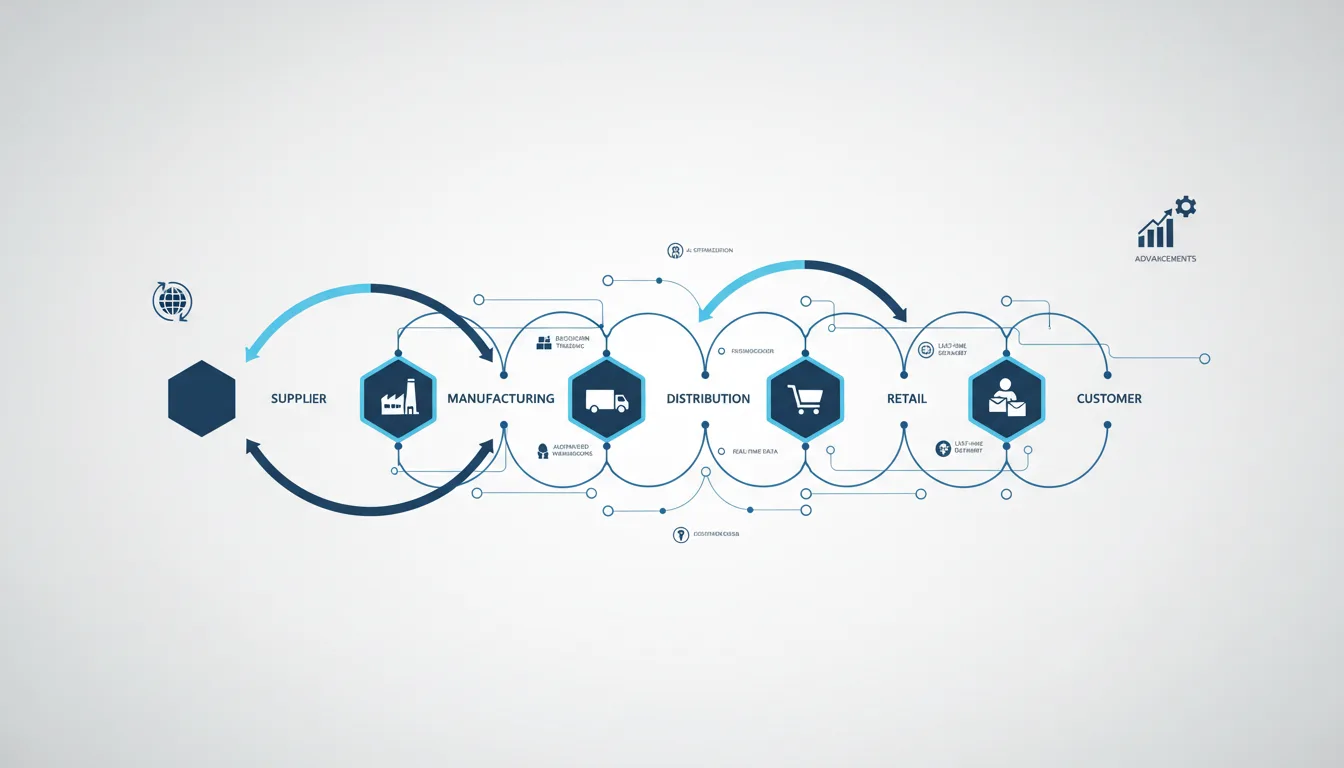
Overview
Advancements in logistics and supply chain management represent crucial developments aimed at improving efficiency, accuracy, and sustainability in operations. These enhancements are defined by the integration of new technologies, refined processes, and cutting-edge methodologies that streamline logistics operations, respond dynamically to market demands, and optimize the flow of goods, information, and funds from origin to consumption. They are essential for enhancing competitiveness, reducing operational costs, and consistently meeting evolving customer expectations in an increasingly globalized and interconnected economy.
Etymology and Origins
The term "logistics" has a rich historical lineage, originating from the ancient Greek word "logistikos" (λογιστικός), meaning "skilled in calculating or reasoning." This root term was associated with the art of computation and administration. Its modern usage began to solidify in military contexts during the 17th and 18th centuries in Europe, notably within the French military, where the term "logistique" described the art of quartering, moving, and supplying troops. Antoine-Henri Jomini's "The Art of War", published in 1838, is often cited for formalizing logistics as a critical branch of military science, distinct from tactics and strategy, focusing on the practical details of army movement and supply. Over the years, particularly post-World War II, the concept expanded beyond military applications, gradually encompassing the entire business supply chain process, including procurement, warehousing, transportation, and distribution. This evolution reflects its adaptiveness and growing recognition as a strategic function across diverse industries.
Historical Development
The evolution of logistics and supply chain management has been a dynamic journey, marked by significant technological, industrial, and theoretical milestones:
- Pre-Industrial Era (Ancient Times - 1700s): Early forms of logistics facilitated trade along routes like the Silk Road and supported vast empires, with sophisticated systems for moving goods and supplies, such as the Roman road network and the Inca postal system (Chasqui).
- Industrial Revolution (18th - 19th Centuries): The advent of steam power, canals, and later, the railway system in the 1830s dramatically improved transportation capabilities, enabling mass production and distribution. This period saw the rise of modern warehousing and the need for more coordinated supply efforts for burgeoning industries.
- Early 20th Century (1900s - 1940s): Fueled by two World Wars, military logistics saw unprecedented advancements in planning, coordination, and material handling. Pioneers like Frederick Winslow Taylor's scientific management principles began influencing industrial efficiency. The 1930s saw the development of forklift trucks and pallets, revolutionizing warehouse operations. The term "physical distribution" emerged to describe outbound logistics activities.
- Mid-20th Century (1950s - 1960s): This era witnessed groundbreaking innovations that reshaped global commerce. The introduction of container shipping in 1956 by Malcom McLean revolutionized global trade, standardizing shipping practices, dramatically reducing costs, and speeding up cargo handling. The rise of operations research and early computing also began to optimize complex logistical problems.
- Late 20th Century (1970s - 1990s):
- 1970s: The emergence of Just-in-Time (JIT) manufacturing, pioneered by the Toyota Production System, fundamentally altered inventory management, emphasizing reduced waste and increased production efficiency by minimizing inventory levels and optimizing production flow.
- 1980s: The development of Material Requirements Planning (MRP) and later Manufacturing Resource Planning (MRP II) systems, primarily led by companies like IBM, provided computerized tools for production scheduling and inventory control. This decade also saw the focus shift from individual logistics functions to the broader concept of supply chain management, aiming for end-to-end coordination.
- 1990s: The rise of the Internet and Enterprise Resource Planning (ERP) systems significantly enhanced visibility, communication, and tracking capabilities across the supply chain, fostering a more integrated approach to logistics. Key figures, such as H.F. Dickie at General Electric, introduced foundational concepts like ABC analysis in inventory management to streamline logistic processes, categorizing inventory items by value and importance. Legislative acts, such as the Freight Transportation Services Evaluation Act of 1990, aimed to foster more competitive logistics practices by deregulating certain aspects of the industry.
- 21st Century (2000s - Present):
- 2000s: Supply chain management became a recognized academic and professional discipline, focusing on strategic, end-to-end optimization rather than just operational efficiency. Globalization intensified the complexity and scope of supply chains.
- 2010s and beyond: Innovations like RFID technology (for item-level tracking), advanced data analytics, and the widespread adoption of cloud computing have begun to redefine logistics operations significantly. The increasing prevalence of e-commerce has accelerated demand for faster, more transparent, and efficient delivery models. Modern Warehouse Management Systems (WMS) have evolved from simple inventory trackers to sophisticated platforms managing complex automation and integrated processes.
Core Concepts
Today's advancements in logistics involve numerous technical concepts aimed at improving operational efficiency and strategic agility:
- Automation and Robotics: Technologies like automated guided vehicles (AGVs), autonomous mobile robots (AMRs), and Automated Storage and Retrieval Systems (AS/RS) help streamline warehouse operations by performing repetitive tasks, reducing labor costs, and increasing throughput. These systems, when integrated with a Visual Warehouse Layout, allow for optimized space utilization and workflow.
- Data Analytics and Artificial Intelligence (AI): Utilizing complex algorithms, machine learning, and AI, logistics professionals can predict demand patterns with greater accuracy, optimize inventory levels, route shipments efficiently, and identify potential disruptions before they occur. This transforms reactive logistics into a proactive, data-driven discipline.
- Blockchain Technology: Offering immutable transparency and enhanced security in transactions and supply chain records, blockchain is beginning to play a pivotal role in tracking goods, verifying authenticity, and ensuring ethical sourcing across complex, multi-party supply chains. This distributed ledger technology builds trust and reduces fraud.
- Internet of Things (IoT): Devices embedded with sensors connected to the internet provide real-time tracking and data collection on everything from environmental conditions (e.g., temperature, humidity) to asset location and equipment performance. This enables better monitoring of supply chains, predictive maintenance, and immediate response to anomalies.
- Cloud Computing: Enables scalable, flexible access to computing resources and software applications (e.g., WMS, TMS) without significant upfront infrastructure investment. This facilitates collaboration, data sharing, and allows for rapid deployment of new logistics solutions.
Industry Applications
Advancements in logistics are universally applicable and critical across various industries, each presenting unique challenges and opportunities:
- E-commerce: The backbone of modern retail, fast-paced logistics solutions are essential for meeting consumer demands for rapid delivery and seamless returns. Systems supporting order fulfillment, pick, pack, and ship software, and last-mile delivery optimization are paramount for success in this sector.
- Pharmaceuticals: Cold chain logistics advancements are crucial to ensure that temperature-sensitive medications, vaccines, and biologics are stored and transported within strict temperature parameters, preserving their efficacy and safety from manufacturing to patient delivery. Real-time IoT monitoring is often integral here.
- Automotive: Sophisticated supply chain integration maximizes just-in-time (JIT) production schedules, ensuring parts arrive precisely when needed for assembly lines, thereby reducing inventory holding costs and improving vehicle assembly efficiency. This requires robust Purchase Order Management and supplier coordination.
- Retail: Beyond e-commerce, traditional retail benefits from optimized inventory management, efficient store replenishment, and omnichannel fulfillment strategies that leverage visual inventory management systems to maintain stock levels and enhance customer experience.
- Food & Beverage: Focuses on managing perishable goods, requiring strict adherence to food safety regulations, efficient cold storage, and rapid distribution networks to minimize spoilage and waste.
Benefits and Advantages
The benefits of embracing advancements in logistics are multifaceted, contributing significantly to a company's bottom line and competitive standing:
- Increased Efficiency and Productivity: Automation reduces human labor and errors, increasing throughput and operational speed. This leads to faster order processing, improved picking accuracy, and optimized use of warehouse space, ultimately lowering operational costs (see Mobile WMS).
- Enhanced Customer Satisfaction: Faster, more reliable delivery times, improved order accuracy, and efficient returns processes lead to a better overall customer experience, fostering loyalty and positive brand perception. Real-time tracking and transparent communication are key elements.
- Greater Supply Chain Visibility and Transparency: Advanced tracking and data analytics provide end-to-end visibility, allowing businesses to monitor goods in transit, anticipate delays, and react swiftly to disruptions. This transparency builds trust among supply chain partners and with customers.
- Sustainability and Reduced Environmental Impact: Eco-friendly practices, such as reduced packaging, optimized transportation routes (leading to lower fuel consumption), and efficient waste management, decrease the environmental footprint of logistics operations. This also aligns with growing consumer demand for sustainable business practices.
- Cost Reduction: Through optimized inventory levels, reduced waste, efficient labor allocation, and minimized transportation expenses, advanced logistics directly contribute to significant cost savings across the entire supply chain.
Challenges and Limitations
While advancements provide numerous benefits, their implementation and ongoing management present several challenges:
- Integration of New Technologies: Legacy systems may hinder the adoption of advanced technologies, necessitating significant investment, complex integration efforts, and potential downtime during transitions. Compatibility issues between different software platforms (e.g., ERP, WMS, TMS) can be a major hurdle.
- Data Security and Privacy: Increasing reliance on digital systems and vast data exchange raises concerns regarding cybersecurity, data breaches, and compliance with data privacy regulations (e.g., GDPR, CCPA). Protecting sensitive information is paramount.
- Supply Chain Disruptions: Factors like natural disasters, geopolitical instability, trade wars, or global pandemics (e.g., COVID-19) can still severely affect logistics operations despite technological advancements. Building resilience and redundancy remains a critical challenge.
- Talent Gap and Workforce Training: The adoption of sophisticated technologies requires a skilled workforce capable of operating and maintaining these systems. A significant talent gap exists in areas like data science, automation engineering, and advanced logistics management, necessitating continuous training and upskilling of employees.
- High Initial Investment: The upfront costs associated with implementing automation, advanced software, and new infrastructure can be substantial, requiring careful ROI analysis and strategic financial planning.
Best Practices
To effectively implement and leverage advancements in logistics, organizations should adopt a strategic and holistic approach:
- Continuous Training and Upskilling: Invest consistently in the education and training of employees to adapt to new technologies, methodologies, and evolving industry standards. This includes technical skills for operating new systems and analytical skills for data-driven decision-making.
- Holistic Assessment of Supply Chain Efficiency: Routinely evaluate logistics processes from end-to-end using key performance indicators (KPIs) to identify bottlenecks, inefficiencies, and areas for improvement. This includes leveraging techniques like cycle counting for inventory accuracy and comprehensive supply chain audits.
- Collaborative Approaches and Partner Ecosystems: Engage in strategic partnerships and foster strong relationships along the entire supply chain, including suppliers, carriers, and technology providers. Collaboration enhances innovation, facilitates data sharing, and enables effective risk mitigation.
- Embrace Digital Transformation: Develop a clear digital strategy for logistics, prioritizing technologies that offer the greatest impact on efficiency, visibility, and customer experience. This includes integrating WMS, TMS, and OMS platforms.
- Focus on Resilience and Agility: Design supply chains to be flexible and adaptable, capable of responding quickly to disruptions. This involves diversifying supplier bases, implementing contingency plans, and leveraging predictive analytics to foresee and mitigate potential risks.
- Data-Driven Decision Making: Implement robust data collection and analytics frameworks to transform raw data into actionable insights, guiding strategic planning, operational adjustments, and continuous improvement initiatives.
Technology and Tools
Several cutting-edge technologies play a major role in improving logistics efficiency and effectiveness today:
- Warehouse Management Systems (WMS): Platforms like SkuSavvy's Mobile Warehouse Management System enhance order processing accuracy, optimize storage, manage labor, and improve overall warehouse productivity. They are central to modern fulfillment operations.
- Order Management Systems (OMS): Essential for managing the entire order lifecycle from placement to fulfillment, these systems integrate with WMS and shipping tools to ensure accurate and timely deliveries. SkuSavvy's Order Management System can streamline these processes.
- Transportation Management Systems (TMS): Software designed to plan, execute, and optimize the physical movement of goods. TMS helps in freight planning, carrier selection, route optimization, and real-time shipment tracking, often integrating with shipping and fulfillment software.
- Advanced Analytics and Business Intelligence Tools: Facilitating data-driven decision-making by providing insights into demand forecasting, inventory optimization, operational bottlenecks, and performance metrics. These tools often incorporate AI and machine learning capabilities.
- Robotics and Automation: Including Automated Guided Vehicles (AGVs), Autonomous Mobile Robots (AMRs), robotic arms for picking and packing, and AS/RS for high-density storage. These technologies enhance speed, accuracy, and safety in warehouses.
- Barcode and RFID Systems: Used for accurate item identification and tracking throughout the supply chain. While barcodes are ubiquitous, RFID offers more advanced capabilities for automated, non-line-of-sight tracking and inventory counts.
- IoT Devices: Sensors and smart devices providing real-time data on asset location, environmental conditions (e.g., temperature, humidity in cold chain), and equipment status.
Future Trends
Looking forward, logistics will continue to evolve rapidly, driven by technological innovation and shifting market demands:
- Hyper-Personalization and Customer-Centric Logistics: Expect even greater emphasis on tailored delivery options, personalized communication, and flexible fulfillment models to meet individual customer preferences.
- Sustainability and Green Logistics: Increasing pressure on companies to adopt environmentally friendly practices, including sustainable sourcing, reduced packaging, carbon-neutral transportation, and optimized reverse logistics for waste reduction and recycling. Circular economy principles will become more prominent.
- Artificial Intelligence and Machine Learning: More sophisticated AI applications will move beyond predictive analytics to prescriptive recommendations, automating complex decision-making in areas like dynamic pricing, capacity planning, and proactive risk management.
- Autonomous Vehicles and Drones: Development of autonomous delivery vehicles (trucks, vans, drones) that could revolutionize the last-mile and middle-mile delivery processes, potentially reducing labor costs and increasing delivery speed, especially in remote or challenging areas.
- Advanced Robotics and Human-Robot Collaboration: Next-generation robots will be more versatile, intelligent, and capable of working alongside human counterparts (cobots), enhancing efficiency without fully replacing human intuition and problem-solving skills.
- Digital Twins: Creating virtual models of physical supply chains, allowing for simulation, optimization, and scenario planning in a risk-free environment before implementing changes in the real world.
- Blockchain for Supply Chain Transparency: Continued adoption of blockchain to enhance traceability, combat counterfeiting, and ensure ethical sourcing from origin to consumer.
In conclusion, further advancements in logistics are not just incremental improvements but transformative shifts essential for maintaining competitiveness in a rapidly changing global marketplace. By strategically embracing new technologies, innovative practices, and a data-driven mindset, organizations can significantly enhance their supply chain operations, build resilience, and respond more effectively to evolving consumer demands and global challenges.
Sources
- Mobile WMS Overview
- Order Management System
- Shipping & Fulfillment Software
- Cycle Counting Guide
- Visual Inventory Management System
- SkuSavvy Pricing
- Supply Chain 5.0: The most important trends of 2023
- Logistics | business
- The Art of War by Antoine-Henri Jomini
- Silk Road
- What is Just-in-Time (JIT)?
- What is ABC Analysis?
- Freight Transportation Services Evaluation Act of 1990
- RFID Fixed Readers – Zebra FX9600
- Warehouse Layout Preview
- Automated Storage and Retrieval Systems (AS/RS)
- Data Analytics and Artificial Intelligence
- 5 Supply Chain Benefits of Cloud Computing
- Pick, Pack, Ship Software
- Cold Chain Logistics | WHO
- Supply Chain Integration: What is it, and why is it important?
- Purchase Order Management
- Visual Inventory Management System
- The 17 Goals | Sustainable Development
- Legacy System Definition
- What is E-commerce?
- The circular economy in detail