Fulfillment Software: An Essential Tool in Modern Logistics
Explore the vital role of fulfillment software in streamlining logistics, enhancing order management, and improving customer satisfaction.
Updated
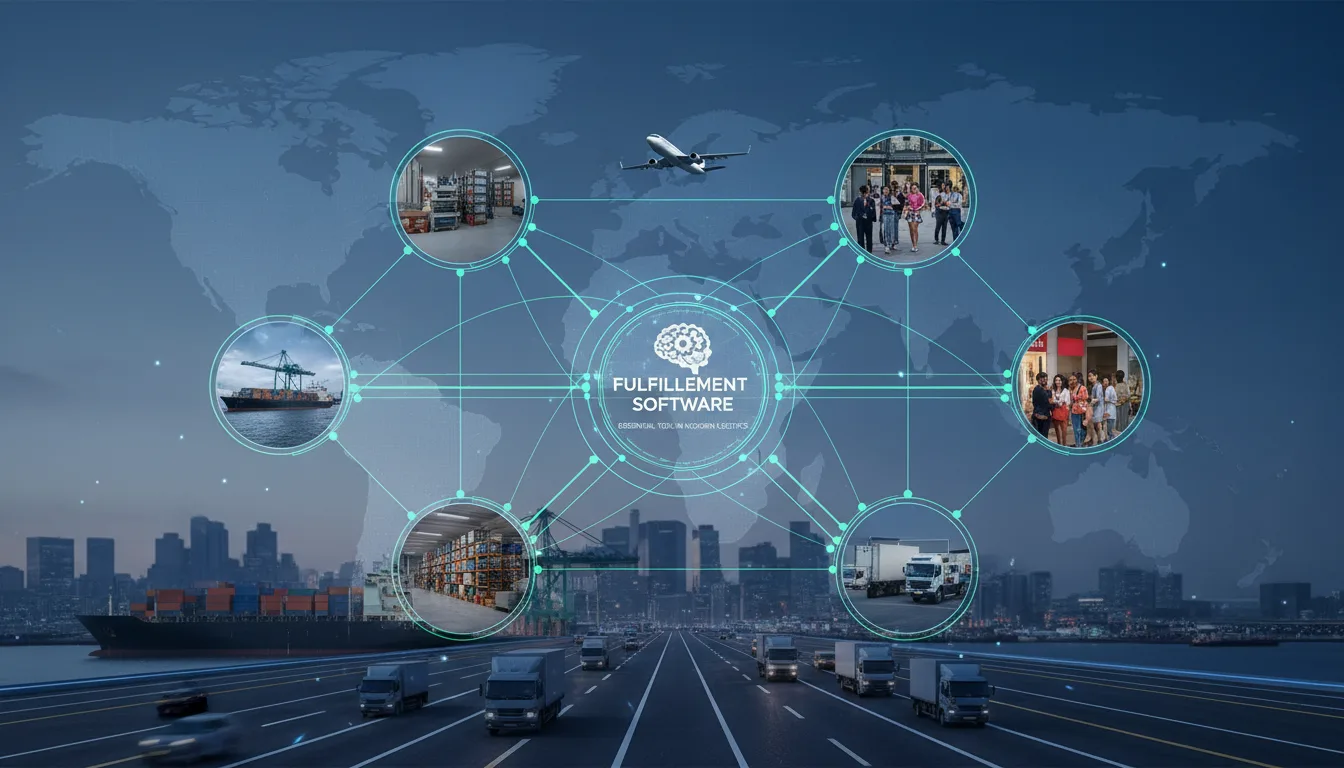
Fulfillment Software: An Essential Tool in Modern Logistics
Overview
Fulfillment software is a critical component of the logistics and supply chain management sectors. It is designed to streamline the process of order fulfillment, managing everything from order processing to shipping. Fulfillment software integrates with various systems, offering automation that enhances efficiency and minimizes errors. As e-commerce continues to grow, the importance of effective fulfillment solutions has never been more pronounced, driving operational success for businesses across industries.
Etymology and Origins
The term 'fulfillment' in logistics refers to the process of preparing and delivering products to customers. Its origins trace back to the retail sector, where managing customer orders has been a longstanding challenge. The term evolved significantly as technology advanced, particularly during the digital transformation of the late 20th century, which catalyzed the creation of automated order fulfillment systems. The first recorded usage of the term dates back to retail management literature in the early 1990s, reflecting the shift toward customer-centric business practices. Over time, as e-commerce expanded in the 2000s, the definition broadened to encompass the wider scope of logistics involved in the online buying process. This shift has made fulfillment software a necessity for businesses seeking efficiency in the competitive landscape of online commerce.
Historical Development
Early Beginnings
The concept of order fulfillment has existed since the advent of trade. However, the emergence of sophisticated fulfillment software began in the late 1990s when businesses recognized the need for automation. Specifically, the integration of warehouse management systems in the early 2000s marked a significant turning point, allowing for real-time inventory tracking and management. The evolution from manual to computerized systems helped companies optimize their inventory management and order processing.
Key Figures and Companies
One of the pioneering companies in this space was Amazon, which established its fulfillment centers in 1997. The company set the standard for rapid delivery and efficient order processing, inspiring many other retailers to invest in similar technologies. Amazon's introduction of the 'Fulfillment by Amazon' (FBA) service in 2006 further transformed the landscape, allowing third-party sellers to utilize Amazon's extensive logistics network. Other notable technology providers, such as Shopify and SkuSavvy, have since developed comprehensive shipping and fulfillment platforms tailored for various industries, further shaping the market.
Seminal Publications and Milestones
The publication of 'The Warehouse Management Handbook' in 1992 by Gwynne Richards laid the foundational concepts for modern warehouse operations and fulfillment strategies. Additionally, seminal articles in logistics journals during the late 1990s highlighted the growth of electronic commerce and its impact on order fulfillment practices. Books like 'Supply Chain Management: Strategy, Planning, and Operation' (first published in 2001) by Sunil Chopra and Peter Meindl also contributed significantly to the understanding of integrated supply chain systems, emphasizing the importance of fulfillment software in these frameworks.
Core Concepts
Fulfillment software operates as an integrated system that facilitates the order lifecycle—from order receipt, picking and packing, to shipping and tracking. The core functionalities include:
- Order Management: By utilizing an order management system, businesses can streamline order processing and ensure timely delivery.
- Inventory Control: Effective management of stock levels and locations is crucial. Fulfillment software helps manage these aspects, ensuring accurate inventory counts through features like real-time data synchronization.
- Shipping Integration: Fulfillment software often integrates with various carriers to facilitate shipping options, allowing for automated rate selection and order tracking. This integration can lead to significant cost savings and operational efficiencies.
Types and Classifications
Fulfillment software can be categorized based on deployment methods:
- On-Premise Solutions: These require local installation and maintenance but offer greater control over data and customization.
- Cloud-Based Solutions: These provide flexibility, scalability, and remote accessibility, making them popular among small to medium-sized businesses. According to a report by Grand View Research, the global cloud-based logistics market is expected to grow significantly, primarily due to the increased use of automation and data analytics in supply chain operations source.
Industry Applications
The applications of fulfillment software span multiple sectors:
- E-commerce: Online retailers benefit from integrated solutions for managing high volumes of orders efficiently. For example, Shopify merchants often utilize fulfillment software to manage their logistics seamlessly.
- Wholesale and Distribution: Businesses in this sector utilize fulfillment software to streamline their logistics, ensuring efficient inventory management and order processing.
- Manufacturing: Manufacturers leverage fulfillment solutions to manage the distribution of products to retailers effectively. Case studies show significant improvements in efficiency when manufacturers adopt specialized fulfillment software, resulting in lower operational costs and higher product throughput.
Benefits and Advantages
The adoption of fulfillment software yields numerous advantages, including:
- Increased Efficiency: Automated processes reduce manual error and speed up order processing times. Implementing fulfillment software can reduce order cycle times by up to 50%, according to industry reports. [1]
- Improved Customer Satisfaction: Accuracy and speed lead to higher customer satisfaction rates, fostering repeat business. Businesses often see a direct correlation between fulfillment accuracy and customer loyalty.
- Data-Driven Decisions: Enhanced reporting capabilities provide insights that help businesses refine their operations and forecasting strategies, allowing for proactive inventory management.
Challenges and Limitations
Despite their advantages, there are challenges associated with fulfillment software:
- Integration Complexities: Seamlessly integrating fulfillment software with existing systems can be complicated and resource-intensive. Organizations must assess their current infrastructure to ensure compatibility and smooth transitions.
- Cost Considerations: The initial investment and ongoing operational costs can be significant, especially for smaller businesses. A comprehensive ROI analysis, as highlighted in the WMS ROI Calculator, is essential for understanding potential long-term gains.
Best Practices
To maximize the benefits of fulfillment software, businesses should:
- Invest in Training: Ensure that staff are adequately trained to use the system effectively to minimize errors. Continuous training programs contribute to ongoing operational efficiency.
- Regularly Update Processes: Continuously evaluate and update fulfillment processes to leverage new features and technologies. Agile methodologies in process management can help keep systems optimized.
- Utilize Data Analytics: Use data generated by the software to inform inventory purchases and predict future demand. Companies that leverage analytics see a marked reduction in stockouts and overstocks, leading to better cash flow management.
Future Trends
The future of fulfillment software is likely to see increased integration with AI and machine learning technologies, leading to more sophisticated predictive analytics and automation capabilities. Smart fulfillment systems can predict demand surges based on historical sales data. Additionally, as consumer expectations continue to evolve, fulfillment solutions will need to adapt, pushing the boundaries of speed and efficiency in logistics operations, including tailored delivery options and innovative last-mile solutions.
Related Concepts
Fulfillment software is interconnected with various logistics concepts, including inventory management, order processing, and shipping logistics. Each of these components is vital for ensuring that the fulfillment process is seamless and efficient in meeting customer demands.