Freight Traffic Association
An overview of the Freight Traffic Association, its history, significance in logistics, and industry standards.
Updated
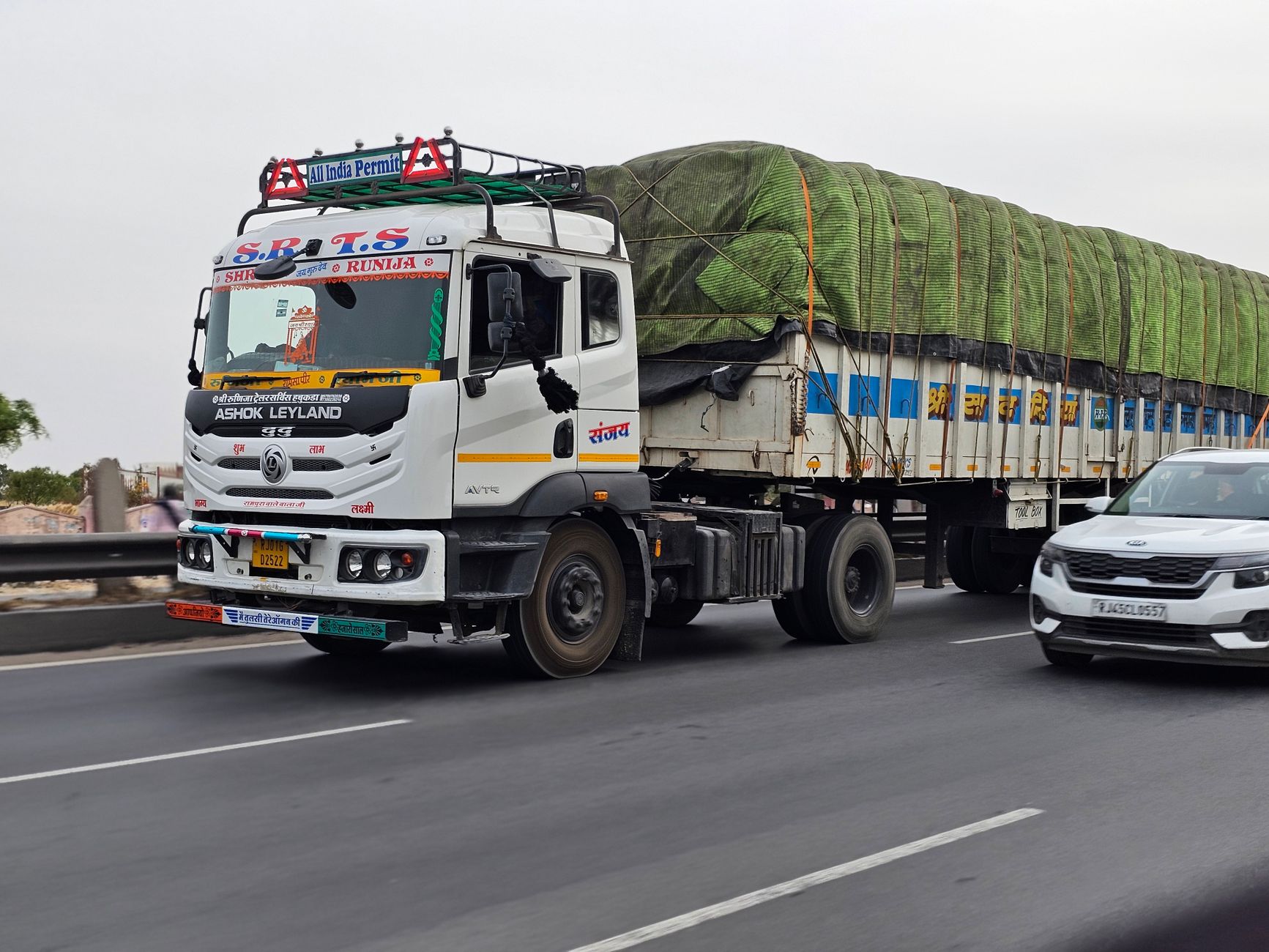
Freight Traffic Association
Overview
The Freight Traffic Association (FTA) serves as a pivotal organization in the logistics and transportation sector, focusing on the coordination and promotion of freight traffic. Established to improve efficiency and safety in freight operations, the FTA plays a crucial role in setting industry standards and facilitating international trade. Its initiatives help streamline logistics processes, enhance transportation infrastructure, and advocate for policies benefitting the freight industry.
Etymology and Origins
The term "freight traffic" refers to the movement of goods by various transport means, including rail, road, air, and sea. The origins of organized freight transport can be traced back to ancient trade routes, such as the Silk Road, that enabled early exchanges between East and West. The formal usage of the term in transportation and logistics began gaining traction in the late 19th century, particularly with the rapid industrialization in the United States and Europe, highlighting the need for improved infrastructure and coordination in moving freight. The FTA was formed in the early 20th century, evolving from these early pushes toward standardized transportation practices.
The term "freight" derives from the Middle English word freit, which means payment for the transportation of goods, and can be traced further back to Old French fret, which signifies a load or cargo. Initially, the term emphasized economic aspects of transport before integrating broader logistical meanings over time (historical context).
Historical Development
The concept of the Freight Traffic Association emerged in the 1920s, driven by the necessity to streamline freight operations for the growing industry in the United States. Key milestones in its history include:
- 1922: Formation of the FTA, initiated by transportation leaders aiming to improve freight handling and develop best practices. The founding group included prominent figures from companies like the Pennsylvania Railroad and A.T. Smith Company.
- 1950s: The introduction of the Interstate Highway System, which provided a significant boost to road freight transport, leading the FTA to adapt its guidelines accordingly. This was crucial as it connected major freight hubs and facilitated quicker transportation routes.
- 1970s-1980s: The advent of technology began to change freight operations, with paper-based logistics giving way to computerized systems – the FTA developed new protocols to incorporate these changes, initiating the movement towards electronic data interchange (EDI).
- 1990s: The emergence of the Internet commenced a revolution in freight management, prompting the FTA to embrace digital platforms for tracking and information sharing. These advancements were integral in developing systems such as the Automated Clearing House (ACH) for freight payment processing, increasing efficiency.
- 2000s onward: Continuous improvements in logistics technology, from warehouse management systems to the use of artificial intelligence and big data analytics, have redefined the operational scope of the Freight Traffic Association, leading to the development of standards that accommodate these technologies (Logistics Management Trends).
Core Concepts
The FTA emphasizes several core concepts in freight management:
- Efficiency: Streamlining transportation processes to reduce costs.
- Safety Standards: Ensuring compliance with safety regulations to protect workers and cargo.
- Sustainability: Promoting eco-friendly practices in logistics operations.
The association provides resources on best practices for logistics managers and supply chain professionals, including guidelines for order fulfillment and cross-docking.
Types and Classifications
The FTA categorizes freight traffic into several types, including:
- LTL (Less-than-Truckload) Freight: Smaller shipments that do not require a full truck, optimizing shared transport costs.
- FTL (Full Truckload) Freight: Shipments requiring the entire capacity of a truck, generally for larger volumes.
- Intermodal Freight: Utilizing multiple methods of transport (e.g., rail, truck, sea) to move goods efficiently.
Industry Applications
The application of FTA standards is widespread across industries, including:
- Manufacturing: Ensuring stable supply chains and timely delivery of components, which is particularly vital for just-in-time (JIT) manufacturing processes pioneered by companies like Toyota.
- Retail: Facilitating the distribution of products from warehouses to retailers or direct to consumers, often outlined in stock replenishment processes.
- E-Commerce: Developing enhanced fulfillment strategies to meet consumer demand in a timely manner, leveraging technologies such as mobile order fulfillment and automated sorting systems.
Benefits and Advantages
Engagement with the FTA provides numerous advantages for industry players:
- Greater operational effectiveness through established protocols.
- Enhanced safety compliance, significantly reducing accidents and losses.
- Access to industry research and innovation trends promising to improve supply chain resilience.
Challenges and Limitations
Despite its benefits, the logistics and freight industry faces challenges:
- Adapting to evolving regulations and compliance requirements, especially with the recent push towards stricter environmental laws.
- Managing costs amidst fluctuating fuel prices and economic uncertainties, affecting operational budgets deeply.
- Incorporating emerging technologies such as automation and AI while ensuring workforce retraining, as outdated practices can hinder progress (Workforce Dynamics in Logistics).
Future Trends
Looking ahead, the FTA is focusing on:
- Digital Transformation: Encouraging the adoption of technology in freight transportation, such as mobile warehouse management systems and digital freight brokers, which improve efficiency and visibility.
- Sustainability Initiatives: Shifting towards greener practices, aided by advancements in energy-efficient transport and automated rate selection.
- Globalization of Trade: Adapting its frameworks as cross-border logistics becomes increasingly complex, necessitating robust regulatory practices and compliance strategies.
Related Concepts
The FTA's activities intersect with various logistics concepts, including inventory management, supply chain efficiency, and the implementation of logistics standards. Understanding these connections can provide a holistic view of modern freight traffic operations.
Conclusion
As freight traffic continues to evolve with changing global dynamics, technology will play a pivotal role in shaping future practices. Organizations involved in freight logistics must remain agile, adopting innovations and best practices to enhance their operations in alignment with FTA standards, ultimately contributing to a more efficient and sustainable freight ecosystem.
Sources
- Freight Traffic Association
- Workflows Overview
- Order Fulfillment Guide
- Cross-Docking Guide
- Stock Replenishment Guide
- Mobile WMS Overview
- Automated Rate Selection
- Visual Inventory Management System
- Historical Context of Transport Language
- Logistics Management Trends
- Workforce Dynamics in Logistics
- Automated Clearing House (ACH)