For Sustainability in Logistics and Supply Chain Management
An in-depth exploration of sustainable practices in logistics, their origins, challenges, and the latest technologies driving sustainability in supply chains.
Updated
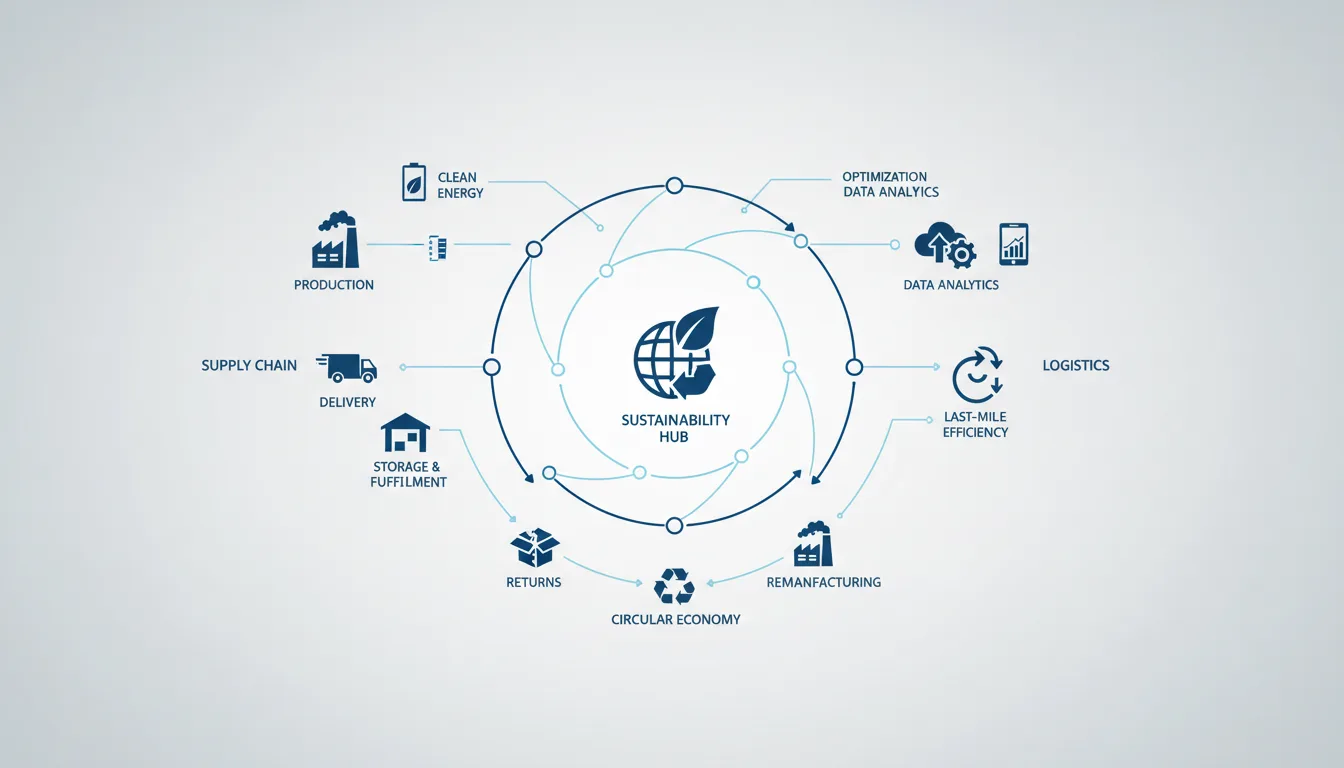
Overview
Sustainability in logistics refers to the strategies and practices aimed at minimizing the environmental impact of supply chain operations while simultaneously maximizing efficiency and economic value. The importance of sustainability in logistics has become increasingly prominent due to escalating environmental concerns, regulatory pressures, and consumer demand for eco-friendly practices. The adoption of sustainable measures not only mitigates the negative impacts of logistics operations but also promotes resource conservation and enhances corporate reputation.
Etymology and Origins
The term "sustainability" has its roots in the Latin word "sustinere," meaning to support or uphold. The first documented usage of the term in the context of environmental stewardship emerged in publications in the 1970s as awareness of environmental degradation and resource exhaustibility grew. What solidified the concept of sustainability for modern practices was the publication of the Brundtland Report in 1987 by the World Commission on Environment and Development, which was pivotal, establishing the definition of sustainable development as that which meets the needs of the present without compromising the ability of future generations to meet their own needs. Over time, the term has evolved to encompass not just ecological concerns but also economic and social dimensions.
Historical Development
The evolution of sustainability in logistics can be traced back to the late 20th century, characterized by specific movements and milestones:
- 1970s: The modern environmental movement emerged with increased awareness of pollution and resource depletion. Notable events included the establishment of Earth Day in 1970 and the first U.S. Environmental Protection Agency (EPA) formed in 1970. This decade laid the groundwork for future regulatory frameworks.
- 1987: The Brundtland Report highlighted the necessity for sustainable development in various sectors, including logistics. This marked the transition of sustainability from an idealistic concept to a societal requirement.
- 1990s: Concepts like Green Supply Chain Management (GSCM) began to surface. Companies started evaluating their supply chains for environmental compliance, with notable publications such as Environmental Management: Principles and Practice highlighting these concepts.
- 2000s: Technological advancements in tracking and monitoring tools, such as RFID, allowed companies to collect data that facilitated sustainable practices. The introduction of automated systems significantly reduced waste and improved efficiency.
- 2010s: The rise of e-commerce led to increased innovation in logistics, demanding sustainable approaches to delivery solutions, such as optimizing last-mile deliveries to reduce carbon emissions.
Core Concepts
Sustainability in logistics encompasses various core concepts, including:
- Resource Efficiency: Optimizing the use of resources (materials, energy, etc.) to minimize waste. For example, energy-efficient warehouse designs can drastically cut energy costs while lowering environmental impact.
- Carbon Footprint Monitoring: Measuring greenhouse gas emissions throughout supply chain operations to identify reduction opportunities, which can be supported by software solutions for real-time tracking.
- Reverse Logistics: The process of returning goods from consumers back to manufacturers for reuse or recycling, closing the loop in the supply chain, as illustrated by various successful recycling initiatives across industries.
Industry Applications
Sustainable practices in logistics are applicable across various industries:
- Retail: Companies like Walmart are increasingly shifting toward renewable energy sources by implementing solar panels in their distribution centers. The company has committed to being supplied by 100% renewable energy.
- Food and Beverage: Companies use sustainable packaging and establish shorter supply chains to reduce their carbon footprint. For instance, Unilever has committed to making all of its plastic packaging recyclable, reusable, or compostable by 2025.
- Consumer Electronics: Brands are adopting take-back programs for recycling electronics, exemplified by Apple’s recycling initiative, where users can return old devices to be refurbished or recycled, contributing to a circular economy.
Benefits and Advantages
Implementing sustainable practices offers numerous advantages, including:
- Cost Savings: Improved efficiency often leads to reduced operational costs. Research indicates that companies can save up to 30% on logistics costs through sustainable practices.
- Market Differentiation: Companies that embrace sustainability often enjoy a positive brand image, attracting a conscientious consumer base, illustrated by Patagonia's commitment to environmentally friendly practices.
- Regulatory Compliance: Being compliant with sustainability regulations can prevent costly fines and enhance business viability, leading to a more resilient overall operation.
Challenges and Limitations
Despite the numerous benefits, sustainability initiatives face several challenges, such as:
- High Initial Costs: Transitioning to sustainable technologies can involve significant upfront investments, with estimates suggesting that the upfront costs can be a barrier for small and medium enterprises.
- Supply Chain Complexity: Coordinating sustainability across multiple suppliers and layers of the supply chain can be logistically challenging, necessitating clear communication and robust management systems.
- Consumer Skepticism: Some consumers may be doubtful of sustainability claims, necessitating transparency and accountability in claims to build trust.
Technology and Tools
Modern technology plays a crucial role in driving sustainability in logistics:
- Warehouse Management Systems (WMS) can enhance efficiency and reduce waste. For instance, the Mobile WMS Overview outlines how mobile systems can streamline operations and lead to significant reductions in energy use.
- Data Analytics: Tools that analyze supply chain activities help businesses identify areas for improvement, with many companies now adopting automated rate selection to optimize shipping costs while reducing emissions.
Future Trends
The logistics sector is likely to see several emerging trends focused on sustainability:
- Green Logistics: Continued adoption of eco-friendly products and practices, including electric transportation options.
- Electric Vehicles: Increased use of electric trucks for shipping to minimize carbon emissions, with companies like DHL committing to a fully electric fleet.
- Blockchain Technology: This technology could enhance transparency and traceability in sustainable practices, ensuring that sustainability claims are verified.
- Circular Economies: Moving towards a model that promotes recycling and reusing materials within logistics operations, supported by companies' commitments to environmental responsibility.
Related Concepts
The topic of sustainability in logistics is intricately linked to various other concepts, including ethical sourcing, corporate social responsibility (CSR), and business continuity planning. Each of these areas contributes to the broader goal of developing a sustainable and responsible supply chain.
In conclusion, sustainability in logistics is not just a trend but a necessity driven by ecological, economic, and consumer factors. By adopting sustainable practices, logistics professionals can contribute to a healthier planet and a more prosperous future.
Sources
- Mobile Warehouse Management System Overview
- Automated Rate Selection Guide
- The Role of Technology in Sustainable Logistics
- The History of Sustainability and Environmental Practices
- The Importance of Sustainability in Logistics
- Walmart Sustainability Initiatives
- Unilever Sustainable Packaging Goals
- Apple’s Recycling Initiative