Food-Grade Warehousing (FSMA)
Food-grade warehousing is crucial for ensuring food safety and compliance with the Food Safety Modernization Act (FSMA). This article explores core concepts, industry applications, and best practices.
Updated
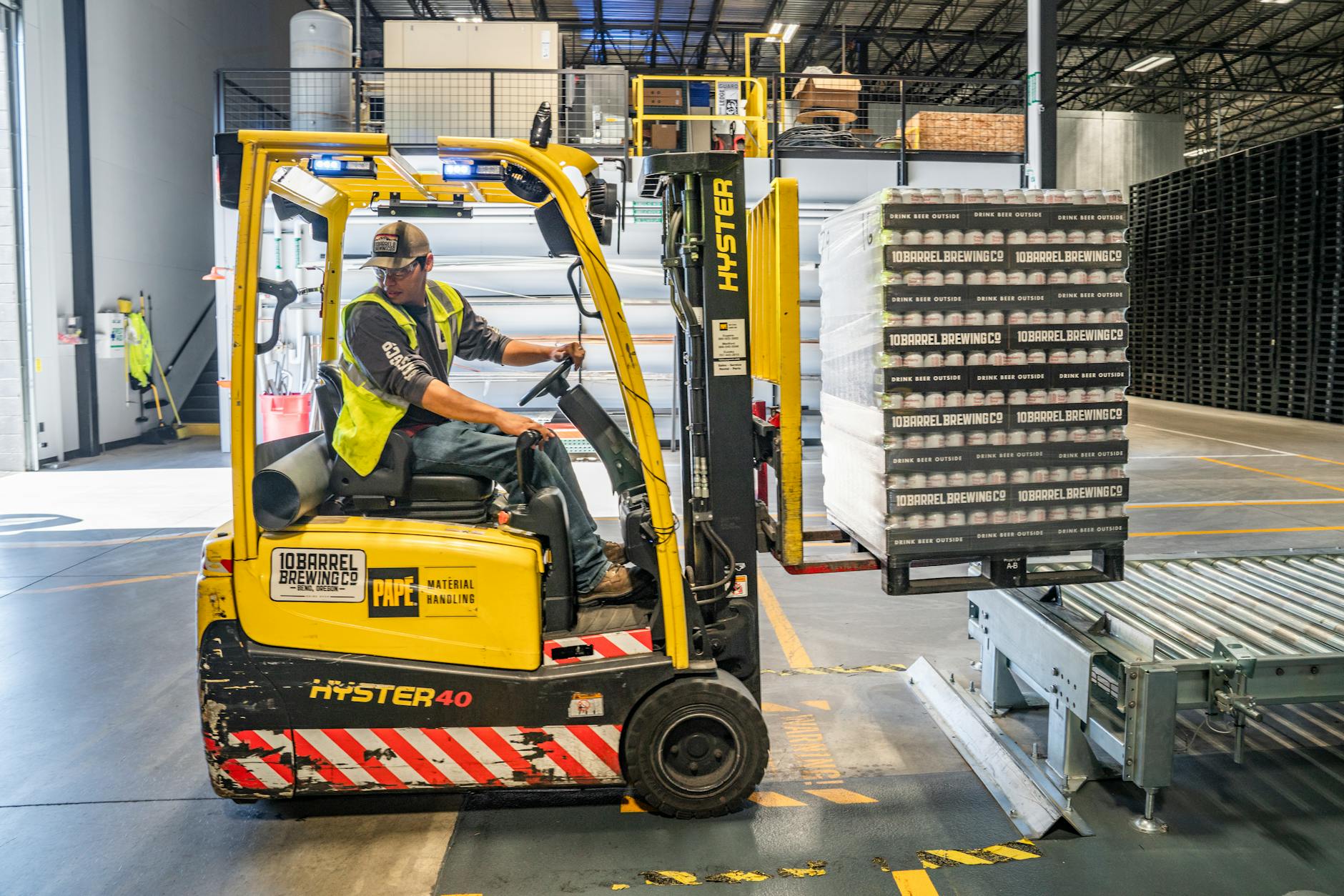
Overview
Food-grade warehousing refers to storage facilities that comply with strict safety and hygiene standards necessary for handling food products. These warehouses play a crucial role in the food supply chain, ensuring that food is stored, handled, and transported in a manner that prevents contamination and ensures food safety. The Food Safety Modernization Act (FSMA) emphasizes preventive measures across the food supply chain, impacting how warehouses must operate and necessitating a proactive approach to food safety.
Etymology and Origins
The term 'food-grade' specifically denotes materials, environments, and practices deemed safe and appropriate for contact with food products, ensuring they do not impart toxic substances or undesirable characteristics. Its linguistic roots are straightforward: 'food' referring to edible substances and 'grade' indicating a level of quality, standard, or suitability. The concept itself is deeply intertwined with public health and regulatory efforts. While rudimentary food preservation practices, like salting and smoking, date back millennia [6], the formalization of "food-grade" standards began in earnest during the late 19th and early 20th centuries.
Early industrialization led to increased concerns about food adulteration and contamination, prompting consumer protection movements and the nascent stages of food regulation. The term gained prominence as scientific understanding of microbiology and toxicology advanced, allowing for the establishment of quantifiable safety criteria for materials, equipment, and storage environments [8]. This shift from simply "safe for consumption" to proactively preventing contamination through specified standards marked the genesis of the modern food-grade concept, leading to the development of dedicated food storage facilities to meet these evolving requirements.
Historical Development
Early Beginnings
Long before structured regulations, societies employed various methods to preserve food, including salting, drying, fermentation, and smoking, often storing them in caves, cellars, or specialized granaries [6]. The Industrial Revolution, however, introduced new complexities, with food often processed and transported over longer distances, leading to increased instances of adulteration and contamination. This era spurred the first significant legislative responses. The Pure Food and Drug Act of 1906 in the United States, largely a reaction to Upton Sinclair's exposé "The Jungle" [9], marked a pivotal moment, focusing on preventing misbranding and adulteration of food and drugs. While not directly addressing warehousing, it laid the groundwork for regulating the entire food supply chain.
Mid-20th Century Advancements
In 1938, the Federal Food, Drug, and Cosmetic Act (FD&C Act) significantly expanded federal authority, introducing greater controls over food additives and setting standards for sanitary conditions in food production and handling [10]. Post-World War II, with advancements in refrigeration technology and the expansion of the cold chain, the need for specialized temperature-controlled storage facilities grew. The 1950s and 60s saw the emergence of dedicated refrigerated warehouses and the development of rudimentary inventory control systems to manage perishable goods.
Major Milestones
- 1970s: Growing awareness of foodborne illnesses and increased scientific understanding of pathogens led to more detailed guidelines for food handling and storage. This period saw the development of Good Manufacturing Practices (GMPs) in various sectors, which included provisions for storage and distribution [12].
- 1980s-1990s: The HACCP (Hazard Analysis Critical Control Points) system, originally developed by NASA for astronaut food safety in the 1960s, was adopted by the food industry in the 1980s and mandated for certain food categories (e.g., seafood, juice, meat, poultry) by the 1990s [13]. HACCP provided a preventative, systematic approach to food safety, directly influencing warehouse design, operational procedures, and risk management. This framework established critical control points within the warehousing process, such as temperature monitoring and cross-contamination prevention.
- 2000s: Heightened concerns over food security, bioterrorism, and globalized supply chains further pushed for more robust regulatory frameworks, emphasizing supply chain transparency and traceability.
- 2011: The introduction of the Food Safety Modernization Act (FSMA) was a landmark legislative shift, moving the focus from reacting to contamination to proactively preventing it. FSMA mandated comprehensive, science-based preventive controls across the entire food supply chain, including significantly more stringent safety protocols for food storage and handling [14]. This act directly reinforced the need for dedicated food-grade warehousing and related compliance methods, requiring facilities to identify and mitigate hazards, establish traceability, and undergo regular inspections.
Technological Evolution
The evolution from manual ledger systems to computerized inventory management in the late 20th century, and now to advanced Warehouse Management Systems (WMS) leveraging IoT and AI, has been critical. Early temperature monitoring was manual; today, automated systems provide real-time data and alerts, crucial for perishable food products and maintaining compliance.
Core Concepts
Food-grade warehousing encompasses several essential elements, designed to create a controlled environment that protects food products from contamination, spoilage, and degradation:
- Hygiene Standards: Facilities must meet stringent cleanliness criteria, including robust sanitation programs for equipment, premises, and personnel. Regular inspections, internal audits, and external certifications are critical to demonstrating compliance. This also includes strict pest control measures and allergen management protocols.
- Temperature and Environmental Control: Many food products require specific temperature, humidity, and even light conditions for storage to prevent spoilage and pathogen growth. Warehouses often employ sophisticated environmental monitoring systems integrated with modern WMS platforms to ensure continuous compliance and provide real-time alerts. This includes refrigeration, freezing, and controlled ambient storage zones.
- Inventory Management & Traceability: Proper tracking of food lots, expiration dates, and batch numbers is paramount for product integrity and efficient recall capabilities. Implementing First-In, First-Out (FIFO) or First-Expired, First-Out (FEFO) principles is crucial for managing perishable goods. A visual inventory management system and robust lot and expiration date tracking facilitate efficient inventory oversight, reduce waste, and enable rapid traceability in case of a recall.
- Pest Control and Sanitation: Comprehensive integrated pest management (IPM) programs are essential to prevent infestation by insects, rodents, and birds. This involves regular monitoring, exclusion methods, sanitation practices, and, only if necessary, targeted pesticide application. Sanitation schedules and procedures must be rigorously followed and documented [15].
- Cross-Contamination Prevention: Strict protocols are in place to prevent the transfer of harmful microorganisms or allergens between different food products or from non-food sources. This includes segregation of raw and finished products, proper cleaning of shared equipment, and designated storage areas for allergens.
Types and Classifications
Food-grade warehouses can be classified based on various criteria, primarily dictated by the specific storage requirements of the food products:
- Climate-Controlled Warehouses (Cold Storage): These facilities are designed for perishable items requiring precise temperature and humidity ranges. They include:
- Refrigerated storage: Typically maintained between 0°C and 7°C (32°F and 45°F) for fresh produce, dairy, and some processed foods.
- Frozen storage: Maintained below -18°C (0°F) for frozen meats, vegetables, and ready meals. These facilities often utilize specialized material handling equipment designed for cold environments and advanced insulation.
- Ambient Warehouses: Suitable for dry, non-perishable foods such as canned goods, grains, pasta, and packaged snacks that do not require temperature control. However, these still demand strict control over humidity, ventilation, and robust pest prevention.
- Specialty Warehouses: These cater to specific market niches or certifications:
- Organic Certified Warehouses: Adhere to strict USDA Organic or equivalent international standards, requiring segregation from non-organic products and specific cleaning protocols.
- Hazardous Material Storage: For ingredients that might be considered hazardous (e.g., certain chemicals for food processing or cleaning agents), requiring separate, compliant storage away from food products.
- Allergen-Controlled Facilities: Designed to handle specific major allergens (e.g., nuts, gluten, dairy) with stringent segregation, dedicated equipment, and specialized cleaning to prevent cross-contact.
Industry Applications
Food-grade warehousing is critical and indispensable in various sectors of the food industry, ensuring safety and quality throughout the supply chain, including:
- Food Manufacturing and Processing: Raw ingredients and finished products are stored before and after processing, ensuring compliance from farm to fork. Manufacturers often use purchase order management systems to track incoming raw materials and manage supplier compliance.
- Restaurants and Food Service: Central kitchens, catering companies, and large restaurant chains rely on food-grade storage and distribution centers to maintain the safety and quality of ingredients and prepared meals before distribution to individual outlets.
- Retail Grocery Chains: Large distribution centers act as critical hubs, supplying supermarkets and convenience stores with both perishable and non-perishable goods. Efficient stock replenishment strategies and bin putaway criteria are vital here to manage diverse product categories.
- Third-Party Logistics (3PLs) Providers: Many food companies outsource their warehousing and distribution needs to 3PLs that specialize in food-grade storage, offering expertise in compliance, cold chain management, and extensive distribution networks.
- E-commerce and Meal Kit Services: The rapid growth of online food sales necessitates robust food-grade micro-fulfillment centers and last-mile delivery solutions to maintain product integrity and freshness for direct-to-consumer models.
Benefits and Advantages
Implementing and maintaining food-grade warehousing offers a multitude of strategic and operational advantages:
- Regulatory Compliance and Risk Mitigation: Adhering to FSMA regulations and other food safety standards (e.g., HACCP, GFSI schemes) mitigates the significant risk of legal penalties, product recalls, liability claims, and business interruption. Proactive compliance is demonstrably less costly than reactive crisis management [16].
- Enhanced Consumer Confidence and Brand Reputation: Transparent and rigorous food safety practices build trust with consumers, fostering loyalty and protecting a brand's reputation, which can be severely damaged by a single food safety incident. It signifies a commitment to quality and safety.
- Reduced Waste and Spoilage: Efficient inventory management practices, including First-Expired, First-Out (FEFO) and precise environmental controls, significantly reduce product spoilage, shrinkage, and associated financial losses. This directly contributes to improved profitability and ROI.
- Operational Efficiency: Streamlined processes, often facilitated by advanced WMS, lead to faster inventory turns, optimized storage utilization, more accurate order fulfillment, and reduced labor costs.
- Market Access and Competitive Advantage: Demonstrating adherence to high food safety standards and possessing relevant certifications can be a prerequisite for market entry (e.g., supplying major retailers) and opens doors to new customers and partnerships, acting as a key differentiator in a competitive landscape.
Challenges and Limitations
Despite the clear benefits, establishing and maintaining food-grade warehousing presents several significant challenges:
- Regulatory Complexity and Evolution: Keeping abreast of and complying with ever-evolving federal, state, and local guidelines (e.g., FSMA, USDA regulations, state health codes) can be resource-intensive and require continuous monitoring and interpretation of complex legal texts.
- High Cost of Implementation and Maintenance: Upgrading existing facilities or building new ones to meet stringent food-grade standards requires significant capital investment in specialized infrastructure (e.g., high-performance refrigeration systems, seamless sanitary surfaces, advanced pest control barriers), specialized equipment, and ongoing maintenance. Energy consumption for cold storage is particularly high.
- Specialized Training Requirements: Staff must be thoroughly trained not only in general warehouse operations but also in specific food safety practices, personal hygiene protocols, HACCP principles, allergen management, and emergency recall procedures. This increases operational overheads and demands continuous training programs and documentation [17].
- Energy Consumption and Sustainability: Climate-controlled warehouses, particularly frozen storage facilities, are highly energy-intensive, leading to significant operating costs and growing environmental impact concerns, pushing for more sustainable solutions.
- Supply Chain Visibility and Traceability: Achieving end-to-end traceability across a complex, often global, food supply chain, from raw material sourcing to consumer, remains a significant challenge, especially for multi-ingredient products. This often requires deep integration with upstream and downstream partners.
- Product Integrity and Shelf-Life Management: Managing a diverse range of food products with varying shelf lives, specific handling requirements, and temperature sensitivities demands sophisticated inventory systems and vigilant monitoring to prevent spoilage and ensure freshness.
Best Practices
To effectively manage food-grade warehousing operations and ensure uncompromised food safety, adherence to a comprehensive set of best practices is essential:
- Implement a Robust Food Safety Management System: Adopt a certified system like HACCP (Hazard Analysis Critical Control Points) or a Global Food Safety Initiative (GFSI) recognized scheme (e.g., SQF, BRCGS). This involves identifying critical control points (CCPs), establishing critical limits, monitoring procedures, corrective actions, verification, and meticulous record-keeping [18].
- Comprehensive Employee Training Programs: Conduct regular, mandatory training sessions for all employees (including temporary staff) on food safety protocols, personal hygiene, sanitation procedures, allergen awareness, pest control, and proper handling of specific food types. Training should be documented, regularly refreshed, and assessed for effectiveness [17].
- Advanced Technology Adoption: Leverage Warehouse Management Systems (WMS) with integrated modules for lot and expiration date tracking, real-time temperature monitoring, and robust recall management. Employ IoT sensors for real-time environmental monitoring and automated alerts. Visual inventory management systems enhance oversight, accuracy, and operational flow, particularly when adding inventory.
- Strict Sanitation and Pest Control: Develop and strictly adhere to a master sanitation schedule. Implement an Integrated Pest Management (IPM) program that focuses on prevention through facility design, maintenance, exclusion, and regular inspection, minimizing reliance on chemical treatments.
- Controlled Access and Security: Implement strict access control measures to prevent unauthorized entry and maintain biosecurity. This includes visitor logs, security cameras, defined entry/exit procedures, and employee identification systems.
- Effective Recall and Traceability Systems: Maintain detailed electronic and physical records for every product, enabling rapid forward and backward traceability in the event of a recall. Regularly test recall procedures with mock exercises to ensure readiness. This includes robust inventory tracking and order fulfillment processes.
- Dedicated Receiving and Shipping Zones: Implement physically separated or clearly demarcated areas for receiving and shipping to minimize the risk of cross-contamination and help maintain product integrity. Implement thorough inspection protocols for incoming goods and outbound shipments.
- Regular Audits and Certifications: Conduct internal audits frequently and pursue third-party certifications (e.g., GFSI, AIB) to demonstrate compliance and drive continuous improvement.
Future Trends
As consumer awareness of food safety issues increases and technology continues to advance, food-grade warehousing is expected to evolve significantly:
- Hyper-Automation and Robotics: Increased deployment of robotics for picking, packing, and sorting in climate-controlled environments, reducing human contact and improving efficiency. Automated Guided Vehicles (AGVs) and Autonomous Mobile Robots (AMRs) are becoming more common for internal transport.
- Blockchain for Enhanced Traceability: The use of blockchain technology to create immutable, transparent records for every step of a food product's journey, offering unparalleled traceability and trust from farm to consumer. This aligns with FSMA 204 requirements for enhanced recordkeeping.
- Predictive Analytics and AI: Integration of artificial intelligence (AI) and machine learning for advanced demand forecasting, optimized inventory placement, predictive maintenance of refrigeration units, and early detection of potential supply chain disruptions or contamination risks [19]. This can aid in implementing automated purchase quantity recommendations.
- Sustainable and Green Warehousing: Growing focus on energy efficiency, waste reduction, and sustainable building materials in warehouse design and operation, particularly given the high energy consumption of cold storage facilities. This includes solar power, advanced insulation, and intelligent HVAC systems.
- Increased Focus on Food Defense: Beyond food safety, an emphasis on "food defense" — protecting the food supply from intentional adulteration or sabotage — will lead to more robust security measures, threat assessment protocols, and training for all personnel.
- Micro-Fulfillment Centers: As e-commerce continues to grow, smaller, strategically located micro-fulfillment centers will become more prevalent, requiring compact yet highly compliant food-grade storage solutions closer to urban consumers for rapid delivery.
Related Concepts
Food-grade warehousing is closely linked to several other critical concepts within logistics and supply chain management:
- Supply Chain Management: Coordinating food safety standards, logistics, and information flow throughout the entire supply chain, from raw material sourcing to final delivery, ensuring continuity of compliance and visibility.
- Cold Chain Logistics: A specialized subset of supply chain management focused on maintaining a temperature-controlled environment for perishable goods from the point of origin to the point of consumption, critical for refrigerated and frozen food-grade products.
- Inventory Control Systems: Utilizing technology, such as advanced WMS and visual inventory management, to manage food storage effectively, minimize spoilage, implement FIFO/FEFO, and facilitate accurate cycle counting.
- Food Quality Assurance: Encompassing all activities and processes designed to ensure that products consistently meet defined safety and quality standards before reaching consumers, with warehousing being a crucial control point.
- Hazard Analysis and Critical Control Points (HACCP): A systematic, preventive approach to food safety from biological, chemical, and physical hazards in production processes. Its principles are foundational to food-grade warehousing operations and risk management.
- Traceability: The ability to track food products through all stages of production, processing, and distribution, which is a core requirement of FSMA and critical for rapid recall management.
Sources
- Food Safety Modernization Act
- Hazard Analysis Critical Control Points
- Mobile Warehouse Management System Overview
- Visual Inventory Management System
- Order Management System
- Food Preservation Methods
- Consumer Protection
- The Shocking History of Food Adulteration
- The Pure Food and Drug Act of 1906 and The Meat Inspection Act of 1906
- The Jungle by Upton Sinclair
- Federal Food, Drug, and Cosmetic Act (FD&C Act)
- Good Manufacturing Practices (GMP) for Food and Dietary Supplements
- History of HACCP
- FSMA Final Rule on Sanitary Transportation of Human and Animal Food
- Warehouse Temperature Monitoring: What You Need to Know
- Integrated Pest Management (IPM) Principles
- The Cost of a Food Recall: A Wake-Up Call for Supply Chains
- Food Safety Training: A Critical Component of HACCP
- Cold Chain Logistics: Leveraging IoT sensors for real-time tracking
- Traceability for Food: Section 204 of FSMA
- Robotics in the warehouse: 2023 trends
- Blockchain in the Food Supply Chain: A Brief Overview
- Artificial Intelligence in Supply Chain Management: An Overview
- Micro-fulfillment centers rise to meet surge in e-commerce grocery demand
- Material Handling Equipment
- USDA Organic Standards
- History of Cold Chain Logistics
- Supply Chain Transparency and Food Safety
- Food Supply Chain Safety
- SkuSavvy Lots & Expiration Dates
- SkuSavvy Purchase Order Management
- SkuSavvy Stock Replenishment Guide
- SkuSavvy How to Calculate ROI on Shopify Inventory Management App
- SkuSavvy Add Inventory Guide
- SkuSavvy Automated Purchase Quantity
- SkuSavvy Cycle Counting Guide
- SkuSavvy Bin Put-Away Criteria