Finite Capacity Planning
Finite Capacity Planning (FCP) balances production schedules with limited resource capabilities in supply chains to optimize efficiency.
Updated
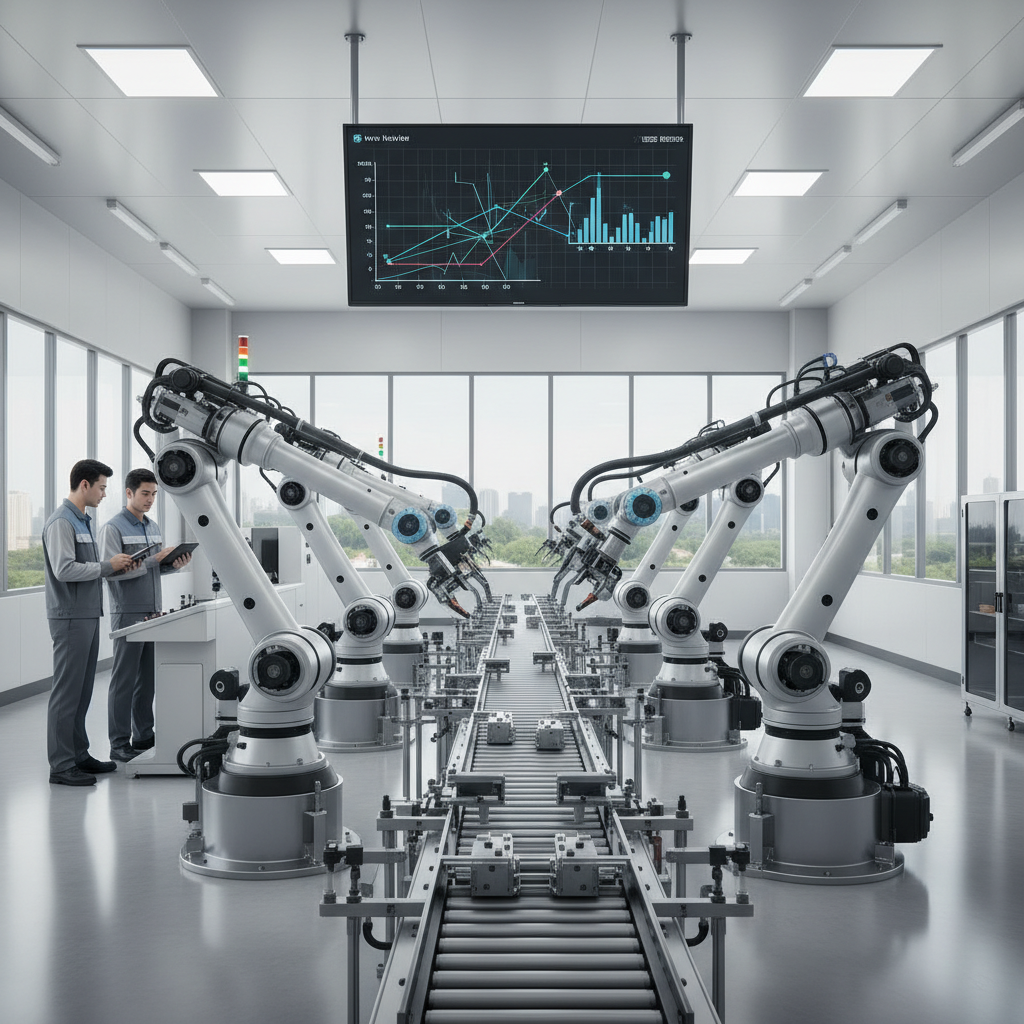
Finite Capacity Planning
Overview
Finite Capacity Planning (FCP) is a critical method in supply chain management that aims to synchronize production schedules with the actual available capacity of resources, such as machinery, labor, tools, and storage space. Unlike infinite capacity planning which assumes unlimited resources, FCP acknowledges the real-world constraints faced by organizations. The purpose of FCP is to ensure that production meets demand without overloading resources, which can lead to inefficiencies, costly delays, increased operational costs, and compromised product quality. FCP plays a significant role in optimizing operations, particularly in environments where resource limitations are prevalent and efficient resource utilization is paramount for profitability and competitiveness.
Etymology and Origins
The term "Finite Capacity Planning" emerged prominently in the manufacturing sector, particularly during the 1970s and 1980s, as companies began adopting more sophisticated computerized scheduling and planning practices beyond simple Material Requirements Planning (MRP) systems. Early industrial engineers and operations researchers recognized the fundamental limitations of expecting infinite resources, prompting a necessary shift toward managing production within tangible physical and temporal constraints. The linguistic roots of the term can be traced back to the combination of 'finite', meaning limited or bounded, and 'capacity', referring to the maximum output or throughput that can be achieved with a given set of resources over a specific period [1].
This conceptualization built upon earlier work in operations research and production scheduling, which had long dealt with resource allocation problems. The advent of affordable computing power made it feasible to move beyond manual scheduling boards and spreadsheets to model these complex interdependencies. The term has since evolved to encompass various methodologies aimed at optimizing production and operational workflows based on these real-world limitations, becoming a cornerstone of modern manufacturing and logistics planning.
Historical Development
The evolution of FCP is deeply intertwined with the broader history of manufacturing planning and control systems, characterized by several key milestones:
- Pre-1960s: Manual Scheduling: Before the advent of computers, production planning largely relied on manual methods such as Gantt charts and scheduling boards. These rudimentary tools could represent resource allocation but struggled with complexity and rapid recalculation for dynamic environments.
- 1960s: Material Requirements Planning (MRP): The introduction of Material Requirements Planning (MRP) revolutionized material procurement by calculating component needs based on a master production schedule. However, initial MRP systems often operated on an infinite capacity assumption, meaning they would schedule production without checking if the necessary machinery or labor were actually available [2].
- 1917s-1980s: MRP II and the Rise of Capacity Planning: As the limitations of basic MRP became apparent, it evolved into Manufacturing Resource Planning (MRP II). MRP II began to integrate capacity planning modules, allowing for rough-cut capacity checks and basic load leveling. This period saw a growing understanding that materials alone weren't enough; the capacity to process them was equally critical. Seminal works like Eliyahu M. Goldratt's The Goal (1984) popularized the Theory of Constraints (TOC), emphasizing the identification and management of bottlenecks as the key to improving overall system throughput, which directly informed finite capacity thinking [3].
- 1984: The seminal textbook Production and Operations Management by Steven Nahmias detailed principles of finite capacity alongside other production strategies, advocating for dynamic adjustment of schedules based on actual capacity, moving beyond theoretical infinite resource models.
- 1990s: Enterprise Resource Planning (ERP): Advancements in enterprise resource planning (ERP) systems began to integrate FCP functionalities more robustly. Companies like SAP (with its APO - Advanced Planner and Optimizer module) and Oracle introduced comprehensive modules focused explicitly on detailed scheduling and capacity planning, allowing for real-time adjustments and greater visibility into production capabilities across the enterprise.
- 2000s and Beyond: Advanced Planning Systems (APS) & Digital Transformation: The rise of specialized Advanced Planning and Scheduling (APS) systems, often working alongside ERPs, further refined finite capacity planning techniques. These systems leverage sophisticated algorithms for simulation, optimization, and real-time data integration. Lean Manufacturing principles began to mesh with FCP, emphasizing efficiency, waste reduction, and responsiveness. The ongoing digital transformation, incorporating technologies like AI, Machine Learning, and IoT, continues to enhance the precision and adaptability of FCP.
Core Concepts
Finite Capacity Planning revolves around balancing the resources of an organization with its production needs. It's a pragmatic approach to scheduling that respects the tangible limits of an operation. Key aspects include:
- Resource Constraints: This involves a detailed understanding of the limits of all available resources – not just machinery, but also the workforce (skills, availability, shifts, breaks, productivity), tools, jigs, raw materials, energy, and even storage space. It considers both optimal performance capacity and planned downtime for maintenance or training. Understanding the fixed (e.g., number of machines) versus variable (e.g., overtime labor) nature of capacity is crucial.
- Planning Horizon: Determining short-term versus long-term planning needs. Short-term FCP focuses on immediate operational schedules (days to weeks), optimizing resource allocation for current orders. Medium-term planning (weeks to months) might involve aggregate capacity decisions, while long-term planning (months to years) looks at strategic capacity expansion or reduction.
- Demand Variability: Adjusting capacity plans based on fluctuating customer demands, market trends, and seasonal peaks to avoid bottlenecks, delays, or excessive work-in-process (WIP). Forecasting techniques are often employed to predict demand more accurately, and FCP allows for scenario planning to adapt to forecast changes.
- Priority Rules: Establishing clear mechanisms for prioritizing jobs based on criteria such as customer order urgency, due dates, profit margins, setup time optimization, or resource availability. Common rules include First-In, First-Out (FIFO), Shortest Processing Time (SPT), Earliest Due Date (EDD), and Critical Ratio (time remaining until due date / processing time remaining).
- Bottleneck Management: A core tenet derived from the Theory of Constraints. FCP actively identifies and manages bottlenecks—resources that limit the overall system throughput—to maximize the flow of products through the entire process. By optimizing these critical resources, overall efficiency is significantly improved.
Through FCP, companies can create more predictable and efficient workflows, significantly reducing lead times and improving customer satisfaction. For example, a case study from a major automotive manufacturer demonstrated that implementing FCP techniques resulted in a 20% reduction in production cycle time and a 15% increase in overall throughput, leading to substantial cost savings and enhanced customer service levels [4].
Industry Applications
FCP is widely applicable across various sectors, enabling organizations to optimize complex operations under resource constraints:
- Manufacturing: In both discrete manufacturing (e.g., automotive, electronics) and process manufacturing (e.g., chemicals, food & beverage), FCP ensures production lines operate smoothly without overloading machinery or staff, preventing costly breakdowns and delays. It's used for detailed machine scheduling, shift planning, and balancing assembly lines to improve throughput and meet delivery dates.
- Food and Beverage: Managing highly seasonal demand peaks with limited production, packaging, or cold storage capacity. FCP is crucial for handling perishable goods with strict expiry dates and for balancing diverse product lines on shared equipment, as observed during holiday seasons when many producers struggle with bottlenecks due to increased consumer demand.
- Retail Distribution: Balancing incoming inventory with finite storage capabilities (e.g., warehouse layout) and order fulfillment resources (picking, packing, shipping staff) to optimize customer delivery times. A logistics case study highlighted how a retail giant managed its supply chain during peak seasons using finite capacity principles, effectively reducing backlog by 30% and improving delivery accuracy [5]. This is particularly relevant for omnichannel fulfillment strategies.
- Healthcare: Scheduling operating rooms, specialized medical equipment (e.g., MRI machines), and skilled staff (surgeons, nurses) to optimize patient flow, minimize waiting times, and maximize facility utilization.
- Project Management: Allocating specialized human resources and equipment across multiple concurrent projects, ensuring critical path activities are not delayed due to resource contention.
- Service Industries: In call centers, FCP can optimize agent scheduling based on anticipated call volumes and agent skill sets. In consulting or engineering firms, it helps allocate expert resources to client projects effectively.
Benefits and Advantages
Utilizing finite capacity planning offers several tangible benefits for organizations:
- Improved Efficiency: By aligning production schedules with actual capacity, companies can decrease waste (e.g., idle time, rework) and optimize workflows, resulting in an increase in on-time deliveries by as much as 25% in studies [6]. It enables better utilization of expensive assets.
- Reduced Lead Times: Better planning allows for smoother transitions between tasks, reduced queuing at bottleneck resources, and quicker responses to market changes, improving the overall customer experience and responsiveness.
- Cost Savings: Minimizing unnecessary overtime, reducing equipment downtime, optimizing inventory levels (especially work-in-process inventory), and avoiding expediting costs can reduce operational costs significantly, with studies suggesting potential savings in labor costs of upwards of 15% [7].
- Enhanced Customer Satisfaction: Meeting delivery promises more consistently and offering realistic lead times builds customer trust and loyalty.
- Better Visibility and Control: FCP systems provide detailed insights into resource loads, bottlenecks, and potential issues, allowing managers to take proactive corrective actions.
Challenges and Limitations
While FCP can significantly enhance productivity, its implementation and ongoing management also come with challenges:
- Complexity in Implementation: Establishing accurate capacities, resource availability, and detailed routing information requires sophisticated data collection, robust modeling, and continuous analysis. The computational complexity for large-scale, dynamic manufacturing environments can be immense, requiring advanced optimization algorithms and significant processing power [8].
- Data Accuracy and Integrity: FCP relies heavily on precise, real-time data regarding machine status, labor availability, material levels, and operational performance. Inaccurate or outdated data can lead to suboptimal plans, undermining the entire system's effectiveness. Maintaining data integrity is a continuous challenge.
- Resistance to Change: Organizations may face pushback from employees accustomed to traditional, less rigorous planning methods. Implementing FCP often requires changes to roles, responsibilities, and workflows. Engaging employees through workshops, hands-on training, and demonstrating the benefits can help facilitate smoother transitions.
- Dynamic Environment Management: Real-world operations are rarely static. Machine breakdowns, unexpected material shortages, urgent customer orders, or absenteeism require constant re-planning and adjustment, which can be resource-intensive and computationally demanding.
- Integration Challenges: Effective FCP requires seamless integration with other enterprise systems such as ERP, Manufacturing Execution Systems (MES), and Warehouse Management Systems (WMS) to ensure a single source of truth for all operational data.
Effective training, robust data governance, and gradual integration can help mitigate these challenges, allowing organizations to realize the full benefits of a finite capacity approach in their operations.
Best Practices
To effectively implement and leverage Finite Capacity Planning, organizations should consider the following best practices:
- Accurate Data Foundation: Ensure that all data related to resources (machine speeds, setup times, maintenance schedules), capacities (labor skills, availability), material availability, and process routing is accurate, up-to-date, and consistently maintained. Utilizing advanced inventory management systems and real-time data capture through mobile WMS scanners is essential for maintaining data integrity and feeding reliable information into the FCP engine.
- Continuous Monitoring and Review: Regularly monitor the execution of the plan against real-time data from production floors. This enables dynamic adjustments to address unanticipated production variances, machine breakdowns, or sudden demand shifts. Implementing workflows for automated alerts and rescheduling triggers can significantly enhance responsiveness.
- Scenario Planning and Simulation: Employ simulation tools to model various demand and capacity scenarios. This allows planners to evaluate the impact of different decisions (e.g., adding a shift, outsourcing, accepting a large order) before committing resources, helping to build more resilient and adaptive plans.
- Employee Engagement and Training: Involve staff at all levels in the planning process, from data input to execution feedback. Provide comprehensive training on the FCP system and its benefits. Case studies have demonstrated that organizations that encourage bottom-up feedback and empower operators to manage local schedules (within FCP constraints) tend to have higher implementation success rates.
- Seamless Integration: Ensure the FCP system is tightly integrated with ERP, MES, Order Management Systems (OMS), and Purchase Order Management systems to facilitate data flow, automate updates, and provide a holistic view of operations.
- Focus on Bottlenecks: Continuously identify and manage the system's true bottlenecks. FCP's strength lies in optimizing the most constrained resources to maximize overall throughput, rather than optimizing every resource in isolation.
Technology and Tools
Many software solutions facilitate FCP, leveraging automation, advanced analytics, and optimization algorithms. These tools have evolved significantly:
- Manufacturing Resource Planning (MRP II) & Enterprise Resource Planning (ERP) Systems: Modern ERP systems, such as SAP, Oracle, and Microsoft Dynamics, contain robust modules for production planning, often including FCP capabilities. They provide the foundational data for materials, routings, and work centers.
- Advanced Planning and Scheduling (APS) Systems: These specialized systems (e.g., Dassault Systèmes DELMIA, Siemens Opcenter APS) are designed specifically for complex scheduling and optimization problems. They use sophisticated algorithms to generate optimal schedules considering multiple constraints and objectives.
- Manufacturing Execution Systems (MES): MES connect the FCP schedule directly to the shop floor, providing real-time data on machine status, job progress, and operator performance. This feedback loop is critical for continuous monitoring and dynamic rescheduling.
- Warehouse Management Systems (WMS): A modern WMS is crucial for managing inventory accuracy and providing real-time visibility into material availability, which directly impacts production capacity. A practical example includes how a leading beverage supplier utilized a WMS to optimize production processes, achieving a 40% decrease in idle time for machines by ensuring materials were available precisely when needed.
These systems provide real-time data, helping planners make more informed decisions about production capacity, synchronize operations, and respond rapidly to changes.
Future Trends
The future of Finite Capacity Planning is likely to evolve dramatically with advancements in several key technological areas, enabling even more precise, agile, and autonomous planning:
- Artificial Intelligence (AI) and Machine Learning (ML): AI/ML algorithms will enable more precise demand forecasting, predictive maintenance for machines (preventing unexpected capacity loss), anomaly detection in production, and autonomous scheduling that can adapt to real-time events without human intervention. This will lead to truly self-optimizing production environments.
- Internet of Things (IoT): Deeper integration of IoT sensors on machinery and within facilities will provide unprecedented real-time data on machine performance, energy consumption, material flow, and environmental conditions. This granular data will feed FCP systems, allowing for hyper-accurate capacity assessment and immediate response to deviations.
- Digital Twins: The creation of virtual replicas (digital twins) of entire factories or supply chains will allow for highly accurate simulation and scenario planning. Planners can test the impact of various FCP strategies in a virtual environment before deploying them in the physical world, minimizing risks and optimizing outcomes.
- Cloud-based FCP Solutions: Increased adoption of cloud-native FCP software will offer greater scalability, accessibility, and collaboration capabilities, particularly for geographically dispersed operations or complex supply chains. This will also facilitate easier integration with other cloud-based enterprise systems.
- Blockchain for Supply Chain Transparency: While not directly FCP, blockchain's ability to provide immutable and transparent records across the supply chain can enhance the reliability of external capacity data (e.g., supplier lead times, logistics provider capacities), improving the overall accuracy of FCP for multi-enterprise planning.
These technologies will help organizations respond more swiftly to market changes, enhance overall operational agility, and maintain competitiveness in today's fast-paced and unpredictable business environment.
Related Concepts
Finite Capacity Planning closely relates to several other important concepts in operations and supply chain management:
- Just-in-Time (JIT): FCP supports Just-in-Time (JIT) inventory strategies by enabling precise scheduling that minimizes inventory levels while ensuring timely production to meet demand. Without finite capacity, JIT risks stockouts.
- Lean Manufacturing: Sharing FCP's focus on efficiency and waste reduction, Lean principles often inform the optimization goals within FCP, aiming to eliminate non-value-added activities and smooth production flow.
- Theory of Constraints (TOC): As mentioned, TOC, pioneered by Eliyahu Goldratt, is foundational to FCP's approach to identifying and exploiting system bottlenecks. FCP provides the practical tools to implement TOC principles.
- Manufacturing Resource Planning (MRP II): FCP evolved directly from and is often a component of MRP II systems, which expanded basic MRP to include capacity planning, financial planning, and simulation capabilities.
- Advanced Planning Systems (APS): Modern FCP functionalities are often integrated into or form the core of APS, which are designed for complex, cross-functional optimization of supply chain activities, including demand planning, production scheduling, and distribution planning.
- Overall Equipment Effectiveness (OEE): A metric often used in conjunction with FCP to measure and improve the effectiveness of manufacturing equipment, providing crucial data on availability, performance, and quality that feeds into capacity calculations.
Sources
- Stock Replenishment Guide
- WMS vs ERP Analysis
- Cross-Docking Guide
- Finite Capacity Planning for Manufacturing Resource Scheduling
- WMS ROI Calculator
- WMS vs ERP Analysis
- Visual Inventory System
- History of Material Requirements Planning
- The Goal: A Process of Ongoing Improvement Summary
- Mobile Warehouse Management System
- Productivity Tracking
- Workflows Overview
- Order Management System
- Purchase Order Management
- Omnichannel Fulfillment Strategies
- Benefits of Finite Capacity Scheduling
- What is Data Integrity?
- What is Work-in-Process (WIP)?
- What is a Gantt Chart?
- The Evolution of Production Planning and Control Systems
- Supply Chain Management