Fetch Robotics: Innovating Autonomous Solutions for Logistics
Fetch Robotics is enhancing the logistics landscape with innovative autonomous mobile robots (AMRs) designed for efficient supply chain solutions.
Updated
Fetch Robotics: Innovating Autonomous Solutions for Logistics
Overview
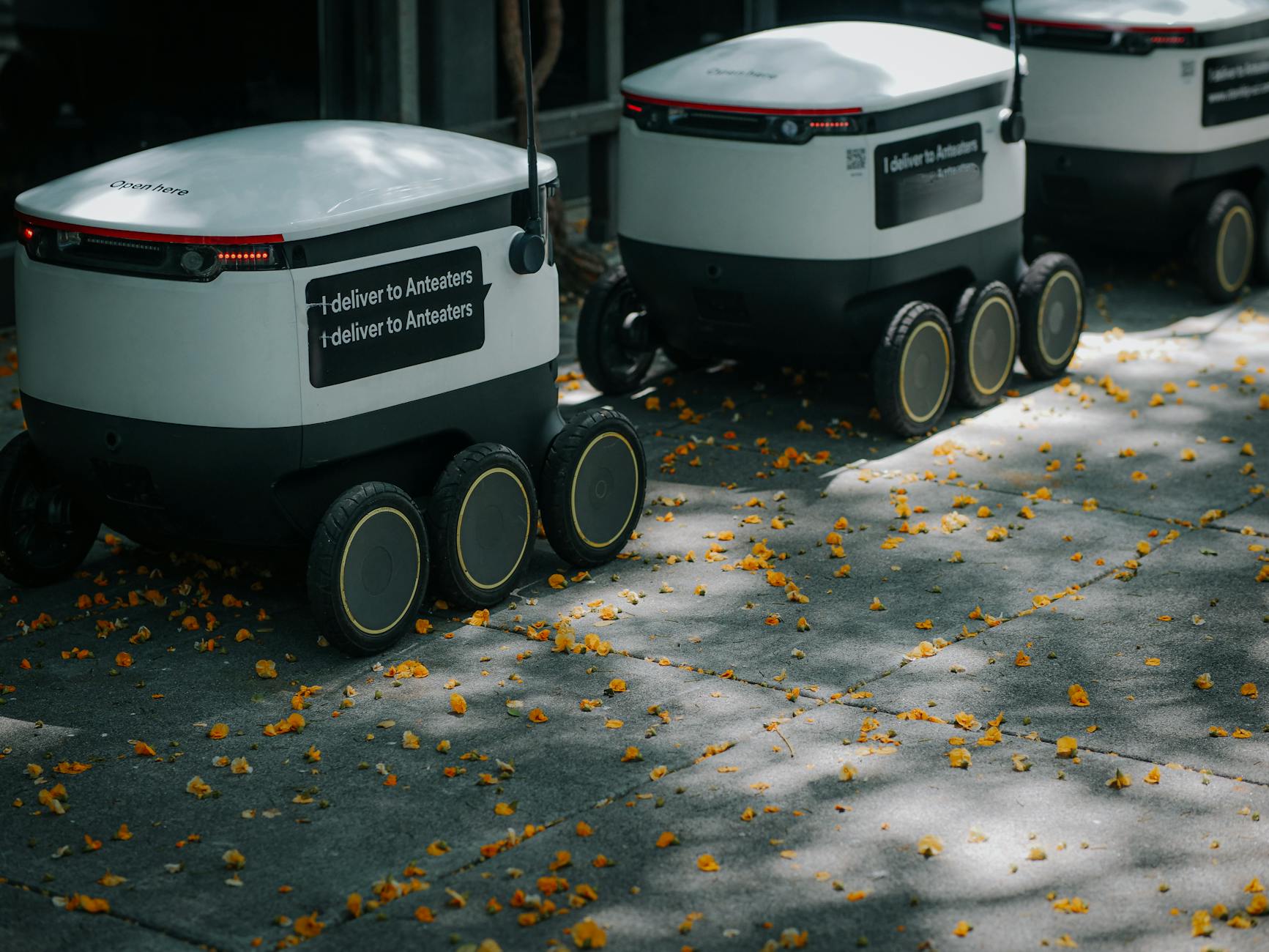
Fetch Robotics, a prominent technology company, specializes in developing autonomous mobile robots (AMRs) specifically designed for optimizing logistics and warehouse operations. Established in 2014, the company's core mission is to enhance operational efficiency, reduce labor costs, and streamline material handling within complex supply chains. Through a robust portfolio of robotic solutions, Fetch Robotics integrates AMRs into a variety of critical warehouse tasks, including automated item transportation, precise inventory management, and accelerated order fulfillment, thereby significantly boosting productivity across the logistics sector [5].
Etymology and Origins
The name “Fetch” in Fetch Robotics directly alludes to the primary function of its robots: the automated retrieval and movement of items, which is central to modern logistics. The company was founded in 2014 in Silicon Valley by a team of robotics and artificial intelligence experts, most notably Dr. Melonee Wise, who served as CEO until its acquisition. Wise, with a distinguished background in robotic research from institutions like Willow Garage, envisioned a new generation of mobile robots that could operate autonomously and flexibly in dynamic human-centric environments, a significant departure from the fixed-path automated guided vehicles (AGVs) prevalent at the time.
The concept of mobile robots in warehouses has a rich history, dating back to the 1950s with the introduction of early AGVs. However, these systems typically required fixed infrastructure like magnetic tapes or wires for navigation. Fetch Robotics emerged at a time when advancements in sensor technology (LiDAR, computer vision), computational power, and algorithms enabled robots to build maps of their environments and navigate autonomously without predefined paths, fundamentally redefining warehouse automation [6]. This shift from AGVs to more intelligent, self-navigating AMRs marked a new era in logistics technology.
Historical Development
Fetch Robotics was founded in 2014 with the conviction that advanced robotics could revolutionize logistics efficiency. The early development phase coincided with rapid advancements in robotics and AI, positioning Fetch at the forefront of the autonomous mobile robot (AMR) revolution. Key milestones in the company's journey include:
- 2014: Foundation and Vision. Fetch Robotics is established by Dr. Melonee Wise and her team, focusing on developing versatile AMRs for logistics, diverging from traditional AGV technology [7].
- 2015: Seed Funding & Early Prototypes. The company secures significant seed funding, allowing for accelerated development of its initial AMR platforms.
- 2016: Product Launch. Fetch Robotics officially launches its first commercial products: the Fetch and Freight robots. Fetch was designed for pick-and-place tasks, while Freight focused on transporting bins and carts. These robots introduced unprecedented flexibility for material handling automation.
- 2018: Advanced Navigation and Software. Introduction of more sophisticated navigation algorithms, enabling robots to map and adapt to highly dynamic warehouse environments. This year also saw the refinement of their software platform for fleet management and integration with existing warehouse systems, critical for large-scale deployments.
- 2020: Robotics-as-a-Service (RaaS) Model Expansion. Fetch Robotics gains widespread recognition for its cloud-based Robotics-as-a-Service (RaaS) model. This innovative approach allows businesses to deploy AMRs without substantial upfront capital expenditures, lowering the barrier to entry for automation and making scalable robot fleets accessible [8].
- 2021: Acquisition by Zebra Technologies. Zebra Technologies, a global leader in enterprise asset intelligence, acquires Fetch Robotics for $290 million. This acquisition integrated Fetch's cutting-edge AMR technology into Zebra's broader portfolio of intelligent automation solutions, aiming to create a comprehensive end-to-end workflow optimization suite for warehouses and distribution centers.
These developments reflect the broader trend towards pervasive automation in logistics, driven by increasing e-commerce demand, labor shortages, and the continuous pursuit of efficiency through robotics and intelligent systems.
Core Concepts
Fetch Robotics specializes in advanced autonomous mobile robot systems underpinned by sophisticated navigation and artificial intelligence technologies. These AMRs leverage a combination of state-of-the-art sensor technologies, including LiDAR (Light Detection and Ranging), 3D cameras, and computer vision, to accurately perceive and understand their surroundings. Key operational functionalities include:
- Autonomous Navigation: Robots construct real-time maps of their environment, enabling them to dynamically avoid obstacles, reroute around congested areas, and optimize their paths within the warehouse for maximum efficiency. This intelligent navigation allows them to safely co-exist and collaborate with human workers.
- Integration with Warehouse Management Systems (WMS): Fetch Robotics solutions are designed for seamless integration with existing warehouse management systems and enterprise resource planning (ERP) systems. This integration is crucial for enhancing order fulfillment processes, enabling robots to receive tasks directly from the WMS, update inventory records, and report task completion in real-time, facilitating an orchestrated workflow within the entire logistics ecosystem.
- Real-time Data Processing and Analytics: The robots continuously collect and analyze vast amounts of data regarding inventory movements, operational bottlenecks, task completion rates, and environmental conditions. This real-time data provides actionable insights into overall operational efficiencies, allowing managers to identify areas for improvement and make data-driven decisions for workflow optimization.
- Fleet Management Software: A central software platform manages the entire fleet of robots, assigning tasks, optimizing routes, monitoring battery levels, and ensuring efficient task distribution. This system is critical for orchestrating large-scale AMR deployments and achieving optimal productivity tracking.
Industry Applications
Fetch Robotics' AMRs are broadly deployed across various industries to address diverse logistics challenges, significantly enhancing operational fluidity:
- E-commerce and Retail Fulfillment: In high-volume e-commerce warehouses, AMRs facilitate faster order picking by transporting picked items from storage locations to packing stations, reducing walking time for human associates. They also aid in stock replenishment and sortation, streamlining the path from order placement to last-mile delivery preparation.
- Retail Store Operations: Within large retail environments, AMRs improve inventory accuracy and shelf availability by assisting with cycle counting, moving goods from backrooms to sales floors, and handling returns processing, ultimately enhancing the customer experience.
- Manufacturing and Assembly: In manufacturing plants, AMRs support just-in-time (JIT) production by transporting components and work-in-progress materials between different production cells and assembly lines. This reduces manual intervention, minimizes downtime, and ensures a continuous flow of materials, leading to significant labor cost reductions.
- Third-Party Logistics (3PL): 3PL providers leverage Fetch AMRs to offer flexible, scalable automation solutions to their clients, allowing them to adapt quickly to fluctuating demand without heavy investment in fixed infrastructure.
Prominent companies like GE Appliances utilize Fetch solutions to automate the movement of parts within their manufacturing facilities, while Zebra Technologies (post-acquisition) has integrated Fetch's AMRs into its comprehensive portfolio to offer more holistic end-to-end warehouse automation solutions.
Benefits and Advantages
The strategic deployment of Fetch Robotics AMRs in logistics operations yields several compelling benefits:
- Cost Reduction: By automating repetitive, labor-intensive tasks such as material transport and basic picking, companies can significantly reduce operational costs associated with manual labor, including wages, benefits, and workplace injuries. This allows human workers to be re-deployed to higher-value activities requiring critical thinking or dexterity.
- Enhanced Efficiency and Throughput: AMRs can operate continuously, 24/7, without breaks, dramatically increasing product throughput and accelerating order fulfillment workflows. Their optimized path planning and task allocation capabilities lead to faster movement of goods and reduced processing times, directly contributing to improved supply chain velocity.
- Scalability and Flexibility: The Robotics-as-a-Service (RaaS) model, coupled with the inherent flexibility of AMRs, allows businesses to scale their automation capabilities up or down based on demand fluctuations. This eliminates the need for hefty capital investments in fixed infrastructure and provides unparalleled agility in adapting to market changes or seasonal peaks.
- Improved Safety: By taking over strenuous or hazardous tasks, AMRs reduce the risk of workplace accidents and injuries for human employees. Their advanced collision avoidance systems ensure safe co-existence and collaboration with the human workforce, creating a safer overall work environment.
- Optimized Space Utilization: AMRs can navigate narrower aisles and more constrained spaces than traditional forklifts or AGVs, allowing warehouses to optimize their layout and storage density without compromising efficiency.
Challenges and Limitations
Despite the transformative advantages, integrating AMRs into logistics operations presents certain challenges and limitations:
- Initial Transition and Employee Adaptation: Companies must carefully manage the transition period as employees adapt to collaborative working environments with robots. This requires comprehensive change management strategies and clear communication to mitigate concerns about job displacement and foster acceptance.
- Integration Complexity: Ensuring seamless compatibility with existing, often legacy, warehouse systems (WMS, ERP, MES) can be complex. This often necessitates significant API development, data mapping, and workflow adjustments to ensure robots are fully integrated into the operational fabric.
- Maintenance and Support: AMRs are sophisticated machines requiring ongoing maintenance, software updates, and technical support to ensure optimal performance and minimize downtime. This necessitates investment in trained technical staff or robust service agreements with the vendor.
- Infrastructure Requirements: While AMRs are more flexible than AGVs, optimal performance still relies on a well-maintained warehouse environment, including good Wi-Fi coverage for communication, sufficient charging infrastructure, and clear pathways. Poor floor conditions or lighting can impact navigation accuracy.
- Cost Justification and ROI: While RaaS models reduce upfront costs, evaluating the long-term Return on Investment (ROI) requires careful analysis of labor savings, efficiency gains, and operational changes over time. Not all operations may see immediate or significant ROI, especially smaller facilities or those with highly variable tasks.
Best Practices
Implementing Fetch Robotics’ solutions effectively requires a strategic approach focused on integration, training, and continuous improvement:
- Comprehensive Training and Engagement: Prioritize thorough training for all employees who will interact with AMRs, focusing on collaborative workflows, safety protocols, and basic troubleshooting. Involve staff early in the planning process to build understanding and foster a culture of automation adoption.
- Phased Integration and Pilot Programs: Start with a pilot program or gradual integration in a controlled environment to assess the AMRs' impact on specific operations, refine workflows, and gather valuable feedback before a full-scale deployment. This minimizes disruption and allows for iterative optimization.
- Robust IT Infrastructure: Ensure the warehouse has reliable Wi-Fi connectivity, adequate power supply for charging stations, and a robust network infrastructure capable of handling the data traffic generated by a fleet of robots. This is foundational for consistent robot performance and communication with central systems.
- Data-Driven Optimization and Continuous Monitoring: Regularly collect and analyze performance data from the AMR fleet to identify bottlenecks, optimize robot paths and task assignments, and ensure maximum utilization. Continuous monitoring allows for proactive maintenance and identification of areas for further efficiency gains, contributing to improved productivity management.
- Define Clear Roles and Workflows: Clearly delineate tasks between human workers and robots, establishing precise hand-off points and communication protocols. Optimize physical warehouse layouts to facilitate efficient robot movement and ergonomic human-robot interaction.
- Focus on Scalability: Plan for future growth and scalability from the outset. The RaaS model offers inherent flexibility, but software integration and physical layout considerations should accommodate potential expansion of the robot fleet.
Future Trends
As the logistics sector continues its rapid evolution, the future of Fetch Robotics (now part of Zebra Technologies) and the broader AMR landscape will be shaped by several key trends:
- Enhanced AI and Machine Learning Capabilities: Future AMRs will incorporate more advanced artificial intelligence to improve decision-making, predictive analytics, and adaptive learning. This includes better object recognition, predictive maintenance, and more sophisticated task scheduling and route optimization [9].
- Greater Human-Robot Collaboration: Expect more seamless and intuitive collaboration between humans and robots. This will involve more advanced gesture recognition, voice commands, and shared workspaces designed for optimal safety and efficiency, moving towards a truly cobot-centric environment.
- Integration with Other Automation Technologies: Increasing integration with other warehouse automation technologies, such as automated storage and retrieval systems (AS/RS), drones for inventory checks, and conveyor systems, will create fully automated, lights-out warehouses where AMRs play a central role in connecting various automated processes.
- 5G and Edge Computing: The proliferation of 5G networks and edge computing will enable faster, more reliable communication between robots and cloud-based fleet management systems, facilitating real-time data processing and more responsive robot behavior in complex environments [10].
- Specialized AMR Applications: Development of more specialized AMRs for specific tasks, such as cold storage environments, outdoor logistics, or handling delicate goods, will expand the scope and versatility of autonomous solutions.
Related Concepts
Fetch Robotics aligns closely with several pivotal concepts in modern logistics and supply chain management, including warehouse automation, advanced inventory management techniques, and the overarching adoption of smart technologies and Industry 4.0 principles in supply chains. Their solutions are integral to building intelligent warehouses that leverage data and automation for unparalleled operational excellence.
In conclusion, Fetch Robotics has been a pioneering force in the automation of logistics, demonstrating the transformative potential of AMRs. By providing innovative, flexible, and scalable solutions, they address contemporary challenges of efficiency, labor, and throughput, significantly enhancing warehouse operations and driving the future of the supply chain.
Sources
- Mobile WMS Overview
- Visual Warehouse Layout
- Workflows Overview
- Visual Inventory System
- Logistics Management - The Difference Between AGVs and AMRs
- Robotics Business Review - Autonomous Mobile Robots 101
- Forbes - Melonee Wise Profile
- Zebra Technologies - Zebra Technologies Completes Acquisition of Fetch Robotics
- SLAMTEC - What is LiDAR?
- Netsuite - What is ERP?
- Material Handling Industry (MHI) - Robotics
- SkuSavvy - Productivity Tracking Guide
- SkuSavvy - Stock Replenishment Guide
- SkuSavvy - Cycle Counting Guide
- Zebra Technologies - Intelligent Automation
- Mordor Intelligence - Autonomous Mobile Robots Market
- Supply Chain Dive - What is supply chain velocity?
- SkuSavvy - How to Calculate ROI on Shopify Inventory Management App
- Universal Robots - What is a cobot?
- McKinsey & Company - Industry 4.0: Reimagining manufacturing operations