FAS (Free Alongside Ship)
FAS (Free Alongside Ship) is an incoterm used in international shipping that denotes the responsibilities of buyers and sellers in terms of logistics and costs.
Updated
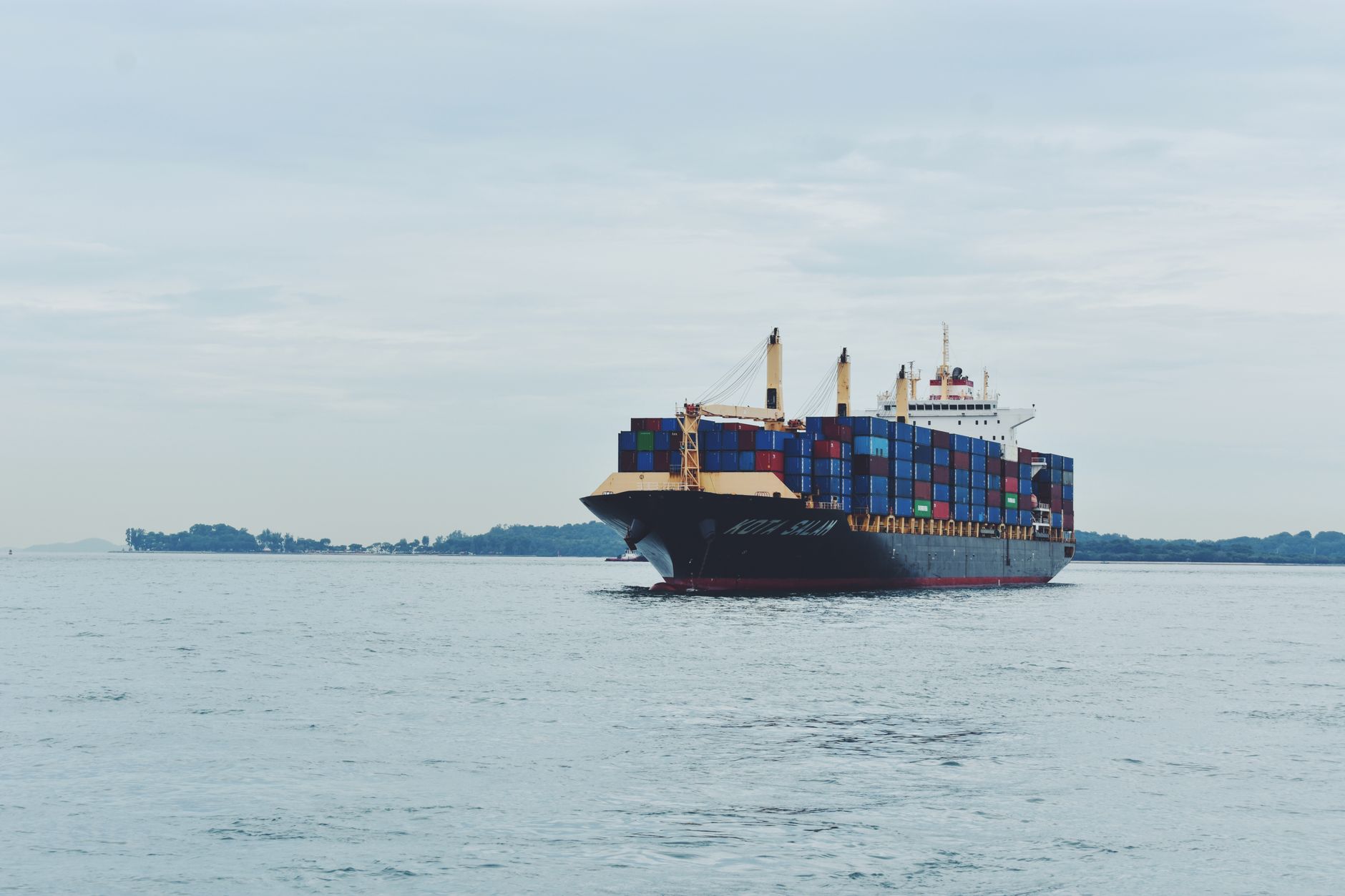
FAS (Free Alongside Ship)
Overview
FAS, or Free Alongside Ship, is an incoterm that defines the responsibilities of buyers and sellers regarding the delivery of goods, specifically for sea and inland waterway transport. Under this term, the seller is obligated to deliver the goods and place them alongside the vessel at the designated port, within reach of the ship's lifting tackle, where the buyer assumes all risks and costs thereafter. This incoterm is particularly significant for logistics professionals and supply chain managers as it delineates the precise moment at which the responsibility for goods – including risk of loss or damage, and cost of transportation and customs clearance – transfers from seller to buyer. This clarity facilitates robust contract terms in international trade. According to the International Chamber of Commerce, effective use of FAS can enhance clarity and minimize disputes in international contracts by providing a universally understood framework for obligations.
Etymology and Origins
The concept behind Free Alongside Ship (FAS) traces its roots to ancient maritime trade practices and common law principles that sought to define responsibility for goods during their journey. The term 'alongside' inherently signifies proximity to the loading vessel, a concept central to maritime law for centuries. The formalization of such terms became critical as global trade expanded, leading to diverse national customs and interpretations. The term FAS was first documented as part of the International Commercial Terms (Incoterms), developed by the International Chamber of Commerce (ICC) in 1936. The initial goal of the ICC was to create a common set of rules to avoid ambiguities in international trade contracts, which often led to costly disputes due to differing legal interpretations across countries ICC Publication 715. Over the decades, the term has evolved alongside other Incoterms, adapting to changes in shipping practices, vessel types, and international trade regulations, as detailed in The Oxford Handbook of Maritime Logistics.
Historical Development
The historical development of FAS and other Incoterms is intrinsically linked to the growth of international commerce and the increasing need for standardized trade practices in the early 20th century. Prior to formal Incoterms, trade was often governed by national laws and bilateral agreements, leading to considerable confusion and litigation. The first edition of the Incoterms was published in 1936 by the International Chamber of Commerce, laying the groundwork for a globally recognized set of trade terms. This initial set included FAS, reflecting its long-standing importance in maritime shipping for bulk and break-bulk cargo.
Since its inception, the Incoterms have undergone several revisions to keep pace with evolving global trade dynamics, with significant updates in 1953, 1967, 1980, 1990, 2000, 2010, and most recently in 2020. These revisions often reflected changes in transportation technology, security concerns, and customs procedures. For example, the 1980 revision saw the introduction of new terms to account for multimodal transport, while FAS remained a specialized term for traditional port-to-port shipments ICC History of Incoterms.
Key pioneers in the development and promotion of these terms include the International Chamber of Commerce, alongside legal and logistics experts worldwide, who sought to create a standard lexicon to facilitate trade across borders. Their efforts were crucial in moving away from a fragmented legal landscape to a harmonized international standard.
Technological evolution played a critical role in shaping how Incoterms, including FAS, are managed in practice. The transportation industry transitioned from manual documentation and communication methods to increasingly sophisticated automated systems. The introduction of Electronic Data Interchange (EDI) in the late 20th century marked a significant shift, allowing for faster and more accurate exchange of shipping information. Today, modern logistics platforms, such as Order Management Systems and Shipping & Fulfillment Software, leverage digital tools to manage complex international transactions, track goods, and ensure compliance with Incoterms like FAS. The advent of AI in logistics has further streamlined operations, enhancing compliance with incoterms, automating documentation, and reducing the likelihood of disputes associated with various stages of transfer under terms like FAS.
Major industry events, such as the development of the Just-In-Time (JIT) system by Toyota in the 1970s, which emphasized timely delivery and inventory management, highlighted the importance of precise terms like FAS for reducing costs and improving efficiency in global supply chains. Furthermore, the establishment of ISO standards for logistics and supply chain management also played a critical role in harmonizing international shipping practices, which inherently rely on clear trade terms such as FAS.
Key Responsibilities Under FAS
Understanding the precise responsibilities of both buyer and seller is crucial for successful FAS transactions:
-
Seller's Responsibilities:
- Delivery: The seller must deliver the goods alongside the vessel nominated by the buyer at the named port of shipment on the agreed date or within the agreed period ICC Incoterms 2020. This typically involves bringing the goods to the quay or lighter next to the ship.
- Export Customs: The seller is responsible for all export clearance formalities, duties, and taxes in the country of origin.
- Cost: All costs up to the point of delivery alongside the vessel, including packaging, pre-carriage to the port, and handling charges at the port of loading (e.g., terminal handling charges if applicable before loading).
- Documentation: Providing the buyer with the usual proof of delivery (e.g., a dock receipt or warehouse receipt) confirming the goods have been placed alongside the vessel.
- Risk: The seller bears all risk of loss or damage to the goods until they have been placed alongside the named vessel at the named port of shipment.
- Modern Purchase Order Management systems can assist sellers in tracking these obligations, from procurement to delivery at the port.
-
Buyer's Responsibilities:
- Vessel Nomination: The buyer must nominate the vessel and inform the seller of the vessel name, loading point, and required delivery time.
- Main Carriage: The buyer arranges and pays for the main carriage from the port of shipment to the destination port.
- Loading: The buyer is responsible for the cost and risk of loading the goods onto the nominated vessel.
- Import Customs: The buyer handles all import clearance formalities, duties, and taxes in the country of destination.
- Cost: All costs from the moment goods are placed alongside the vessel, including main freight, loading, insurance, and costs at the destination port.
- Risk: The buyer assumes all risks of loss or damage to the goods from the moment they are alongside the nominated vessel. This means if the goods are damaged on the quay while waiting to be loaded, the risk has already transferred to the buyer.
- Effective mobile warehouse management systems and order fulfillment strategies are critical for buyers to manage the inbound logistics once goods clear customs.
Advantages and Disadvantages of FAS
Advantages:
- Cost Control for Buyer: Buyers have greater control over the main carriage and insurance costs, allowing them to negotiate favorable rates directly with carriers and insurers.
- Flexibility for Buyer: It suits buyers who prefer to manage their own shipping logistics, especially if they have established relationships with specific carriers or require specialized vessels.
- Clear Risk Transfer: The point of risk transfer is clearly defined at the port of shipment, which can simplify claims if damage occurs before loading.
- Suitable for Specific Cargo: FAS is particularly well-suited for heavy lift, bulk cargo (e.g., grains, ores), or project cargo that is not suitable for containerization and requires specialized loading equipment or procedures, where the buyer often has specific expertise.
Disadvantages:
- Buyer's Responsibility at Origin: The buyer has significant responsibilities at the origin country, including nominating the vessel and coordinating loading, which can be challenging without local representation or expertise.
- Risk of Demurrage/Detention: If the buyer's nominated vessel is delayed, the goods may incur demurrage or storage charges at the port, which falls to the buyer.
- Less Control for Seller: The seller's responsibility ends early in the logistics chain, giving them less control over the overall transit, which could be a concern if timely delivery is paramount for their reputation.
- Limited Insurance Coverage: While the seller handles pre-carriage risk, the buyer is responsible for insurance from the point goods are alongside the vessel, requiring careful coordination to avoid gaps in coverage.
FAS vs. Other Incoterms
FAS is often compared with other Incoterms, particularly those used for maritime transport:
- FAS vs. FOB (Free On Board): Under FOB, the seller's responsibility and risk transfer after the goods are loaded onto the vessel at the port of shipment. With FAS, risk transfers when goods are alongside the vessel. FOB places more responsibility on the seller during the loading process.
- FAS vs. FCA (Free Carrier): FCA is a more flexible and often preferred Incoterm for containerized and multimodal transport. Under FCA, the seller delivers the goods to a named place (which could be the seller's premises, a freight forwarder's warehouse, or a terminal) and risk transfers there. FCA places fewer responsibilities on the seller at the port itself compared to FAS, and is suitable for any mode of transport.
Best Practices for Using FAS
To effectively leverage FAS, businesses should consider the following best practices:
- Clear Communication: Ensure clear and constant communication between buyer and seller regarding vessel schedules, delivery deadlines, and documentation requirements. Use workflows in logistics software to automate notifications and approvals.
- Local Representation: Buyers using FAS should have reliable local agents or freight forwarders at the port of shipment to manage vessel nomination, loading coordination, and any unexpected issues.
- Insurance: Both parties must understand the exact point of risk transfer and ensure continuous insurance coverage for the entire journey, without gaps. The buyer, especially, needs to arrange comprehensive main carriage insurance.
- Documentation Accuracy: Accurate and timely documentation (commercial invoice, packing list, dock receipt, export declarations) is critical for smooth customs clearance and to avoid delays.
- Logistics Software Integration: Utilize visual inventory management systems and order management tools to track goods and manage the supply chain from the initial purchase order through to final delivery, ensuring all parties are aware of goods' status relative to the FAS transfer point. This helps in managing inbound logistics effectively once the buyer assumes responsibility.
Practical Examples
For instance, in 2021, a large electronics manufacturer utilized the FAS incoterm for a shipment of specialized, oversized circuit boards to Europe. These boards required flat racks and specific handling equipment not typically used for standard container shipments. By clearly defining responsibilities under FAS, the manufacturer (seller) ensured their obligation ended once the crated boards were placed alongside the designated vessel at the port of loading. The European buyer, having specialized knowledge and preferred relationships with a carrier for this type of cargo, then took responsibility for loading, main carriage, and customs clearance. This allowed the buyer to choose a specialized heavy-lift carrier at a competitive rate and manage the unique loading process, mitigating potential disputes regarding damage during transit, as their risks commenced only after delivery alongside the vessel. This exemplifies how adherence to clear terms can enhance operational efficiency in logistics, as highlighted in this case study.
Conclusion
Understanding the FAS Incoterm is essential for logistics professionals seeking to navigate the complexities of international trade, particularly for non-containerized or specialized maritime shipments. Its historical roots, stemming from centuries of maritime commerce and formalized by the ICC, and its evolving application demonstrate its enduring relevance in current shipping practices. By clearly defining the critical point of risk and cost transfer, FAS remains a vital component of global trade agreements, empowering businesses to make informed decisions and optimize their supply chain operations.
Sources
- Incoterms 2020
- The Oxford Handbook of Maritime Logistics
- Improving Logistics with AI
- The Toyota Way: 14 Management Principles from the World's Greatest Manufacturer
- Case Study: Electronics Manufacturer Optimizes Supply Chain
- Incoterms 2020
- The Oxford Handbook of Maritime Logistics
- Improving Logistics with AI
- The Toyota Way: 14 Management Principles from the World's Greatest Manufacturer
- Case Study: Electronics Manufacturer Optimizes Supply Chain
- ICC Incoterms® 2010 in Depth
- Incoterms® History
- Order Management System
- Shipping and Fulfillment Software
- Purchase Order Management
- Mobile Warehouse Management System
- Order Fulfillment Guide
- Workflows Overview
- Visual Inventory Management System