Etsy Shipping Labels
Explore how Etsy Shipping Labels simplify shipping for sellers, including their benefits, process, and integration with logistics systems.
Updated
Overview
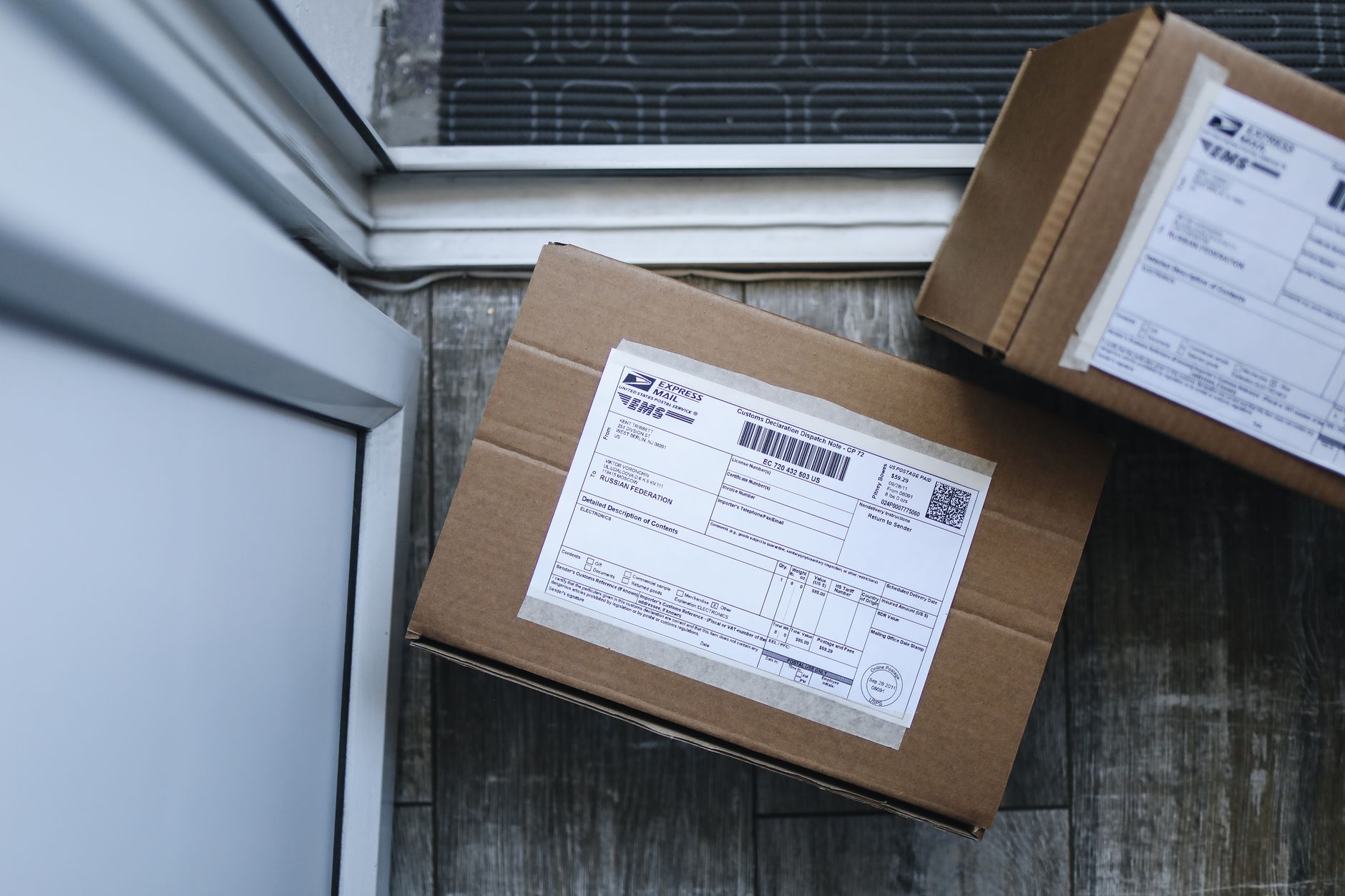
Etsy Shipping Labels are an essential feature for sellers on the Etsy platform, designed to streamline the shipping process. These labels allow sellers to purchase postage directly through Etsy, enabling them to print shipping labels and manage orders efficiently. The primary purposes of these labels include saving time, reducing shipping errors, and providing buyers with tracking information. The importance of using Etsy Shipping Labels is particularly evident as it enhances the overall customer experience by ensuring timely delivery and improving seller accountability.
Etymology and Origins
The term "shipping label" has its roots in logistics and shipping terminology, originally describing labels affixed to packages to provide information such as the sender's and receiver's addresses. The phrase gained popularity with the rise of e-commerce platforms like Etsy in the mid-2000s, aiming to simplify the selling process for artisans and small businesses. The first documented use of the term "shipping label" can be traced back to various logistics and transportation documents dating to the late 20th century.
With the evolution of global trade and e-commerce in the 2000s, the need for integrated shipping solutions became apparent, leading to innovations in the printing and management of shipping labels. As the logistics industry matured, shipping labels transformed from physical paper labels to digital documents that could be generated, printed, and tracked online, marking a significant shift in order fulfillment processes.
Historical Development
The development of Etsy Shipping Labels can be traced back to Etsy's founding in 2005 by Rob Kalin, Chris Maguire, and Haim Cohen as a marketplace for handmade and vintage goods. As online shopping grew in popularity, Etsy introduced various seller tools, including shipping label functionality, which became standardized around 2013. Significant milestones include:
- 2013: Etsy enables sellers to purchase and print shipping labels directly from the platform, improving user experience.
- 2014: Introduction of shipping label tracking that links directly to Etsy’s order management system, enhancing visibility for both sellers and buyers.
- 2018: The introduction of features like automated rate selection to help sellers find the best rates for shipping.
- 2020: Enhanced tracking features introduced, allowing buyers and sellers to track shipments within the Etsy platform, further integrating logistics into the overall customer experience.
Etsy's shipping features mirror larger trends in logistics where technology is increasingly leveraged to improve efficiency, accuracy, and customer satisfaction. In this era, we also see the rise of automated systems for inventory and order management, aligning closely with the integration of shipping functionalities crucial for small business owners.
Core Concepts
Etsy Shipping Labels operate on a straightforward yet effective framework. Sellers can:
- Access shipping label options through their orders page.
- Choose from available carriers such as USPS, UPS, or FedEx, based on real-time pricing.
- Print labels directly from their home printer or through affiliated label printing services. The automation in this process minimizes errors, such as incorrect addresses or postage, ensuring packages are delivered without unnecessary delays.
Industry Applications
Etsy Shipping Labels primarily benefit small business owners and independent artists within the e-commerce sector. This feature is instrumental in areas such as:
- Small-scale retail, where direct-to-consumer shipping is vital.
- Handmade crafts, where unique product offerings demand efficient logistics solutions. For example, a seller offering custom jewelry can easily print a shipping label after a purchase, ensuring that the item is dispatched swiftly and accurately, thereby enhancing customer satisfaction and loyalty.
Benefits and Advantages
Using Etsy Shipping Labels offers several advantages, including:
- Cost Efficiency: Sellers often receive discounted rates compared to purchasing postage through traditional outlets, which can lead to significant savings over time. A 2018 study indicated that small businesses using integrated shipping solutions reported up to 20% savings on shipping costs.
- Convenience: The ability to print labels at home saves time for sellers and reduces trips to the post office, which is especially beneficial during peak shopping seasons.
- Tracking Numbers: Each label provides automatic tracking, enhancing customer communication and satisfaction, thereby facilitating a smoother post-purchase experience for buyers.
Technology and Tools
Etsy Shipping Labels are integrated into the Etsy platform, which utilizes advanced shipping management systems to streamline the user experience. For sellers seeking further optimization, integrating tools like shipping and fulfillment software can augment the Etsy Shipping Labels process, providing enhanced options for managing orders effectively. These integrations help sellers automate their workflows, ensuring quicker turnaround times and more accurate order processing.
Future Trends
As e-commerce continues to expand, the future of Etsy Shipping Labels is likely to include further integration with automation technologies. For instance, the adoption of AI-driven tools and services could streamline the label creation process even further, while improving accuracy in weight estimation and shipping costs. Enhanced logistics networks may also evolve to provide sellers with even more choices in shipping options, including green logistics solutions focused on sustainability, as demand for eco-friendly practices increases.
Conclusion
Etsy Shipping Labels are a critical tool for modern sellers on the Etsy platform. By providing simplicity, cost savings, and enhanced customer service capabilities, these labels symbolize how e-commerce has transformed traditional shipping processes into a more efficient and user-friendly experience. As the logistics landscape continues to innovate, sellers utilizing these tools will likely remain competitive in a rapidly evolving marketplace.