Enhanced Integration in Logistics and Supply Chain Management
Enhanced integration optimizes coordination and information flow across logistics operations, improving efficiency and decision-making.
Updated
Enhanced Integration in Logistics and Supply Chain Management
Overview
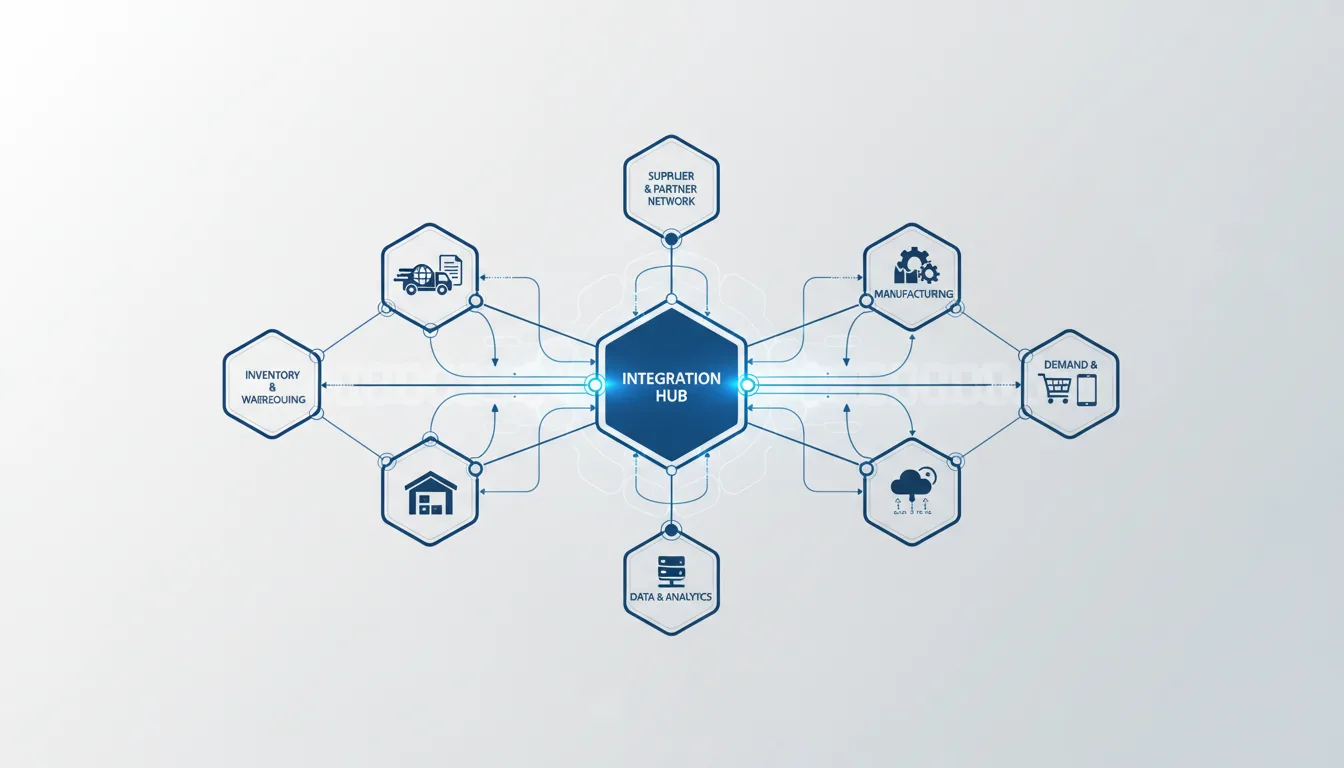
Enhanced integration refers to the seamless connection and collaboration among various components within the supply chain, including logistics systems, digital platforms, and working practices. Its primary purpose is to improve the efficiency of operations, reduce costs, and enhance overall service delivery. Enhanced integration is vital as businesses face increasing complexity in logistics, requiring effective management of resources and real-time data sharing to make informed decisions.
Etymology and Origins
The term "integration" originates from the Latin word "integratio," which means to make whole or restore. Initially used in mathematics and philosophy, the concept began to permeate business and logistics terminology during the late 20th century as the need for systematic collaboration grew amid globalization. The first documented usage in a logistics context is typically traced back to various studies published in the 1980s that aimed to improve supply chain coordination among manufacturers and suppliers. Notably, Kumar and Thakar (2015) highlighted this evolution, marking it as a critical development in supply chain literature.
Historical Development
1980s: Emergence
The concept of integration in logistics was first popularized in the 1980s as businesses began recognizing the need for improved collaboration. Notably, companies like Procter & Gamble began utilizing computer systems for supply chain management, sparking interest in integrated logistics systems. The seminal work of Bowersox and Closs (1996) further solidified logistics integration as a distinct field of study.
1990s: Technological Advancements
With the advent of the internet and ERP (Enterprise Resource Planning) systems, enhanced integration became more feasible. Firms like SAP pioneered modular ERP solutions that facilitated complete supply chain integration. This decade saw the widespread adoption of barcode technology and warehouse management systems, which laid the groundwork for modern logistics automation. Additionally, the introduction of Just-In-Time (JIT) inventory systems at Toyota showcased how integrated approaches could enhance efficiency.
2000s: Real-Time Data Sharing
The emergence of real-time data analytics and cloud computing profoundly transformed logistics integration. By utilizing cloud-based solutions for data sharing among suppliers and distributors, companies not only improved efficiency but also responsiveness to market changes. As a result, enhanced integration became synonymous with agility in logistics operations. The adoption of standards, such as ISO 9001, further formalized the integration processes across industries.
2010s-Present: Advanced Technologies
The latest wave of core technologies, including IoT (Internet of Things), AI (Artificial Intelligence), and machine learning, has revolutionized enhanced integration. Businesses leverage these technologies to analyze vast amounts of data for predictive analytics and inventory management. Coupled with systems like SkuSavvy's Order Management System and Shipping & Fulfillment Software, firms are now able to create highly integrated and efficient logistics networks. Case studies, such as the integration success of Walmart, illustrate the significant benefits realized through enhanced integration strategies.
Core Concepts
Enhanced integration revolves around several core concepts, including data synchronization, real-time communication, and collaborative planning. Key elements involve using advanced software tools to connect various supply chain partners, facilitating timely data exchange.
For instance, using a Mobile Warehouse Management System allows warehouse staff to update stock levels in real-time, ensuring all parties maintain accurate inventory counts. Moreover, cross-docking practices improve efficiency by coordinating incoming and outgoing shipments directly, thereby reducing storage time and costs.
Industry Applications
Enhanced integration is commonplace across various sectors, including retail, manufacturing, and healthcare. In retail, e-commerce giants like Amazon utilize sophisticated integrated logistics systems for efficient order fulfillment and inventory management. Amazon's Collaborative Transportation Network serves as a prime example of how integration fosters efficiency.
Similarly, in the manufacturing sector, companies adopt integrated production planning tools that connect inventory management with manufacturing schedules to ensure optimal resource utilization. In healthcare, integrated systems help manage supply chains for pharmaceuticals, ensuring timely deliveries that meet regulatory requirements, such as those stipulated by the FDA. The case of Johnson & Johnson demonstrates the effectiveness of integration in managing complex global supply chains.
Benefits and Advantages
The primary benefits of enhanced integration include improved operational efficiency, increased responsiveness, and better resource allocation. Companies leveraging integrated logistics report reduced order fulfillment times and lower overall logistics costs. Enhanced accuracy in inventory management also leads to lower levels of excess stock, thereby reducing carrying costs. According to a study by Gartner (2021), companies with sophisticated logistics capabilities can achieve up to a 20% reduction in costs.
Challenges and Limitations
Despite its advantages, enhanced integration can present challenges such as data privacy concerns, the complexity of installing integrated systems across diverse platforms, and resistance to change within organizations. Organizations must address interoperability issues, ensuring disparate technologies can effectively communicate. The research by Kumar and Nambisan (2014) points to these challenges as significant barriers to successful integration.
Best Practices
To maximize the benefits of enhanced integration, organizations should focus on:
- Selecting Compatible Systems: Choose logistics and ERP platforms that support seamless integration.
- Investing in Training: Proper training for staff to utilize integrated systems is crucial for successful implementation.
- Continuous Monitoring: Regularly evaluate integration performance and update systems to adopt technological advancements. Companies such as Cisco employ continuous training programs that ensure staff adeptly utilize their integrated systems.
Technology and Tools
Several software systems are pivotal in achieving enhanced integration, such as SkuSavvy's Pick, Pack, Ship Software and Visual Inventory Management System. These systems allow businesses to streamline their operations by automating key logistics processes and enhancing visibility across the supply chain. Notably, the deployment of Automated Guided Vehicles (AGVs) in warehouses is becoming increasingly widespread, further solidifying integrated practices.
Future Trends
As technology evolves, enhanced integration is expected to incorporate sophisticated AI algorithms for predictive analytics and blockchain for improved security and transparency in supply chains. Industry experts anticipate that the future will see more collaborative platforms that foster real-time decision-making and efficiency. The 2022 report by McKinsey emphasizes the role of predictive analytics in shaping future logistics strategies.
Related Concepts
Enhanced integration closely relates to concepts such as supply chain management, logistics optimization, and inventory control. A holistic approach encompasses these aspects, ultimately driving improved service delivery and customer satisfaction.
Sources
- Order Management System
- Shipping & Fulfillment Software
- Mobile Warehouse Management System
- Cross-Docking Guide
- Pick, Pack, Ship Software
- Visual Inventory Management System
- Collaboration and Coordination in Supply Chain Management
- Supply Chain Management: A Logistics Perspective
- Tracking Supply Chain Efficiency 2021
- Challenges in Logistics Integration
- Creating a Continuous Learning Organization
- The 2022 Logistics Horizon
- 2020 Technology Report