Engineer to Order (ETO)
Engineer to Order (ETO) is a manufacturing process where products are designed and produced based on specific customer requirements, distinguishing it from other production methods.
Updated
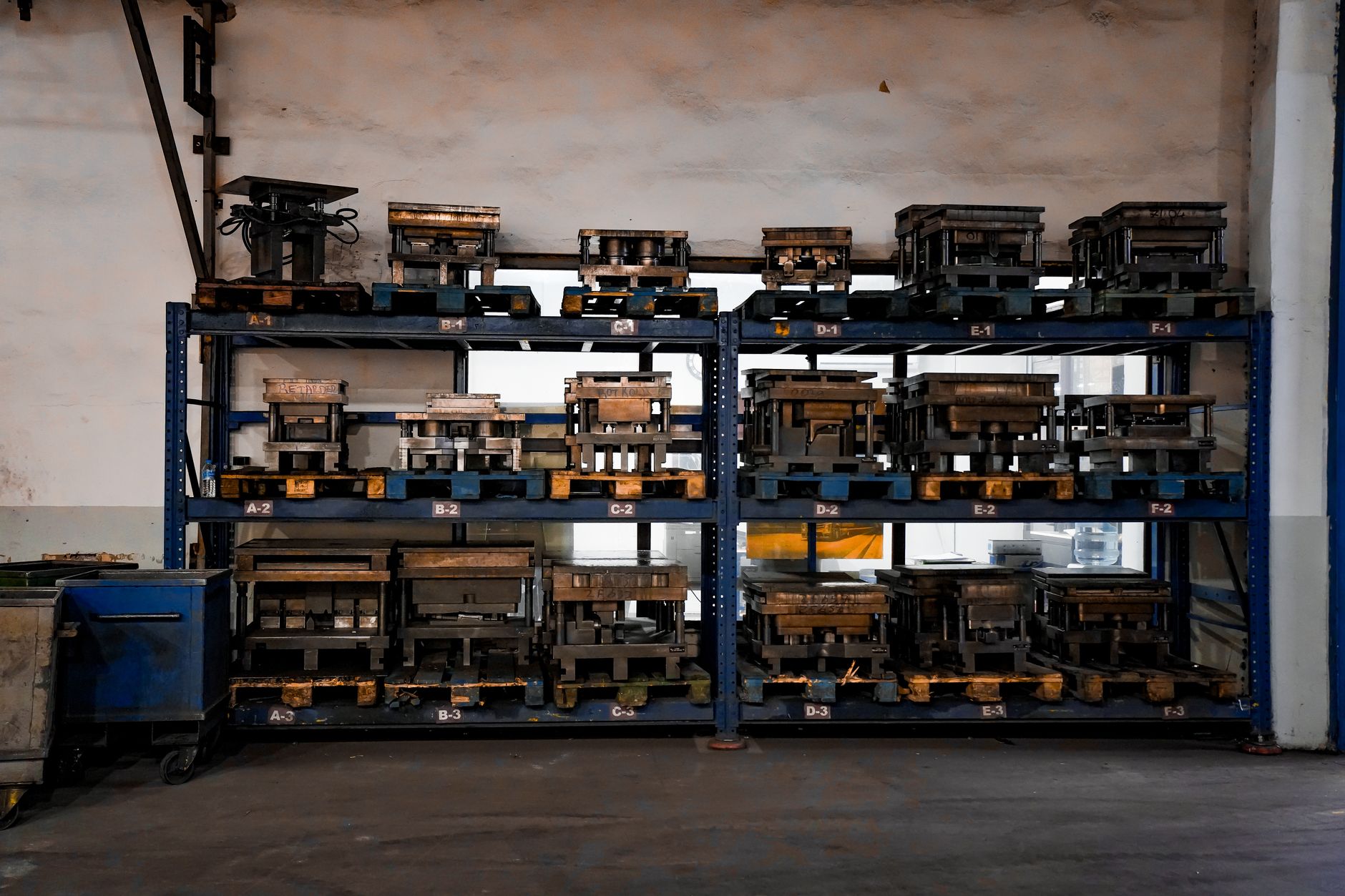
Engineer to Order (ETO)
Overview
Engineer to Order (ETO) is a manufacturing strategy in which products are custom designed and manufactured according to specific customer requirements. This approach is particularly applicable in industries where products are complex, high-value, and require significant customization, such as aerospace, defense, construction, and heavy machinery. ETO distinguishes itself from other production methodologies like Make to Stock (MTS) and Make to Order (MTO) by focusing on unique designs tailored for individual clients, often involving extensive engineering effort before production begins. This intensive customization typically leads to longer lead times but optimizes customer satisfaction through bespoke solutions.
Etymology and Origins
The concept of creating products based on unique customer specifications is ancient, found in bespoke craftsmanship throughout history. However, the formal term 'Engineer to Order' and its recognition as a distinct manufacturing strategy emerged in the mid-20th century. The linguistic roots combine 'engineering'—denoting the application of scientific and mathematical principles for design and construction—with 'order,' emphasizing the direct customer request that initiates the design and production process. This phrase gained prominence as industrial manufacturing matured and shifted towards more customer-centric models, especially for large, complex projects that could not be standardized. Early discussions in industrial management literature around project-based manufacturing began to formalize these distinctions, differentiating it from mass production or even standard MTO processes where design was largely pre-defined.
Historical Development
Early Beginnings
The origins of ETO can be traced back to early custom manufacturing practices observed in artisan workshops during pre-industrial and early Industrial Revolution eras (18th-19th centuries). Skilled craftsmen would create unique items like bespoke furniture, specialized tools, or custom-built carriages based on individual client requests. As industrialization progressed, this custom approach scaled up for large-scale projects like shipbuilding, bridge construction, and early locomotive manufacturing, where each project had unique specifications driven by client or site requirements.
Key Figures and Milestones
In the 20th century, with the progression of industrial practices and the increasing complexity of products, the ETO concept evolved significantly. The formalization of project management methodologies, particularly in the post-World War II era, provided frameworks for managing these unique, engineering-intensive endeavors. Companies like Boeing in aerospace, which often designs aircraft for specific military or commercial airline specifications, and Caterpillar Inc. in heavy machinery, customizing equipment for mining or large construction projects, were pioneers in formalizing custom engineering processes. By the 1960s and 70s, ETO became a recognized operational strategy in sectors requiring tailored designs and complex assembly, driven by advancements in engineering science and materials.
Seminal Publications and Standards
The emergence of formal project management bodies of knowledge, such as those promoted by the Project Management Institute (PMI), provided structured approaches for managing the unique, temporary endeavors characteristic of ETO. While Lean Thinking by James P. Womack and Daniel T. Jones (1989) emphasized customer value and fulfillment in production systems, influencing ETO practices by promoting efficiency alongside customization, earlier works on operations research and industrial engineering laid the groundwork for managing complex, non-repetitive production. The rise of Computer-Aided Design (CAD) and Computer-Aided Manufacturing (CAM) software in the 1970s and 1980s revolutionized ETO operations, allowing manufacturers to more efficiently manage custom designs, visualize products, and generate manufacturing instructions. Subsequently, the integration of Enterprise Resource Planning (ERP) systems in the 1990s and 2000s further streamlined ETO by integrating design, procurement, production, and financial processes.
Core Concepts
The core concept behind ETO is the direct mapping of customer requirements into a unique engineering and production process. This involves:
- Customer Specifications: A deep understanding of detailed requirements from clients, encompassing performance criteria, material specifications, regulatory compliance, and precise delivery timelines. This often involves iterative communication and design reviews.
- Engineering Design: The creation of entirely new or heavily modified designs based on customer input, often utilizing advanced Computer-Aided Design (CAD) and Product Lifecycle Management (PLM) software to visualize, simulate, and modify product designs rapidly and manage complex engineering data.
- Production Planning: Coordinating highly customized manufacturing resources, specialized workforce skills, and project-specific timelines to fulfill the unique aspects of each order effectively. This might involve Just-in-Time (JIT) methodologies for managing components for specific project phases to minimize waste and adapt to changes in design, alongside robust project scheduling.
- Risk Management: Due to the unique nature of each ETO project, inherent risks related to design changes, material availability, cost overruns, and schedule delays are significant. Proactive identification, assessment, and mitigation strategies are crucial.
- Modularity and Configuration (within ETO): While ETO implies custom design, many successful ETO manufacturers strategically leverage modular components or configurable sub-assemblies where possible. This allows for some level of standardization in procurement and production, even when the final product is unique, thereby reducing complexity and costs for certain elements.
Industry Applications
ETO is widely applied in various sectors where standardization is impractical or undesirable:
- Aerospace & Defense: Custom aircraft components, military vehicles, and specialized defense systems engineered for specific missions and stringent performance requirements.
- Construction & Infrastructure: Tailor-made building designs, custom steel structures, large-scale civil engineering projects (e.g., bridges, dams), and bespoke industrial facilities.
- Heavy Machinery: Specialized mining equipment, custom industrial robots, and unique agricultural machinery designed for specific operational environments or tasks.
- High-Tech Manufacturing: Unique electronics, scientific instruments, and research prototypes manufactured for niche markets, specialized laboratory applications, or custom industrial automation solutions.
- Energy Sector: Custom turbines, power generation equipment, and specialized components for renewable energy installations like wind farms or nuclear power plants.
Benefits and Advantages
Some of the key advantages of the ETO model include:
- Increased Customer Satisfaction: By providing fully customized, bespoke solutions, companies can precisely meet client expectations and unique operational needs, leading to higher client loyalty.
- Market Differentiation: Organizations can position themselves as specialists in unique, high-value product offerings, creating a significant competitive edge and often commanding premium pricing.
- Innovative Solutions: ETO processes inherently encourage innovation as engineering teams constantly adapt and create novel solutions for specific client challenges, fostering expertise and intellectual property development.
- Higher Margins: Due to the specialized nature and perceived value of custom solutions, ETO products often carry higher profit margins compared to mass-produced goods.
Challenges and Limitations
Despite its benefits, ETO also presents significant challenges:
- Longer Lead Times: Customized products typically require extensive time for initial design, engineering validation, and bespoke production processes, leading to considerably longer lead times compared to standard offerings.
- Higher Costs: The intricate processes involved in ETO—from specialized engineering talent to unique materials and non-standard production setups—can lead to increased operational costs, making price competitiveness more challenging against standardized alternatives.
- Inventory Management Complexity: Managing stock for bespoke products requires advanced planning, flexible procurement, and often results in holding unique or specialized components, leading to complex inventory management issues and potential obsolescence if designs change. This necessitates robust systems to track lots and expiration dates for critical components.
- Project Management Overhead: Each ETO project is akin to a distinct project with its own budget, schedule, and risks, demanding highly skilled project managers and robust project controls.
- Resource Utilization: Maintaining a highly specialized workforce and machinery for potentially intermittent custom projects can lead to challenges in optimizing resource utilization and capacity planning.
Best Practices
To optimize the ETO process and mitigate its inherent challenges, organizations should consider:
- Robust Project Management: Implementing detailed project management frameworks, including Gantt charts, critical path analysis, and agile methodologies, to precisely track timelines, budgets, and resource allocation. Effective communication and workflow tools are essential.
- Clear Communication and Collaboration: Maintaining effective, continuous communication channels with customers, suppliers, and internal teams to ensure alignment on requirements, manage expectations, and quickly address any design changes or issues. Early supplier involvement is key.
- Advanced Technology Integration: Leveraging advanced manufacturing and supply chain systems. This includes sophisticated Order Management Systems (OMS) for tracking custom orders, Mobile Warehouse Management Systems (WMS) for efficient handling of unique materials, and robust Purchase Order Management (POM) systems for specialized procurement. CAD/CAM and PLM software are indispensable for design and data management.
- Modular Design Principles: Where feasible, design products with configurable modules or standardized interfaces. This reduces the 'engineering-from-scratch' effort, allows for economies of scale on common components, and speeds up the design process.
- Risk Management Frameworks: Establishing comprehensive risk identification, assessment, and mitigation strategies from the project's inception, including contingency planning for cost and schedule overruns.
- Skilled Workforce Development: Investing in continuous training for engineers, designers, and production staff to maintain high levels of expertise in specialized areas and foster adaptability.
Future Trends
The future of ETO is likely to be significantly influenced by:
- Advanced Technology Integration: The incorporation of Artificial Intelligence (AI) and Machine Learning (ML) for optimizing design iterations, predicting project risks, and enhancing production planning. The adoption of Digital Twin technology will allow for virtual testing and simulation of custom products before physical production, greatly reducing rework.
- Additive Manufacturing (3D Printing): The increasing capabilities of 3D printing will enable rapid prototyping and the direct production of complex, custom components, making ETO processes more agile and cost-effective for certain parts.
- Sustainability Considerations: Manufacturers will increasingly focus on sustainable practices in custom engineering, designing products for longevity, recyclability, and reduced environmental impact, responding to growing environmental concerns and regulatory pressures from consumers and governments.
- Greater Supply Chain Visibility and Collaboration: Enhanced digital platforms will facilitate real-time data sharing and collaboration across the entire ETO supply chain, from customer to design, procurement, and production partners, leading to improved efficiency and responsiveness.
Conclusion
Engineered to Order is a vital and evolving process in modern manufacturing that highlights the importance of deep customization in meeting complex, specialized customer needs. As industries continue to demand unique solutions, the effective implementation of ETO practices, coupled with the strategic integration of emerging technologies like AI, digital twins, and additive manufacturing, will be critical for businesses to maintain a competitive advantage and deliver unparalleled value in their respective fields.
Sources
- Mobile Warehouse Management System
- Order Management System
- Engineer-to-Order Manufacturing
- Challenges in Engineer-to-Order manufacturing
- The Craftsman and the Factory: The American System and its European Rivals
- Project Management Institute (PMI) History
- What is CAD software? | Autodesk
- What is ERP?
- Just-in-Time (JIT) Inventory System: Definition, Benefits, and Disadvantages
- The next generation of engineer-to-order manufacturing
- Visual Inventory Management System
- Lots & Expiration Dates
- Workflows Overview
- Purchase Order Management
- What is a digital twin?